


Burr Walnut Storage Chest
A burr walnut storage chest brings magnificent knot-figured timber and practical compartmentalised depth to any room.
Defining the Burr Walnut Storage Chest
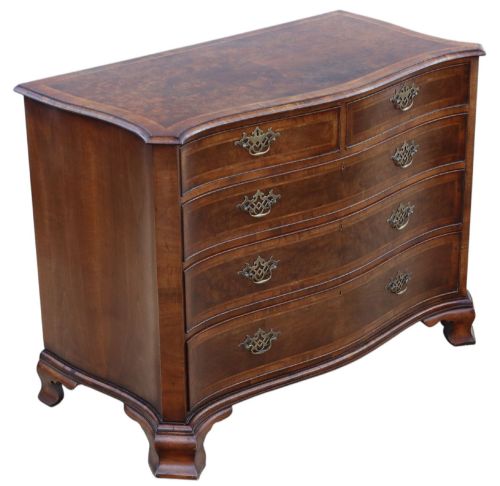
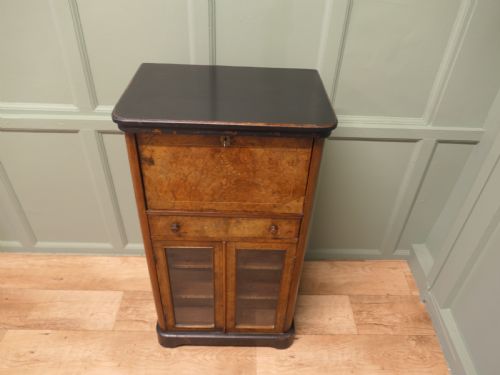
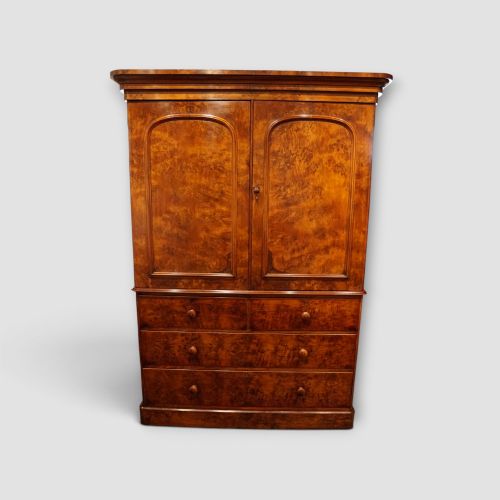
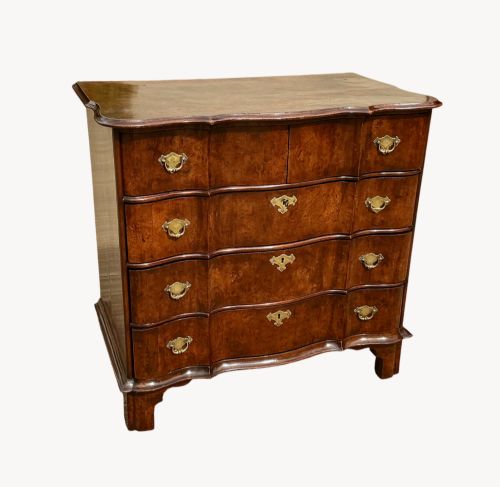
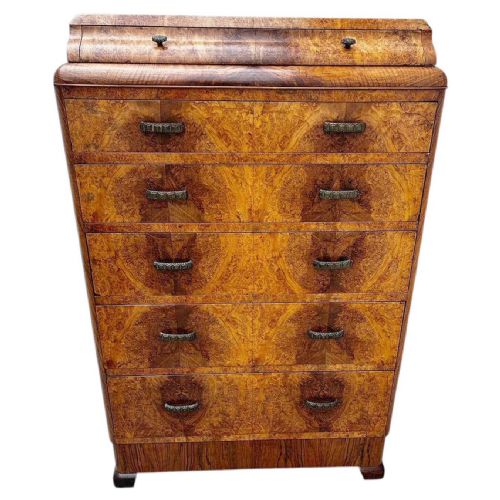
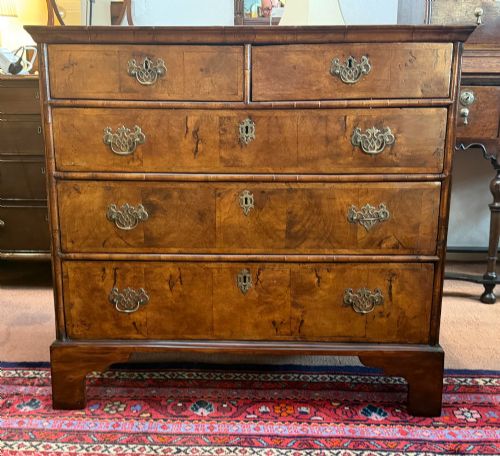
A burr walnut storage chest is a heavy wooden receptacle designed for holding garments or household goods, distinguished by its highly figured, swirling timber grain. Buyers seeking a burr walnut storage chest find substantial case furniture originating from nineteenth-century workshops up to the George V period.
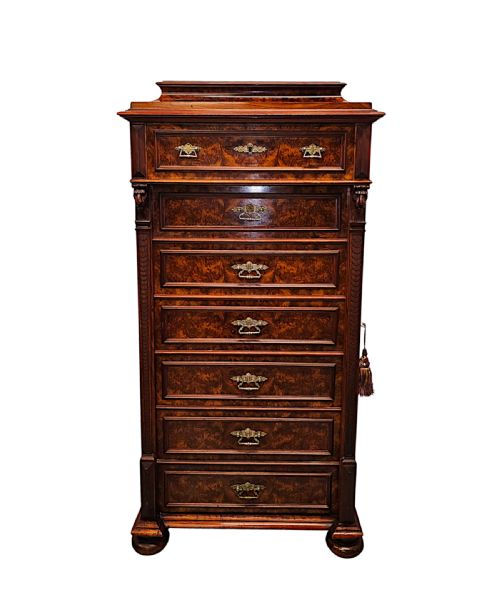
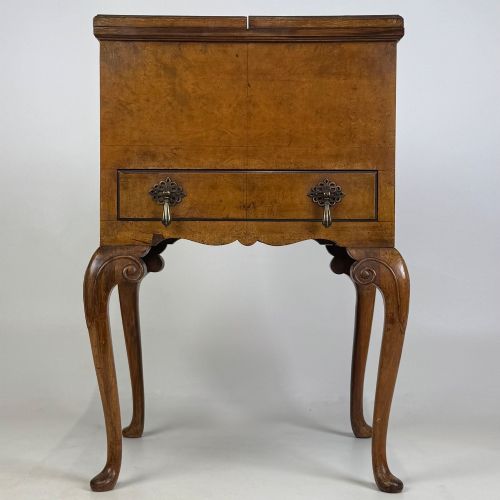
The selections available on this page encompass various regional interpretations and architectural forms. Pieces range from British Victorian Wellington chests and standard drawer configurations to continental Biedermeier examples and Swedish serpentine designs.
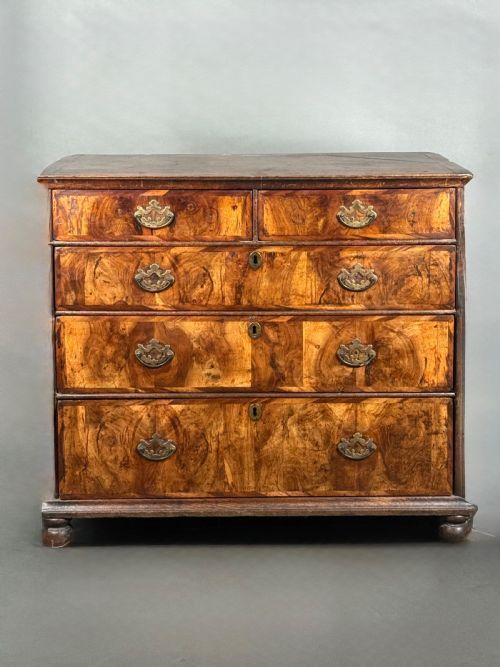
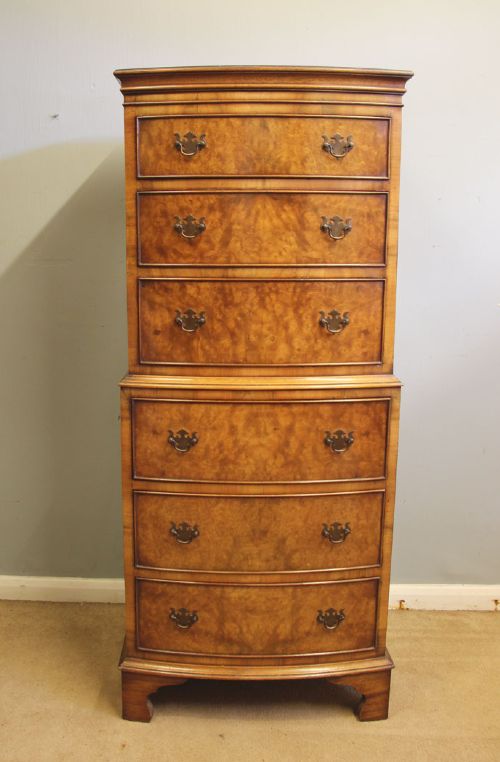
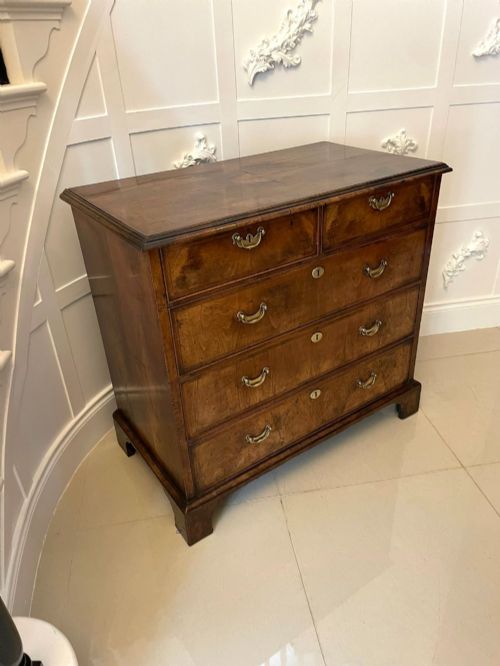
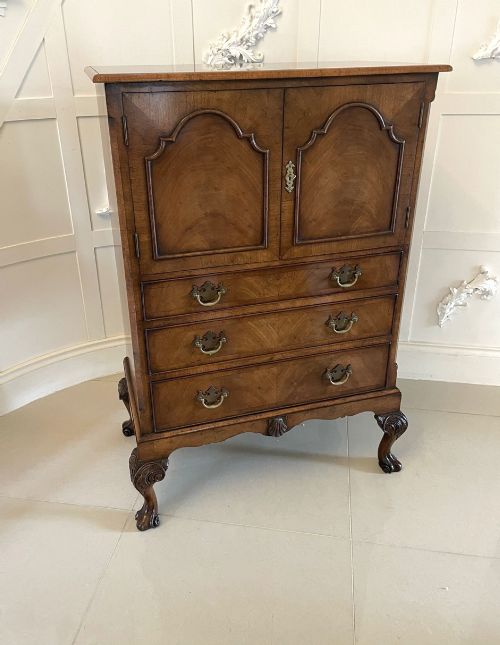
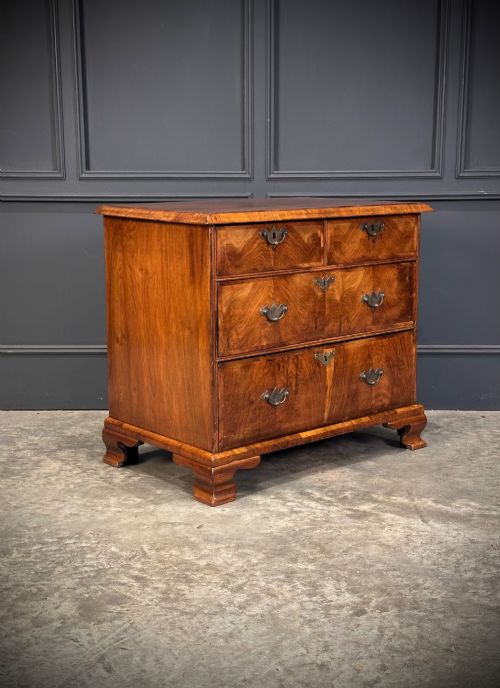
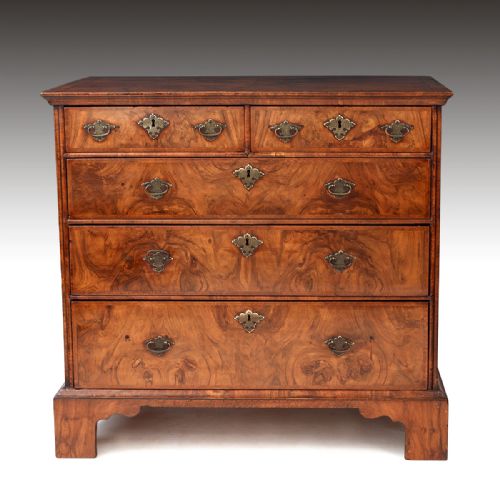
Makers utilised different structural timbers internally while presenting a decorative outer facade. Each chest demonstrates how cabinetmakers arranged burr veneers symmetrically to create striking visual patterns across the drawer fronts and primary surfaces.
Materials and Construction
Cabinetmakers constructed these chests using solid secondary woods such as pine, birch, and oak for the internal carcases and drawer linings. They then applied thin slices of burr walnut and figured walnut veneer to the exterior surfaces using traditional animal glues.
Decorative detailing relied heavily on the natural figuring of the timber rather than applied ornaments, though brass hardware frequently provided functional handles and locking escutcheons. The distinct grain patterns emerge from excrescences or growths on walnut trees, sliced carefully to reveal complex, swirling rings.
Retail Price Guide 2026
Typical UK retail prices for burr walnut storage chest, calculated from the Sellingantiques database of over a million retail prices indexed since 2003. This retail price guide relies exclusively on Sellingantiques data; no external sources or auction records are used, so the figures do not describe the wider market.
Materials documented across these items include burr walnut, figured walnut, standard walnut, brass, pine, birch, and oak.
Assessing Quality and Execution
Quality in these chests rests upon the symmetry and book-matching of the walnut veneers across the front elevation. Superior examples display continuous grain patterns that flow seamlessly from one drawer to the next, whilst lesser pieces show disjointed or patchy timber selection.
The structural integrity of the secondary woods and the precision of the drawer dovetailing separate standard workshop production from finer cabinetmaking. The choice of blonde or deeply toned burr walnut also influences the visual harmony of the piece.
The Burr Walnut Storage Chest Glossary
- Burr walnut
- Timber taken from a tree growth where the grain has grown in a deformed, swirling manner. This produces highly decorative patterns prized for fine cabinet exteriors.
- Wellington chest
- A tall, narrow chest of drawers secured by a hinged locking stile on one vertical edge. It traditionally holds multiple shallow drawers behind a single locking mechanism.
- Serpentine
- A curved furniture front characterised by a convex centre flanked by concave sides. This undulating shape demands exceptional skill from the cabinetmaker.
- Biedermeier
- A Central European style dating from the mid-nineteenth century that prioritises utilitarian comfort and clean lines. It highlights polished veneers without excessive ornamentation.
Frequently Asked Questions
How do I date a burr walnut chest?
Dating relies on examining the secondary timbers, construction methods, and hardware styles. Nineteenth-century examples often feature hand-cut dovetails and specific drawer configurations.
Later pieces from the George V era display different internal framing techniques and standardised fixings that help separate them from Victorian items.
What is a Wellington chest?
A Wellington chest is a vertical storage piece featuring a locking arm that fastens down the side of the drawers. This design protected delicate garments securely in nineteenth-century bedrooms.
Most examples contain several shallow drawers stacked vertically within a slender carcase.
How do I care for walnut veneer?
Walnut veneer requires protection from direct sunlight and excessive humidity to prevent lifting or fading. Regular dusting with a soft, dry cloth preserves the polished surface.
Avoid placing the chest near heat sources that might dry out the ancient animal glue beneath the veneer.