
Rustic Painted Dresser
A rustic painted dresser brings grounded storage and everyday utility to a room, drawing on centuries of domestic tradition.

Rustic Painted Dresser
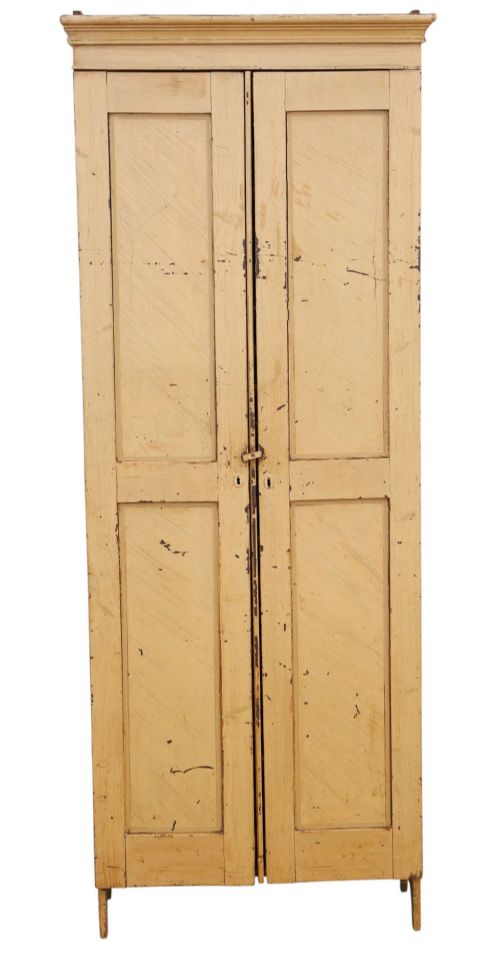
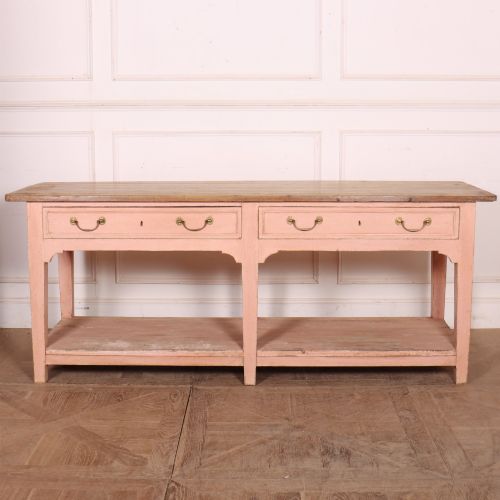
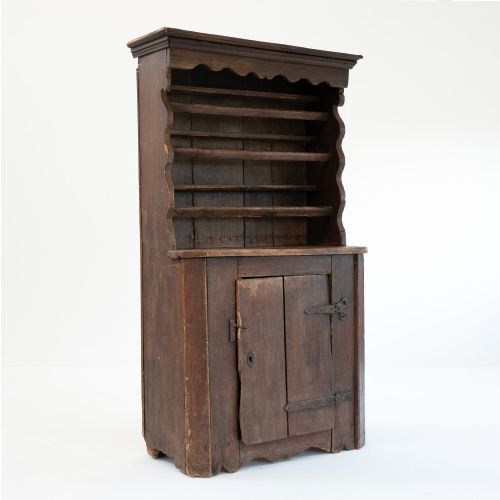
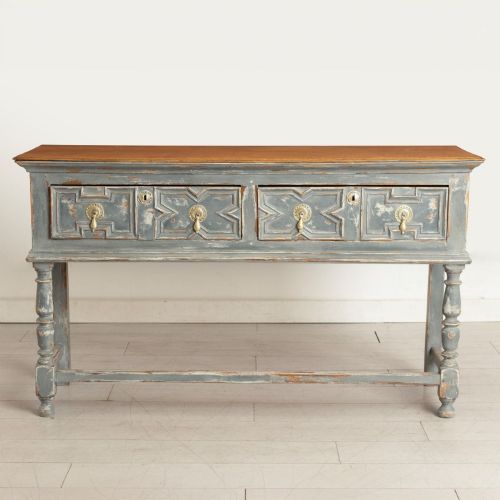
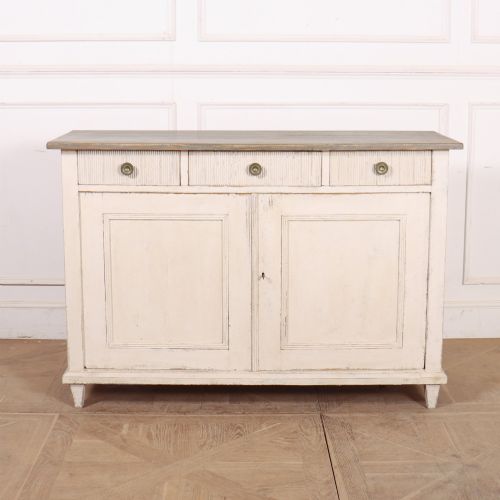
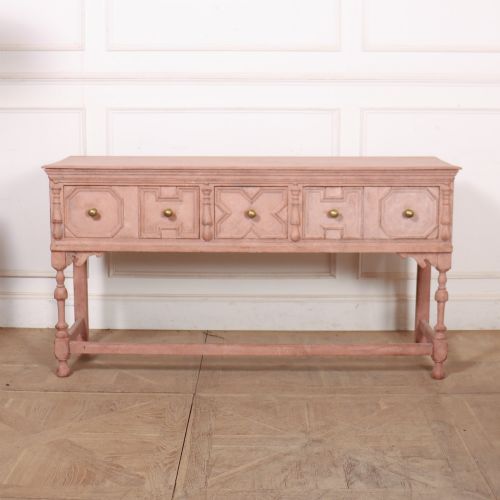
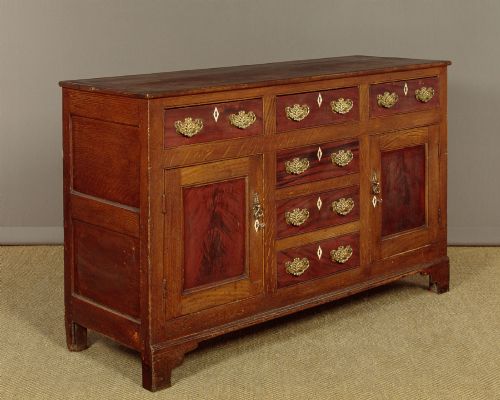
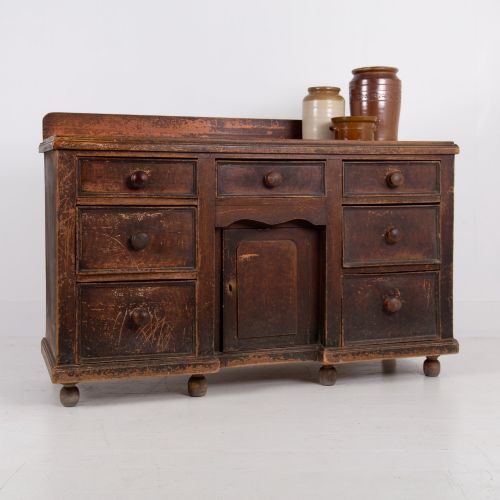
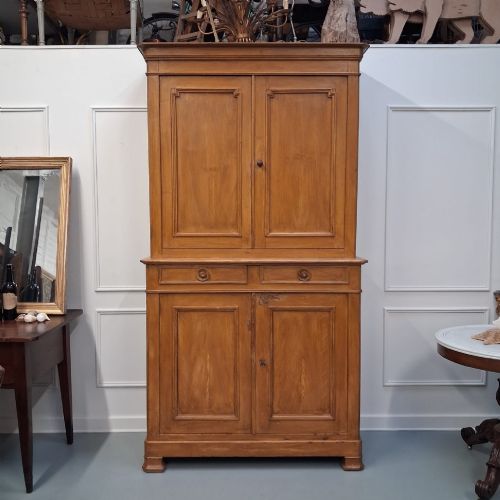
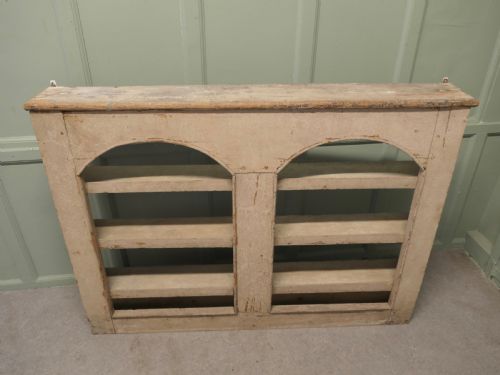
A rustic painted dresser comprises functional domestic storage forms rooted in 18th century, 19th century, and Victorian periods, often emerging from English, Irish, French, and Scottish country traditions. These sturdy items range from open potboard dresser bases and two-part kitchen cupboards to tall housekeeper units and serving tables designed for daily household use.
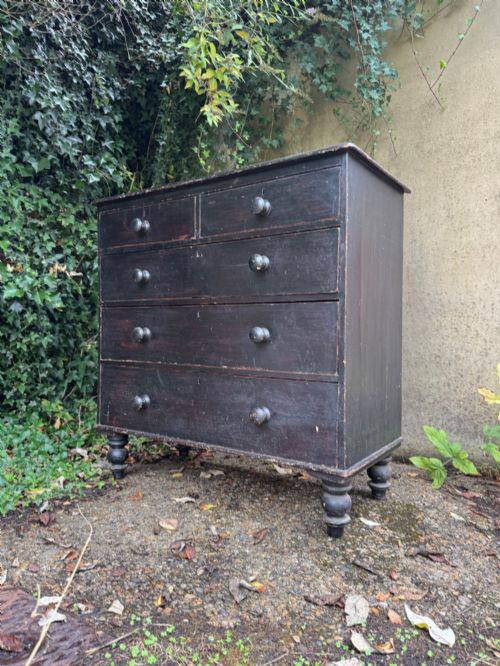
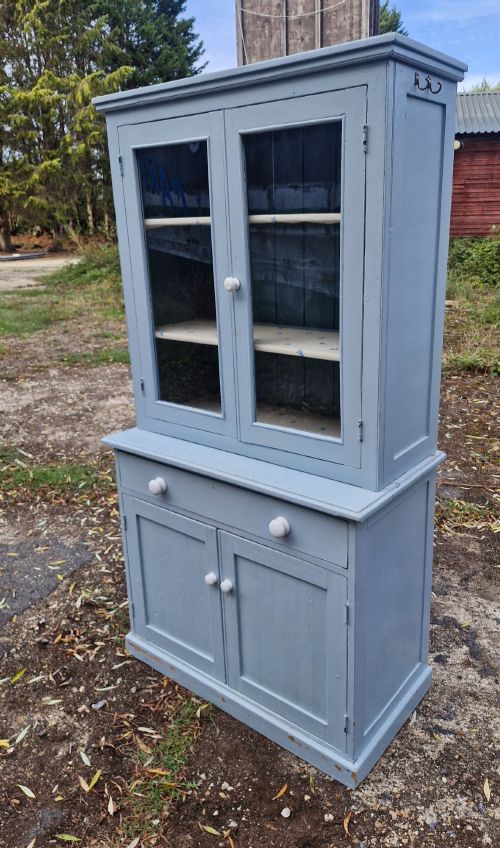
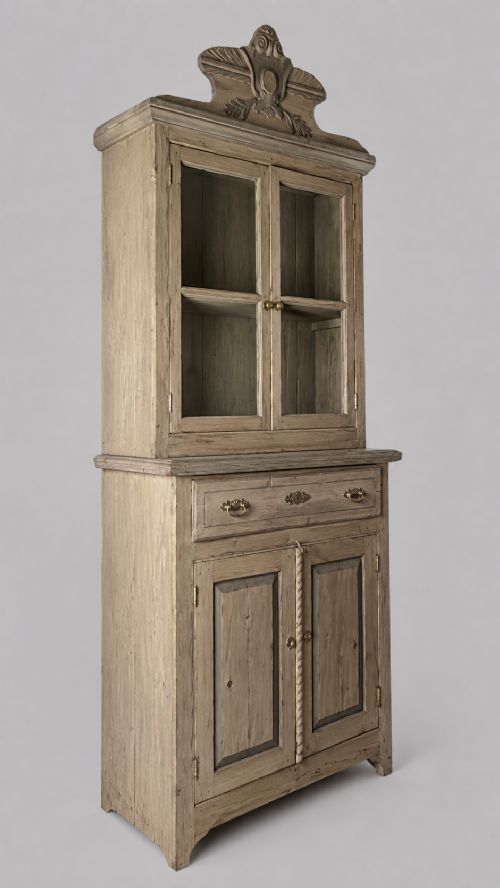
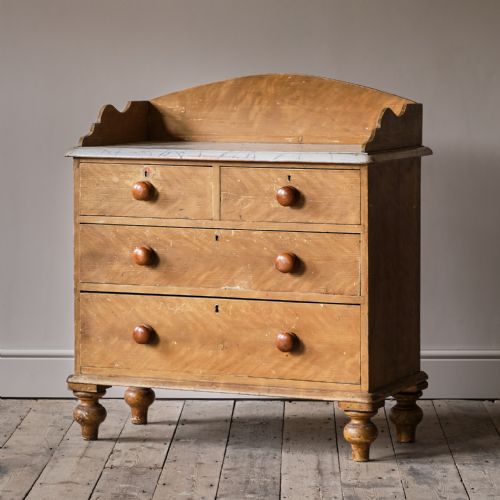
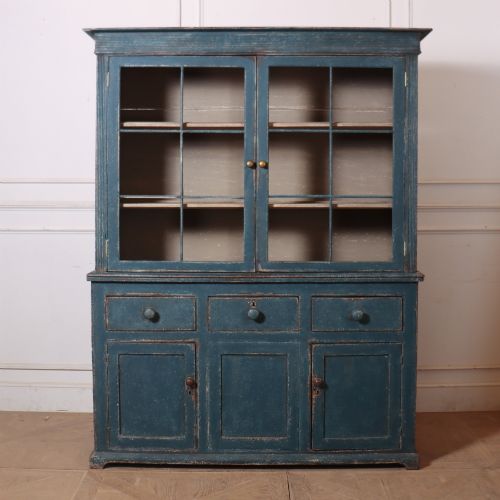
Buyers searching for a rustic painted dresser will most frequently encounter pine constructions bearing original or later layers of paint, alongside oak and mixed wood variants. Forms vary from low wide storage cupboards and tall narrow cabinets to glazed display units and chest of drawers hybrids tailored for kitchen and dining spaces.
How they were made
Constructed predominantly from pine and oak, these utilitarian pieces rely on robust timber frameworks built to withstand heavy daily demands in farmhouses and country kitchens. Joinery prioritises practical durability over ornament, utilising solid boards for backs, shelves, and structural partitions.
Surfaces receive protective and decorative treatments using paint, wax, or traditional pigments, frequently applied over multiple historic layers. Metal hardware such as iron and brass handles, hinges, and latches secure doors and drawers, while glass panels appear on upper display cabinets.
Rustic Painted Dresser Retail Price Guide 2026
Typical asking prices for rustic painted dresser among the pieces listed under this phrase on Sellingantiques today, from the lower quarter to the upper quarter. They describe what is for sale here now, not the wider market.
Some sturdy kitchen cupboards retain generations of flour dust tucked firmly inside deep oak corners.
What varies in quality
The integrity of the original timber structure and the preservation of historic paint surfaces distinguish exceptional examples from standard utilitarian items. Pieces retaining their initial unstripped finish and genuine patination command greater interest among collectors seeking authentic domestic history.
Proportion and scale also dictate worth, as well-balanced proportions in tall cupboards or low dresser bases reflect thoughtful regional craftsmanship rather than purely hasty utility. The retention of original hardware, potboards, and two-part configurations further elevates the standing of an individual survivor.
The Rustic Painted Dresser Glossary
- Potboard dresser base
- A low sideboard or table form featuring an open lower shelf, historically used for storing heavy pots and earthenware. This lower slatted tier distinguishes the utility design from enclosed cupboards.
- Housekeeper's cupboard
- A large tall storage cabinet traditionally employed for linens, dry goods, and domestic provisions in grand country houses. These imposing pieces usually combine multiple doors and interior shelving.
- Original paint
- A surface coating applied during the period of manufacture that has survived largely undisturbed through subsequent decades. Collectors prize this unaltered skin for its authentic texture and depth of colour.
- Breakfront
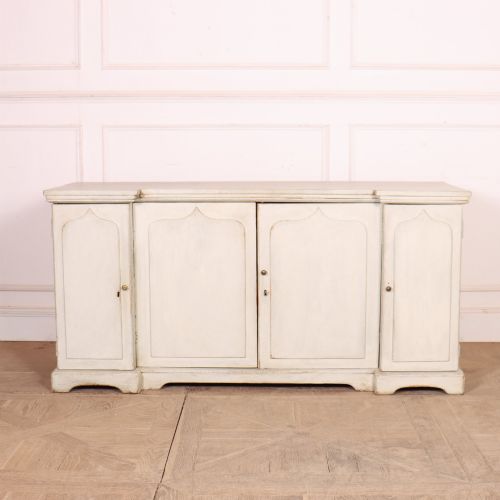
- A cabinet or dresser base whose central section projects forward from the flanking wings. This architectural arrangement adds visual depth to larger serving and storage furniture.
- Pine
- A soft timber widely utilised across 18th and 19th century country furniture for its accessibility and workability. It accepts painted finishes readily and develops a rich patination through handling over time.
Rustic Painted Dresser: Frequently Asked Questions
How are these dressers cleaned?
Dust surfaces gently with a dry or slightly damp cloth, avoiding modern chemical polishes that can degrade historic painted finishes.
Maintain room humidity at stable levels to prevent timber from drying out or historic paint from lifting.
Where should a dresser go?
Kitchens and dining rooms suit these pieces naturally, accommodating tableware, linens, and dry goods just as they did historically.
Living areas also provide an effective setting for display cabinets and low cupboards to anchor a room.
Can I paint a stripped pine piece?
Many Victorian and later examples currently finished in wax or bare pine are suited to receiving traditional paint coats.
Inspect the surface preparation requirements carefully before applying new finishes to older wood.
What defines regional styles?
Makers in different areas such as Ireland, Scotland, France, and various English counties utilised local woods and specific construction quirks.
Irish and Scottish farmhouse pieces often display distinct proportions and board arrangements compared to English counterparts.