

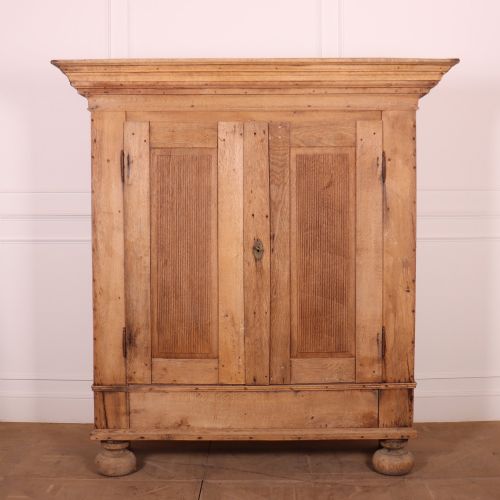
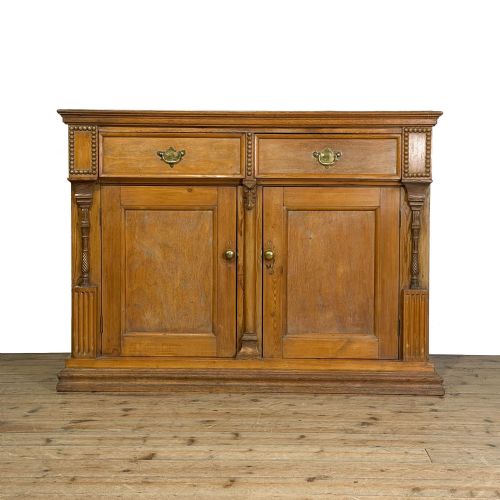
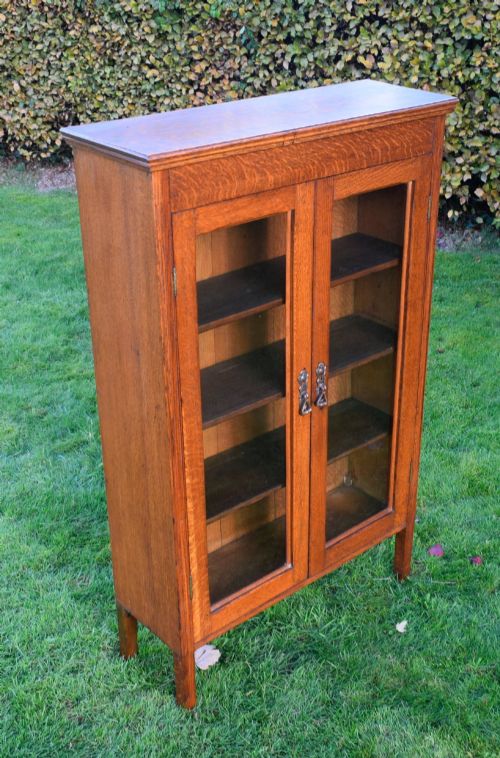

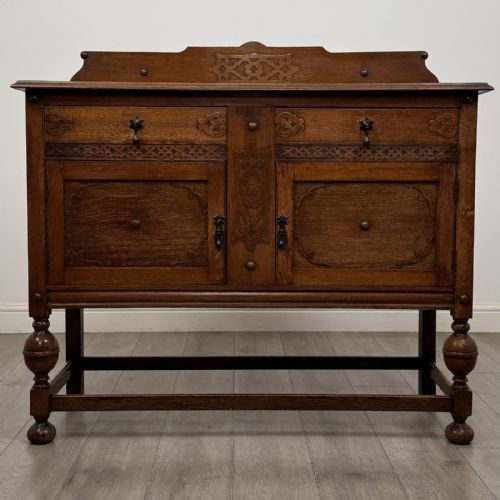
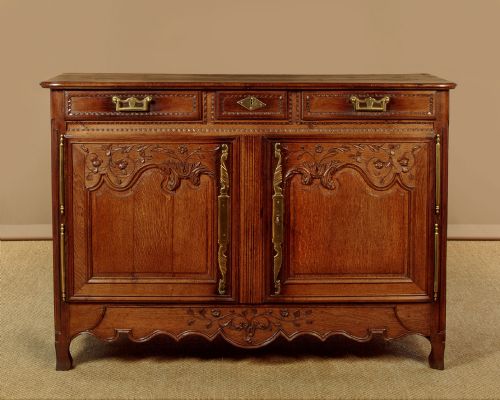
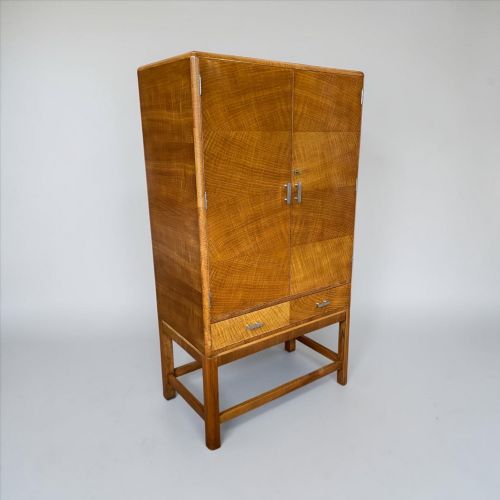
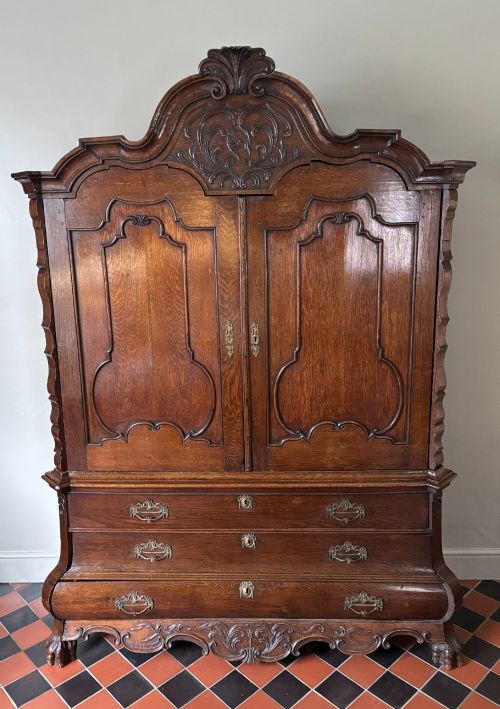
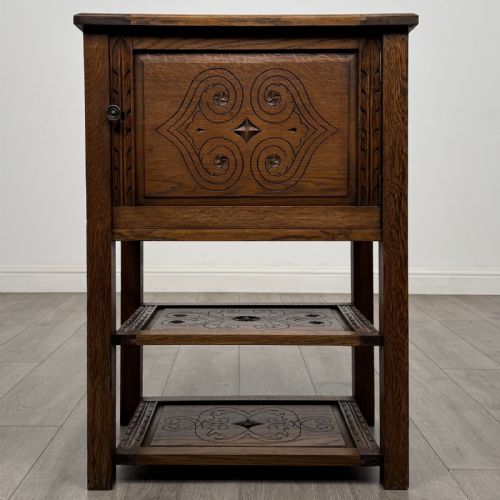
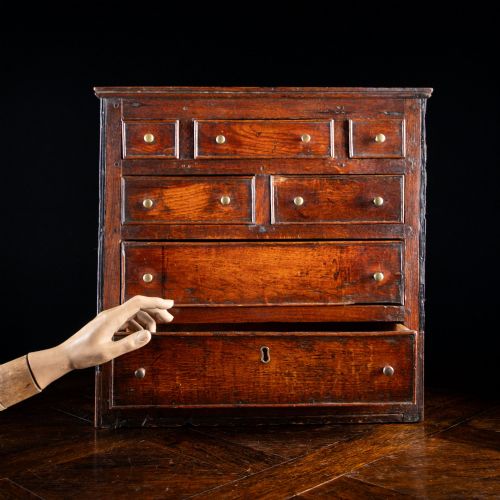
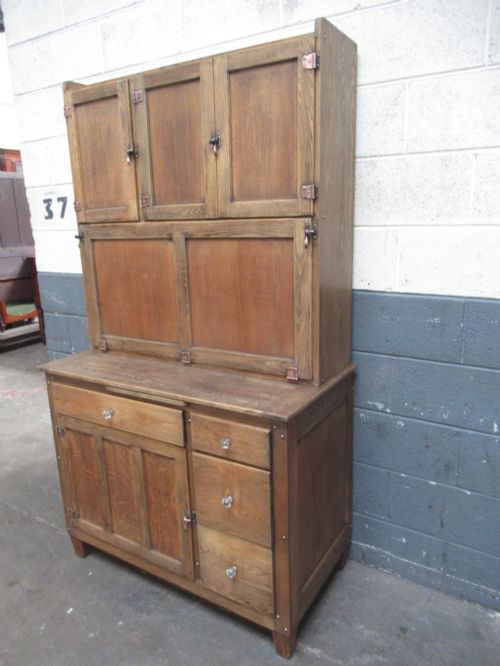
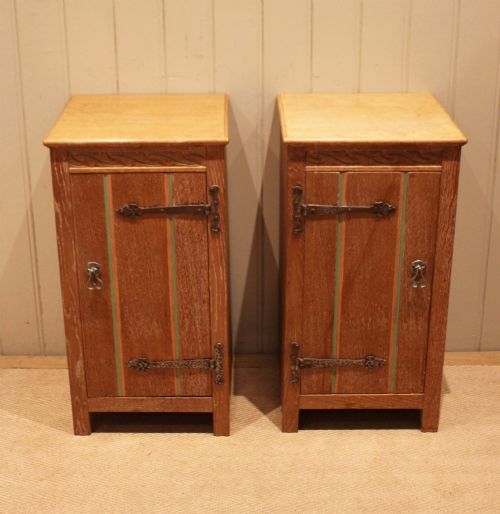
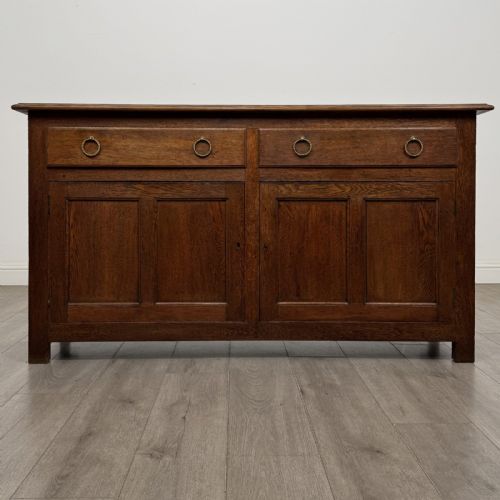
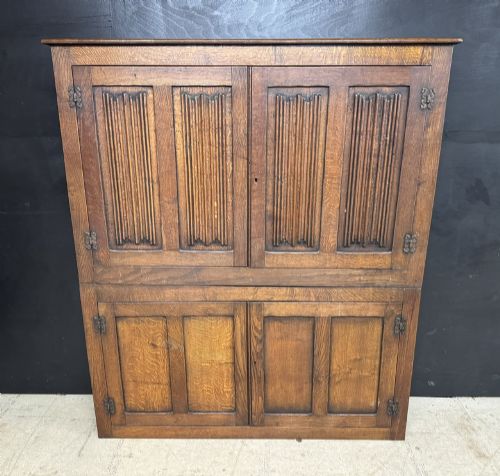
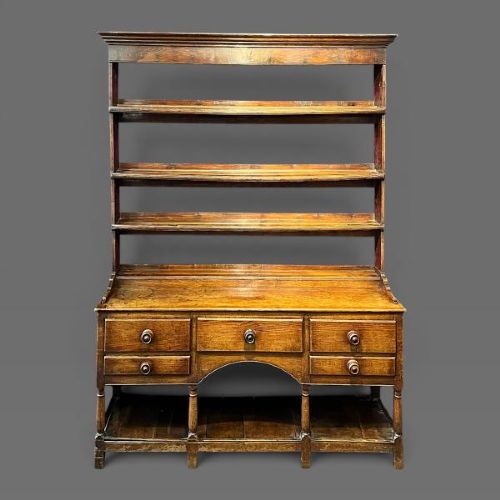
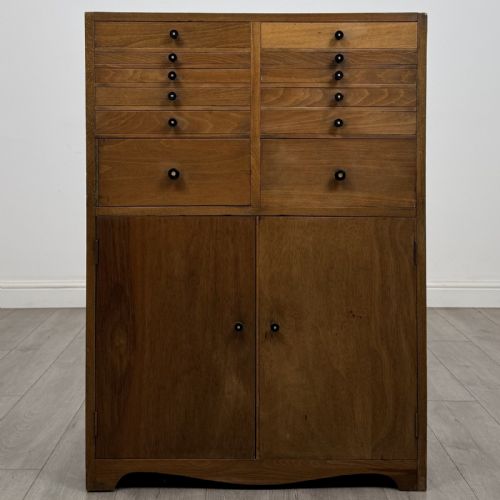
Vintage Oak Storage Cupboard
A vintage oak storage cupboard brings robust utility to a room, offering sturdy timber construction and ample space for household organisation.
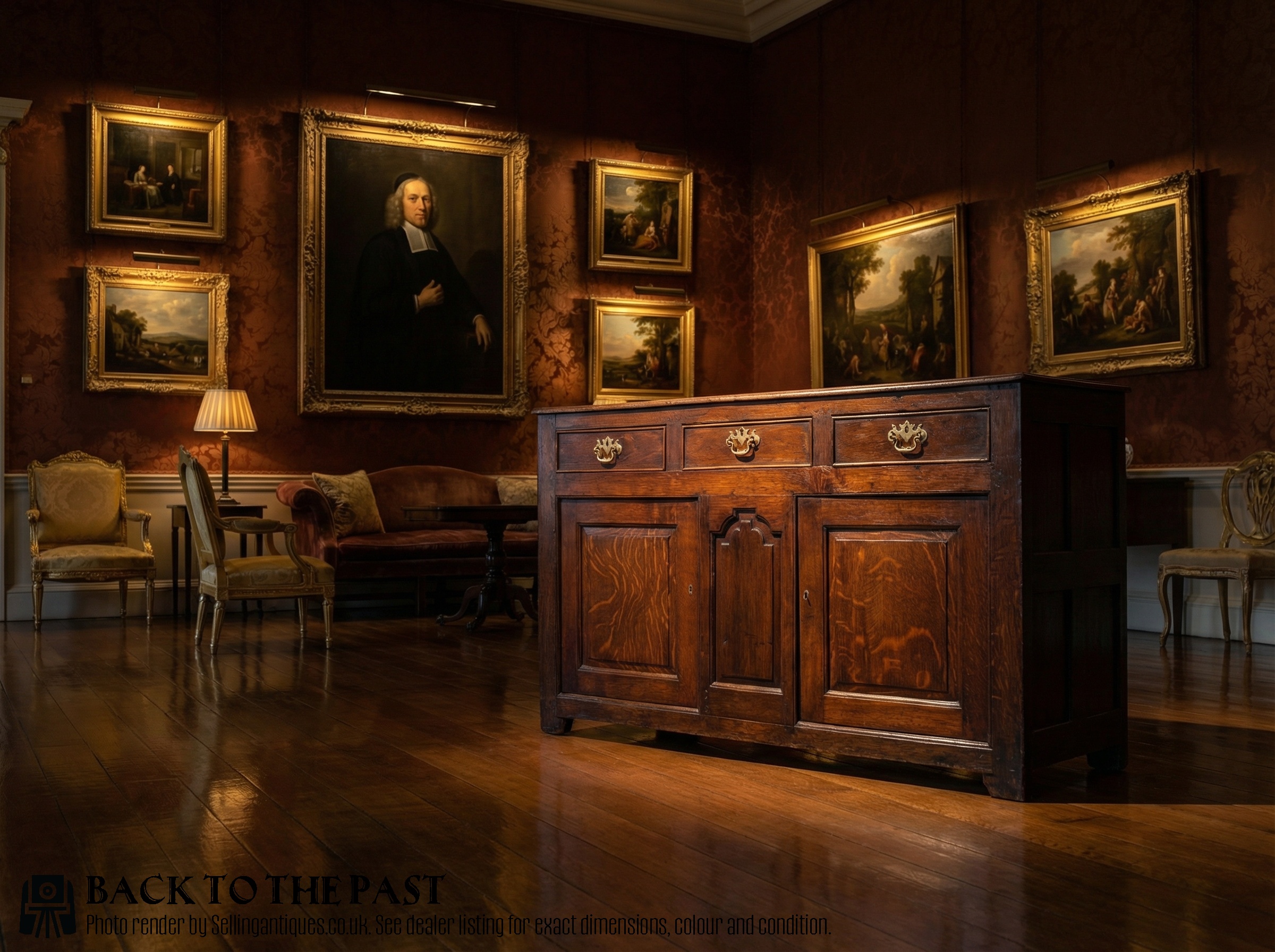
Vintage Oak Storage Cupboard
Edwardian and early twentieth-century examples dominate the offerings, alongside pieces originating from the Victorian, Georgian, and seventeenth centuries. Buyers frequently find smaller low cupboards, corner cabinets, and fitted cupboards suitable for everyday domestic storage.
The assortment reflects various regional and stylistic influences, including Cotswold School pieces, Gothic Revival designs, and Jacobean Revival details. These items serve both functional storage requirements and decorative interior roles through their distinct period characteristics.
What varies in quality
The standard of a vintage oak storage cupboard often depends on the depth and execution of carved ornamentation, such as the hand-carved panels found on court cupboards and sideboards. Superior examples demonstrate meticulous timber selection, displaying cohesive grain patterns in golden or dark oak.
Construction methods and hardware integration distinguish exceptional pieces from standard utility items, particularly in fitted interiors, drawer dovetailing, and the smooth operation of doors. Pieces bearing attribution to notable makers or specific schools of design generally exhibit elevated craftsmanship.
Vintage Oak Storage Cupboard Retail Price Guide 2026
Typical asking prices for vintage oak storage cupboard among the pieces listed under this phrase on Sellingantiques today, from the lower quarter to the upper quarter. They describe what is for sale here now, not the wider market.
Periods represented span from the seventeenth century through Georgian, Victorian, and Edwardian eras up to the 1930s.
GM Elwood for JS Henry·Gomme·Peter Waals
The Vintage Oak Storage Cupboard Glossary
- Court cupboard
- A traditional enclosed piece of furniture used for storing and displaying plate, typically featuring recessed upper sections supported by carved columns.
- Linenfold
- A style of relief carving applied to wooden panels designed to resemble folded linen fabric, frequently seen on Tudor and revival pieces.
- Tambour
- A flexible door constructed from narrow vertical strips of wood glued to a canvas backing, allowing it to slide smoothly around a curved track.
- Sideboard
- A long piece of furniture placed in dining areas for storing tableware and serving food, often fitted with a combination of cupboards and drawers.
- Bun feet
- Rounded, slightly flattened spherical feet often turned from solid wood, commonly supporting Victorian and revival cabinets.
Vintage Oak Storage Cupboard: Frequently Asked Questions
What periods do these oak cupboards cover?
The available pieces span multiple centuries, ranging from seventeenth-century styles and eighteenth-century vernacular items to Victorian and Edwardian productions.
Twentieth-century examples also appear frequently, including Arts and Crafts designs, 1930s modernist pieces, and Art Deco cabinets.
How do I identify an Edwardian oak cupboard?
Edwardian items frequently display revivalist influences, incorporating Jacobean or Gothic detailing alongside lighter golden oak finishes.
They often include machine-assisted dovetailing and standard brass hardware typical of mass production at the turn of the twentieth century.
Were these cupboards used in bedrooms or dining rooms?
Storage cupboards served various domestic functions depending on their specific form, with wardrobes and bedside cabinets dedicated to sleeping quarters.
Sideboards, court cupboards, and dresser bases were traditionally placed in dining rooms or hallways for storing tableware and provisions.
What is a Cotswold School cupboard?
Cotswold School pieces originate from an early twentieth-century design movement emphasising honest construction, hand-worked surfaces, and traditional craftsmanship.
These cupboards highlight the natural grain of the oak through simple, unpretentious forms designed to last generations.