





Tall Glass Vitrine
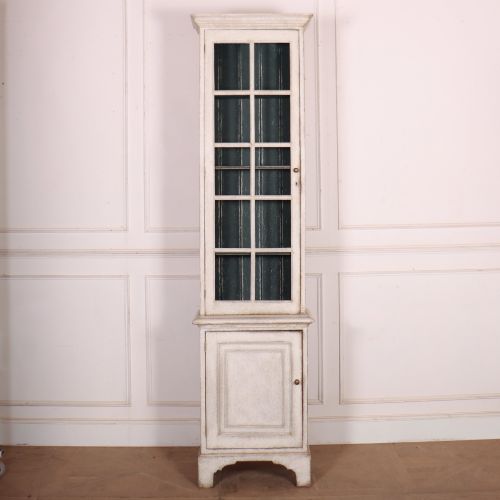
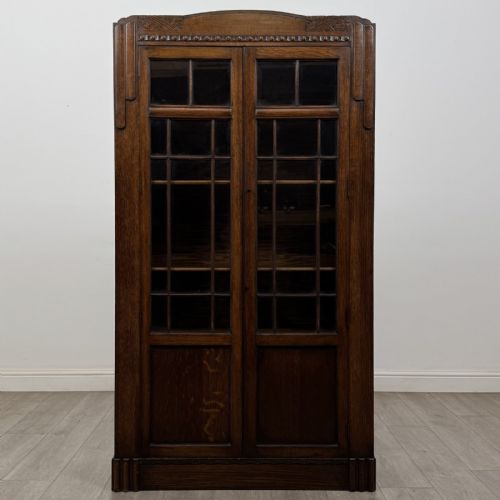
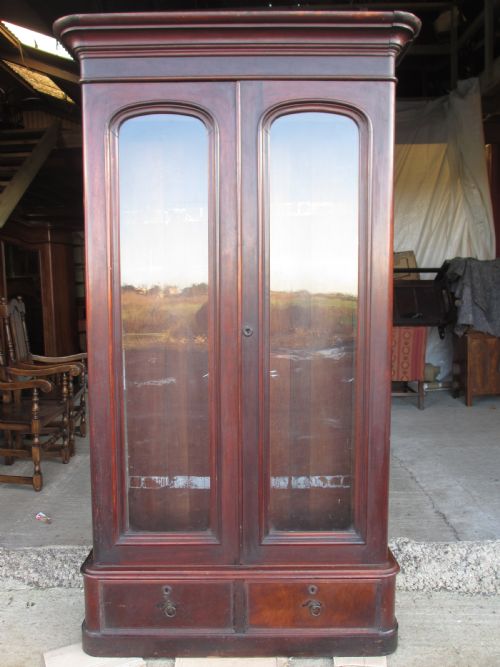
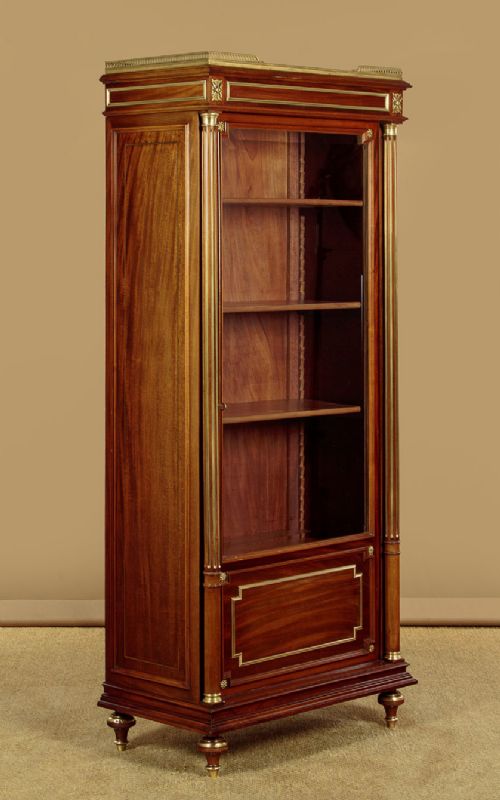
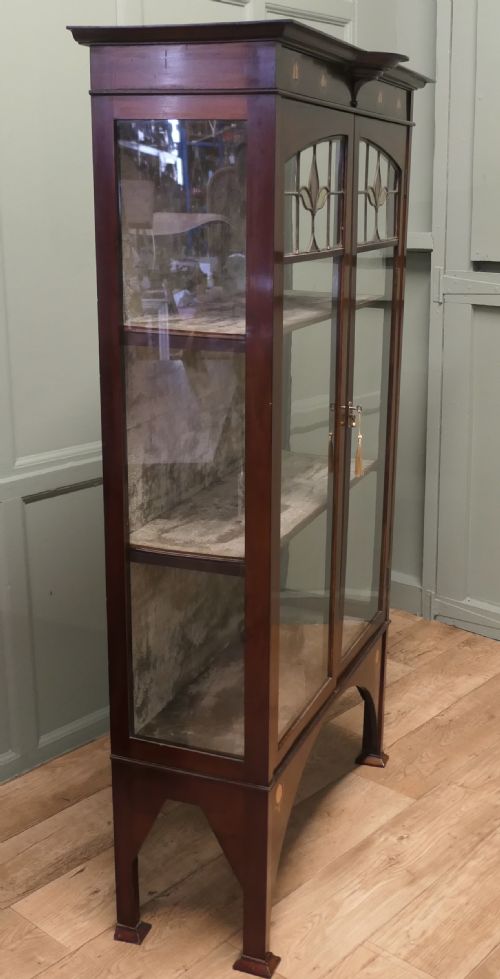
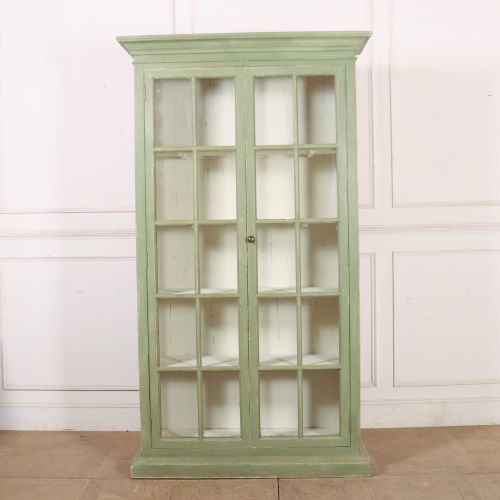
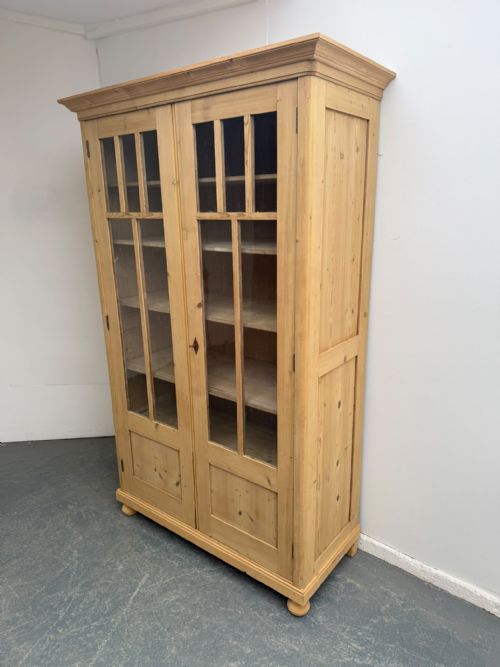
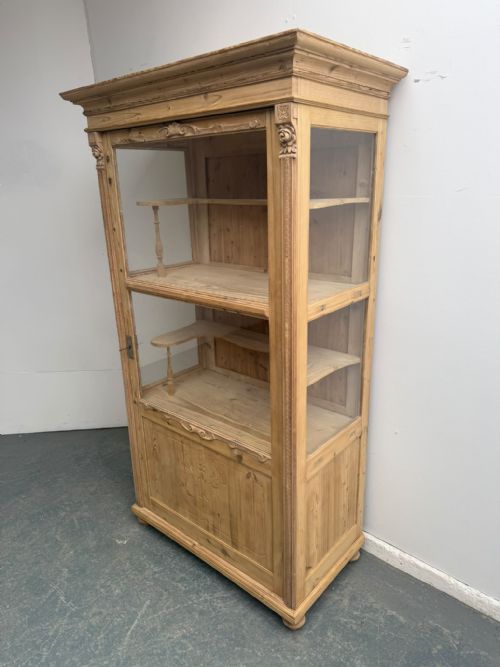
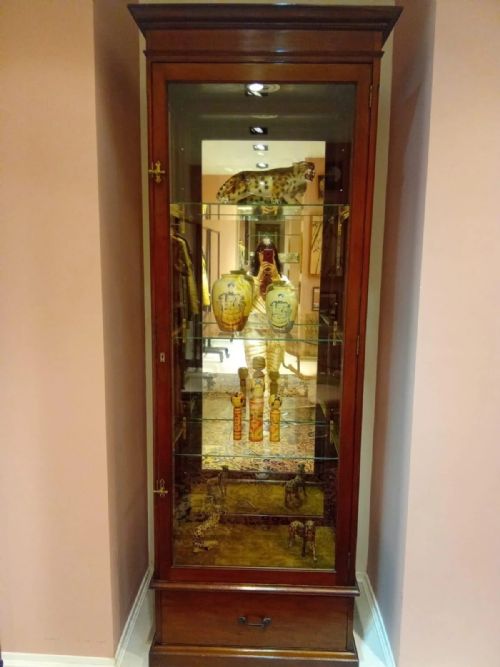
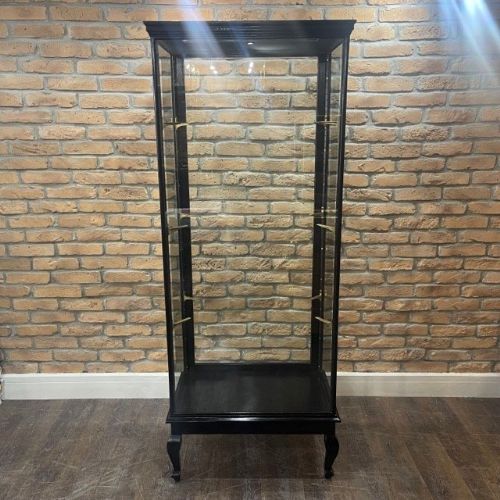
A tall glass vitrine commands the room, holding precious objects behind clear panes.
Tall Glass Vitrine
A tall glass vitrine stands upright to display porcelain, silver, and curiosities at eye level. Buyers searching this phrase encounter tall freestanding cabinets, shop display cases, and narrow tower units designed to maximise visibility while protecting contents from dust.
The pieces on this page span the Victorian and Edwardian eras through to the 1920s and 1930s, alongside nineteenth-century examples and twentieth-century workshop pieces. Mahogany dominates the selection, appearing in Edwardian display cabinets, tall narrow pedestals, and bow-fronted shop fittings.
Domestic display cabinets and glazed bookcases sit alongside commercial jewellers' cases and industrial steel frames. Edwardian satinwood crossbanding and Victorian walnut marquetry provide decorative refinement within domestic interiors.
How they were made
Cabinetmakers constructed these frames using solid timber carcasses overlaid with mahogany, walnut, or satinwood veneers. Brass hardware, adjustable glass shelves, and internal fabric linings support the glazed doors and display tiers.
Commercial and domestic workshops utilised ebonised wood, painted finishes, and bleached walnut alongside traditional joinery techniques. Steel and leather feature in later twentieth-century interpretations, while pine provides a simpler structural core for waxed or painted surfaces.
Tall Glass Vitrine Retail Price Guide 2026
Typical asking prices for tall glass vitrine among the pieces listed under this phrase on Sellingantiques today, from the lower quarter to the upper quarter. They describe what is for sale here now, not the wider market.
E. Pollard & Co. Ltd. built shop vitrines sturdy enough to survive a century of eager shoppers.
What varies in quality
The refinement of the timber preparation and the subtlety of decorative inlay distinguish finer pieces from utilitarian counterparts. Crossbanding, marquetry, and polished brass fixtures elevate domestic cabinets above standard commercial shop fittings.
Structural proportion and the clarity of the original glass panes determine the integrity of the piece. Untouched surfaces and patinated finishes carry more weight than heavy restoration or replaced glazing.
E. Pollard & Co. Ltd.
The Tall Glass Vitrine Glossary
- Vitrine
- A glass-fronted cabinet designed specifically for the display of fine objects and curiosities. These pieces rely on extensive glazing to let light reach the objects inside from multiple angles.
- Crossbanding
- A decorative border technique where veneer strips are laid perpendicularly to the surrounding grain. This adds a neat framing line to cabinet doors and drawer fronts.
- Marquetry
- The art of forming decorative patterns using fitted pieces of wood veneer and other materials. Victorian pier cabinets frequently employ this technique on their primary display surfaces.
- Bijouterie cabinet
- A shallow glazed display case raised on slender legs, traditionally used for jewellery and small ornaments. The top and sides are glazed to provide an overhead view of the contents.
- Pier cabinet
- A tall, narrow cabinet designed to stand against the wall space between windows. These pieces make efficient use of restricted floor space while offering vertical display height.
Tall Glass Vitrine: Frequently Asked Questions
What is a tall glass vitrine used for?
These tall cabinets serve to exhibit collections of ceramics, glassware, silver, and books while keeping dust at bay. They elevate small items to eye level within domestic rooms and retail spaces alike.
Commercial examples were originally built for jewellers and shopkeepers to showcase goods securely to customers. Domestic variants brought this elevated display style into the drawing room and parlour.
How do I date a tall glass vitrine?
Dating relies on timber choices, construction methods, and prevailing decorative styles across the nineteenth and twentieth centuries. Victorian and Edwardian pieces often feature solid mahogany or walnut carcasses with intricate stringing or inlay.
Later pieces from the nineteen-twenties and thirties introduce ebonised finishes, steel frames, and cleaner geometric lines. Shop display cabinets from this later era also tend to use sturdier commercial hardware and adjustable shelving supports.
Where should I place a tall vitrine?
Tall cabinets require adequate floor space and careful positioning away from direct sunlight to protect delicate interior fabrics and contents. Their vertical height makes them ideal for narrow wall expanses or corners.
Placing the cabinet near a natural light source helps illuminate the glass panes and internal shelves. Corner cabinets and narrow tower units fit snugly into smaller rooms without dominating the floor plan.
Are shop display cabinets suitable for the home?
Commercial shop cases bring an industrial edge and exceptional glass visibility to modern domestic interiors. Their robust construction and adjustable shelving make them practical for everyday collections.
These taller freestanding units create a striking contrast against traditional furniture. They offer deep display capacity while maintaining a light, transparent profile in the room.