

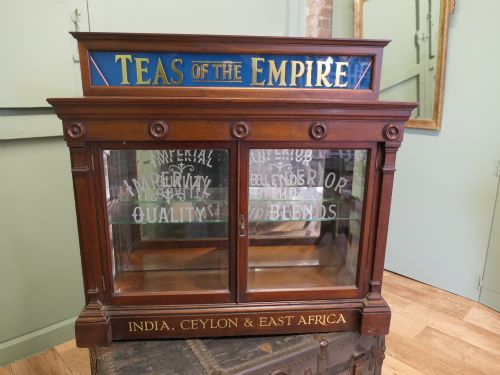
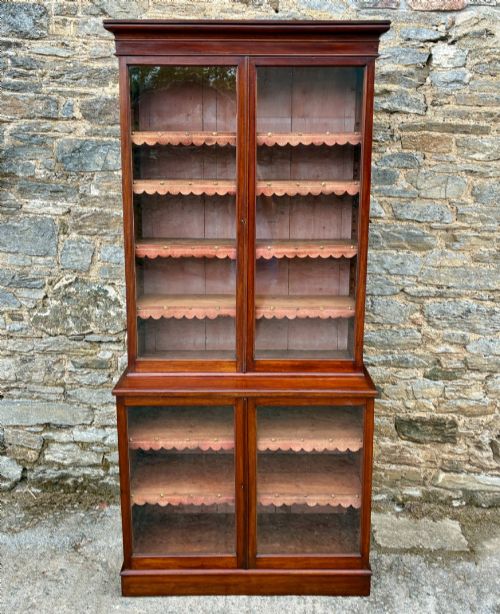
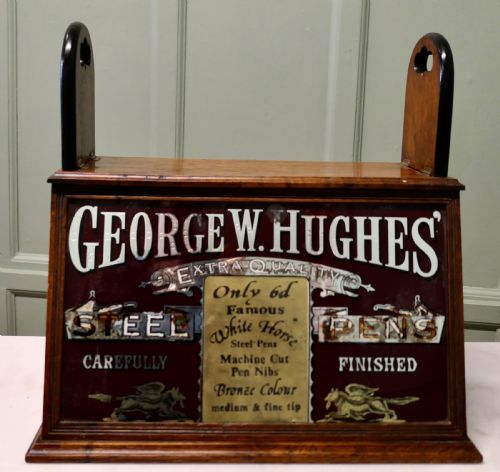
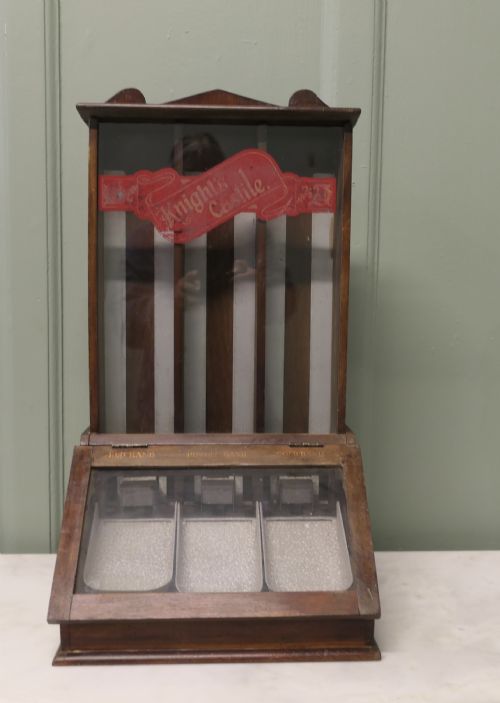

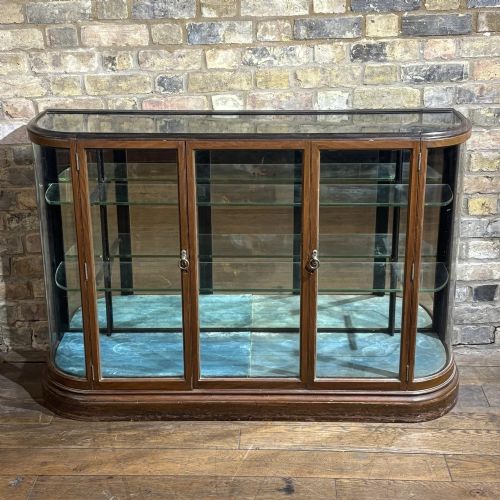
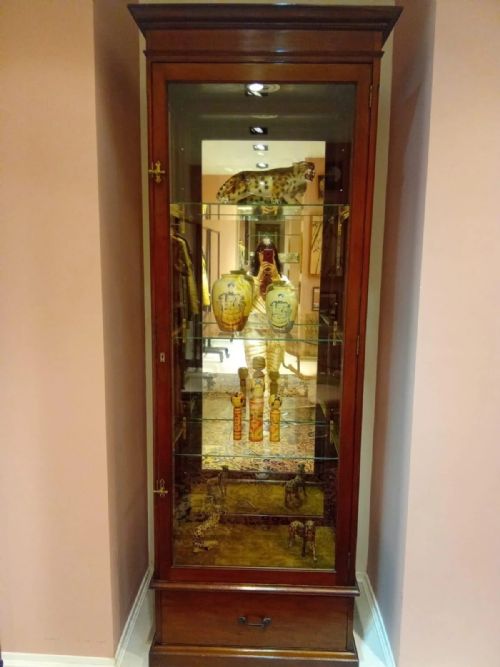
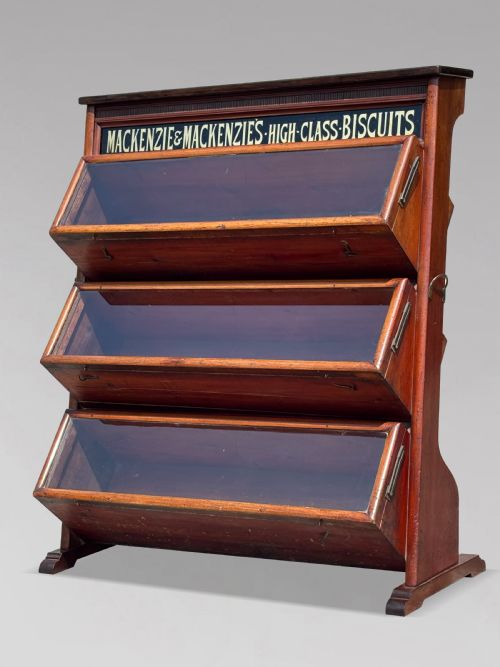


Mahogany Shop Display Cabinet
A mahogany shop display cabinet brings commercial heritage into a domestic interior, offering glazed visibility for collections.
Mahogany Shop Display Cabinet
A mahogany shop display cabinet serves as a focal point for displaying objects, originating from retail premises during the Victorian and Edwardian eras. These items range from large freestanding architectural fittings and counter units to compact tabletop cases designed to merchandise confectionery, haberdashery, and pharmaceuticals.
The versions most commonly encountered on this page date from the late nineteenth century through to the 1920s, reflecting commercial expansion and specialised retail display. Buyers typically select these fixtures to house small collections safely while adding period character to a room.
The selection includes specialised forms such as haberdashery cabinets with banks of drawers, pharmacy counters, and glazed wall or freestanding display cases. Each type retains the specific functional adaptations required by nineteenth and early twentieth century shopkeepers.
Materials and Construction
Makers utilised solid mahogany and hardwood frameworks to support extensive expanses of plate glass, ensuring maximum visibility for retail merchandise. Brass fittings, including hinges, shelf supports, and lock escutchets, provide structural reinforcement and mechanical operation.
Interiors frequently incorporate mirrored glass panels to amplify light and reflect the stored contents, alongside adjustable glass shelves supported by brass brackets. Base sections often integrate fabric linings or timber drawers constructed with traditional joinery methods.
Mahogany Shop Display Cabinet Retail Price Guide 2026
Typical asking prices for mahogany shop display cabinet among the pieces listed under this phrase on Sellingantiques today, from the lower quarter to the upper quarter. They describe what is for sale here now, not the wider market.
Several cabinets retain hand sign-written advertising for chocolate, tobacco, and watchmakers from their active retail days.
Distinctions in Standard
Quality varies according to the scale of the timber framing, the clarity and thickness of the original glass, and the sophistication of the hardware. Pieces commissioned from prominent commercial shopfitters exhibit superior internal joinery, heavier plate glass, and more refined decorative mouldings.
The presence of original maker plaques, specialised retail branding, or hand sign-written advertising panels elevates the historical interest of a piece. Structural integrity relies upon the retention of original glazed doors, working brass locks, and uncompromised hardwood frames.
F. Sage And Co·E. Pollard And Co Ltd·John Stow Ltd·John Sharpe
The Mahogany Shop Display Cabinet Glossary
- Vitrine
- A glass-fronted display cabinet designed specifically for the exhibition of fine objects and curiosities. The term derives from the French word for glass.
- Haberdashery cabinet
- A retail storage unit characterised by multiple shallow drawers, often featuring glass fronts or drop-fronts for sorting small sewing items. These pieces were standard fixtures in textile shops.
- Shopfitting
- The trade and practice of manufacturing interior fixtures, counters, and display cases for commercial retail premises. Specialist firms executed these commissions to corporate specifications.
- Bow front
- A convex curved cabinet front that projects outward from the main body of the furniture. This shape enhances visibility from multiple angles within a room.
- Countertop cabinet
- A small display case designed to sit upon a retail sales counter to encourage impulse purchases. They typically feature rear-access sliding or hinged doors for the attendant.
Mahogany Shop Display Cabinet: Frequently Asked Questions
What were mahogany shop display cabinets originally used for?
These cabinets served as secure, dust-free enclosures for merchandising luxury goods, confectionery, tobacco, and sewing supplies in late nineteenth and early twentieth century retail shops. Shopkeepers positioned them on counters or freestanding on the floor to draw customer attention.
Items such as jewellery, chocolates, and apothecary goods relied on the glass panels and mirrored interiors to maximise visual appeal under gas or early electric lighting.
How do I clean and maintain the glass and wood?
Maintain the mahogany surfaces using traditional beeswax applied sparingly with a soft cloth to nourish the hardwood without building up excessive residue. Avoid modern silicone sprays that can penetrate porous timber.
Clean the glass panels with a mild solution and a lint-free cloth, taking care to avoid moisture seeping into older wooden frames or deteriorating mirror silvering at the edges.
Can I adjust the shelves inside an antique display cabinet?
Many Edwardian and later cabinets feature adjustable glass shelves resting on metal or brass rack supports fixed to the interior sides. Older Victorian iterations often utilise fixed timber or glass ledges.
Inspect the internal uprights to determine whether the brackets allow for vertical repositioning before attempting to alter shelf heights.
How can I distinguish an Edwardian cabinet from a Victorian one?
Victorian cabinets, produced roughly from the mid-nineteenth century onward, generally exhibit heavier timber proportions, deeper mouldings, and darker mahogany tones. They often reflect robust construction suited to heavy commercial trade. v Edwardian pieces, dating from the early twentieth century, typically display lighter framing, more restrained decoration, and simpler lines influenced by changing commercial display aesthetics.