




Glazed Tabletop Display
Glazed tabletop display pieces are compact cabinets designed to showcase small treasures on a counter or desk, bringing period charm and glass-front visibility to your home.
Glazed Tabletop Display
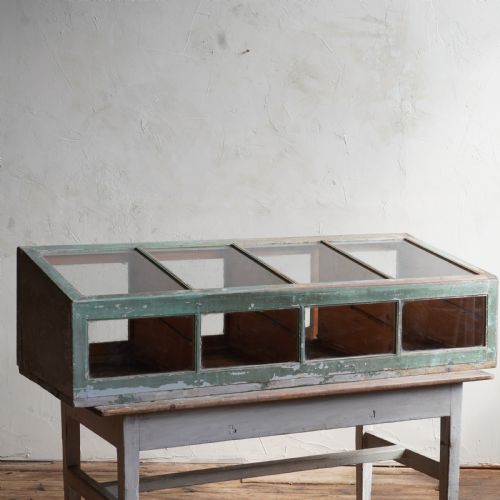
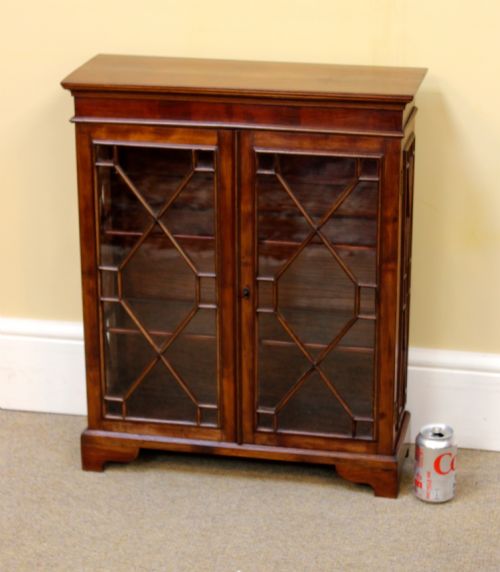
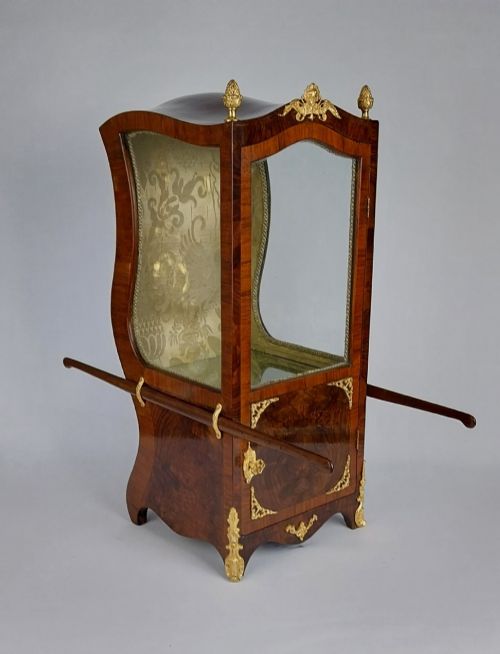
A glazed tabletop display brings together compact storage and glass protection, often taking the form of a countertop display cabinet, vitrine, or miniature cabinet. You will frequently encounter Edwardian and Victorian examples, alongside pieces from the 1920s and 1930s designed for commercial or domestic settings.
The selection ranges from small shop display counters and apothecary cases to collector cabinets with multiple drawers and domestic smoking cabinets. These pieces utilise glass panels and wooden frames to present items clearly while keeping them safe from dust.
Origins vary across English, French, and Dutch workshops, with occasional specialised pieces such as specimen cabinets or chocolate confectionary display units. Buyers look to these items for practical tabletop storage that doubles as a decorative focal point.
Materials and construction
Cabinet makers utilised a variety of timbers including mahogany, oak, burr walnut, satinwood, pine, and hardwood to build the structural frames. Glass was fitted into doors and panels to allow light inside, whilst brass hardware such as hinges and handles provided functional accents.
Surfaces received different finishes depending on the period and utility, ranging from ebonised treatments and distressed paint to polished hardwood grains. Interiors occasionally incorporated fabric linings, such as black velvet, to cushion displayed items.
Some commercial cabinets bear the ghost of Fry's Chocolate or Terry's of York, having once tempted sweet-toothed Edwardian shoppers.
Assessing quality and craftsmanship
Quality reveals itself in the selection of timber and the precision of the joinery used to construct the frame. Finer examples combine desirable woods like burr walnut or satinwood with well-fitted glass panels and substantial brass mounts.
The presence of original details, such as period hardware or authentic maker signage, elevates a piece. Superior cabinets balance structural robustness with refined proportions, ensuring the glazing and doors operate smoothly.
Terry’s of York·Cadbury's Cocoa
The Glazed Tabletop Display Glossary
- Vitrine
- A glass-fronted cabinet designed for displaying fine objects or curiosities. These pieces often feature glazed sides to maximise light penetration.
- Countertop display cabinet
- A commercial shop case built to sit on a sales counter for customer viewing. They frequently date from the Edwardian period or the 1920s.
- Specimen cabinet
- A specialist storage unit containing multiple small drawers intended for natural history collections or medals. They prioritize internal organisation over large viewing windows.
- Ebonised
- Wood finished with a dark stain or paint to imitate ebony. This technique was popular for achieving a sleek, formal appearance.
- Barley twist
- A decorative turning style resembling a twisted rope, commonly found on furniture supports. It adds texture and visual movement to the silhouette.
Glazed Tabletop Display: Frequently Asked Questions
What were glazed tabletop displays originally used for?
Many of these pieces served commercial purposes on shop counters, holding confectionery, tobacco, or jewellery for customers to inspect. Others functioned in domestic spaces as miniature cabinets or smoker's cabinets to store pipes and small valuables.
Over time, their role shifted toward decorative display within the home, allowing collectors to exhibit small items securely on desks and tables.
How do I date a tabletop display cabinet?
Dating relies on observing the timber choices, construction techniques, and stylistic markers characteristic of specific eras like the Victorian or Edwardian periods. For instance, ebonised finishes and specific commercial lettering often point toward the 1920s.
Examining the hinges, locks, and glass manufacturing methods also helps establish whether a piece originates from the 19th century or the early 20th century.
Where should I place a tabletop display in my home?
These compact cabinets sit well on top of sideboards, desks, or chests of drawers where their glass panels catch the light. Their modest footprint makes them versatile additions to studies, living rooms, or hallways.
Ensure the surface is level and stable, and position the cabinet away from direct, harsh sunlight to protect any items stored inside.