


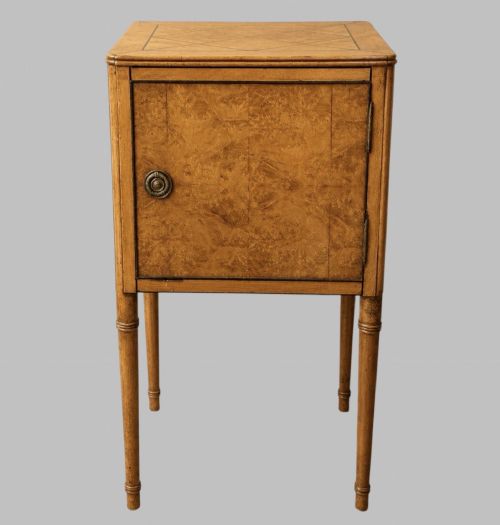
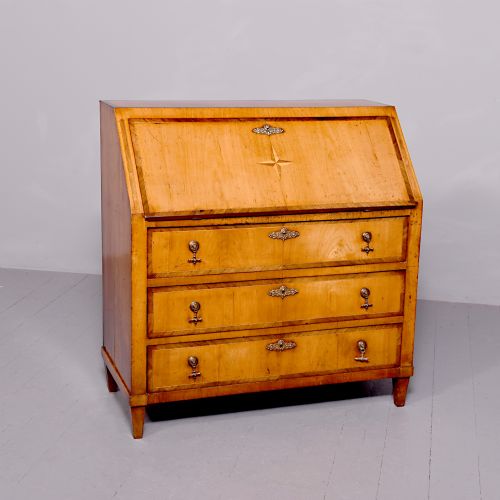
Golden Walnut Cabinet
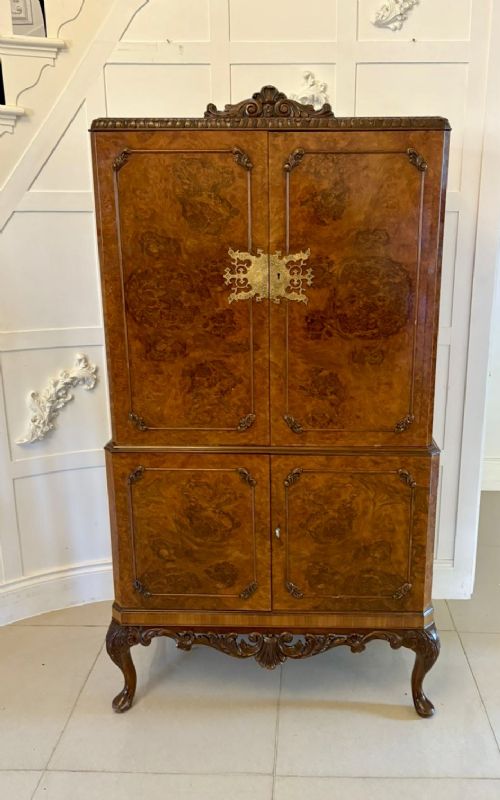
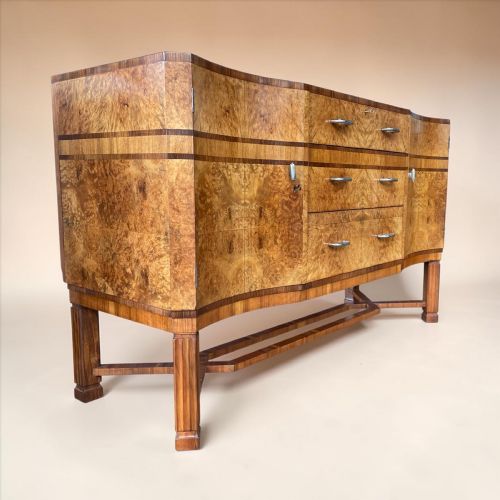
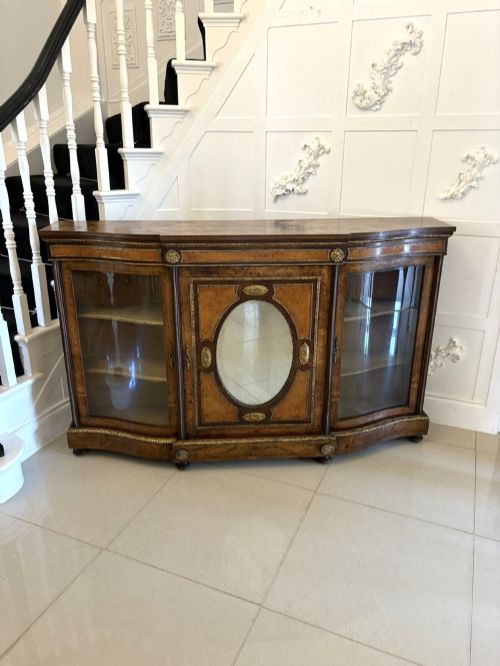
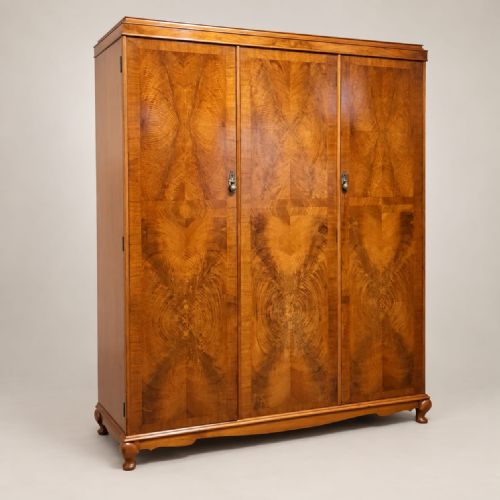
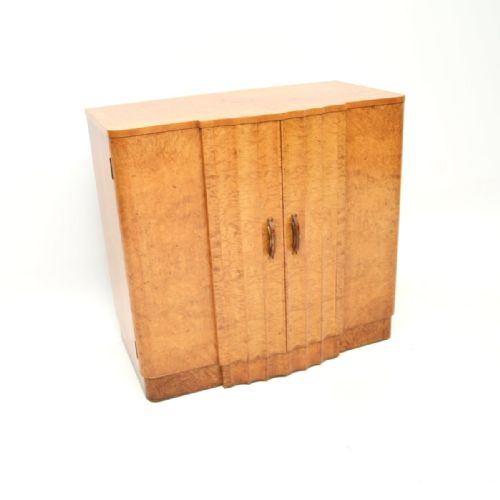
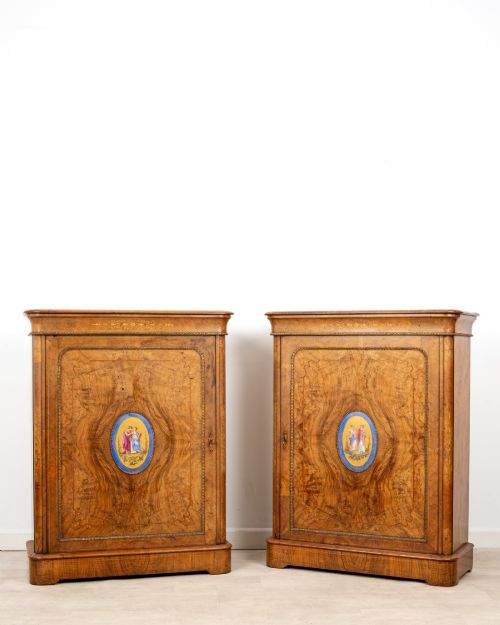
A golden walnut cabinet brings rich grain and warm tone to a room, whether chosen as an Art Deco cocktail piece or a Victorian credenza.
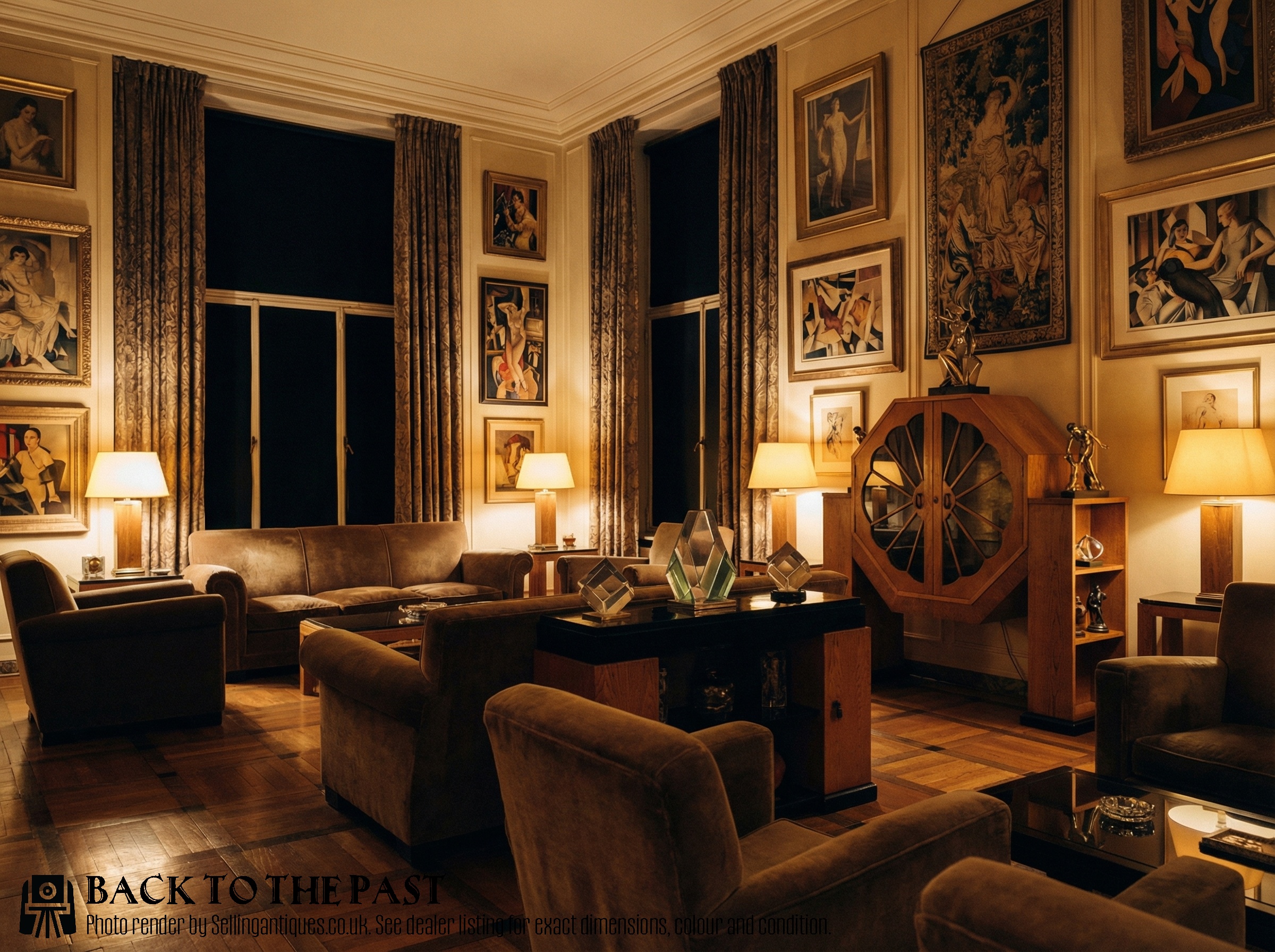
Golden Walnut Cabinet
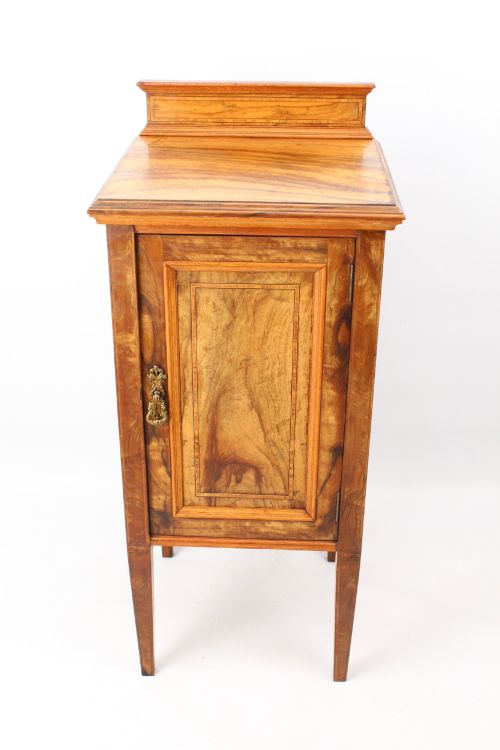
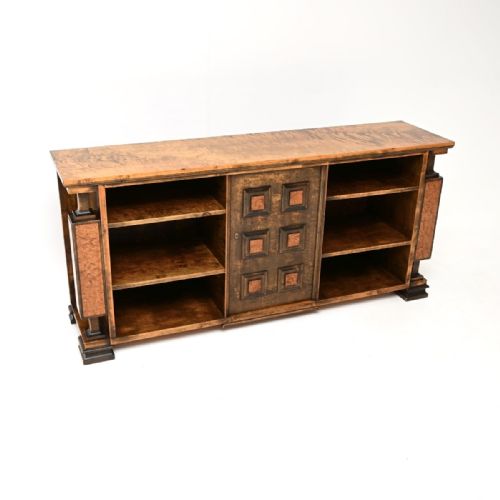
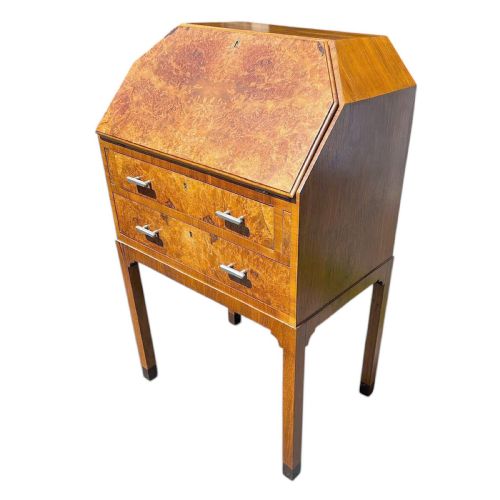
A golden walnut cabinet encompasses storage furniture built across several centuries, including Victorian credenzas, Edwardian bedside cupboards, and 1930s Art Deco cocktail cabinets. The phrase points to pieces finished in lighter, highly figured walnut timber rather than dark heartwood.
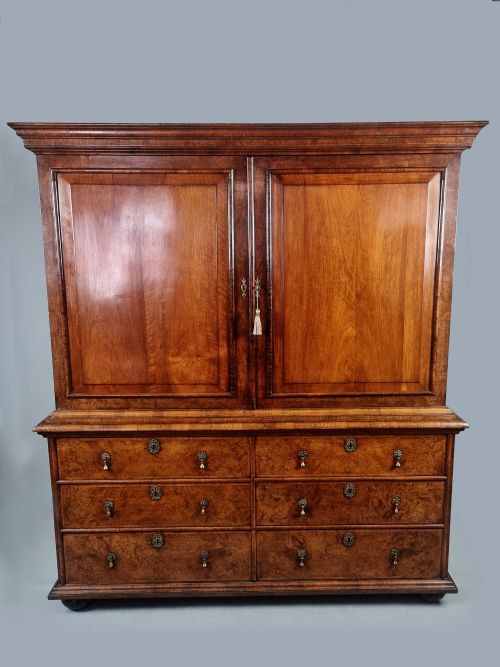
Buyers meet forms ranging from tall display cabinets and compactum wardrobes to low sideboards, bureaus, and pedestal cupboards. The selection spans 17th-century press cupboards up to streamline 1930s designs.
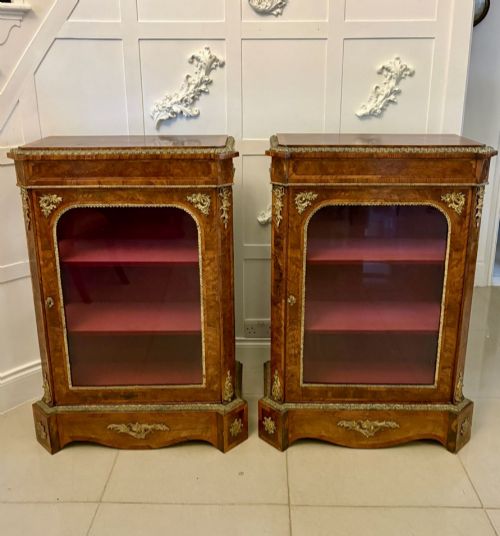
Victorian and nineteenth-century examples often feature glazed doors, porcelain plaques, or ormolu mounts, whilst twentieth-century items lean towards clean geometric lines and dedicated drinks storage.
How they were made
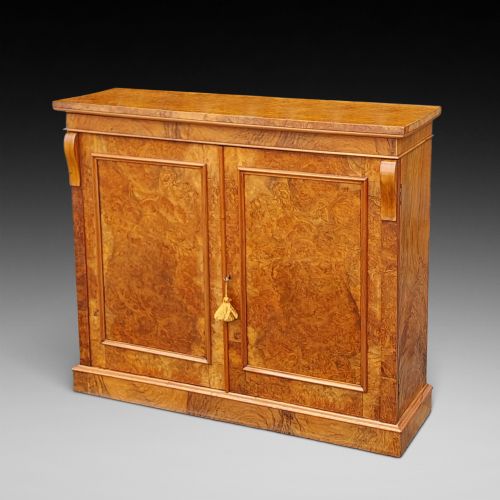
Cabinet makers utilised burr walnut and figured walnut veneers laid over solid secondary woods to create dramatic swirling patterns on flat and curved surfaces. These veneers were carefully matched and balanced across doors and drawer fronts.
Brass, ormolu, and bakelite hardware provided structural mounts and decorative accents, alongside delicate marquetry and rosewood inlays used to frame the primary walnut grain.
Listings span periods from the 17th century through Victorian and Edwardian eras up to 1930s Art Deco.
What varies in quality
The selection and alignment of the walnut veneer dictates the visual impact, with continuous matched grains across multiple panels marking superior craftsmanship. Smooth operation of tambour doors, fitted cocktail interiors, and original mounts distinguish finer examples.
Structural integrity of the underlying carcass and the preservation of the polished finish determine the enduring standard of each piece.
Harry and Lou Epstein·Maple and Co·Walter Carter Harrods
The Golden Walnut Cabinet Glossary
- Burr walnut
- A veneer taken from the growth wart of a walnut tree, prized for its complex swirling grain patterns. It provides the distinctive golden figure seen on high-end cabinets.
- Credenza
- A low cabinet, frequently fitted with glass doors and ormolu mounts, originating in the Victorian period. These pieces often anchor a formal dining room or salon.
- Ormolu
- Gilded bronze mounts applied to the corners, feet, and friezes of nineteenth-century furniture. This decorative technique adds metallic contrast to the timber.
- Compactum
- A multi-functional wardrobe designed to combine hanging space, drawers, and shelving within a single enclosed unit. They appear frequently in twentieth-century designs.
- Pier cabinet
- A narrow display cabinet built to stand against the wall space between windows. Victorian examples often incorporate velvet-lined interiors and glazed doors.
Golden Walnut Cabinet: Frequently Asked Questions
What fits inside an Art Deco cocktail cabinet?
These drinks cabinets typically contain mirrored back panels, pull-out slides for mixing beverages, and specialised glass holders alongside bottle storage.
Lower cupboards often house space for larger glassware and decanters behind drop-down or panelled doors.
How do I care for walnut veneer?
Keep walnut furniture away from direct sunlight and strong heat sources to prevent the timber veneers from drying out or fading over time.
Dust regularly with a dry cloth and apply occasional beeswax polish intended for antique wood surfaces.
How do I date a walnut cabinet?
Examine the construction methods, handles, and overall silhouette to align the piece with periods like Victorian, Edwardian, or Art Deco.
Art Deco items feature geometric veneers and streamlined forms, whereas nineteenth-century pieces often display elaborate ormolu mounts and glazed doors.
Where should I place a credenza?
A credenza suits dining rooms, hallways, or living spaces where low-profile storage is required beneath artwork or mirrors.
The finished top surface also provides a display area for lamps, ceramics, or decorative objects.