



Art Deco Glazed Cupboard
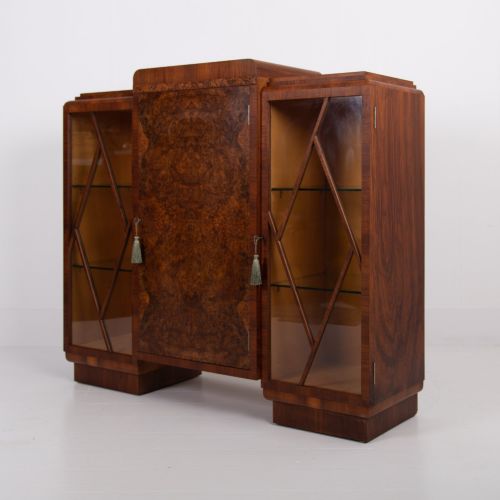
An art deco glazed cupboard brings geometric elegance and practical display space to a room, combining rich timber veneers with clear glass.
Art Deco Glazed Cupboard
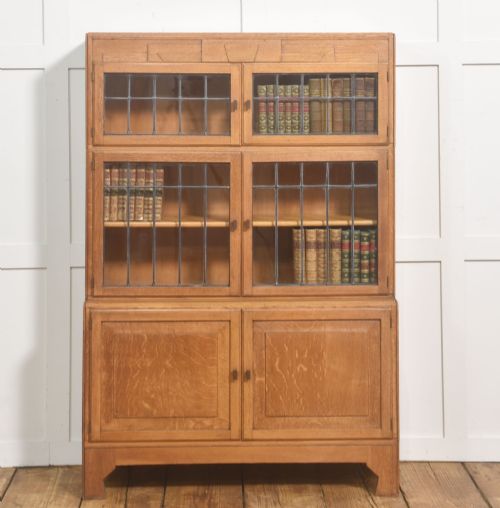
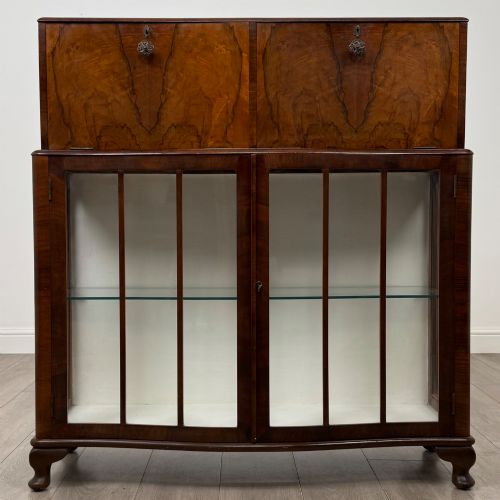
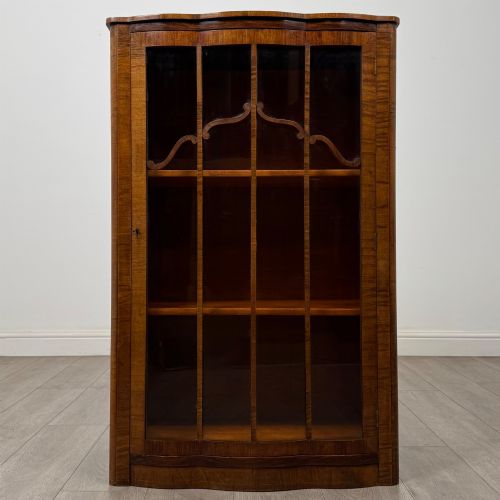
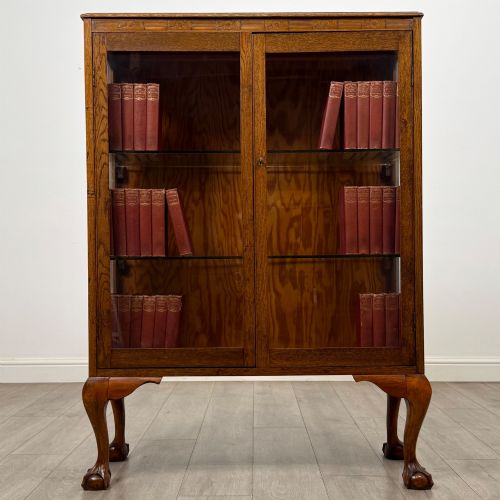
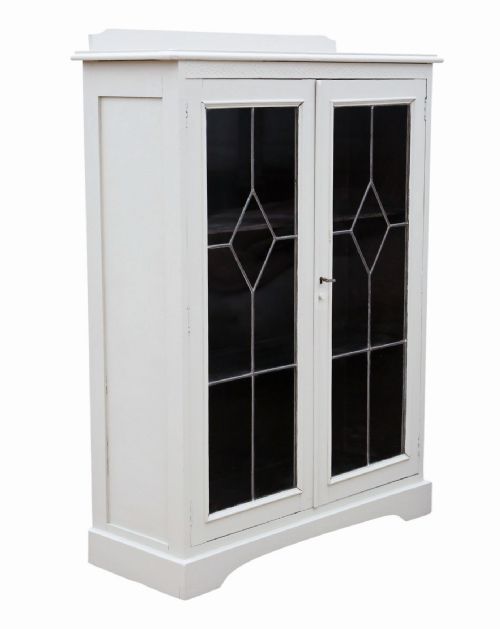
When you search for an art deco glazed cupboard, you find case furniture designed primarily to showcase books and ceramics behind glass doors. These pieces date predominantly from the 1920s and 1930s, though occasional Edwardian examples also appear.
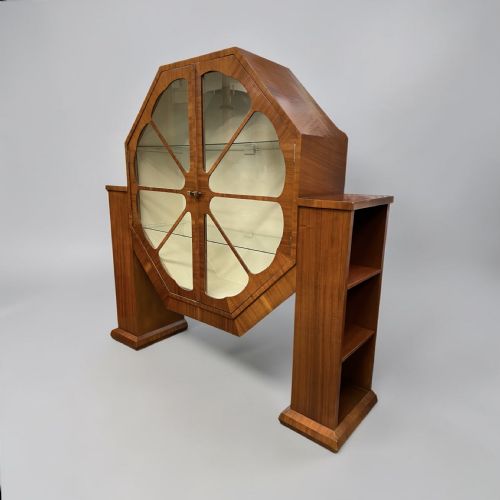
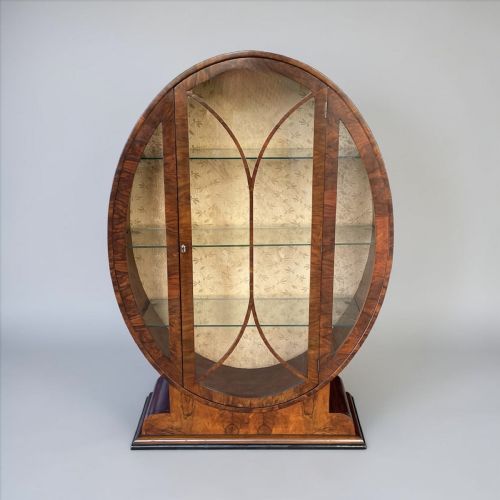
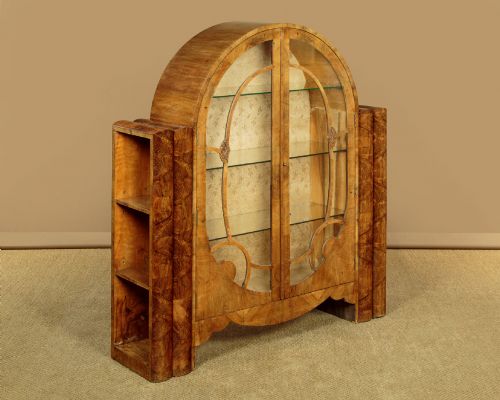
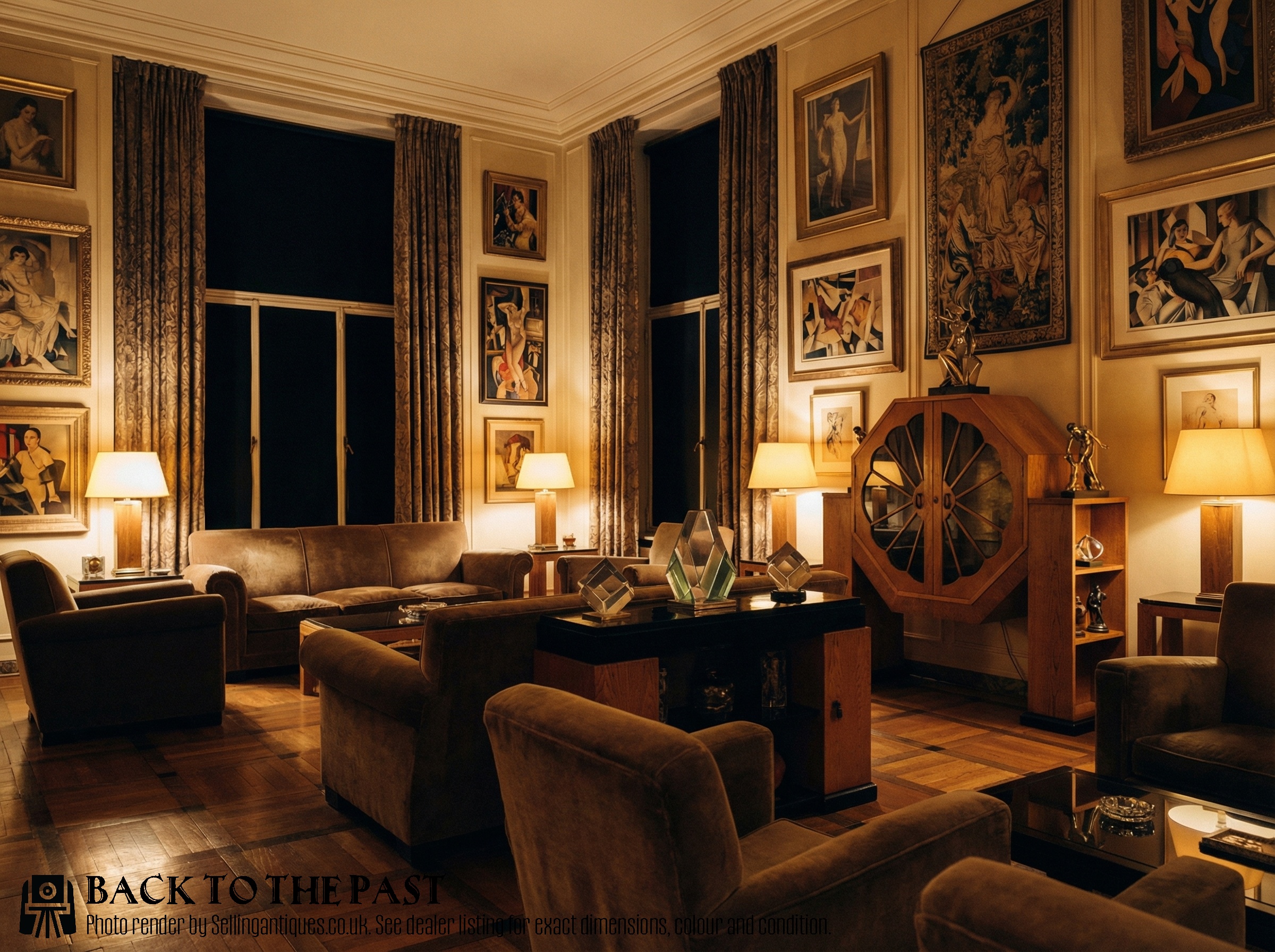
The form varies widely from traditional rectangular bookcases to striking circular, oval, hexagonal, octagonal, and clove-shaped display cabinets. Corner cabinets and tall china cabinets provide versatile options for different room layouts.
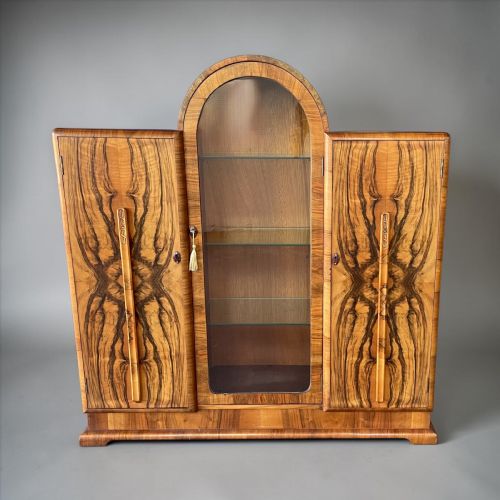
Most examples rely on the warm tones and distinctive grain patterns of walnut, burr walnut, and oak. Combinations with maple, sycamore, and ebonised finishes further define the visual character of the period.
What varies in quality
The distinction between standard production and top-tier pieces lies in the choice of veneers and the complexity of the cabinet shape. Circular, hexagonal, and highly figured burr walnut models demand advanced joinery compared to straightforward rectangular bookcases.
Maker attribution also elevates a piece, with workshops such as Epstein and Sandberg & Co representing high standards of design and execution. The integration of specialty materials like brass mounts and hand-painted details further separates exceptional examples from ordinary ones.
One unusual oak bookcase proudly carries hand sign-written details commissioned for the British Broadcasting Company.
Rurka·Epstein·Sandberg & Co
The Art Deco Glazed Cupboard Glossary
- Burr walnut
- A prized timber veneer showing swirling, knotty grain patterns formed from tree growths. It provides rich decorative movement on cabinet doors and panels.
- Leaded glass
- Small panes of glass held together by strips of lead cames. This technique appears frequently in earlier twentieth-century bookcases.
- Circular cabinet
- A cylindrical display unit featuring curved glass and matching curved wooden doors. These showcase advanced woodworking techniques from the 1930s.
- Veneer
- A thin layer of choice hardwood applied to a stable secondary wood base. This method allows makers to display striking grain figures efficiently.
- Ebonised
- Wood finished with a dark stain or paint to imitate ebony. It provides a sharp contrast against brass mounts and lighter timber veneers.
Art Deco Glazed Cupboard: Frequently Asked Questions
Where should I place a circular display cabinet?
A circular display cabinet works best where its curved glass and figured walnut grain can be viewed from multiple angles. Corners and open spaces suit these sculptural forms well.
Avoid placing them in cramped hallways where the protruding shape interrupts movement through the room.
How do I care for walnut veneer?
Dust walnut surfaces regularly with a soft, dry cloth to prevent micro-scratches on the polished finish. Keep the timber away from direct sunlight and strong heat sources.
Apply a quality beeswax occasionally to nourish the wood and maintain its natural lustre.
What is the difference between a bookcase and a display cabinet?
Bookcases generally feature open shelving or wooden doors designed primarily for storing books. Display cabinets incorporate glazed doors meant to protect and exhibit china, glass, or collections.
Many period examples combine both functions with upper glass sections and lower enclosed cupboards.
How can I tell a 1920s piece from a 1930s one?
Pieces from the 1920s often retain heavier Edwardian influences, including leaded glass and traditional oak construction. They may also show early transitional styles like Swedish Grace.
By the 1930s, designs embraced bolder geometric shapes, unusual silhouettes like octagons and ovals, and dramatic burr walnut veneers.