


Art Deco Book Cabinet
An art deco book cabinet brings geometric lines and rich veneers into a room, offering both display space and practical storage.
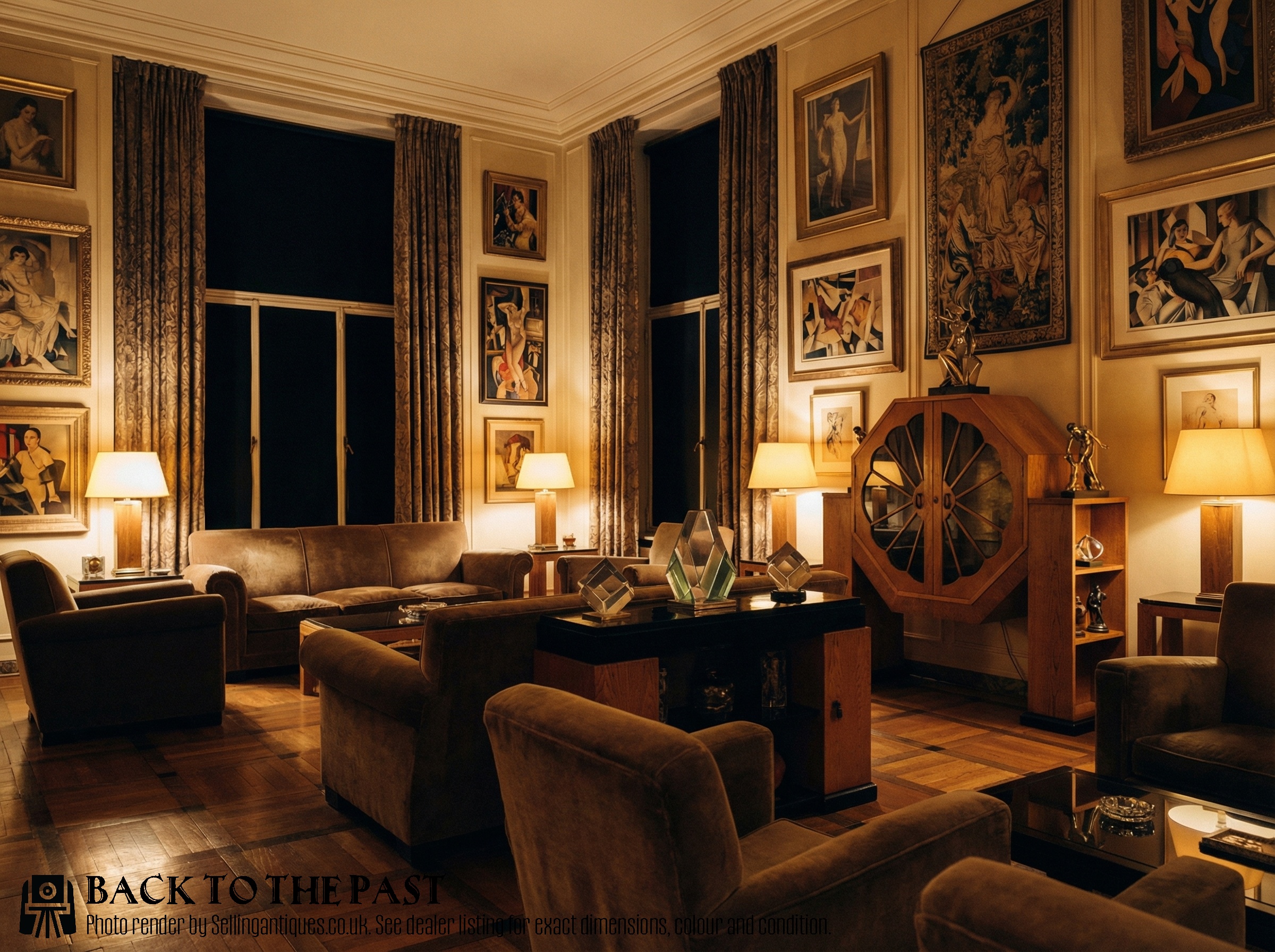
Art Deco Book Cabinet
An art deco book cabinet combines the storage requirements of a traditional library with the distinct aesthetic of the interwar years. These items frequently merge open shelving with enclosed glass display sections, creating versatile storage for volumes and decorative objects alike.
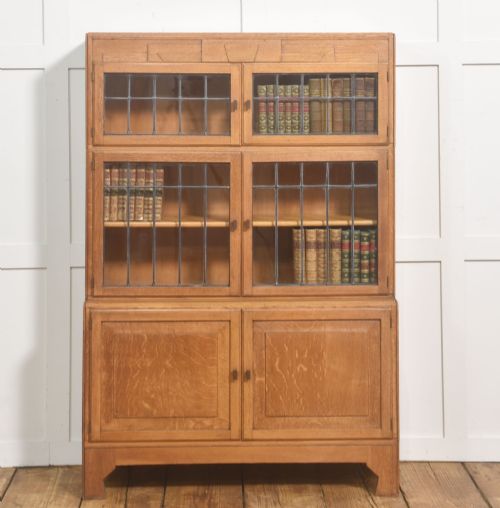
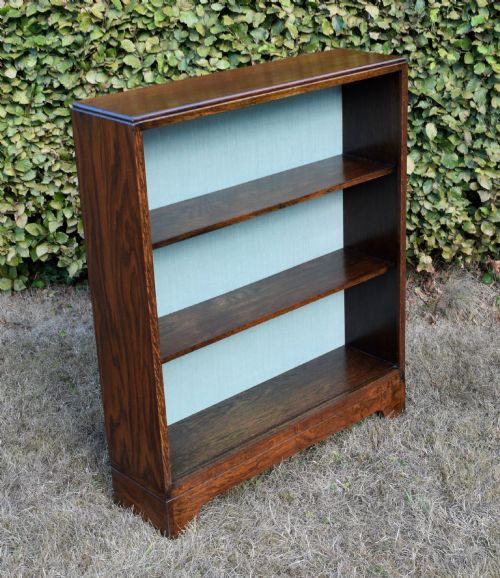
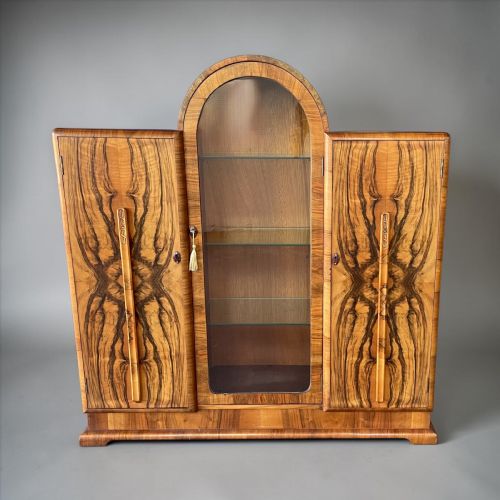
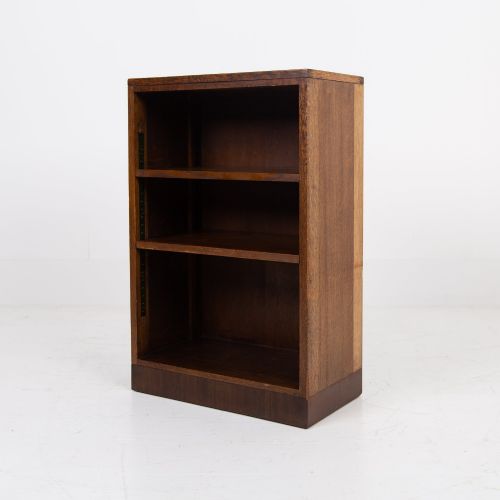
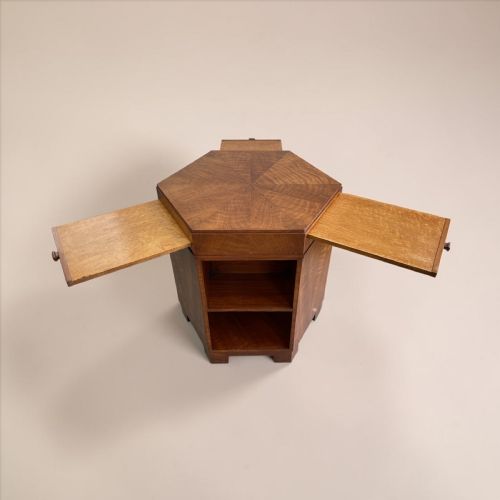
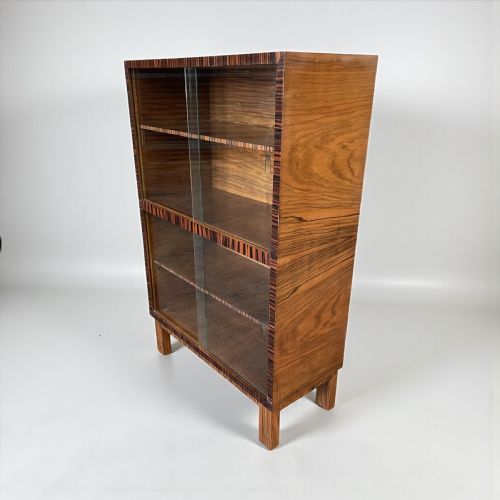
The pieces seen here range from straightforward oak shelving units to elaborate glazed cabinets veneered in burr walnut or figured walnut. Alongside dedicated bookcases, the archive shows hybrid forms that function simultaneously as display cabinets and bureau or cocktail storage.
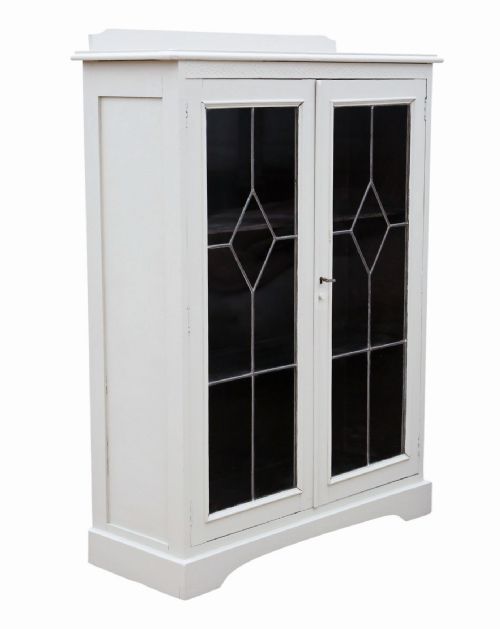
Most examples date from the 1920s and 1930s, though influences stretch from Edwardian forms into the height of the Art Deco period. Buyers regularly encounter oak and walnut constructions shaped with curved glass doors, leaded panes, or sectional layouts.
What varies in quality
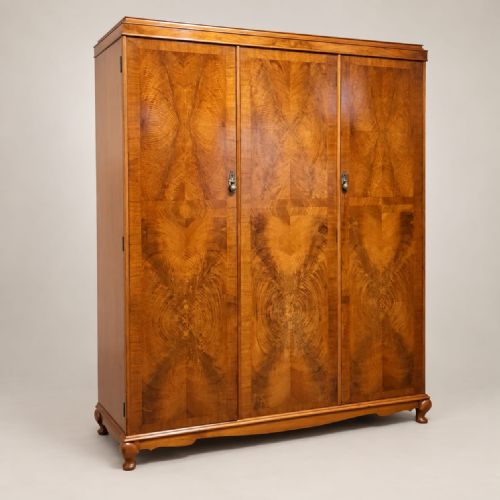
Quality rests significantly on the choice of timber and the dexterity of the veneering, where symmetrical grain matching on burr walnut or figured walnut distinguishes finer workshops from standard production. The execution of curved woodwork and shaped glass doors also separates high-end examples from simpler utility pieces.
Construction methods dictate longevity, evident in the rigidity of sectional bookcase frames and the precise fitting of drawers, drop-down bureau desks, and hinged cabinet doors. Maker attribution further influences standing, with documented pieces by workshops like Epstein or Betty Joel reflecting distinct standards of design and execution.
Recorded periods span the Edwardian era through the 1920s and 1930s Art Deco movement.
Betty Joel·Epstein
The Art Deco Book Cabinet Glossary
- Burr walnut
- A prized timber harvested from walnut tree growths, displaying intricate, swirling grain patterns. It was frequently utilised for decorative veneer on cabinet doors.
- Leaded glass
- Small panes of glass held together by strips of lead cames. This technique is often found in cabinet doors from the period.
- Sectional bookcase
- A modular shelving unit built in stackable tiers. This design allowed libraries to expand vertically as book collections grew.
- Bureau cabinet
- A hybrid form combining a slanted writing desk with enclosed shelving or display space. It provides compact workspace alongside book storage.
- Birdseye maple
- A light hardwood marked by small, swirling dots that resemble bird's eyes. It served as a pale, decorative alternative to darker veneers.
Art Deco Book Cabinet: Frequently Asked Questions
How do I date an art deco book cabinet?
Dating relies on stylistic markers, construction techniques, and materials recorded across the 1920s and 1930s periods. Pieces from the twenties often retain heavier Edwardian proportions, whereas items from around 1930 lean into streamlined curves and figured veneers.
Makers' stamps, labels, or specific regional styles like the Hague School provide further chronological clues. Examining the hardware, such as brass fittings and glass types, helps confirm the era of manufacture.
Where were these cabinets made?
Many examples originate from British workshops and factories operating during the interwar decades. English makers produced a large proportion of the walnut and oak cabinets found in the archive.
Continental influences also surface, particularly through design movements originating in Europe. These international styles filtered into domestic production via specialised cabinet makers.
Can I store things other than books?
These cabinets frequently double as display cases for ceramics, glassware, and decorative objects. Hybrid forms incorporate drawers, drop-down desks, or cocktail compartments for varied utility.
Shelving layouts often mix open display with enclosed storage behind wooden or glass doors. This versatility allows owners to curate collections alongside everyday items.
How do I care for walnut veneer?
Walnut veneer requires protection from direct sunlight and excessive moisture to prevent fading and warping. Regular dusting with a soft, dry cloth preserves the polished surface.
Occasional application of appropriate wax feeding maintains the rich grain patterns on burr and figured walnut. Avoiding rapid temperature changes keeps the underlying timber stable.