

1930s Glazed Cabinet
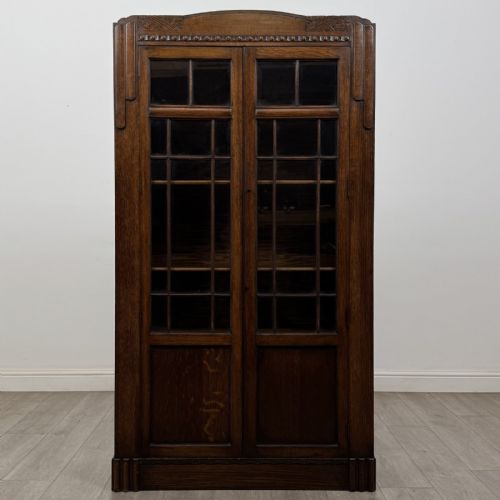
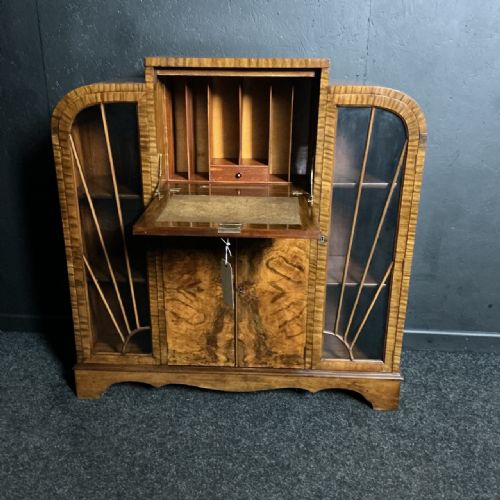
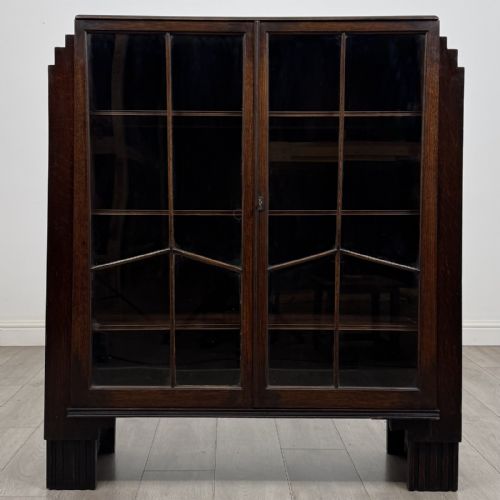
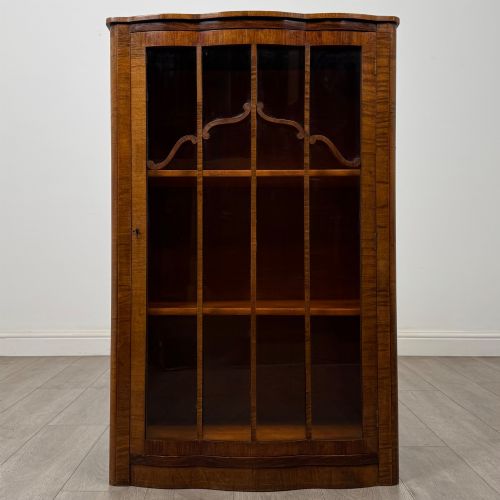
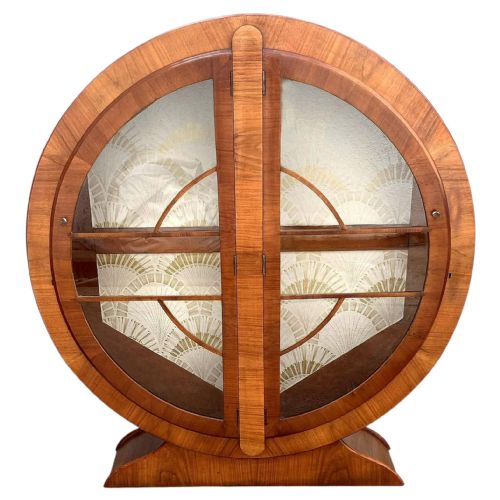
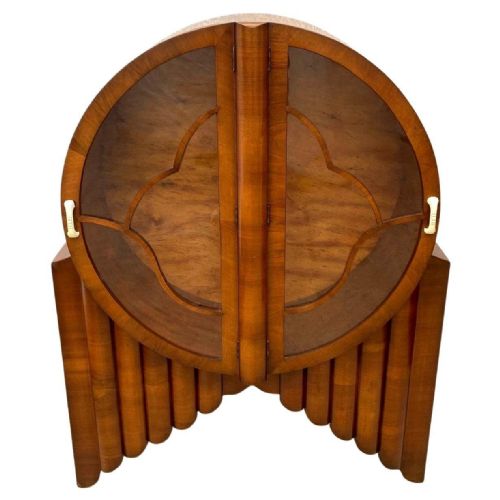
These 1930s glazed cabinets bring architectural restraint and figured timber to any room, offering both display space and clean display lines.
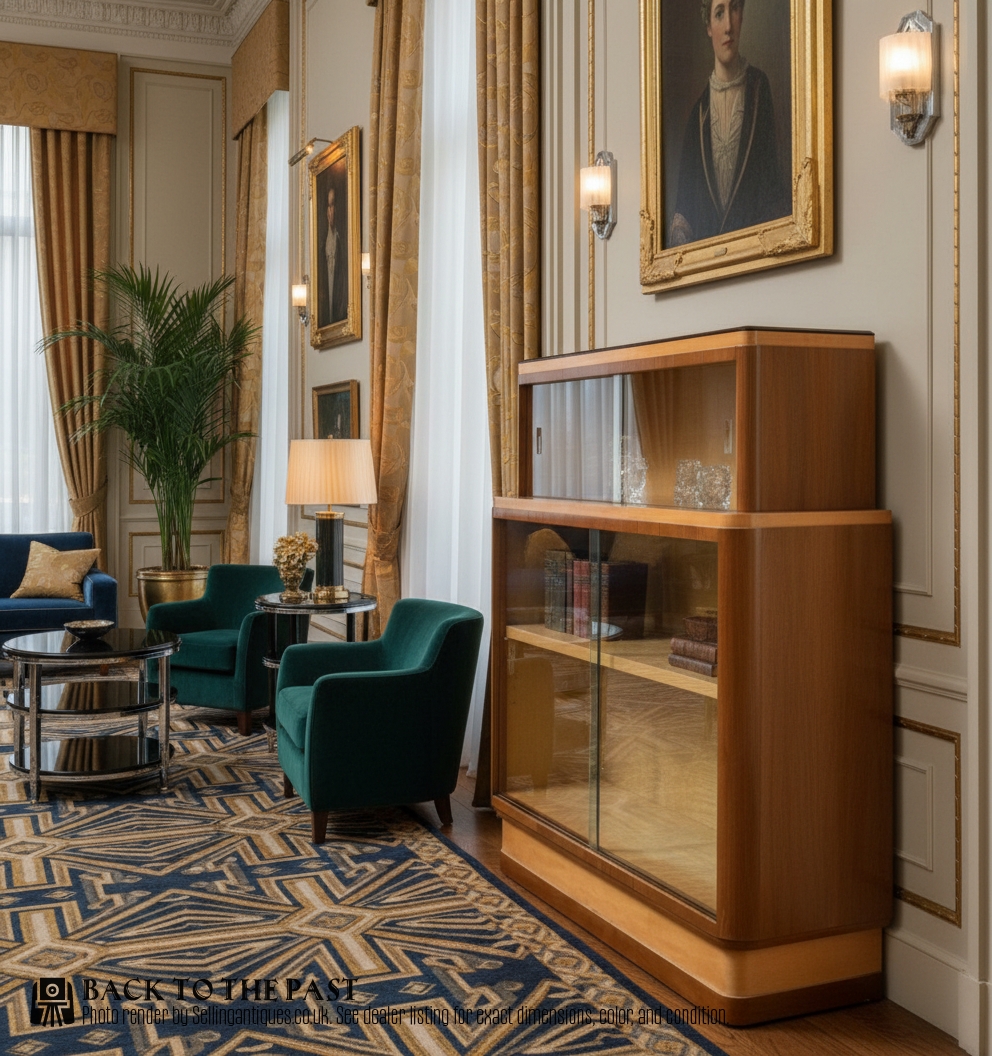
1930s Glazed Cabinet
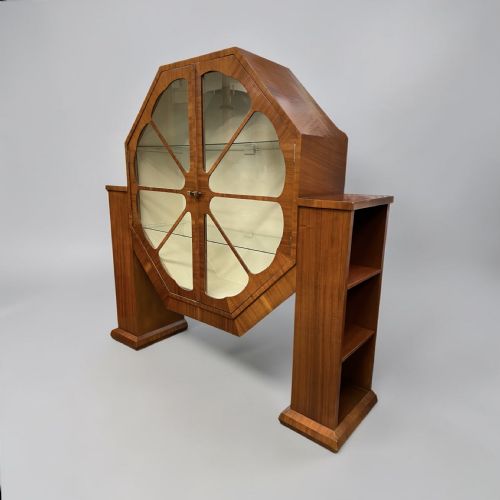
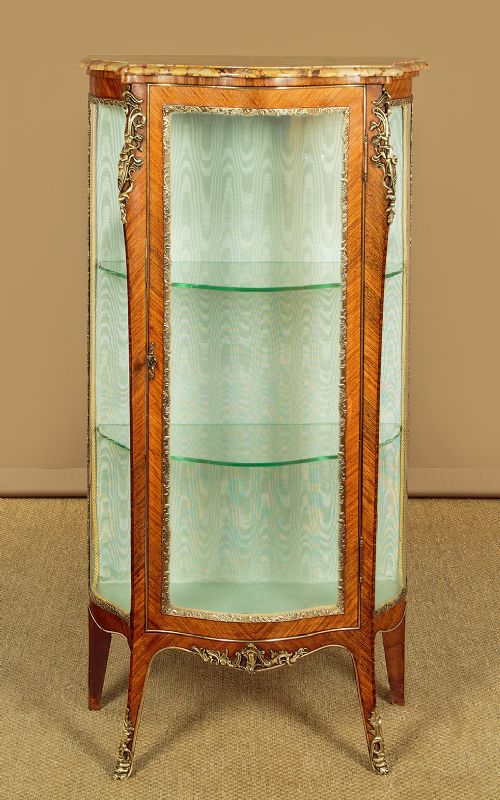
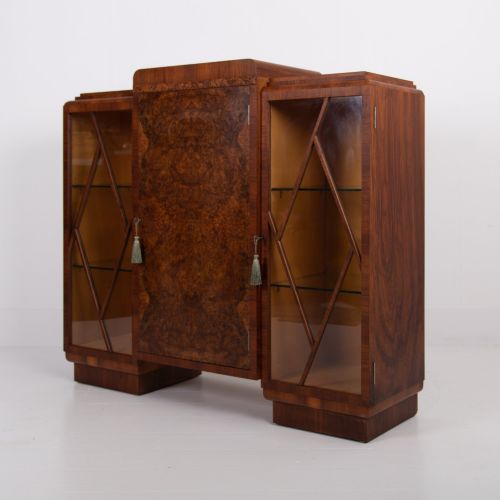
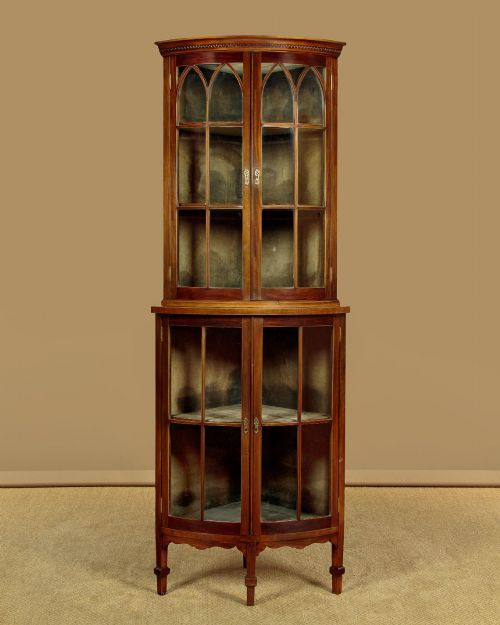
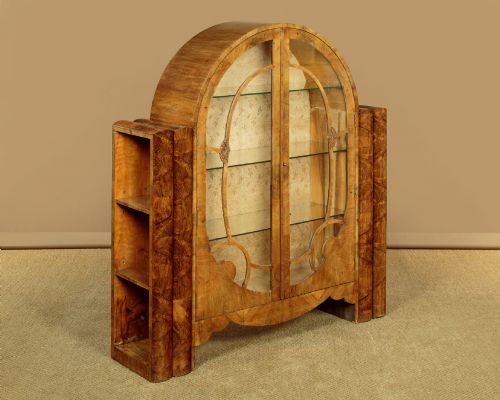
A 1930s glazed cabinet combines clear glass viewing areas with generous interior storage, designed to keep prized possessions visible yet protected. These pieces frequently appear in distinct Art Deco forms, showcasing the geometric discipline characteristic of the period.
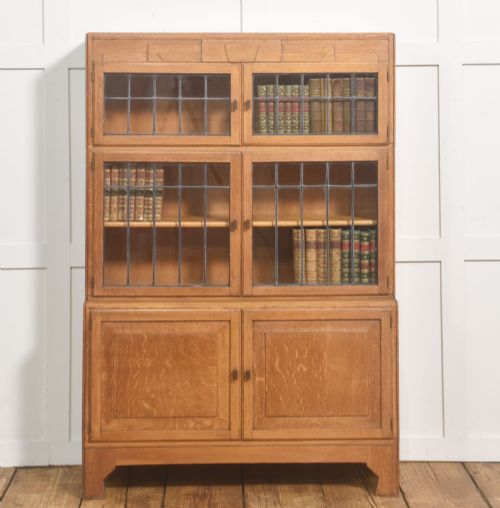
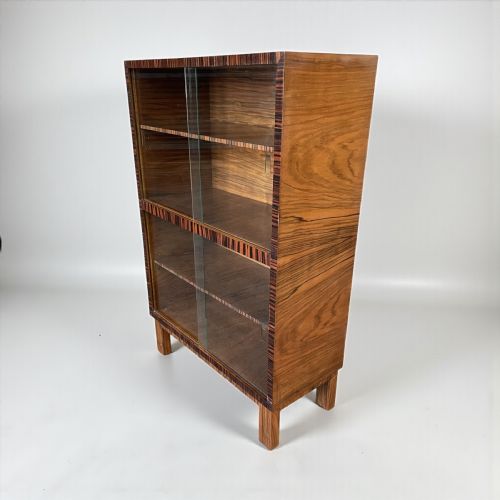
Buyers encounter multiple iterations within this category, ranging from dedicated display cabinets to versatile glazed bookcase formats. Most examples date from around nineteen thirty, reflecting the streamlined preferences of English cabinet makers of the era.
How they were made
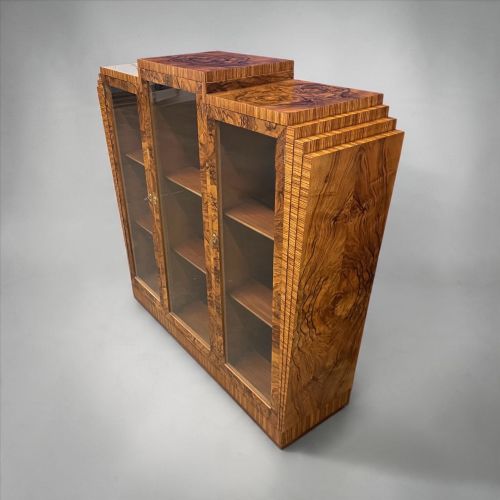
Construction relies heavily on rich hardwoods and contrasting veneers, utilising walnut, burr walnut, sycamore, and occasionally oak to create striking visual depth. Timber surfaces are carefully selected to highlight natural grain patterns, paired with transparent glass panels for the doors.
1930s Glazed Cabinet Retail Price Guide 2026
Typical asking prices for 1930s glazed cabinet among the pieces listed under this phrase on Sellingantiques today, from the lower quarter to the upper quarter. They describe what is for sale here now, not the wider market.
Sycamore makes an unexpected guest appearance, brightening up walnut interiors like a well-placed pocket square.
What varies in quality
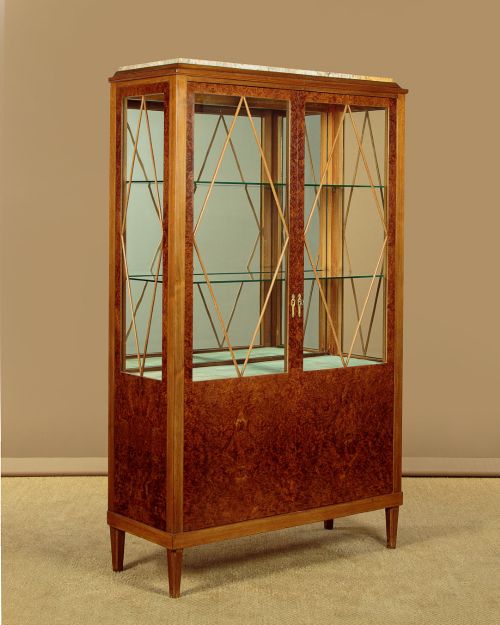
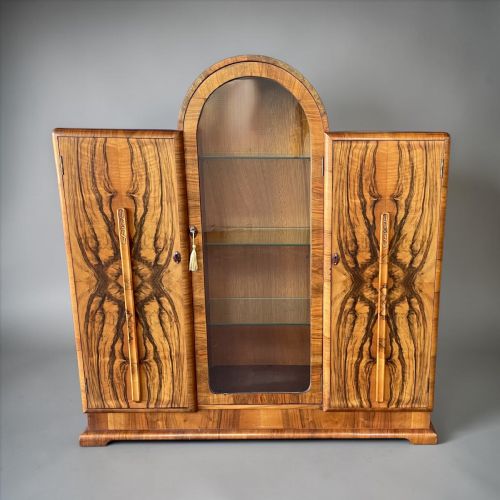
Superior examples distinguish themselves through the choice and matching of timber veneers, particularly figured burr walnut and contrasting sycamore accents. Expert book-matching creates symmetrical patterns across the doors and facade, elevating the visual impact far beyond standard plain timber construction.
The refinement of the Art Deco geometry and the precision of the brass hardware further separate ordinary production from exceptional pieces. Quality shows in the seamless integration of glass framing and the weight and finish of the timber polish.
The 1930s Glazed Cabinet Glossary
- Art Deco
- A design style characterised by sleek geometric shapes, stylised motifs, and streamlined modern forms. This aesthetic dominated the interwar period and heavily influenced furniture design.
- Burr Walnut
- A specialised wood cut from the deformed growth or burl of a walnut tree, prized for its swirling, intricate grain patterns. It is frequently utilised on prominent exterior surfaces.
- Sycamore
- A light-coloured hardwood often employed for contrasting inlays and internal sections within mid-century cabinetry. Its pale tone balances darker timbers like walnut.
- Bookcase
- A piece of furniture fitted with horizontal shelves for holding books, which in this context incorporates glass doors for dual display and protective storage.
1930s Glazed Cabinet: Frequently Asked Questions
What are 1930s glazed cabinets?
These pieces are functional storage units featuring glass panels designed to showcase books, ceramics, or decorative objects while keeping dust away.
They reflect the design priorities of the interwar era through geometric lines and rich timber surfaces.
How do I use a glazed cabinet?
They serve primarily as living room or study furniture for displaying collections behind protective glass doors.
The lower sections or internal shelves also accommodate items you wish to keep concealed from direct view.
How do I identify Art Deco style?
Look for symmetrical arrangements, stepped outlines, and a distinct lack of heavy Victorian ornamentation.
The emphasis rests on clean silhouettes and the natural beauty of contrasting wood veneers.
What timbers were used?
Cabinet makers utilised walnut, burr walnut, sycamore, and oak to construct these striking display pieces.
Contrasting light and dark woods often create dramatic patterns across the exterior doors.