


Geometric Display Cabinet
A geometric display cabinet brings striking angles and structured glass to a room, offering both practical storage and a bold focal point.
Geometric Display Cabinet
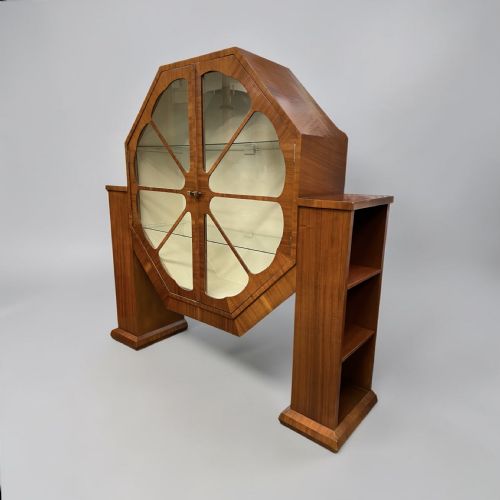
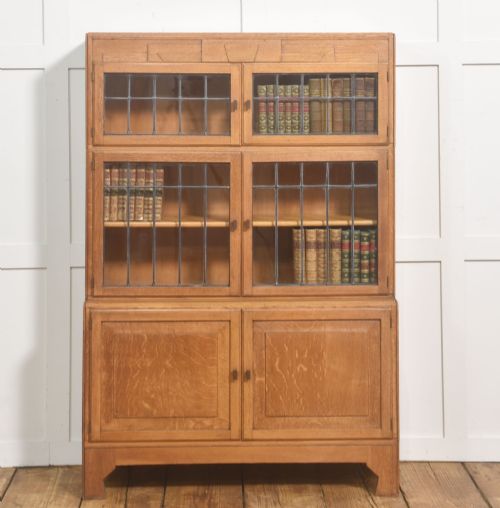
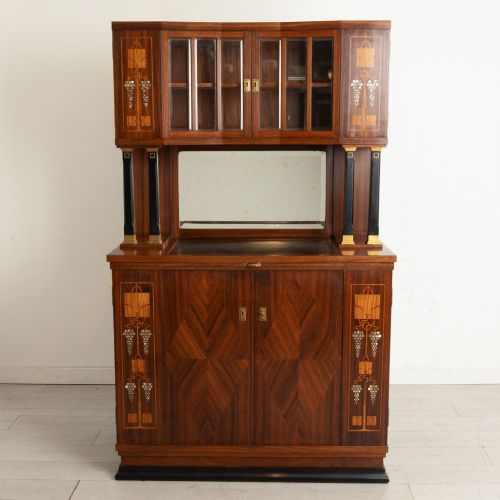
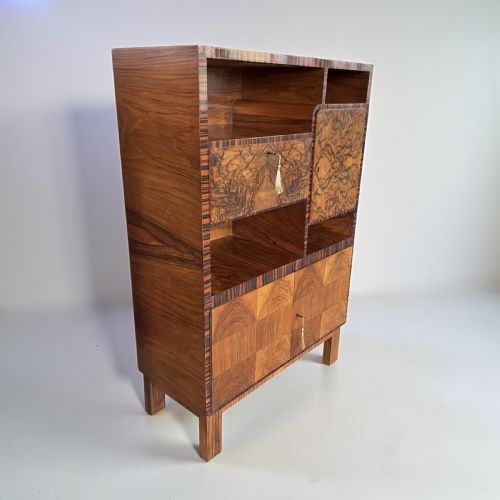
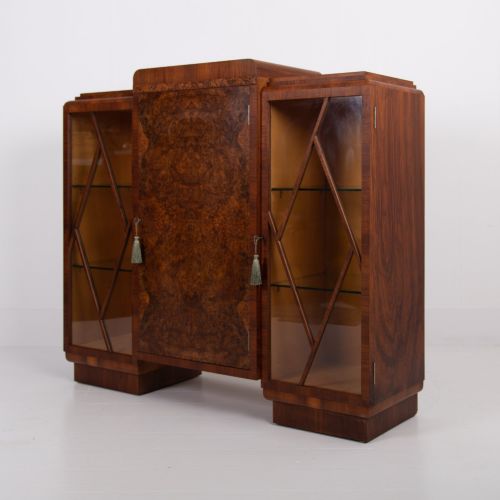
A geometric display cabinet groups pieces built for showing and storing objects using angular lines, linear glazing bars, and symmetrical forms. When searching for a geometric display cabinet, buyers encounter diverse iterations spanning the nineteenth and twentieth centuries.
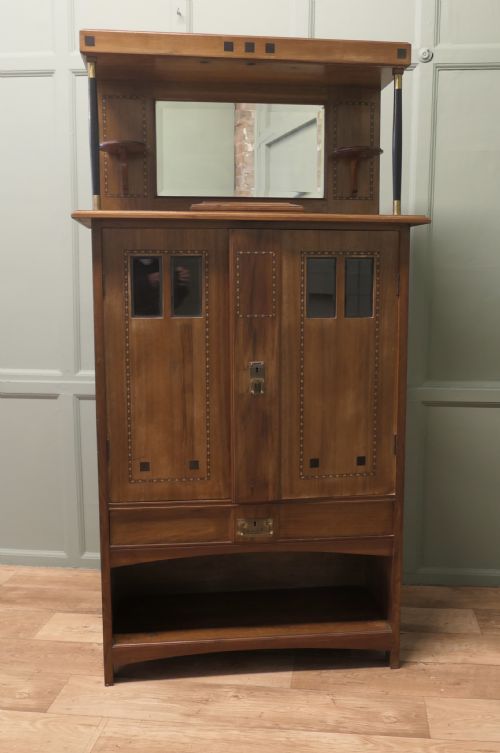
The selection ranges from early oak corner cupboards and Jacobean style dressers to streamlined Art Deco walnut cabinets and Viennese Secessionist cocktail furniture. Art Deco examples from the interwar period dominate the selection, bringing circular, hexagonal, and rectilinear silhouettes.
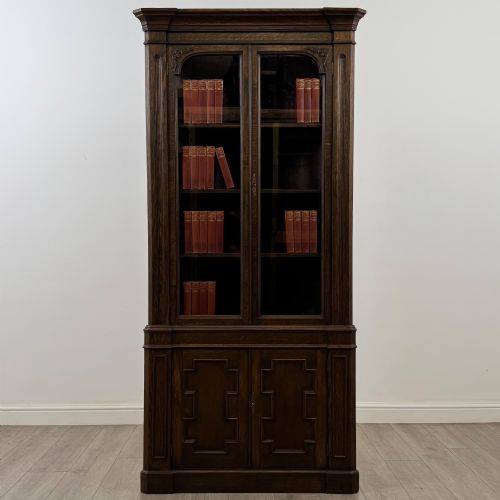
Earlier nineteenth century pieces lean toward robust revival styles in oak and rosewood, whilst continental workshops contribute distinct architectural forms with leaded glass panels and contrasting ebonised woods.
How they were made
Cabinet makers utilised dense hardwoods such as oak, walnut, and rosewood, often applying figured veneers to curved and flat surfaces to create repeating grain patterns. These timbers provided the structural integrity needed for large glazed doors and tiered shelving.
Glass integration defined the aesthetic, using leaded joints, mirror glass backs, and brass hardware to accentuate the structural framework. Joinery methods combined traditional mortise and tenon construction with the precise geometric cutting required for intersecting glazing bars.
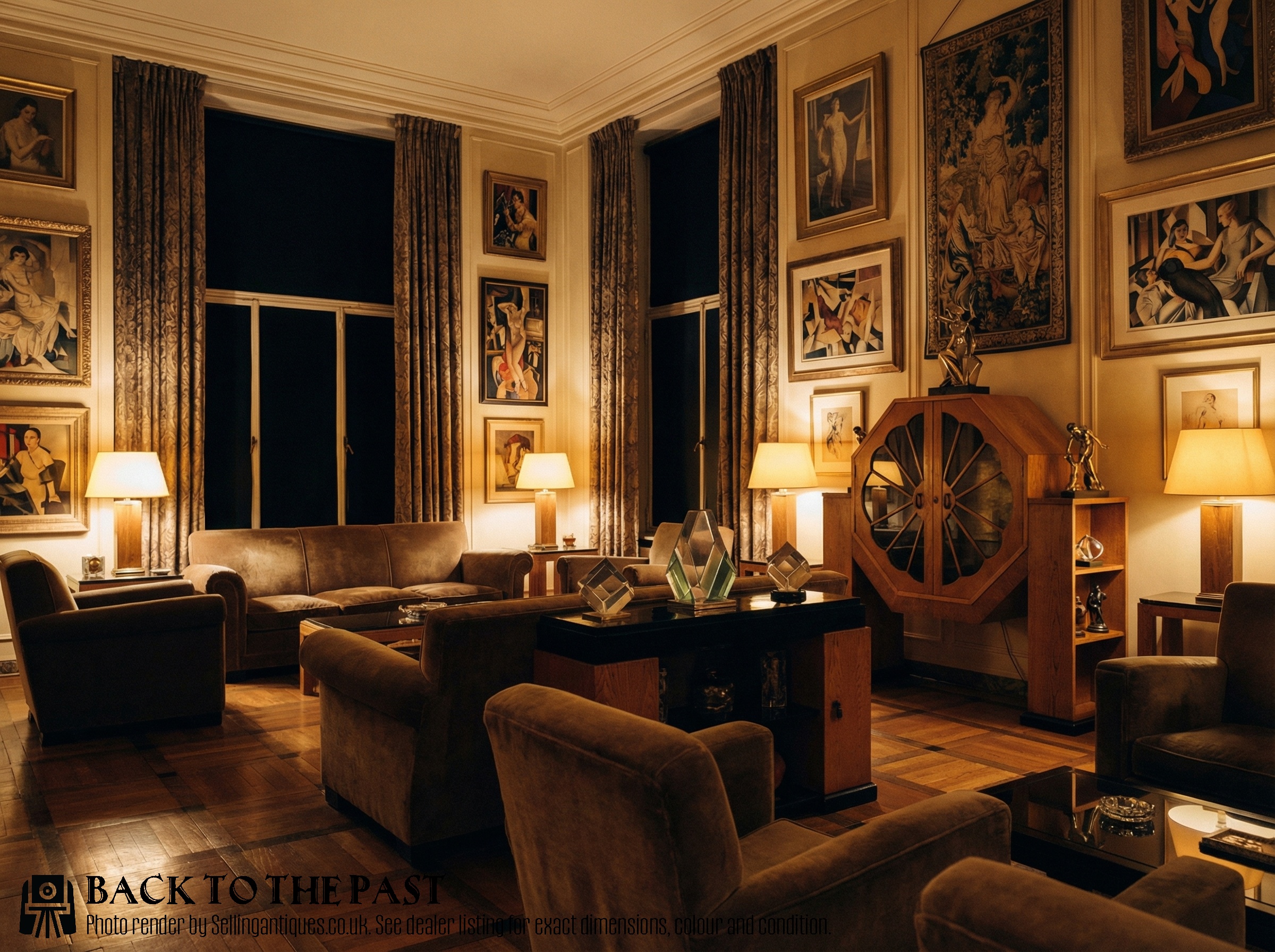
Some Art Deco cabinets went beyond standard rectangles, offering hexagonal and circular frames designed to turn corners into optical illusions.
What varies in quality
Quality rests in the precision of the timber selection and the complexity of the cabinetwork, particularly where veneers meet at sharp angles or curves. Superior pieces demonstrate meticulous matching of walnut or oak grains across doors and panels, creating a cohesive visual pattern.
Hardware integration and glazing standards further separate standard production from exceptional work. Original brass mounts, leaded glass integrity, and well-fitted internal shelving indicate a higher tier of craftsmanship.
August Ungethüm·Rurka
The Geometric Display Cabinet Glossary
- Art Deco
- A design style from the interwar period characterised by streamlined forms, geometric symmetry, and stylised motifs. It heavily influences the profile of these cabinets.
- Leaded glass
- Glass panes held together by narrow strips of lead, forming geometric patterns within doors or windows. This technique provides both structural support and decorative division.
- Jacobean Revival
- A nineteenth and early twentieth century style emulating seventeenth century English furniture, featuring heavy mouldings, panelled doors, and dark oak. Pieces in this style often incorporate geometric raised panels.
- Viennese Secessionist
- An early twentieth century Austrian movement focusing on clean lines and functional geometry. It produced sophisticated display and cocktail cabinets.
- Ebonised wood
- Timber treated to resemble ebony, providing dark, contrasting accents against lighter walnut or oak. Makers used this finish to highlight structural lines.
Geometric Display Cabinet: Frequently Asked Questions
What is a geometric display cabinet?
A geometric display cabinet is a storage and exhibition piece defined by angular lines, structured glazing bars, and symmetrical forms. These cabinets range from early revival styles to streamlined twentieth century designs.
They serve to showcase ceramics, glassware, and books whilst acting as architectural elements within a room.
How do I date a cabinet?
Dating relies on examining the timber species, construction methods, hardware, and stylistic markers such as Art Deco curves or Jacobean mouldings. Materials like ebonised wood and leaded glass often point toward specific decades.
Secondary indicators include the type of internal mirrors and the complexity of the veneering technique used on the exterior carcass.
Where were these cabinets made?
The pieces originate from British, continental European, and specifically Austrian workshops. English pieces frequently utilise oak and walnut, whilst continental makers employed distinct Secessionist and Amsterdam School influences.
Regional differences appear in the choice of timber and the specific geometric arrangement of leaded glass doors.
How do I clean wooden cabinets?
Maintenance involves dusting with a soft, dry cloth and occasionally applying appropriate wax to nourish the timber surfaces. Avoid harsh chemical cleaners that can strip historic polishes and damage delicate veneers.
Glass panels require standard glass cleaner applied to a cloth rather than sprayed directly, protecting the surrounding wood and lead joints from excess moisture.