



Domed Display Cabinet
A domed display cabinet protects and frames cherished curiosities, bringing height and architectural elegance to any room.
Domed Display Cabinet
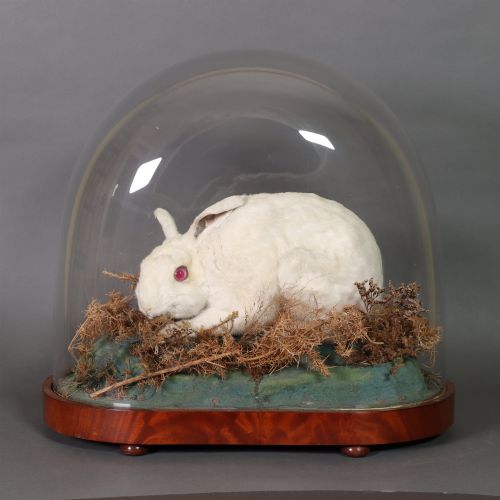
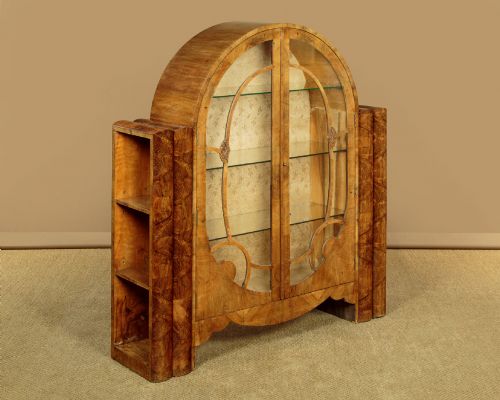
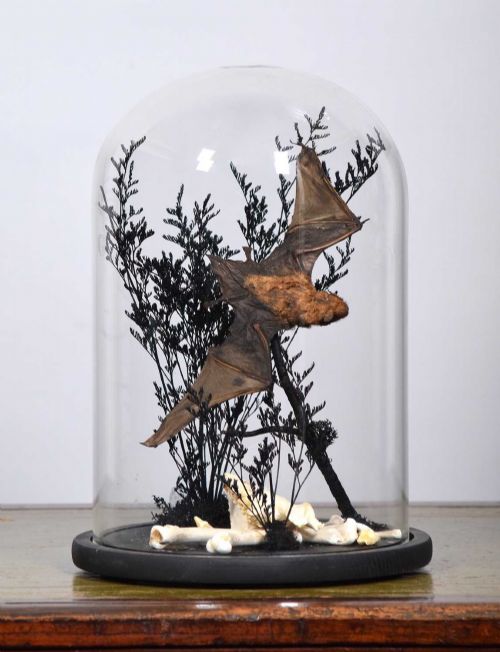
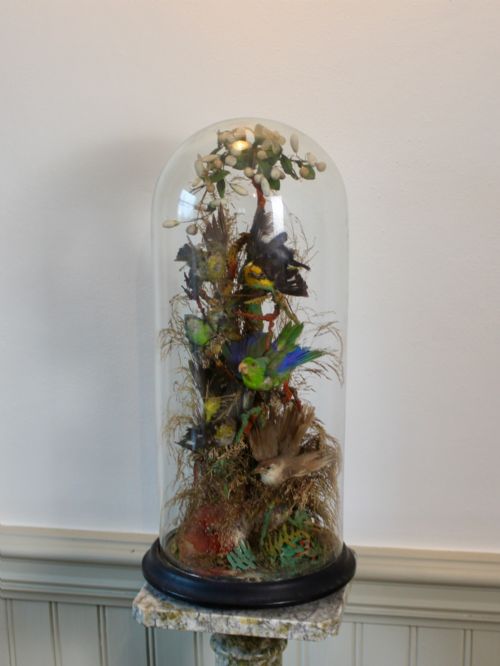
A domed display cabinet encompasses everything from freestanding wooden furniture with curved tops to glass specimen domes and cloches designed to protect delicate contents. Buyers searching for a domed display cabinet typically encounter Victorian glass domes housing taxidermy, alongside mid-eighteenth century carved pine cabinets and inlaid bureau bookcases with arched profiles.
The selection ranges from large corner cabinets in burr walnut and mahogany shop vitrines to compact oval dioramas and tall professor specimen domes. These pieces originate across the eighteenth, nineteenth, and early twentieth centuries, reflecting changing domestic tastes in display and preservation.
Materials and construction
Makers constructed these cabinets and enclosures using timber frameworks of walnut, mahogany, ebonised wood, and carved pine, fitted with clear blown or drawn glass. Interiors frequently incorporate fabric backgrounds, brass fittings, and wooden bases designed to support delicate specimens securely.
Blown glass domes required skilled glassblowers to create smooth, distortion-free covers that sat precisely upon wooden or fabric-lined bases. Cabinetmakers joined woods using traditional methods, incorporating marquetry inlay, curved glass panels, and shaped cornices to form the distinctive domed and arched profiles.
Assessing craftsmanship and condition
Quality rests upon the clarity and weight of the glass, the precision of the woodwork, and the intact survival of delicate interior compositions. Superior examples demonstrate expert taxidermy artistry, harmonious proportions, and refined timber selection such as figured burr walnut or detailed marquetry.
Lesser pieces show simpler construction, plain secondary timbers, or replaced glass components that alter the original character. The distinction lies in the integrity of the materials and the skill evident in the assembly of the frame and the mounting of the interior display.
James Gardner·Henry Ward London·A Pollard
The Domed Display Cabinet Glossary
- Cloche
- A bell-shaped glass cover used to protect delicate items or plants. The term derives from the French word for bell.
- Marquetry
- The art of applying pieces of veneer to a structure to form decorative patterns. Craftsmen utilised various woods to create elaborate pictorial designs on furniture surfaces.
- Vitrine
- A glass-paned cabinet or display case specifically designed for showcasing objects of vertu and porcelain. These pieces originated in France and became popular during the nineteenth century.
- Diorama
- A three-dimensional scene containing models or taxidermy specimens set against a painted background. These displays aimed to replicate natural environments within a protective glass dome.
Domed Display Cabinet: Frequently Asked Questions
What fits inside a domed display cabinet?
These cabinets and glass domes house delicate objects, taxidermy specimens, bird compositions, skulls, and collector curiosities. The enclosed space protects fragile items from dust and environmental damage while offering clear visibility from all angles.
Larger wooden cabinets accommodate china, books, and larger decorative items behind glass doors. The interior configuration dictates the scale and type of object appropriate for display.
How do I care for antique glass domes?
Glass domes require gentle cleaning with a soft, lint-free cloth and mild glass cleaner applied sparingly. Avoid lifting heavy blown glass by the top knob or apex, as historical glass can be fragile at stress points.
Stable indoor humidity and temperature protect the wooden bases and internal fabric linings from warping or deterioration. Position cabinets away from direct sunlight to prevent fading on taxidermy feathers and interior fabrics.
How do I identify Victorian taxidermy domes?
Victorian taxidermy domes typically feature blown glass covers resting on stepped wooden bases, often lined with velvet, paper, or moss. Labels on the underside sometimes indicate the taxidermist or retailer responsible for the assembly.
Common contents include exotic birds of paradise, hummingbirds, mammals, and botanical arrangements framed under glass. The mounting style and materials align with nineteenth-century natural history presentation methods.
What is the difference between a vitrine and a dome?
A vitrine is a freestanding or tabletop wooden cabinet with glazed doors and sides designed to hold multiple shelves of objects. A dome consists of a standalone curved glass cover sitting on a flat base to protect a single curated arrangement.
Cabinets offer tiered shelving for varied collections, whereas domes focus attention on a solitary, enclosed composition. Both serve to display and preserve items but differ entirely in structural form.