





Gustavian Style Dresser
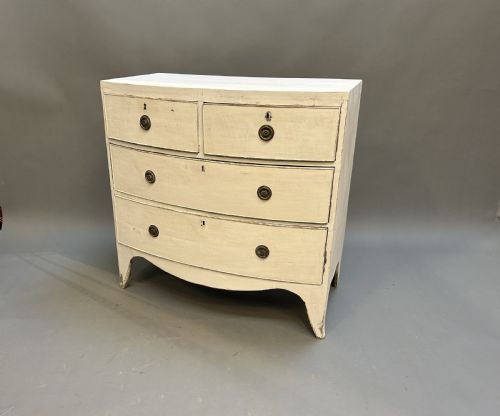
A gustavian style dresser brings light and restrained classical proportion into a room, taking the form of painted storage furniture.
Gustavian Style Dresser
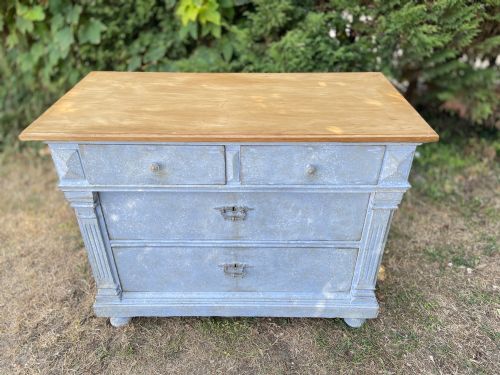
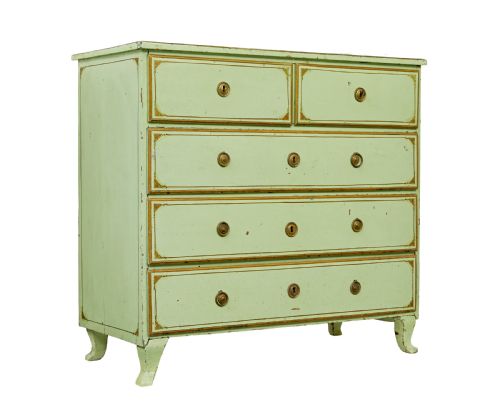
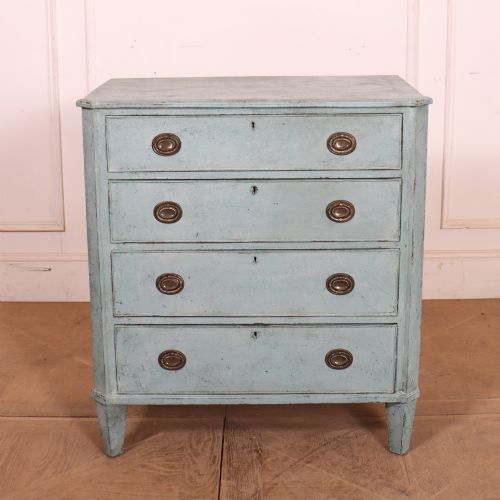
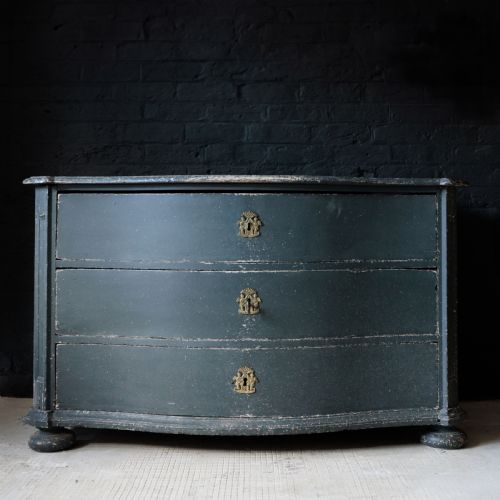
When searching for a gustavian style dresser, a buyer encounters painted storage pieces originating mostly from the nineteenth and eighteenth centuries. The selection centres heavily upon chests of drawers, commodes, cupboards, and cabinets reflecting Scandinavian country aesthetics.
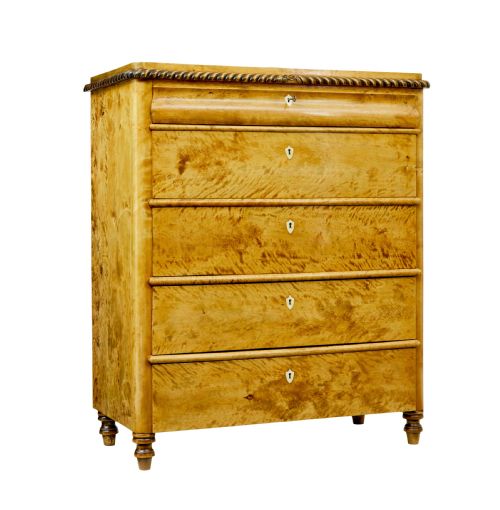
Examples range from simple pine carcases to more elaborate carved birch or serpentine fronts. Pieces span styles including Swedish Biederealier, Dutch neoclassicism, and French provincial influences alongside domestic Scandinavian work.
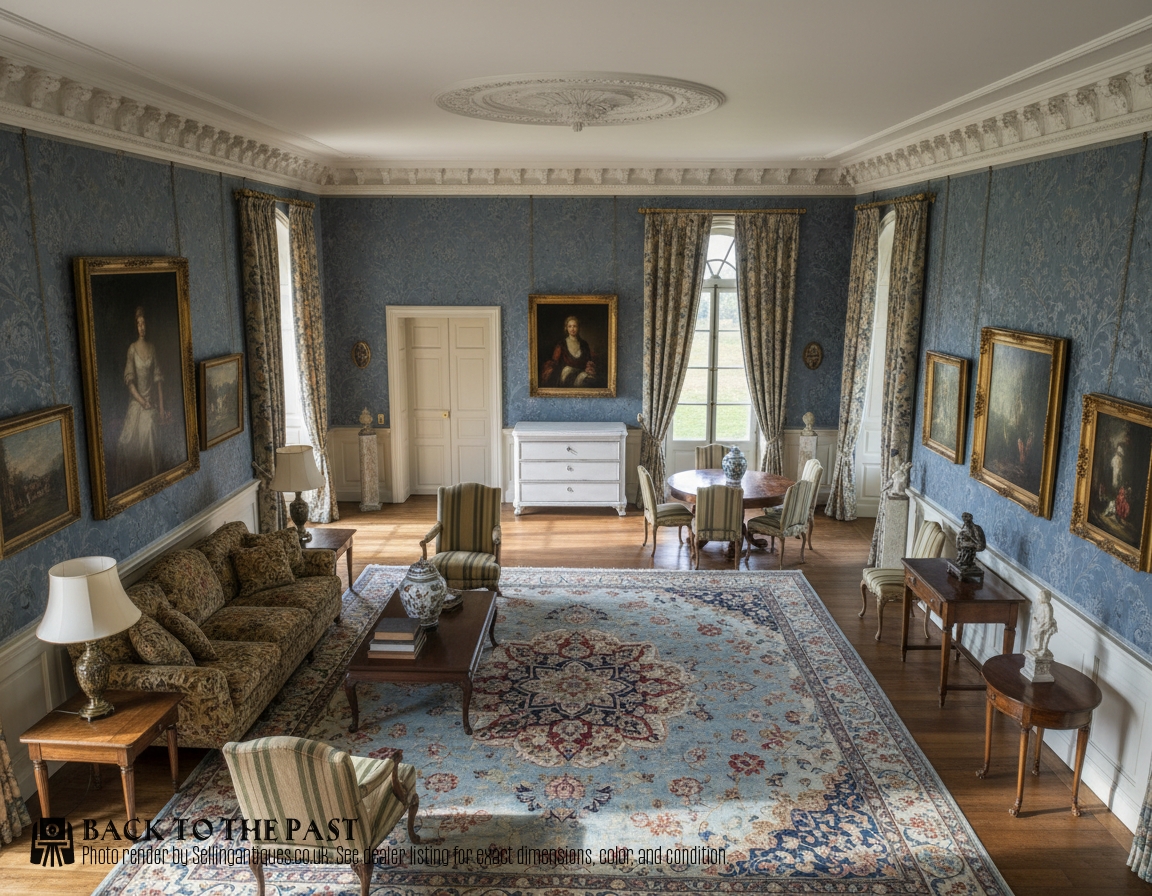
How they were made
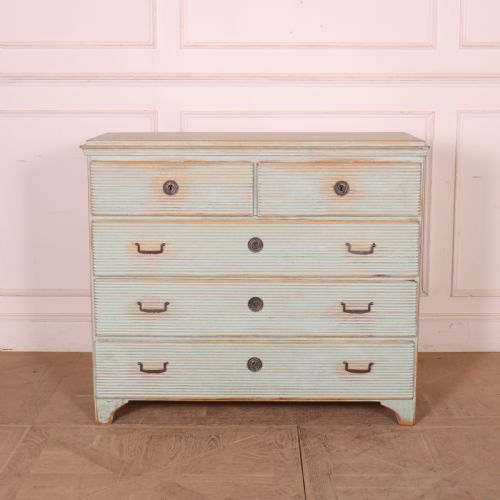
Joiners constructed these carcases primarily using solid pine, birch, and oak, often mounting drawers with fluted fronts or diamond-point detailing. Iron and brass hardware provided operational mounts and pulls for the doors and drawers.
Surfaces received hand-applied coats of paint, decorative scraping, or faux marble tops to achieve the characteristic pale, refined finish. Cabinetmakers utilised traditional joinery techniques suited to softwood and hardwood construction.
Gustavian Style Dresser Retail Price Guide 2026
Typical asking prices for gustavian style dresser among the pieces listed under this phrase on Sellingantiques today, from the lower quarter to the upper quarter. They describe what is for sale here now, not the wider market.
The inventory records regional forms from Sweden, Denmark, and the Netherlands, alongside French provincial design influences.
What varies in quality
Quality rests upon the integrity of the original timber frame and the survival of early or scraped painted surfaces. Pieces retaining genuine period paint layers and undisturbed hardware hold greater integrity than later heavily restored examples.
Proportion and carving depth dictate refinement, separating simpler provincial utility pieces from ambitious neoclassical commodes with serpentine outlines and detailed drawer construction.
The Gustavian Style Dresser Glossary
- Commode
- A low chest of drawers or cabinet with multiple tiers. These items often feature shaped serpentine fronts and decorative painted finishes.
- Serpentine
- A furniture front curving outward at the ends and inward at the centre in a gentle wave. This shape requires considerable skill from the woodworker.
- Gustavian
- A Swedish neoclassical style popular during the reign of Gustav III, marked by lighter proportions and restrained classical motifs. It draws inspiration from French Louis XVI design.
- Caddy top
- A raised or stepped lid profile found on certain case furniture. This detailing adds subtle dimension to the upper surface of a chest.
Gustavian Style Dresser: Frequently Asked Questions
How do I clean a painted surface?
Dust gently with a soft dry cloth and avoid harsh chemical cleaners that might strip the historic paint layers.
Keep pieces away from direct sunlight and fluctuating humidity to preserve the painted wood finish over time.
Where were these cabinets made?
The pieces originate primarily from Sweden, Denmark, and the Netherlands during the eighteenth and nineteenth centuries.
Craftsmen in these regions adapted continental neoclassical trends into regional country interpretations using local pine, birch, and oak.
Are the painted finishes original?
Many examples retain their early or scraped painted surfaces applied during the period of manufacture.
Some items have undergone later redecoration or conservation work to maintain their characteristic light colour palette.
How do I style a painted cupboard?
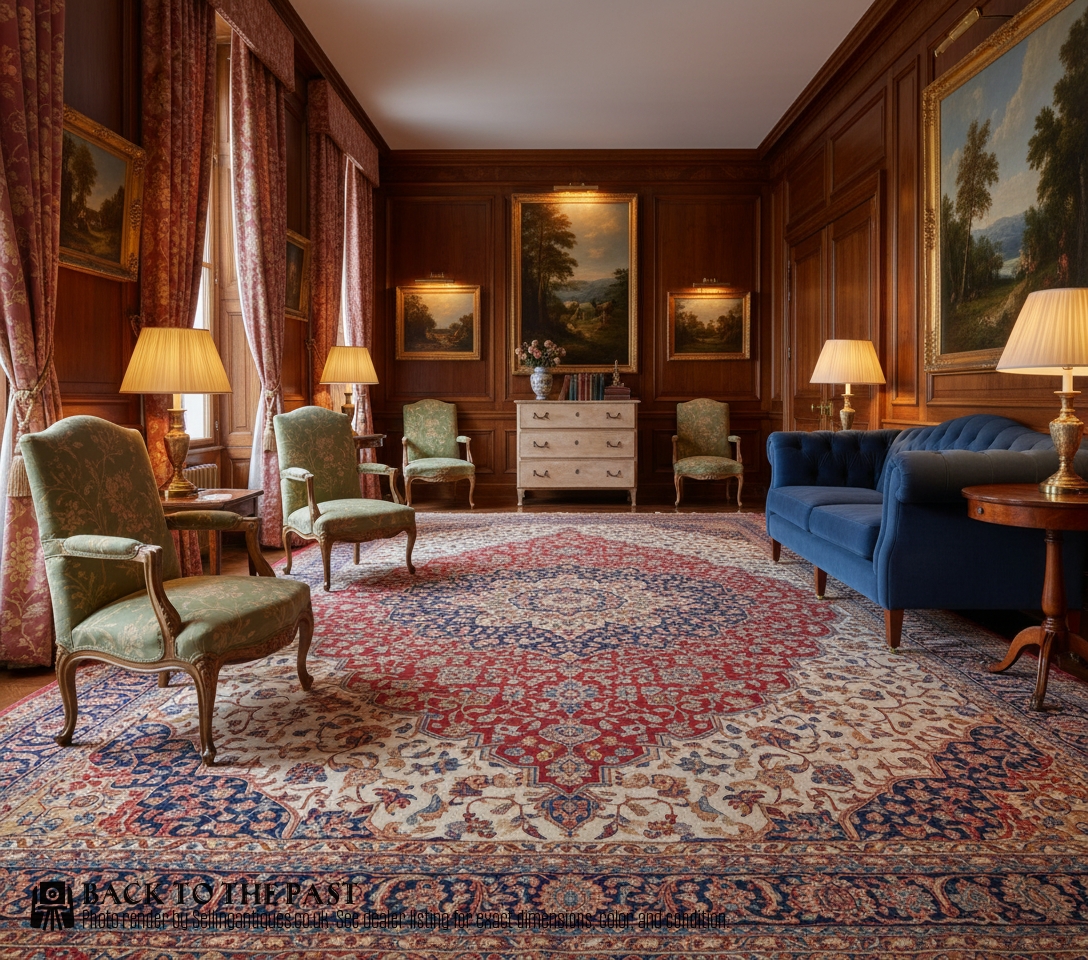
These storage pieces work well in living spaces, hallways, or bedrooms to provide functional storage alongside a pale aesthetic.
Pair them with simple textiles and natural wood furniture to complement the restrained neoclassical proportions.