




Scandinavian Pine Commode
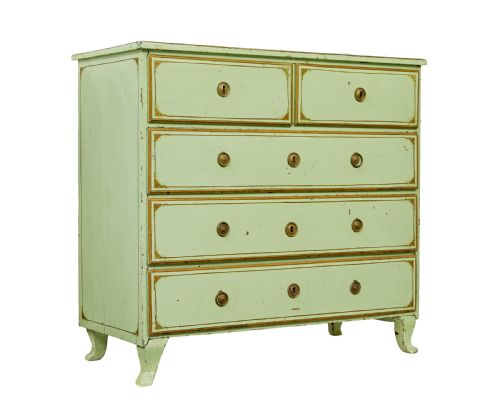
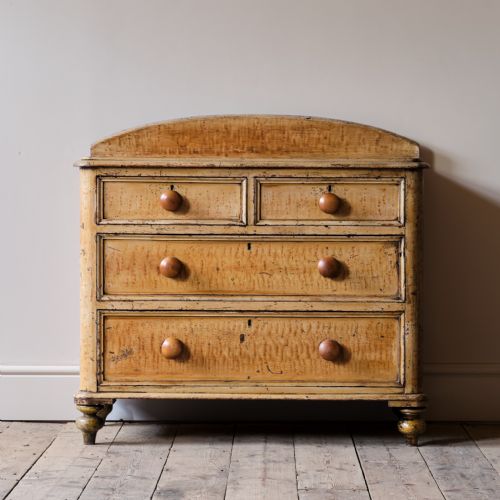
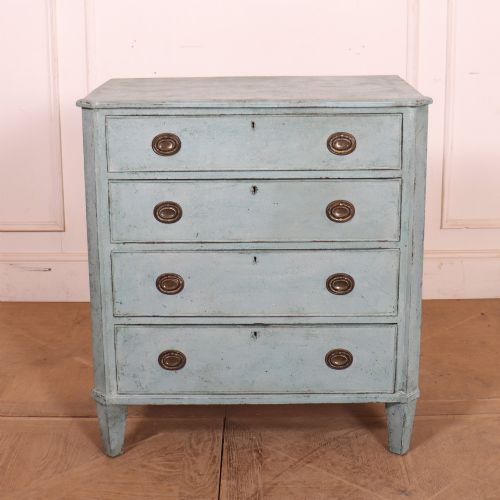
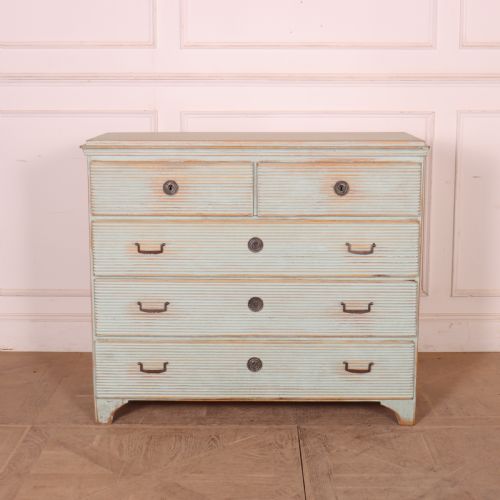
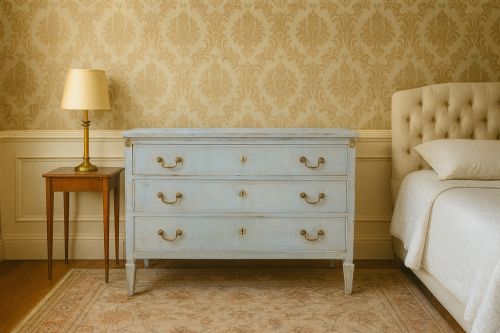
These scandinavian pine commode chests offer practical storage alongside the muted charm of painted softwood.
Scandinavian Pine Commode
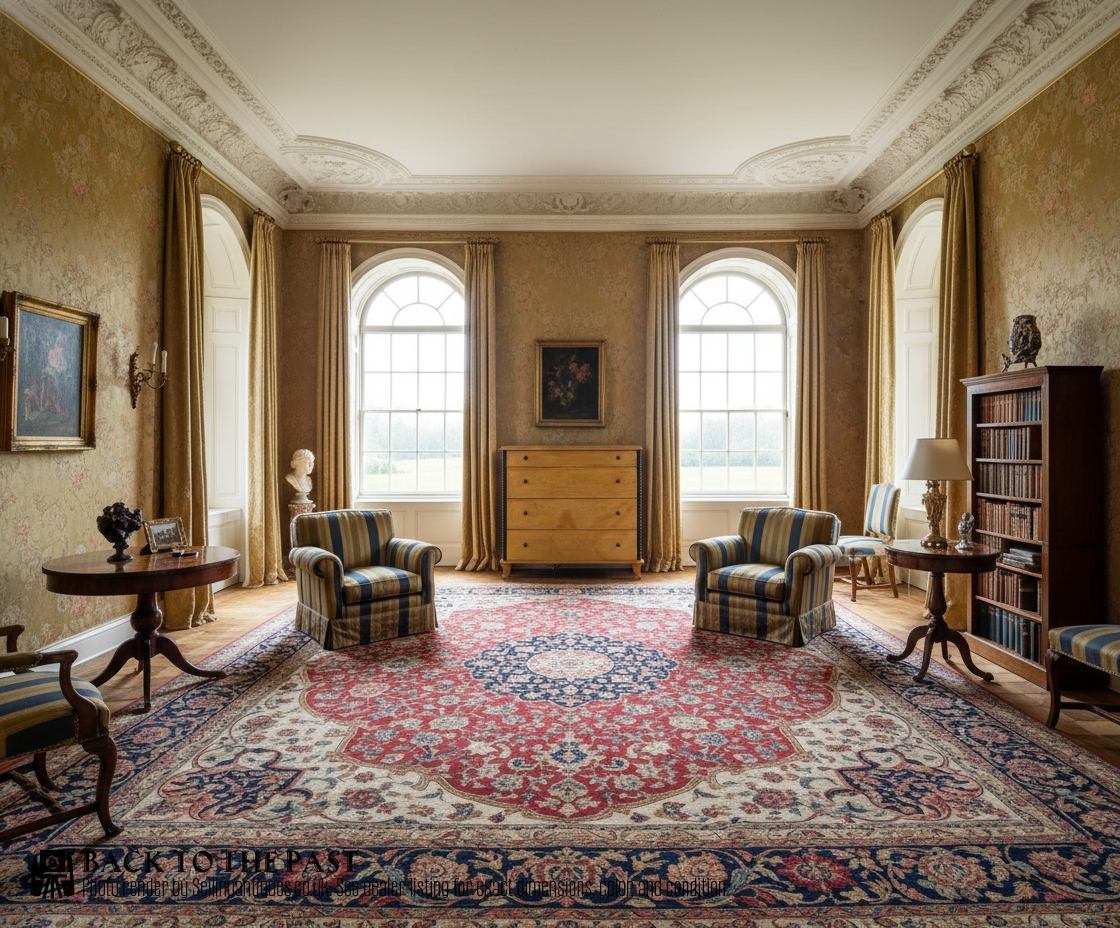
A scandinavian pine commode primarily takes the form of a chest of drawers or cupboard, originating mostly from nineteenth and eighteenth century Sweden and Denmark.
Buyers seeking this phrase encounter pieces spanning rustic country styles, Gustavian neoclassicism, and Scandinavian rococo, often finished in original painted surfaces.
The selection ranges from simple softwood storage units to sophisticated serpentine commodes with fluted drawer fronts and simulated birch finishes.
Materials and construction
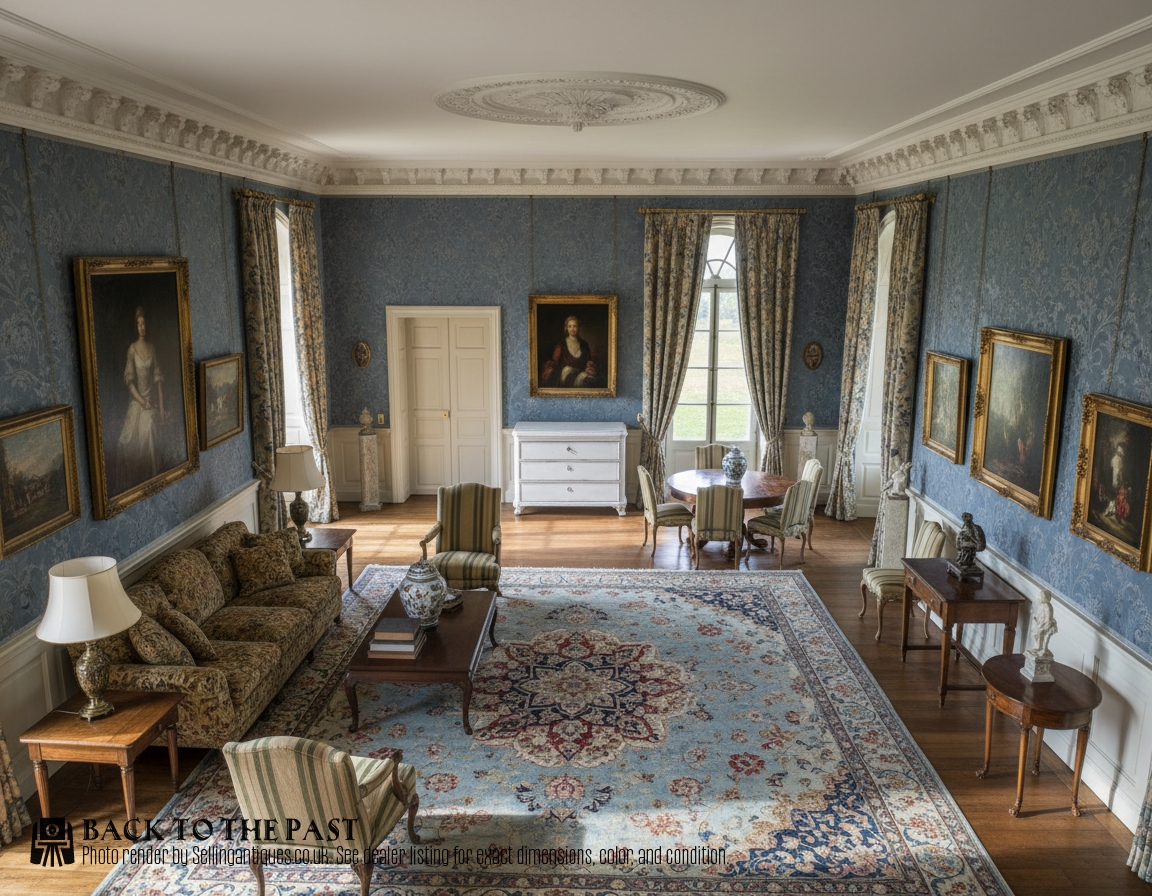
Makers utilised native pine and softwood as the primary structural timber, shaping carcasses and drawer fronts to receive decorative hand-applied paint.
Surface treatments vary from scraped original paint and monochrome black to delicate hand-painted polychrome finishes, supplemented by iron and brass hardware.
Materials span pine, painted wood, softwood, brass, and iron across various regional styles.
Markers of quality
Quality rests upon the integrity of the original paint surface, distinguishing untouched scraped finishes from later decorative overpainting.
Structural refinement separates simpler rustic pieces from sophisticated cabinetwork, such as serpentine curves and fluted drawer fronts executed in softwood.
Gemla Fabrikers
The Scandinavian Pine Commode Glossary
- Gustavian
- The Swedish neoclassical style characterised by restrained classical symmetry, light paint colours and delicate carved detailing. It emerged during the reign of King Gustav III in the late eighteenth century.
- Commode
- A low chest of drawers, typically standing on legs, designed for domestic storage. In Scandinavian contexts, these often feature painted softwood construction.
- Serpentine
- A curved furniture front characterised by a convex centre flanked by concave sides, creating an undulating outline. This shape demands high carpentry skill when executed in pine.
- Softwood
- Timber from conifer trees, such as pine, which is easier to work than hardwood. It served as the standard material for painted northern European vernacular furniture.
- Scraped paint
- A conservation term describing an original surface revealed by carefully removing later layers of decoration. Collectors prize this state for its historical authenticity.
Scandinavian Pine Commode: Frequently Asked Questions
How do I care for painted pine?
Protect painted pine furniture by placing it away from direct sunlight and steady heat sources, which can cause the timber to shrink and the paint to crack. Maintain stable indoor humidity levels.
Dust the surface gently with a dry, soft cloth and avoid chemical cleaning products that might strip or dissolve historic paint layers.
How do I identify Gustavian commodes?
Gustavian commodes exhibit neoclassical restraint, often displaying pale grey, white, or scraped paint finishes alongside fluted drawer fronts or subtle geometric carvings. They reflect French rococo and neoclassical influences adapted by Swedish craftsmen.
Look for balanced proportions, straight tapered legs, and hardware typical of the late eighteenth century.
Are these commodes made of solid pine?
These commodes are constructed from pine and other northern European softwoods, utilised for both internal framing and external panels. The wood provides a stable base for the hand-applied paint finishes found on most examples.
While predominantly softwood, individual pieces incorporate iron or brass handles, escutcheons, and hinges.