
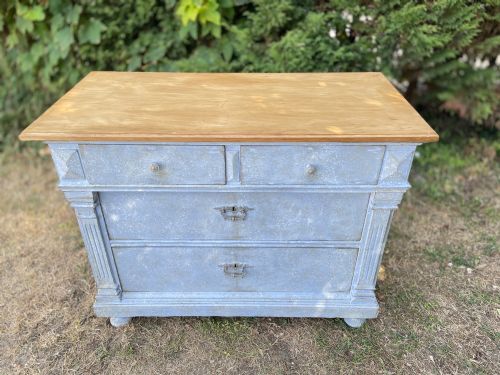
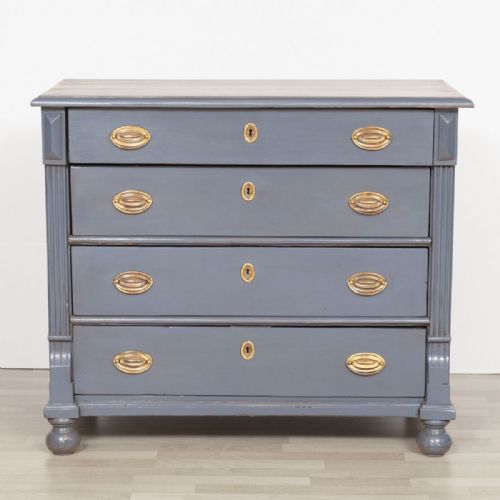


Painted Oak Commode
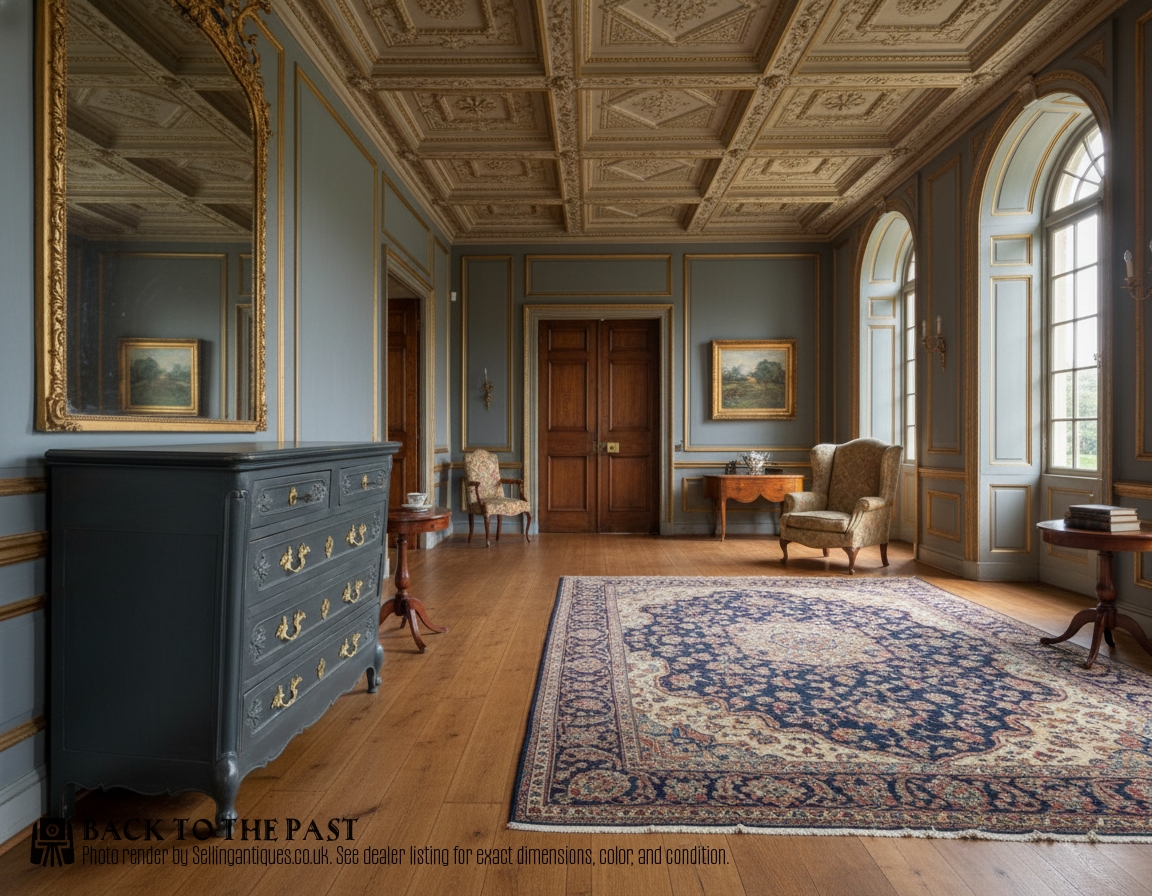
A painted oak commode brings robust timber and decorative paint together in a practical storage chest that anchors a room.
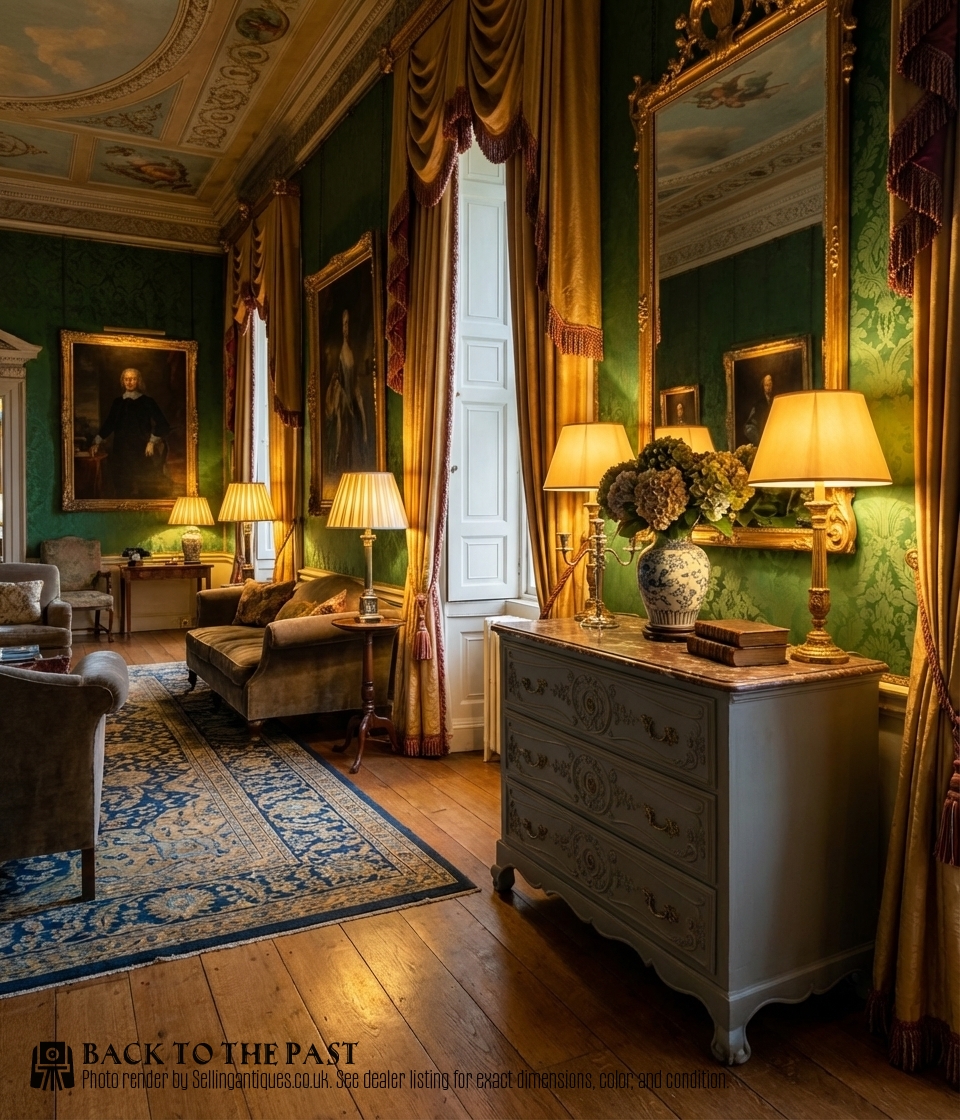
What a painted oak commode is
A painted oak commode combines the heavy grain of oak with painted decoration across chest of drawers forms. These sturdy storage pieces appear in regional European styles such as French Provincial, French carved, Dutch Rococo, Gustavian, Scandinavian Baroque, and Louis XVI Neoclassical.
The items seen on this page span the 18th century, the 19th century, 1900, and 1920. Regional origins include France, the Netherlands, Sweden, Denmark, and Belgium, reflecting diverse local interpretations of the form.
Most examples function as chests of drawers, offering substantial storage capacity whilst displaying surface paint over oak carcasses. Certain variations include marble tops and carved details alongside brass or gilded brass hardware.
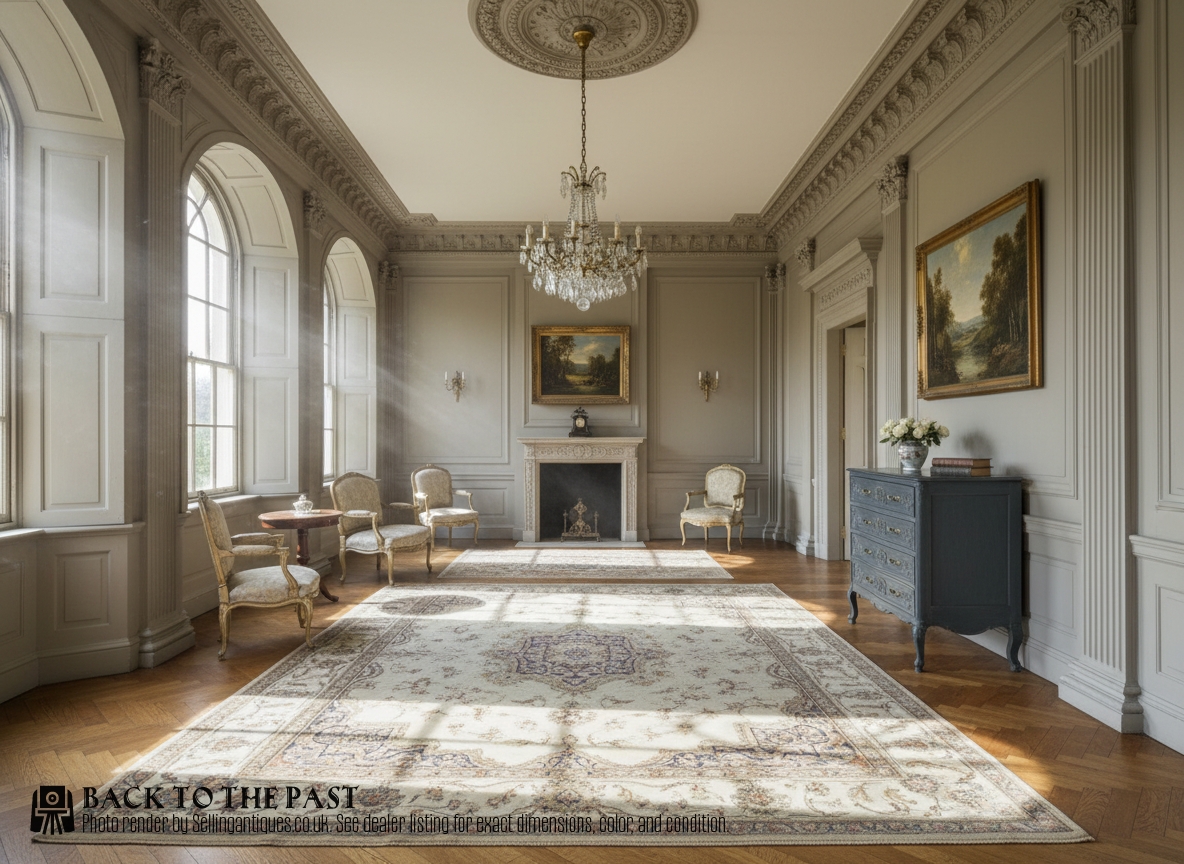
How they were made
Constructed primarily from oak, these commodes utilise timber framing for structural durability and heavy drawer construction. Carved ornamentation appears directly on the wood surfaces before the application of paint.
Surface finishes involve layers of paint applied over the oak, sometimes complemented by marble tops fitted to the upper surface. Metalwork fittings such as brass and gilded brass handles and mounts secure the drawers and accent the painted woodwork.
Retail Price Guide 2026
Typical UK retail prices for painted oak commode, calculated from the Sellingantiques database of over a million retail prices indexed since 2003. This retail price guide relies exclusively on Sellingantiques data; no external sources or auction records are used, so the figures do not describe the wider market.
Listings feature oak, brass, paint, marble, and gilded brass across pieces from the 18th century, 19th century, 1900, and 1920.
What varies in quality
The refinement of the carved woodwork and the execution of the painted surface distinguish superior examples from simpler ones. Pieces featuring integrated marble tops and detailed metal mounts demonstrate higher craftsmanship.
Regional stylistic adherence also marks the distinction, with specific forms like Scandinavian Baroque or Louis XVI Neoclassical displaying greater elaboration in their proportions and decorative schemes compared to plain provincial chests.
The Painted Oak Commode Glossary
- Oak
- A dense, durable hardwood with a prominent grain pattern that accepts carved detail well. It forms the structural foundation for these chests.
- Bombe
- A bulging, outward-curving profile found on certain continental European case furniture. This swelling shape creates a dynamic silhouette.
- Serpentine
- A furniture front or top shaped with a central concave curve flanked by two convex curves, or vice versa. This undulating line adds visual movement to the piece.
- Gustavian
- A Swedish neoclassical style characterised by light-coloured paint finishes and restrained classical motifs. It reflects Scandinavian interpretations of French court design.
Frequently Asked Questions
What is a painted oak commode?
A painted oak commode is a sturdy storage chest featuring a timber carcass finished with decorative paint.
These pieces function as chests of drawers and appear in various regional European styles from the eighteenth and nineteenth centuries.
Where were these commodes made?
These chests originate from across Europe, with particular examples recorded from France, the Netherlands, Sweden, Denmark, and Belgium.
Each region developed distinct decorative traditions, ranging from French carved details to Scandinavian Baroque and Gustavian aesthetics.
How do I style a commode at home?
A painted oak commode provides a strong focal point and practical surface space in a hallway, bedroom, or living area.
The decorative paint finishes and occasional marble tops allow these chests to complement both traditional and neutral contemporary interiors.
What materials are used in these pieces?
The primary construction material is oak, selected for its strength and visible grain.
Surfaces are finished with paint, and select pieces incorporate marble tops alongside brass or gilded brass hardware.