

Cream Painted Chest Drawers
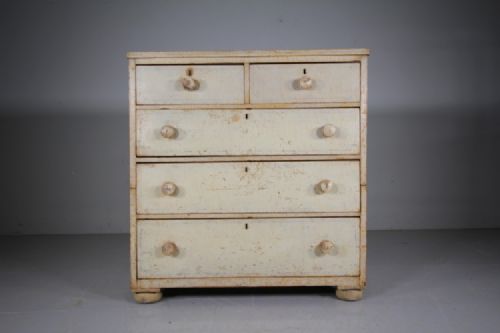
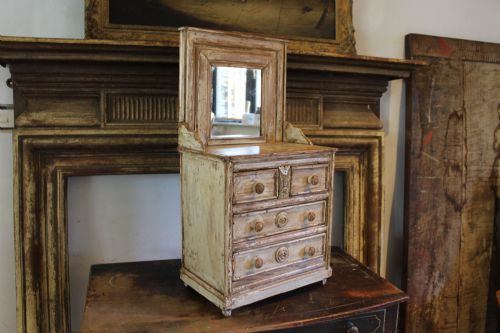
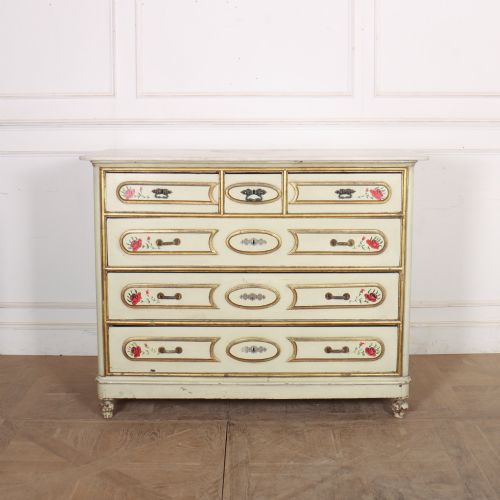
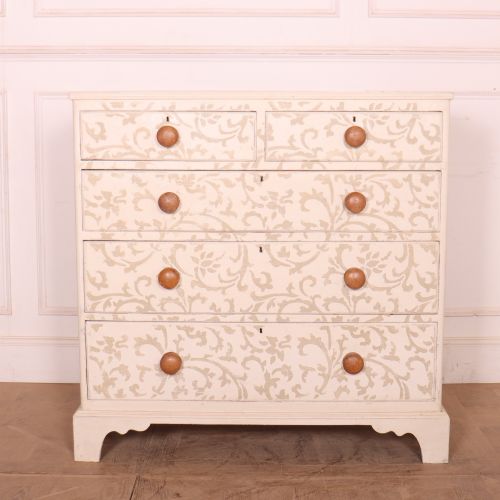
Cream painted chest drawers are solid wood storage pieces dressed in historic paint, bringing understated charm and practical utility to any room.

Understanding Cream Painted Chest Drawers
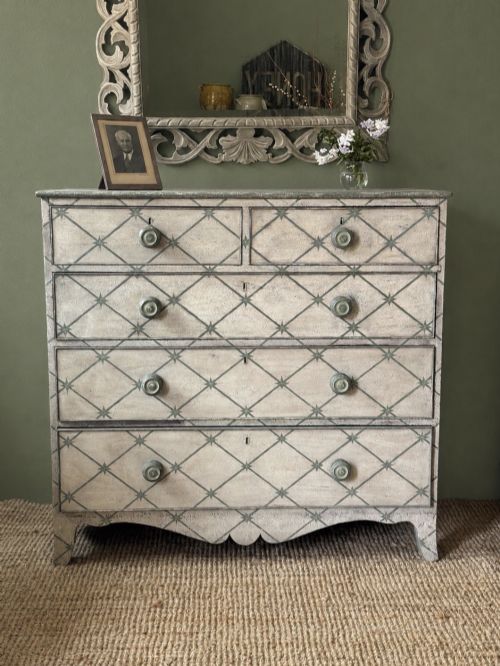
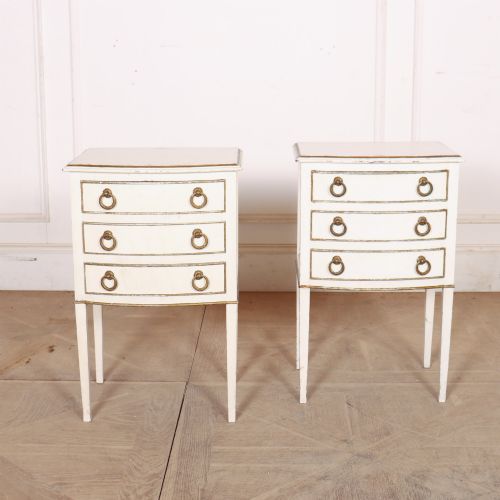
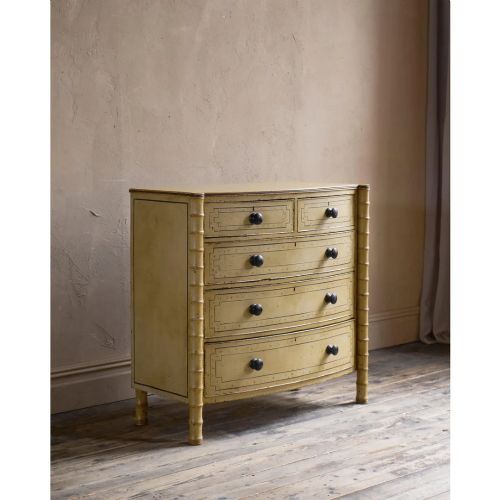
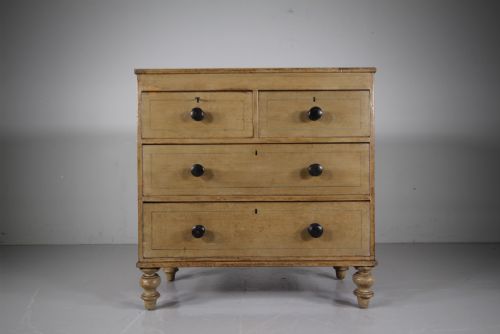
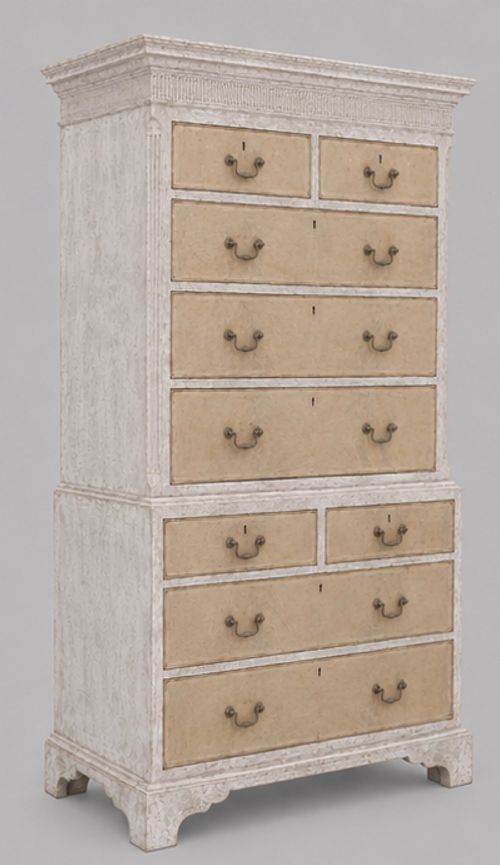
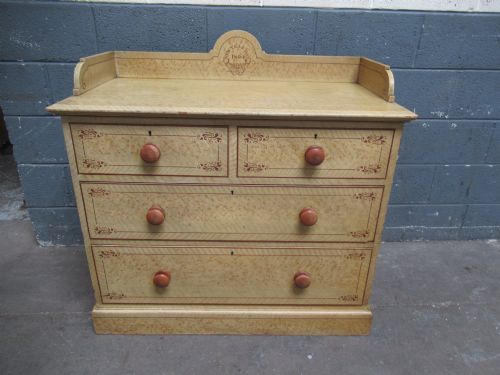
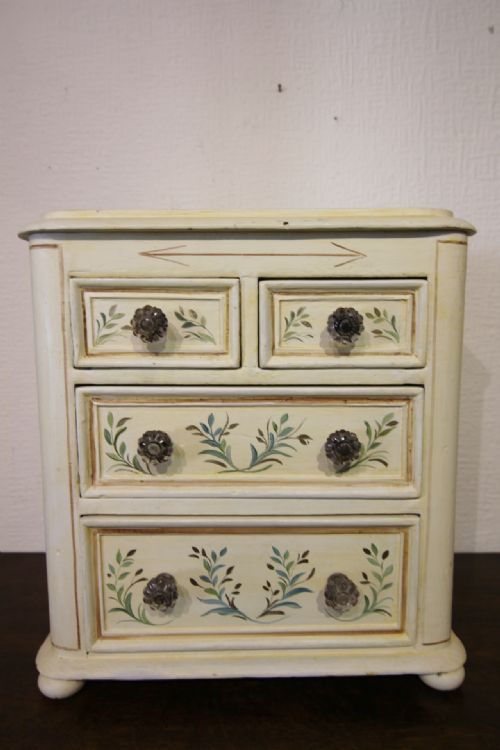
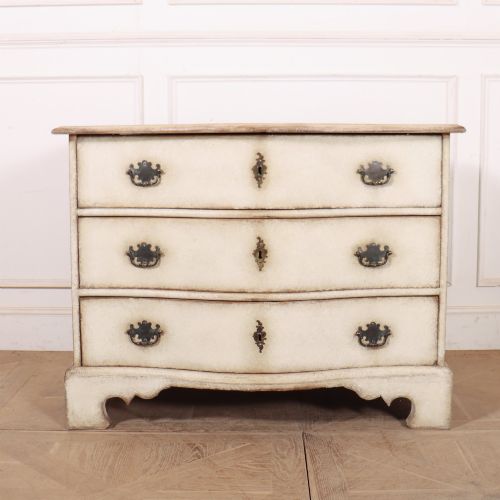
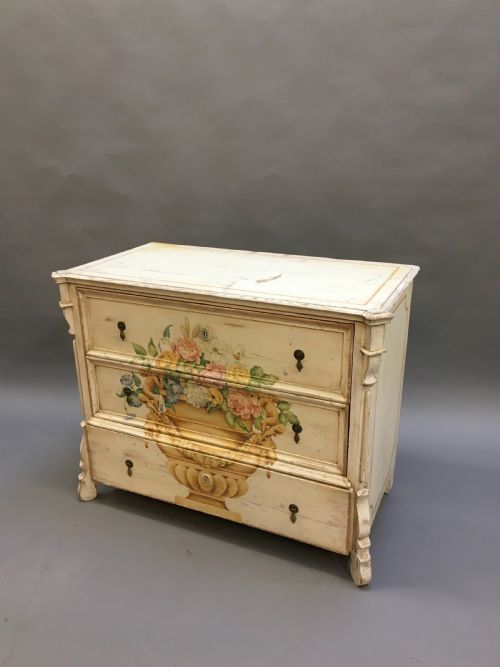
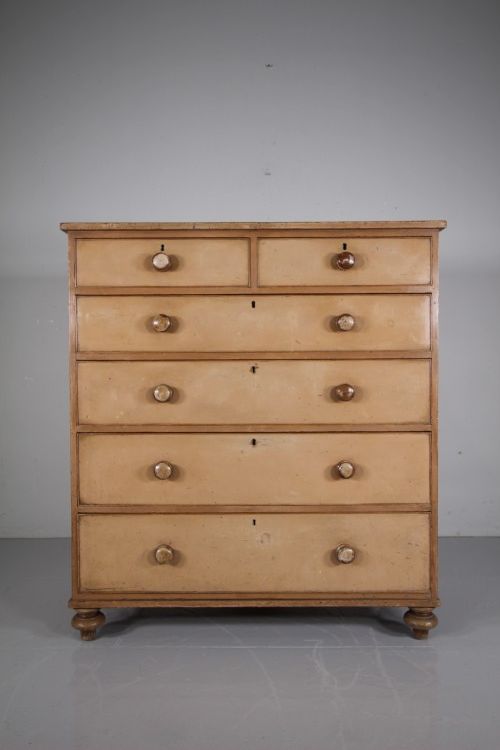
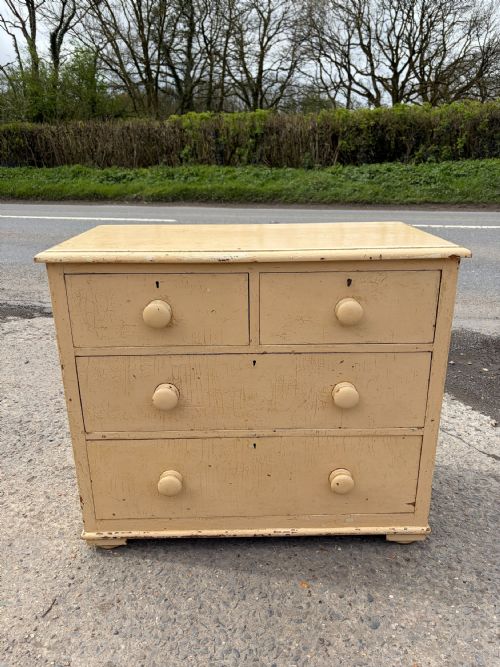
Cream painted chest drawers encompass practical storage furniture finished in historic pale coatings, originating primarily across the eighteenth and nineteenth centuries. These pieces appear in forms ranging from standard chest of drawers formats to serpentine commodes and bow fronted designs.
The selection on this page draws heavily from English, Swedish, and Danish workshops, displaying influences from the Regency period, Victorian country traditions, and French rococo revival styles. Buyers most frequently encounter pine and oak carcassing carrying aged paint surfaces, occasionally topped with marble.
Regional variations span simple country pieces through to sophisticated Scandinavian and continental commodes. Each item balances straightforward domestic utility with decorative painted surfaces that soften traditional timber furniture.
Materials and Construction
Makers built these pieces primarily from native timbers such as pine and oak, relying on traditional joinery techniques to form sturdy carcases and smooth-running drawers. Timber selection dictated the final weight and durability of each chest, with pine offering a lighter domestic option and oak providing denser structural framing.
Surfaces received layers of traditional paint, often in cream or pale tones, applied over timber preparations that sometimes showed original decorative schemes. Metal hardware, including brass handles and key escutcheons, completed the construction, fastened securely to the drawer fronts.
Retail Price Guide 2026
Typical UK retail prices for cream painted chest drawers, calculated from the Sellingantiques database of over a million retail prices indexed since 2003. This retail price guide relies exclusively on Sellingantiques data; no external sources or auction records are used, so the figures do not describe the wider market.
Assessing Quality and Character
Quality in these pieces rests in the integrity of the original timber frame, the harmony of proportions, and the depth of the aged painted surface. Superior examples retain their early paint layers with natural patination, rather than modern repainting, showing how the finish has aged alongside the wood.
Subtlety of form distinguishes the finer pieces, such as a well-executed bow front or serpentine profile that requires considerable joinery skill. The integration of quality hardware like brass handles and, in certain continental pieces, fitted marble tops further elevates the standing of the work.
The Cream Painted Chest Drawers Glossary
- Regency
- A style spanning the early nineteenth century defined by classical restraint and refined proportions. Pieces from this era often feature clean lines and understated ornamentation.
- Commode
- A continental term for a low chest of drawers or cabinet, frequently associated with eighteenth and nineteenth century French and Scandinavian workshops. These often display curved fronts and decorative hardware.
- Serpentine
- A front profile curving outward in the centre and inward at the sides, demanding expert carpentry. This shape adds visual movement to heavy timber furniture.
- Bow front
- A convex curved front that projects outward in a smooth arc. This form softens the blocky silhouette of standard storage chests.
Frequently Asked Questions
How do I date a painted chest?
Dating relies on examining construction methods, timber types, and the composition of the paint layers. Secondary woods inside the drawers and the style of the handles offer reliable clues to the period.
Earlier pieces from the eighteenth century often display hand-cut dovetails and pegged joints, whereas nineteenth-century examples incorporate more standardised machining while retaining hand-finished paint surfaces.
Are these painted finishes original?
Many pieces retain historic or original paint finishes that have developed a soft patina over decades of domestic use. Examining the surface under magnification reveals craquelure and wear consistent with age.
Some items carry later decorative coats applied during subsequent periods to refresh tired timber, which still contributes to the overall aesthetic charm of the piece.
How do I care for antique paint?
Maintenance requires gentle dusting with a dry, soft cloth and avoiding harsh modern chemical cleaners that can strip historic pigments. Keeping the piece away from direct sunlight and extreme humidity protects both the timber and the paint.
Wax polish should be used sparingly and only on unpainted timber sections, as wax can discolour porous historic paint surfaces.
What is the difference between commodes and chests?
While both serve as storage furniture with multiple drawers, commode is a term more commonly applied to continental European pieces. These often feature more elaborate curved fronts and decorative marble tops.
English country chests tend towards straighter architectural lines, utilising native pine and oak with simpler proportions suited to domestic utility.