


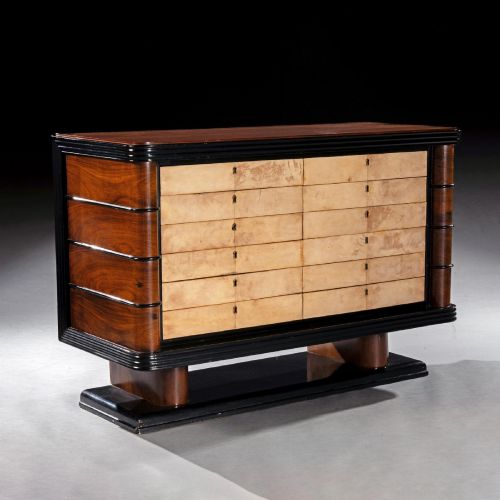
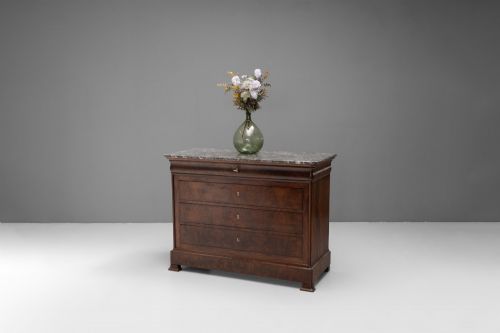
Vintage French Storage Chest
A vintage french storage chest brings sturdy provincial utility and refined continental joinery to a room, offering deep drawers or compartments disguised in walnut, pine, or exotic veneers.
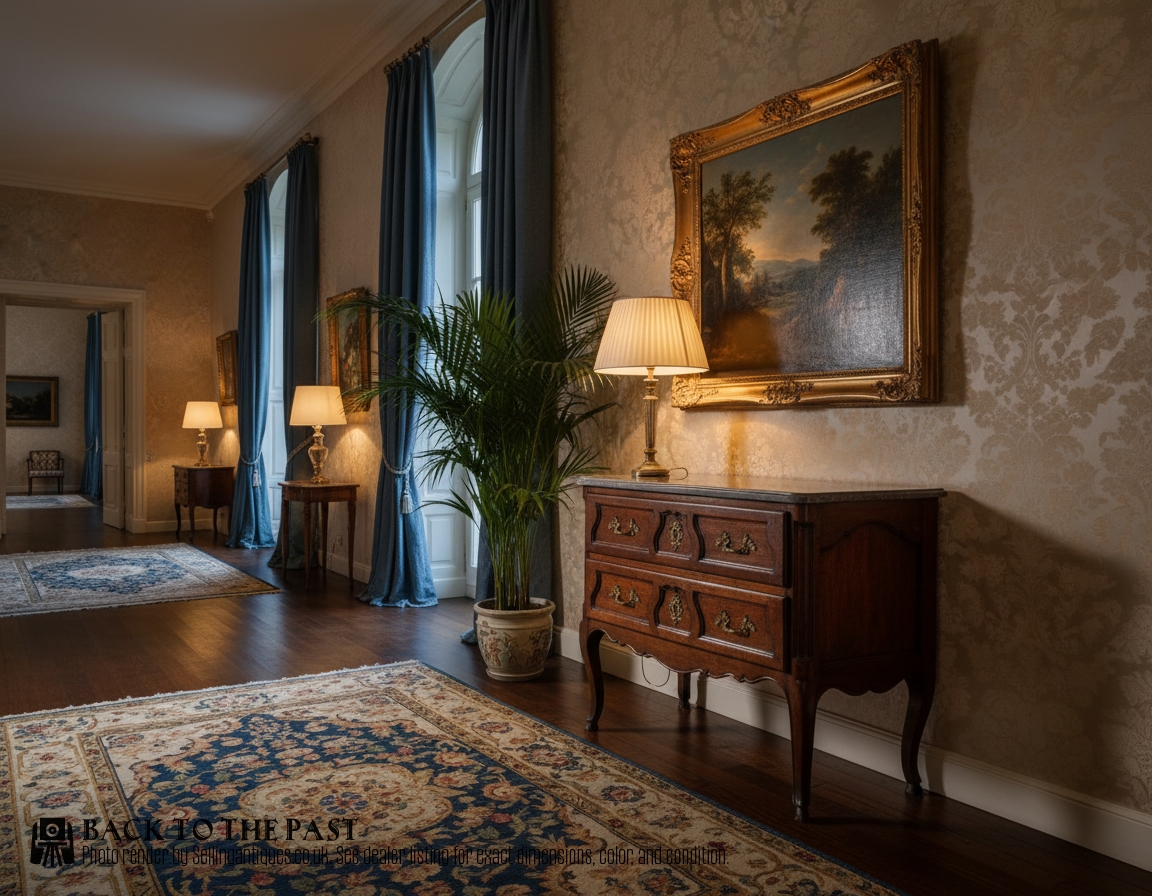
Vintage French Storage Chest
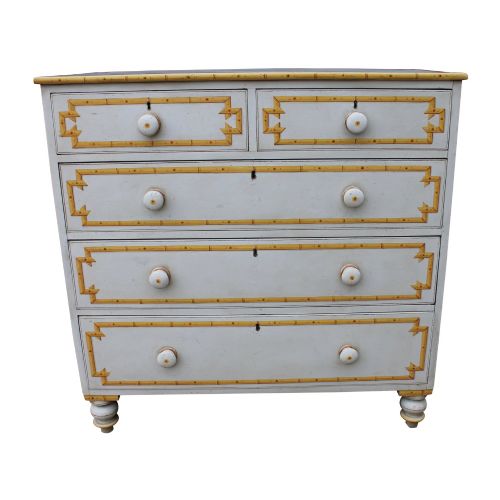
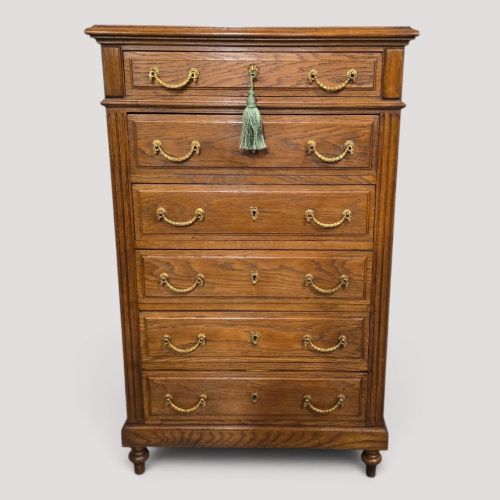
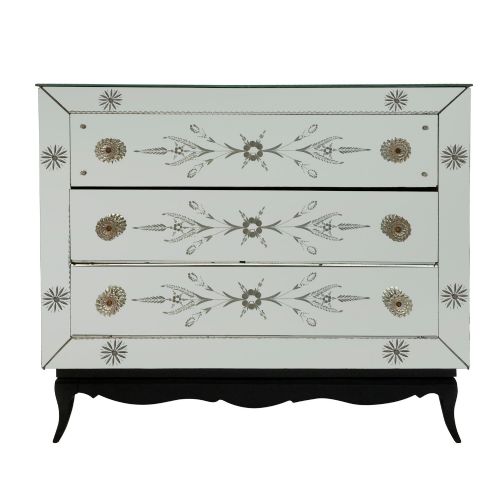
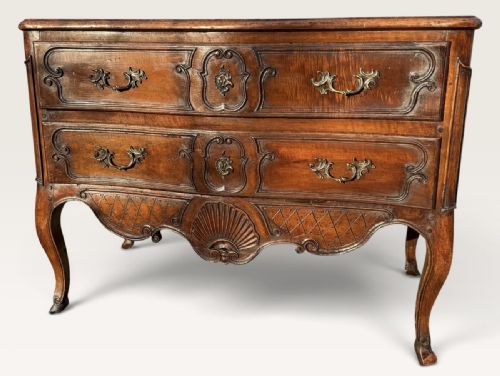
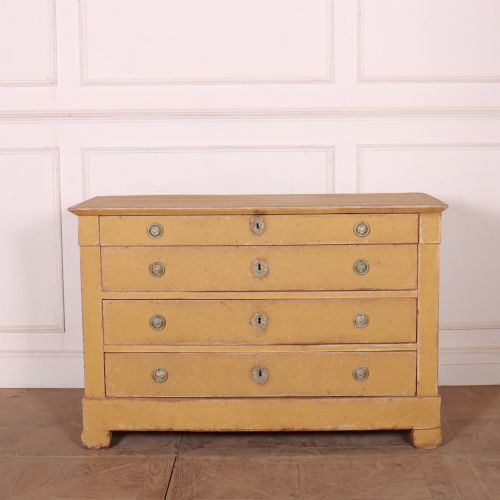
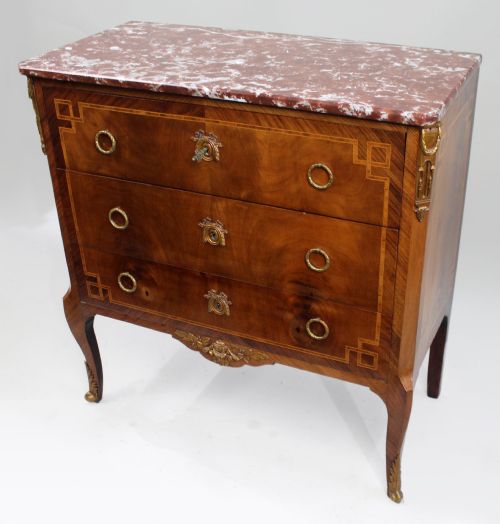
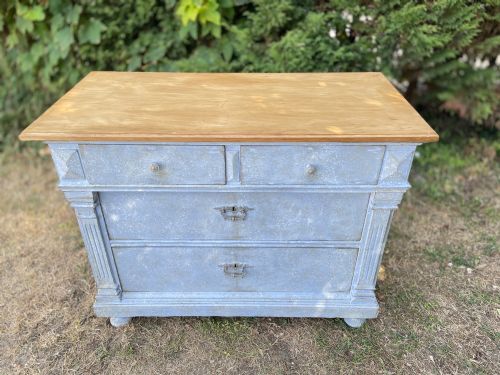
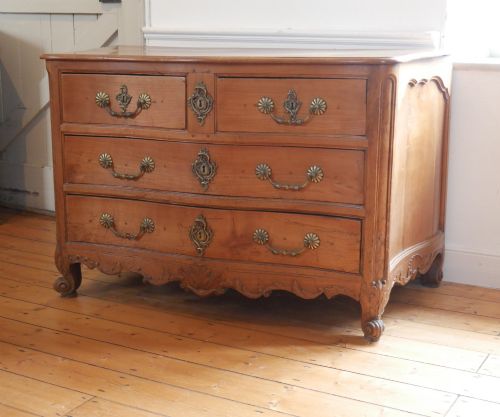
A vintage french storage chest typically manifests as a commode, a chest of drawers, or a trunk drawn from periods spanning the eighteenth century through to the early decades of the twentieth. The selections range from rustic pine and cherrywood country pieces to formal urban commodes finished with marble tops and intricate marquetry.
Buyers will encounter serpentine fronts, bombé silhouettes, and clean Louis Philippe lines across the listings. Materials include walnut, oak, mahogany, and painted wood, often paired with brass or ormolu mounts to complete the continental aesthetic.
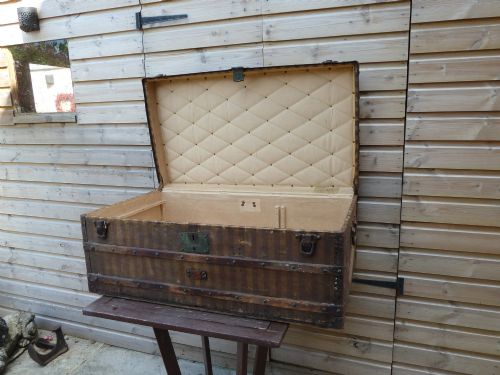
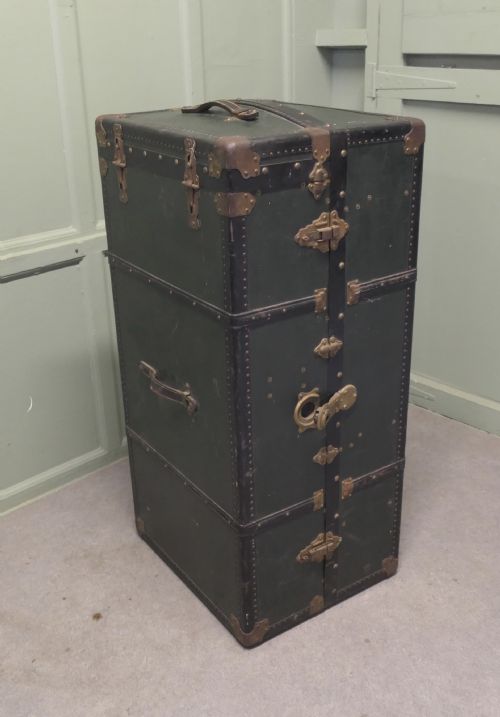
Origins stretch from regional French provincial workshops to grander Parisian cabinet-makers working in revivalist and art deco idioms. The fundamental purpose remains domestic storage, whether through deep drawers, blanket boxes, or fitted steamer trunks.
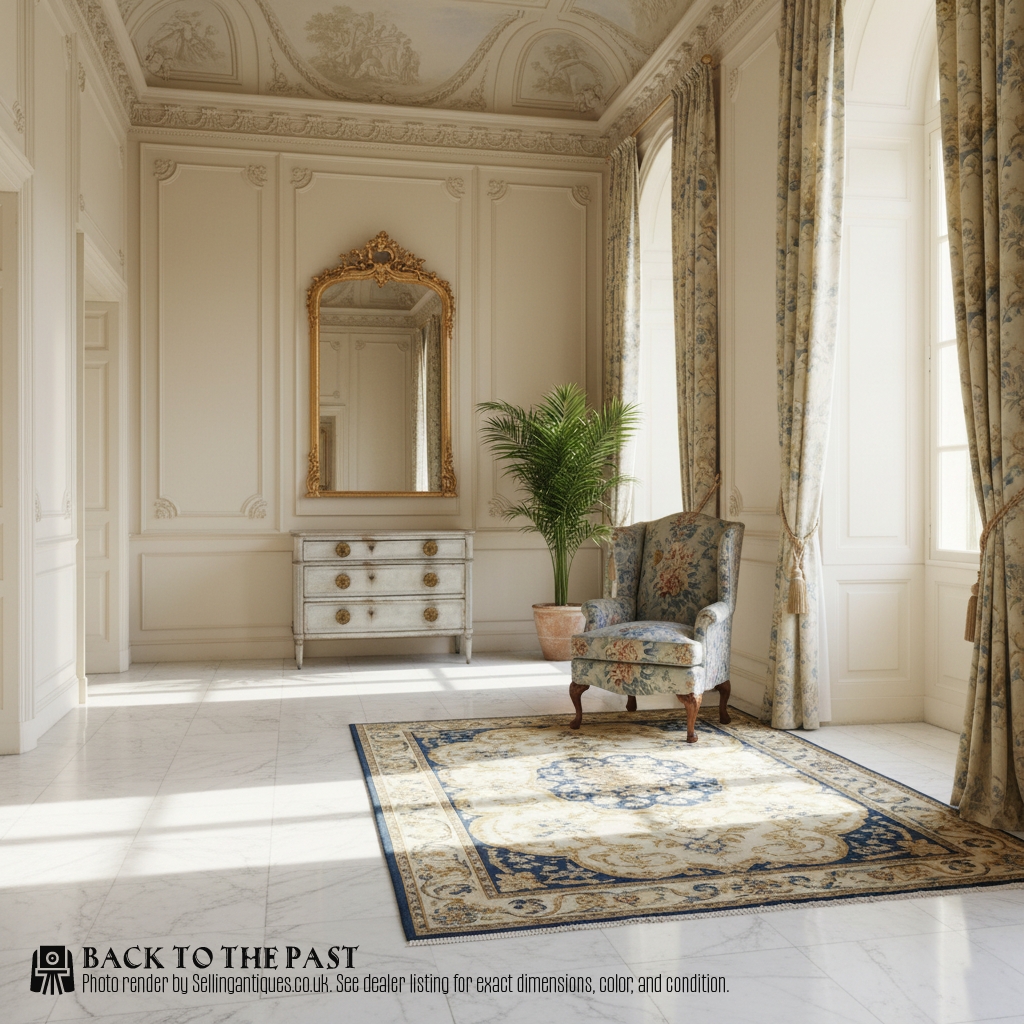
How they were made
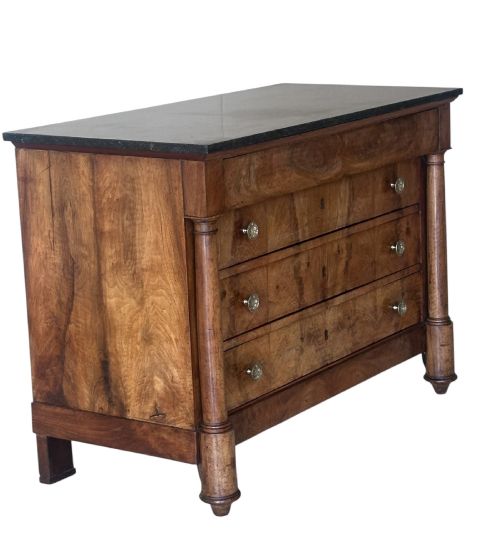
Construction relies heavily on solid regional timbers like walnut, oak, and pine, frequently faced with decorative veneers such as burr ash, amboyna, or palisander. Carcasses employ traditional dovetail joinery for drawer construction, ensuring structural endurance across centuries of use.
Surface treatments vary from hand-applied paint and simple wax finishes to elaborate marquetry inlay and parquetry patterns. Many pieces integrate heavy slabs of grey, rouge, or white marble fitted neatly to the top surface.
Metalwork is integral, utilising brass and ormolu for handles, key escutcheons, and structural mounts that define the decorative style of the period.
Vintage French Storage Chest Retail Price Guide 2026
Typical asking prices for vintage french storage chest among the pieces listed under this phrase on Sellingantiques today, from the lower quarter to the upper quarter. They describe what is for sale here now, not the wider market.
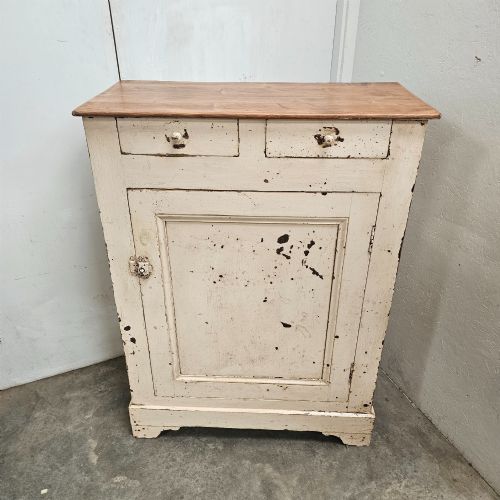
Music cabinets and jam cupboards slip into the mix, proving the French store more than just clothes.
What varies in quality
Quality rests upon the selection of timber and the precision of the cabinet-maker's joinery. Superior examples display carefully matched veneers, tight dovetails, and original marble tops free of structural fractures.
The sophistication of the hardware and the presence of fine details such as hand-cut marquetry or distinctive serpentine and bombé shaping separate standard utility pieces from high-status workshop production.
Edwards and Roberts·Louis Vuitton
The Vintage French Storage Chest Glossary
- Bombe
- A swelling or outwardly curving convex shape characteristic of advanced cabinet-making. This bulbous form creates a dynamic silhouette, particularly on the front and sides of commodes.
- Marquetry
- The art of applying decorative pieces of veneer to a structure to form intricate designs. Craftsmen utilise various coloured woods, metals, and shells.
- Ormolu
- Gilded bronze used widely for decorative mounts and hardware on furniture. It provides a bright metallic contrast against dark timbers like walnut and mahogany.
- Serpentine
- A shaped furniture front featuring a concave centre flanked by two convex ends. This flowing contour requires considerable skill from the joiner.
Vintage French Storage Chest: Frequently Asked Questions
What distinguishes a commode from a standard chest of drawers?
A commode is specifically a low French chest of drawers or cabinet, often characterised by more decorative proportions and frequently fitted with a marble top.
Historically designed for formal rooms, these pieces prioritize aesthetic display alongside practical storage.
How do I identify the period of a vintage French chest?
Dating relies on observing stylistic markers such as the restrained lines of the Louis Philippe period or the curved movements of Louis XV revival designs.
Construction methods, timber choices, and secondary woods inside the drawers also offer reliable clues to the decade of manufacture.
Are marble tops original to these storage chests?
Many commodes and cabinets from the nineteenth century onwards were designed specifically to accommodate heavy marble slabs in grey, white, or rouge.
These stone tops provided durable surfaces for daily use and added significant weight and stability to the carcass.
How should I care for polished wood and marble surfaces?
Wooden surfaces benefit from occasional application of natural wax to nourish the grain and protect the finish from excessive dryness.
Marble tops require gentle cleaning with damp cloths, avoiding acidic substances that can etch the polished stone surface.