

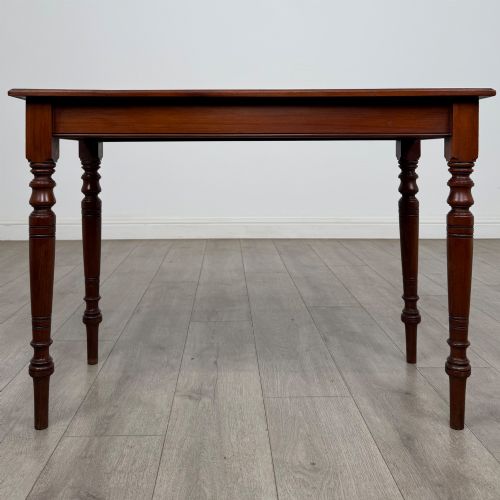
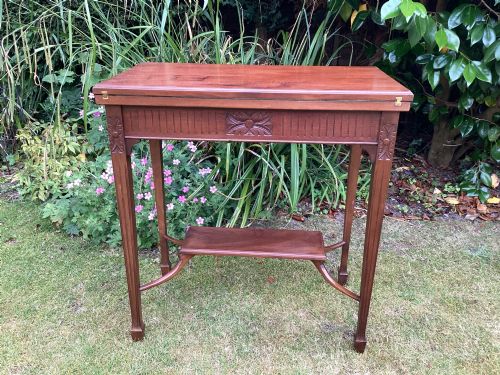
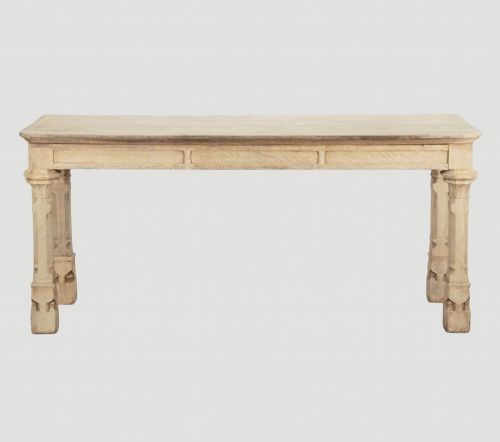
Carved Wooden Sofa
A carved wooden sofa brings sculptural weight and classic seating to a room, offering enduring craftsmanship from past centuries.

What these pieces are
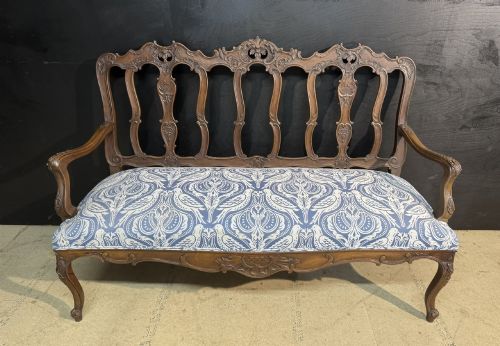
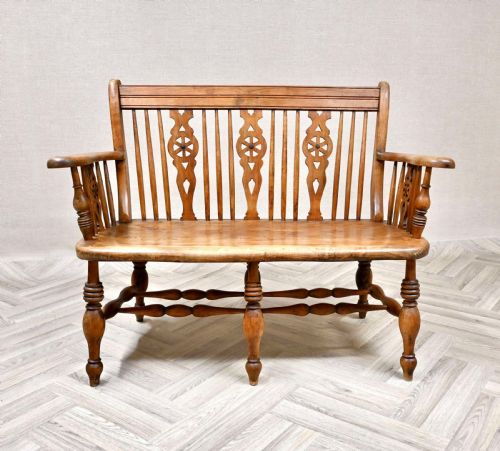
A carved wooden sofa encompasses antique settees and couches shaped from solid timber frames, reflecting distinct historical periods. Buyers searching for a carved wooden sofa encounter examples spanning the eighteenth and nineteenth centuries.
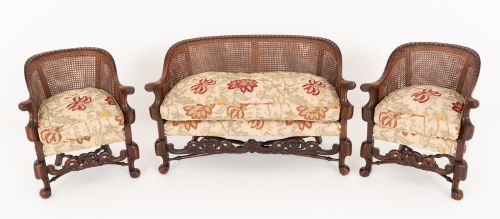
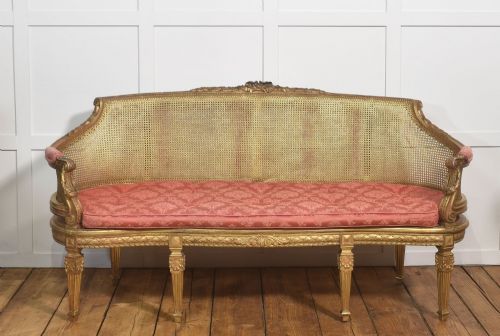
Makers utilised various upholstery finishes alongside exposed wooden frames, ranging from caned panels to buttoned leather and soft fabric covers. Forms include spacious canapes and robust show-frame Chesterfields designed for formal reception rooms.
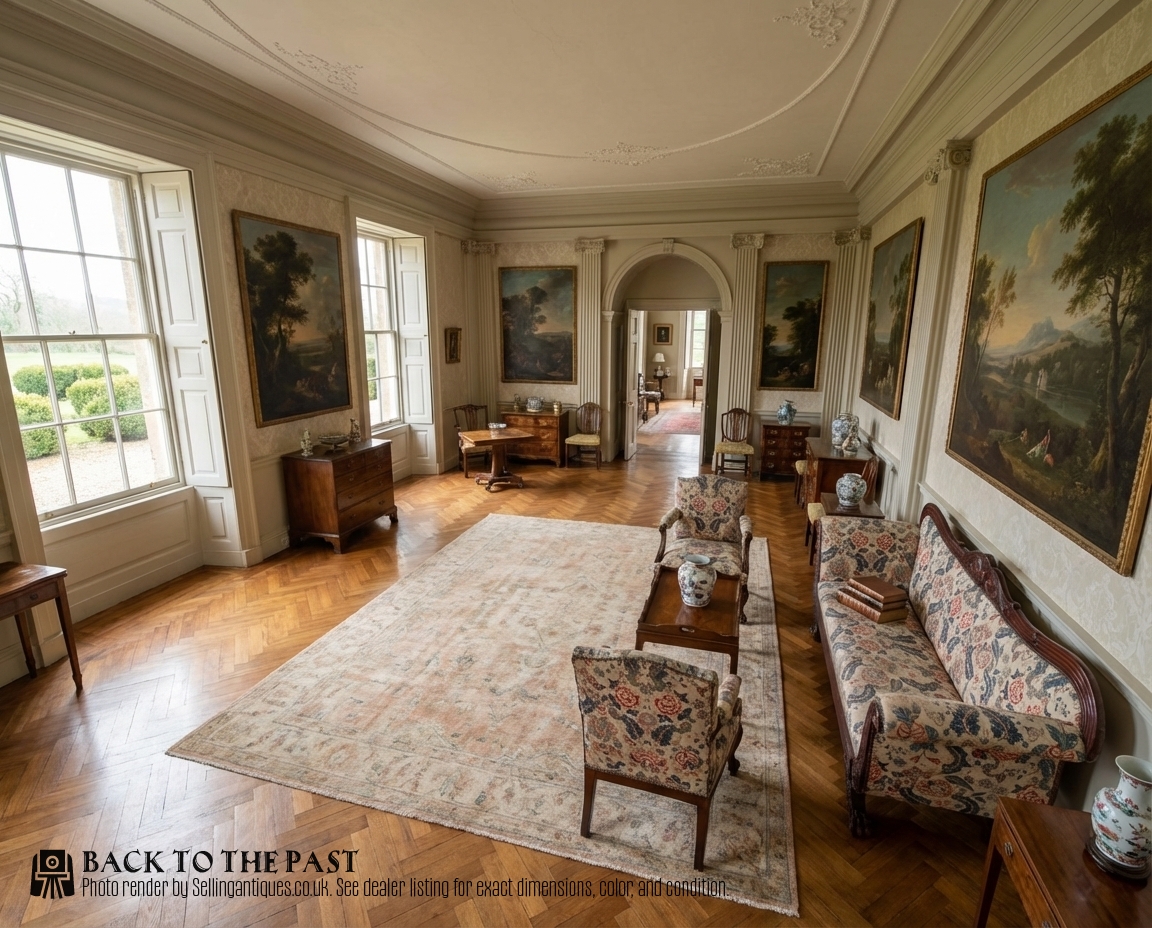
How they were made
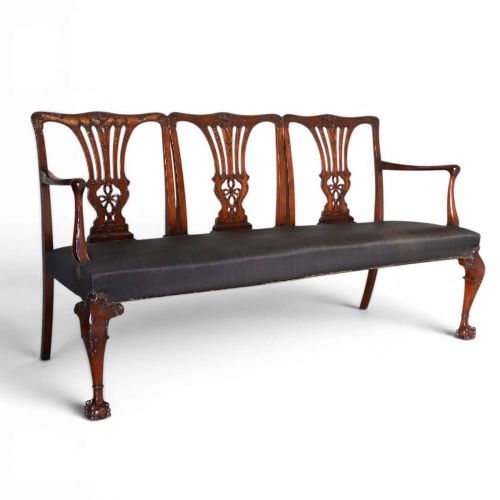
Carpenters constructed these frames primarily using walnut and mahogany, shaping the timber through hand-carving techniques. Structural stability relies upon traditional joinery methods hidden beneath the upholstery and frame mouldings.
Internal upholstery systems incorporate natural materials such as webbing and linen to support the padded seat decks. Secondary elements like brass fittings and caned cane panels demonstrate the varied craftsmanship applied to individual frames.
Retail Price Guide 2026
Typical UK retail prices for carved wooden sofa, calculated from the Sellingantiques database of over a million retail prices indexed since 2003. This retail price guide relies exclusively on Sellingantiques data; no external sources or auction records are used, so the figures do not describe the wider market.
Listings feature pieces spanning the eighteenth century through to nineteen ten, predominantly utilising walnut and carved wood alongside fabric and leather.
What varies in quality
The crispness and depth of the timber carving separate standard production from superior examples, as skilled carvers achieved intricate floral and scroll motifs with clean relief. Timber selection also dictates overall grade, with dense, well-figured walnut commanding greater visual presence than simpler secondary woods.
Proportion and structural integrity define the higher tier of these seats, where the frame lines flow harmoniously without clumsy alterations or heavy repairs. The integration of the show-frame with the upholstered elements reveals the original maker's intent and architectural balance.
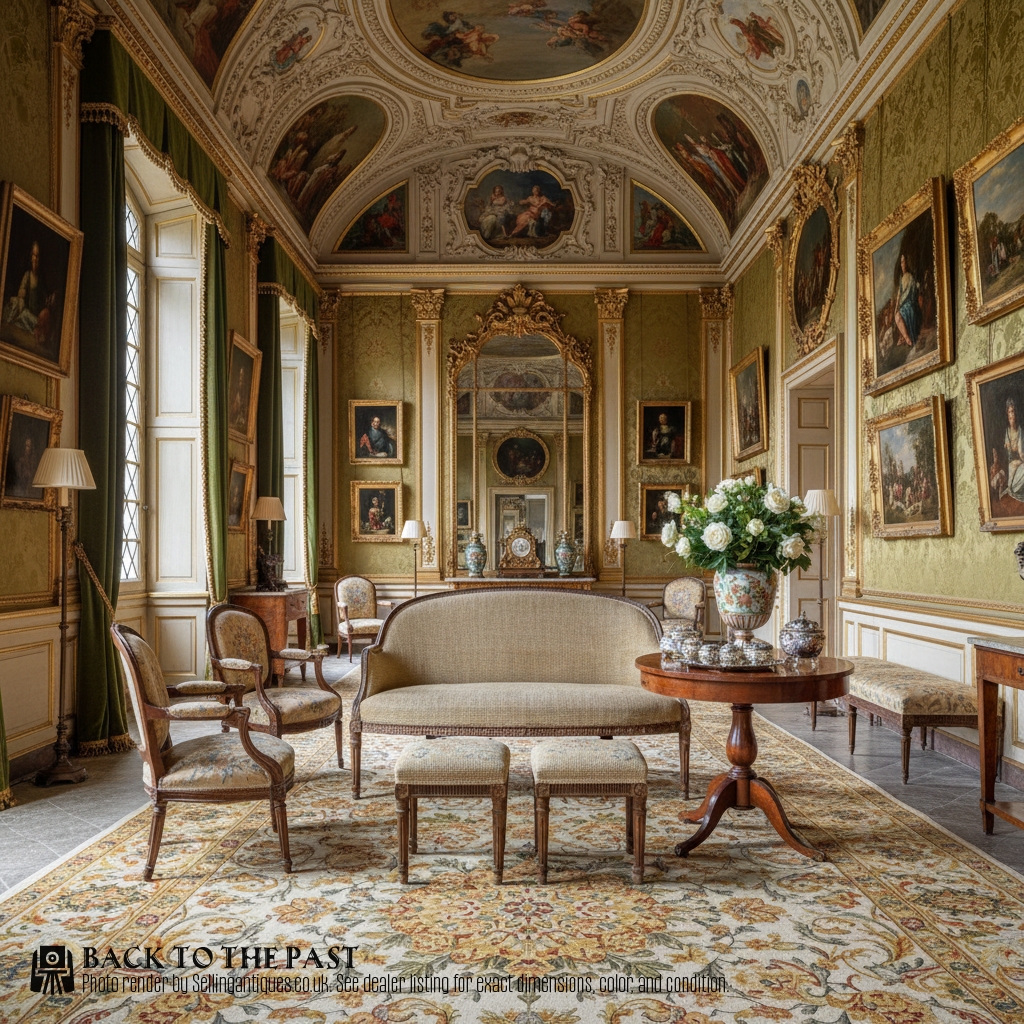
The Carved Wooden Sofa Glossary
- Walnut
- A hard timber prized for its rich grain and dark colour, frequently utilised for fine nineteenth-century frames. It takes a crisp carved edge exceptionally well.
- Caning
- A woven plant material used to form open panels on backrests and sides, particularly visible on French bergere seating. This technique provides lighter visual weight.
- Show-frame
- A wooden structural surround left exposed around the upholstered elements of a sofa or settee. Carved decoration typically concentrates on these visible wooden borders.
- Canape
- A traditional French term for an upholstered sofa or settee featuring an exposed wooden frame. These pieces often display pronounced curves and carved floral motifs.
- Webbing
- Strong woven bands stretched across the interior frame to support the springs and padding of a seat. It forms the foundational layer beneath the final upholstery cover.
Frequently Asked Questions
Where did these sofas originate?
These seating forms emerged from various European workshops, incorporating distinct regional aesthetics from Britain, France, and Italy. Cabinetmakers adapted local furniture traditions to suit changing interior fashions.
French pieces often display flowing rococo revival curves, whilst British examples lean towards robust Victorian proportions and heavy walnut frames.
How do I care for the wood?
Maintain the timber surfaces by avoiding direct sunlight and excessive heat, which can dry out antique finishes. Regular dusting with a soft, dry cloth preserves the natural lustre of the walnut and mahogany.
Refrain from using silicone-based polishes that build up over time. Gentle application of traditional wax feeds the aged wood appropriately.
Can these sofas fit modern rooms?
Antique settees integrate successfully into contemporary interiors by providing a strong focal point and contrasting textures. Their lower profiles and historical silhouettes complement minimalist or eclectic decors.
Placement away from direct heat sources ensures the aged timber and upholstery remain stable. They function effectively as statement seating in living spaces or hallways.