



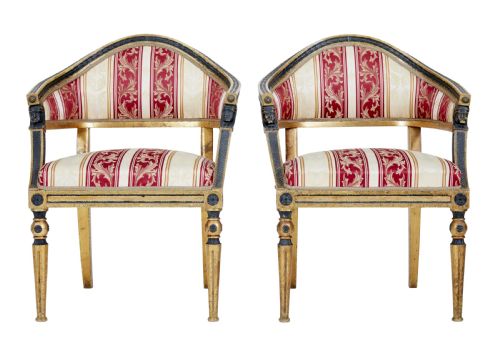

Swedish Empire Furniture
Swedish empire furniture brings striking classical restraint and pale northern woods to interiors.
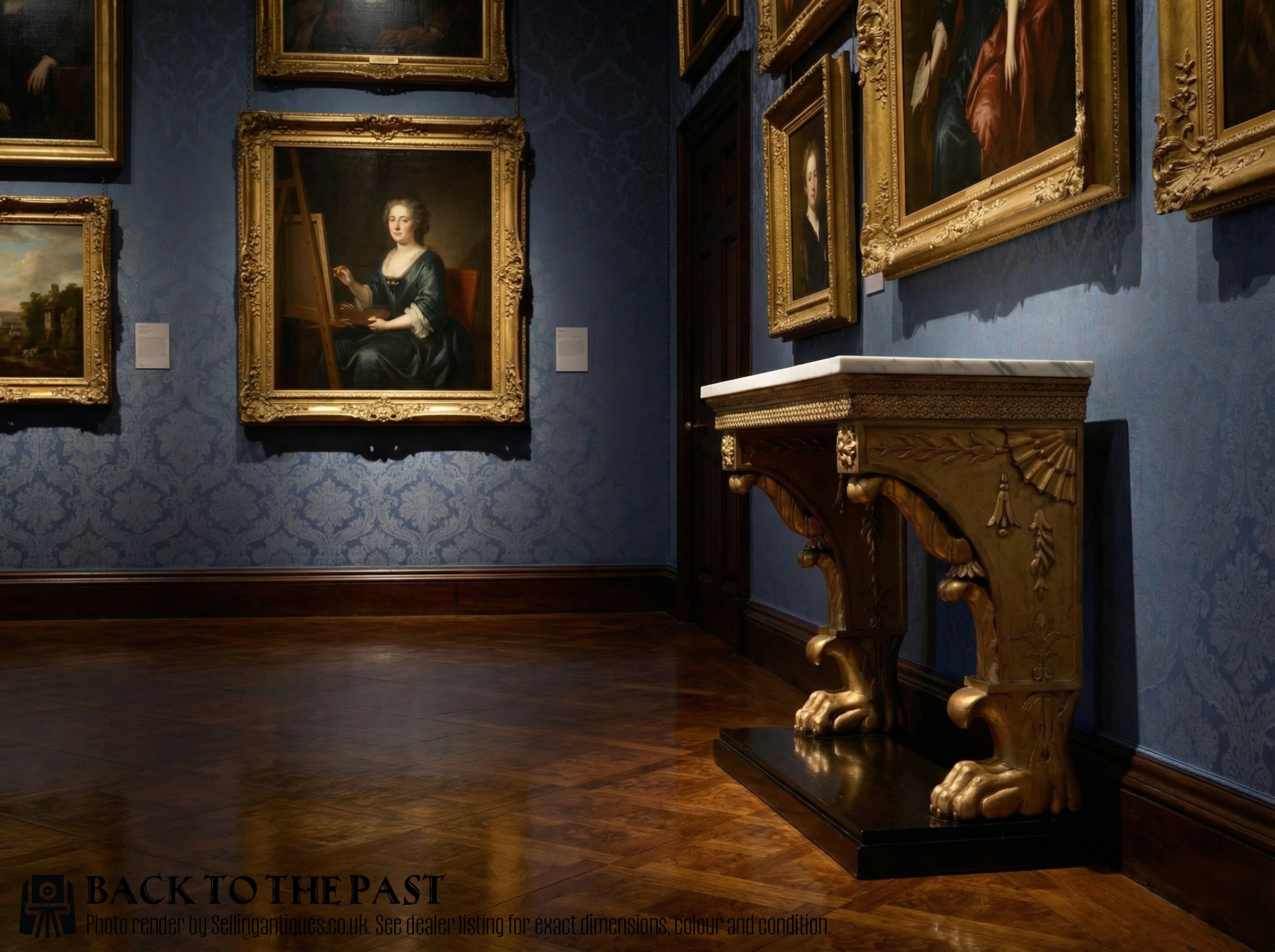
Swedish Empire Furniture
When you search for Swedish empire furniture, you are looking at formal seating, tables and storage pieces shaped by continental neoclassical ideas. These designs arrived in Scandinavia via France and Russia during the nineteenth century, adopting local materials.
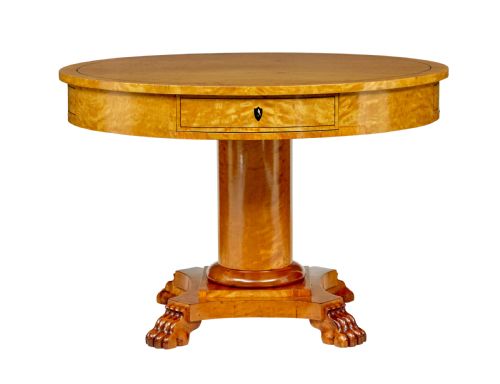
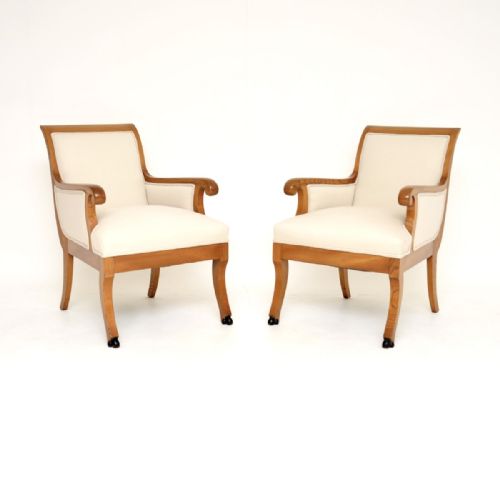
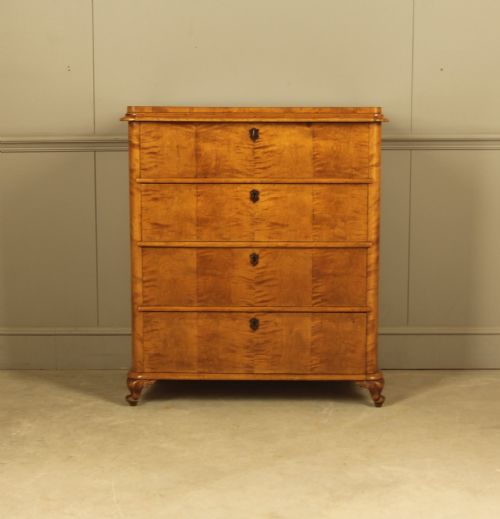
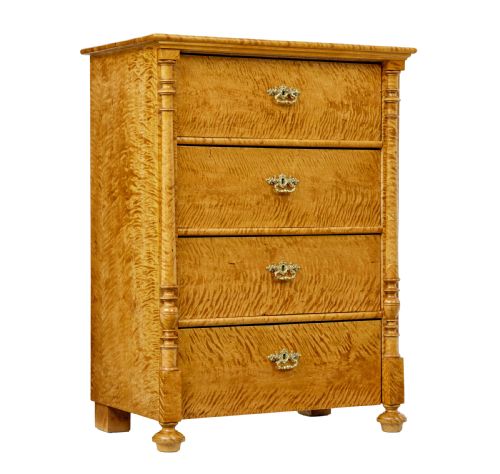
The version you are most likely to meet on this page is the chest of drawers or centre table executed in pale birch. Alongside these core forms appear armoires, armchairs and sofas reflecting subsequent nineteenth and early twentieth century revivals.
Makers adapted classical proportions to suit domestic spaces, resulting in architectural silhouettes paired with warm timber grain. Pieces span the nineteenth century and extend into later revival periods.
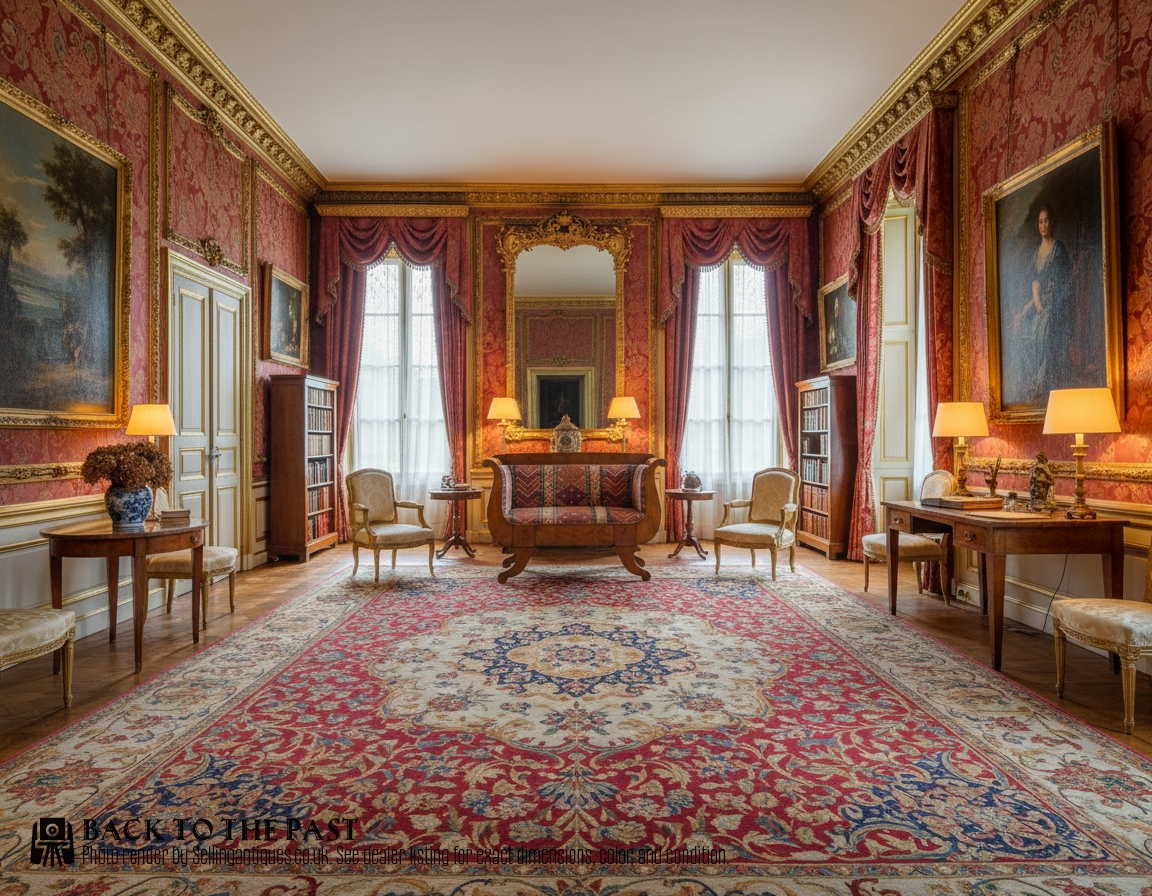
How they were made
Cabinetmakers constructed carcass frames from pine before applying veneers of birch, flame birch, tiger birch, burr elm or mahogany. Solid timbers such as elm and birch formed structural elements for chairs and tables.
Surface decoration relied heavily on contrasting dark ebonised details, gilt carving and cast brass mounts applied to architectural mouldings. Upholstered seating used traditional fabric coverings over sprung or stuffed frames.
Swedish Empire Furniture Retail Price Guide 2026
Typical asking prices for swedish empire furniture among the pieces listed under this phrase on Sellingantiques today, from the lower quarter to the upper quarter. They describe what is for sale here now, not the wider market.
Secret compartments inside secretaire chests kept love letters safe from the postman.
What varies in quality
Quality rests upon the selection and matching of timber veneers across large surfaces like drawer fronts and tabletops. Flame and burr patterns require careful bookmatching to create symmetrical visual weight.
Joinery execution and the crispness of applied brass mounts or carved gilt details distinguish workshop standards. Finer examples retain integrated proportions where classical columns, pilasters and cornices balance the overall form.
The Swedish Empire Furniture Glossary
- Flame birch
- A figured timber grain displaying undulating, flame-like patterns across the surface. Cabinetmakers prized this veneer for principal drawer fronts.
- Karl Johan
- A Scandinavian neoclassical style spanning the early nineteenth century. It bridges strict empire forms and the later comfort of Biedermeier design.
- Secretaire
- A cabinet or chest incorporating a fitted writing drawer with a drop-down front. These compartments often house small pigeonholes and secret drawers.
- Teapoy
- A small decorative table fitted with interior compartments for storing tea caddies. They frequently sat in drawing rooms during the nineteenth century.
- Gilt
- A thin layer of gold leaf applied to carved wooden surfaces. This technique highlighted structural details on formal seating and tables.
Swedish Empire Furniture: Frequently Asked Questions
How do I spot an empire revival piece?
Revival pieces often date from the late nineteenth or early twentieth centuries, adopting earlier neoclassical vocabulary. They utilise similar birch veneers and brass mounts but carry different internal construction methods.
Examine the secondary woods inside drawers and the backing boards to understand the manufacturing period. Stylistic cues alone can blur the line between original nineteenth-century items and later revivals.
Where should I place a centre table?
A circular centre table sits naturally in the middle of a room, allowing light to catch the grain of the timber top from multiple angles. Historically, these stood in entrance halls or principal reception rooms.
Ensure there is sufficient clearance to walk around the piece comfortably. Placing a lamp or ceramic object on top completes the arrangement without obscuring the wood.
How do I care for birch veneer?
Protect birch surfaces from direct sunlight to prevent fading of the pale timber tones. Dust regularly with a dry cloth and avoid harsh chemical polishes.
Maintain stable humidity levels in the room to prevent the veneer from lifting or cracking over time. Natural wax applied sparingly preserves the sheen of the polish.
What is the difference between empire and biedermeier?
Empire style prioritises strict classical symmetry, architectural columns and military-inspired mounts derived from French sources. It projects formality and grandeur.
Biedermeier design simplifies these classical lines for middle-class domestic comfort, focusing on unadorned wood grains and practical utility. Swedish furniture frequently blends elements of both traditions.