
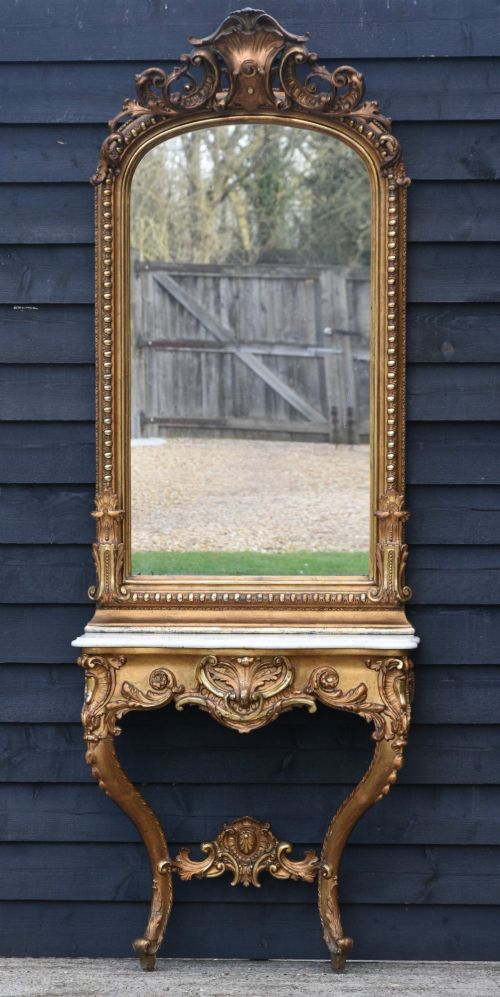
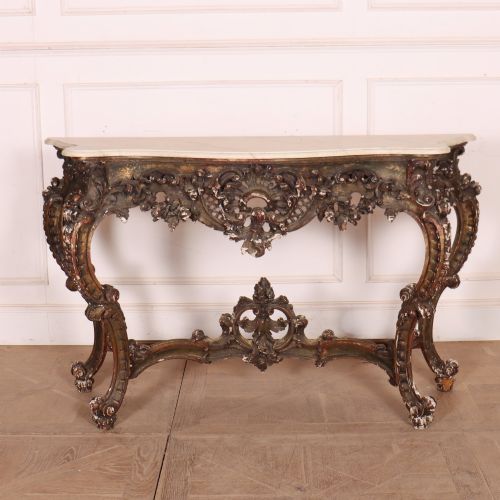
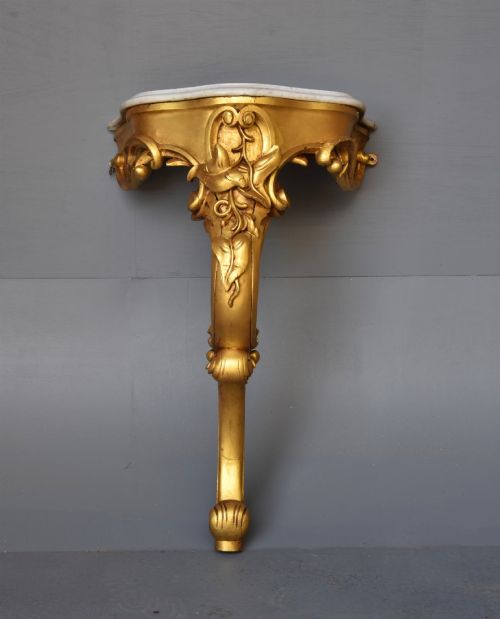
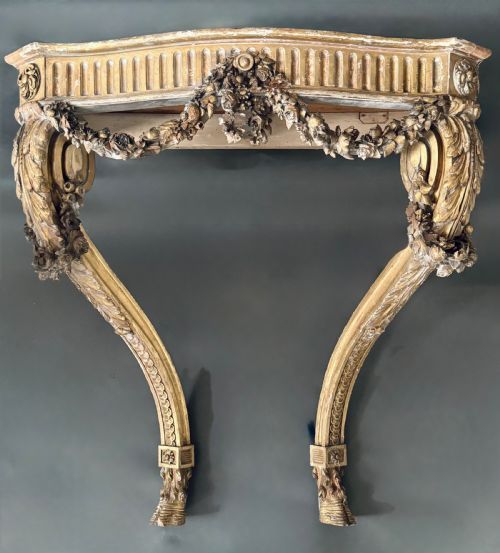
Gilded Wall Table
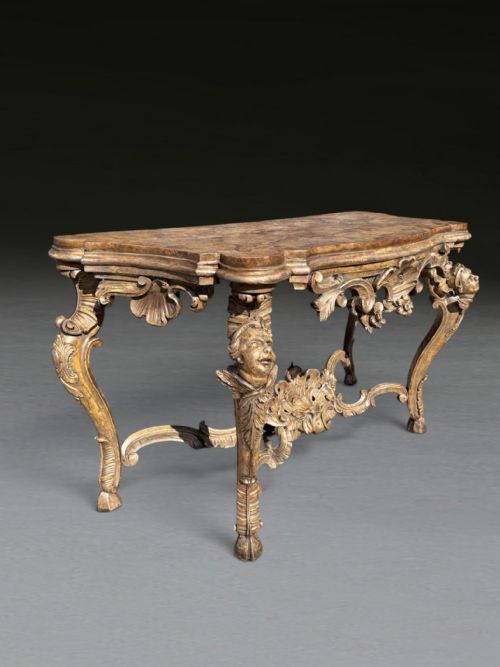
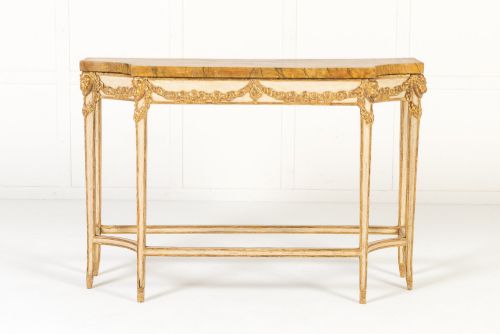
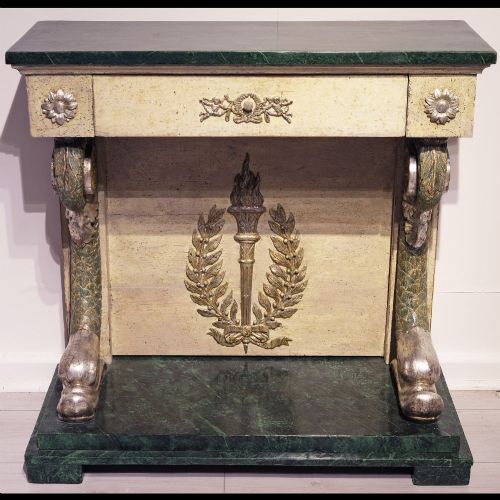
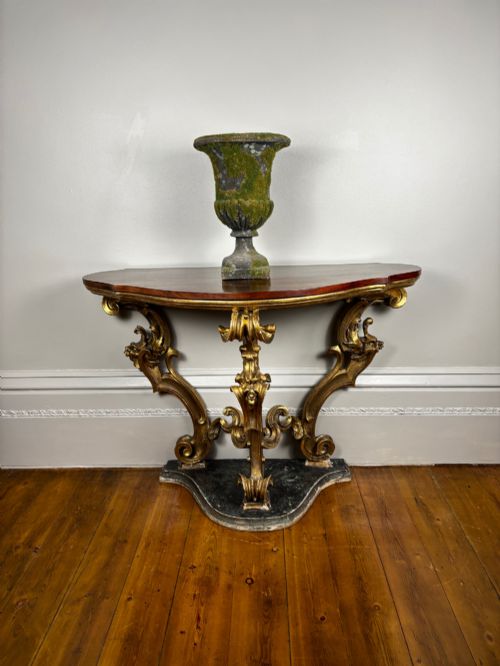
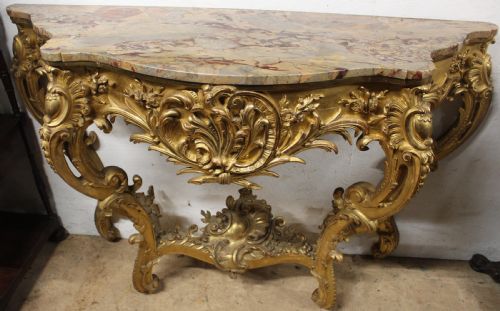
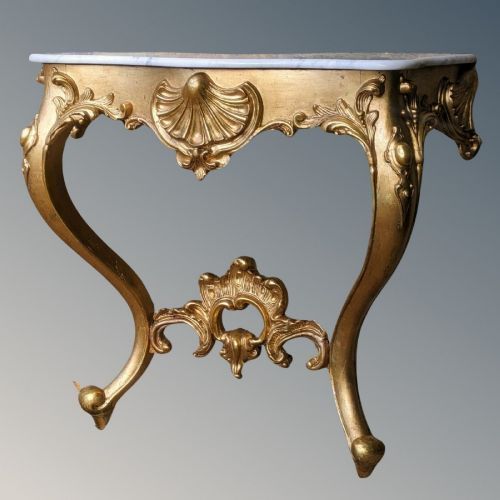
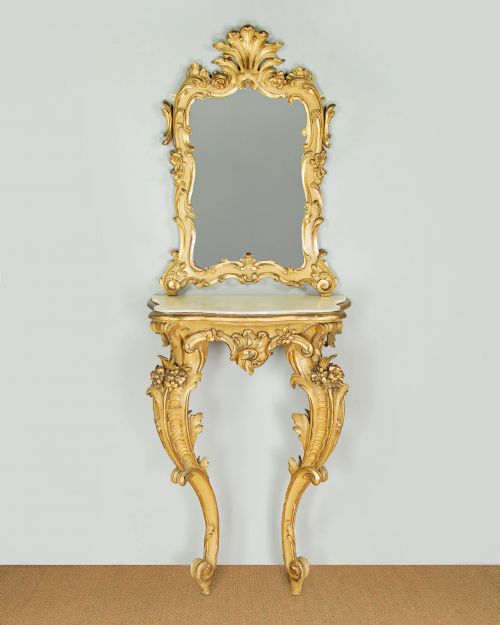
These gilded wall table pieces bring classical presence to a room, offering surface space on carved frames finished in gold leaf or paint.
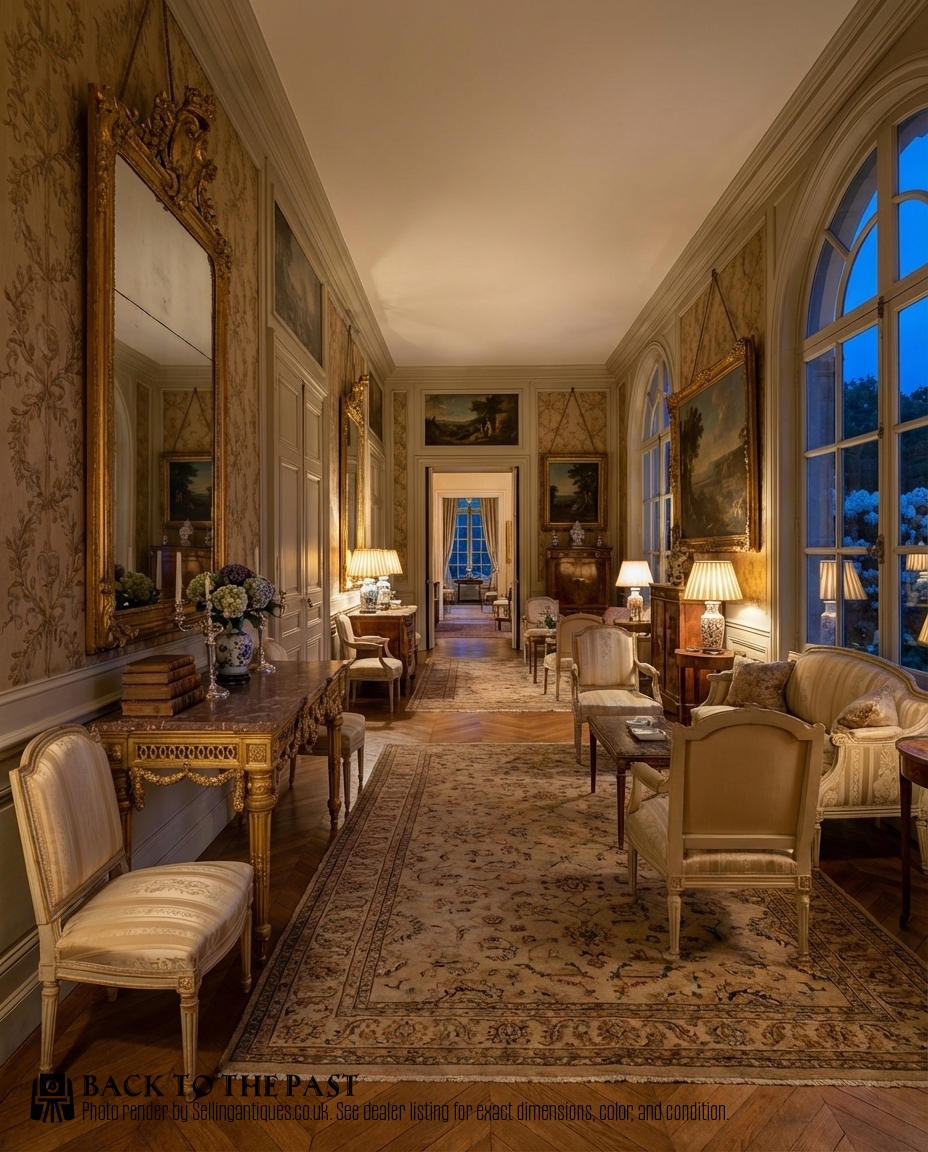
What a gilded wall table is
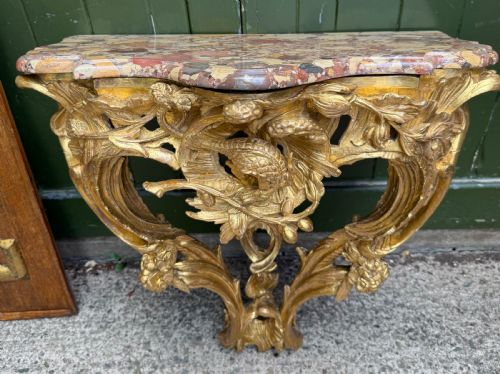
A gilded wall table provides a decorative surface designed to sit flush against a wall, frequently topped with marble. When you search for this phrase, you find console tables spanning the eighteenth and nineteenth centuries.
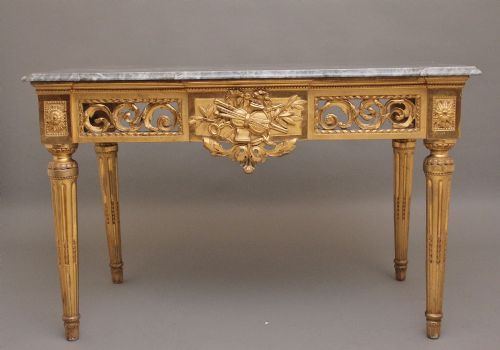
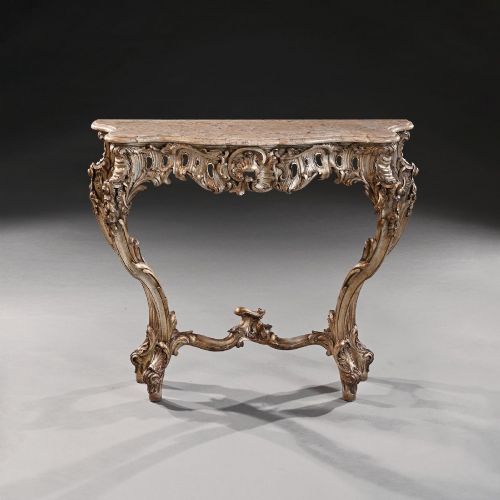
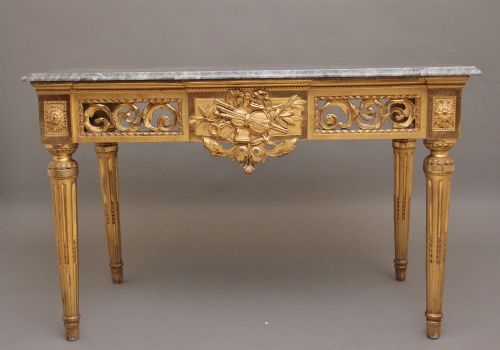
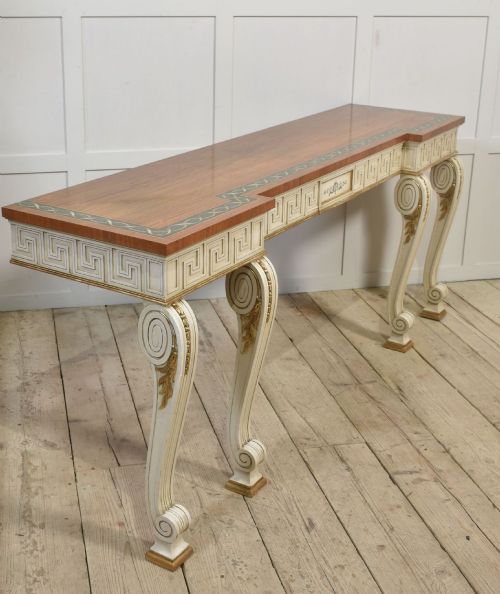
The pieces on this page include examples from French, Swedish, and English traditions. Styles range from Rococo and Louis XVI to Kentian Neo-Palladian and Swedish Empire.
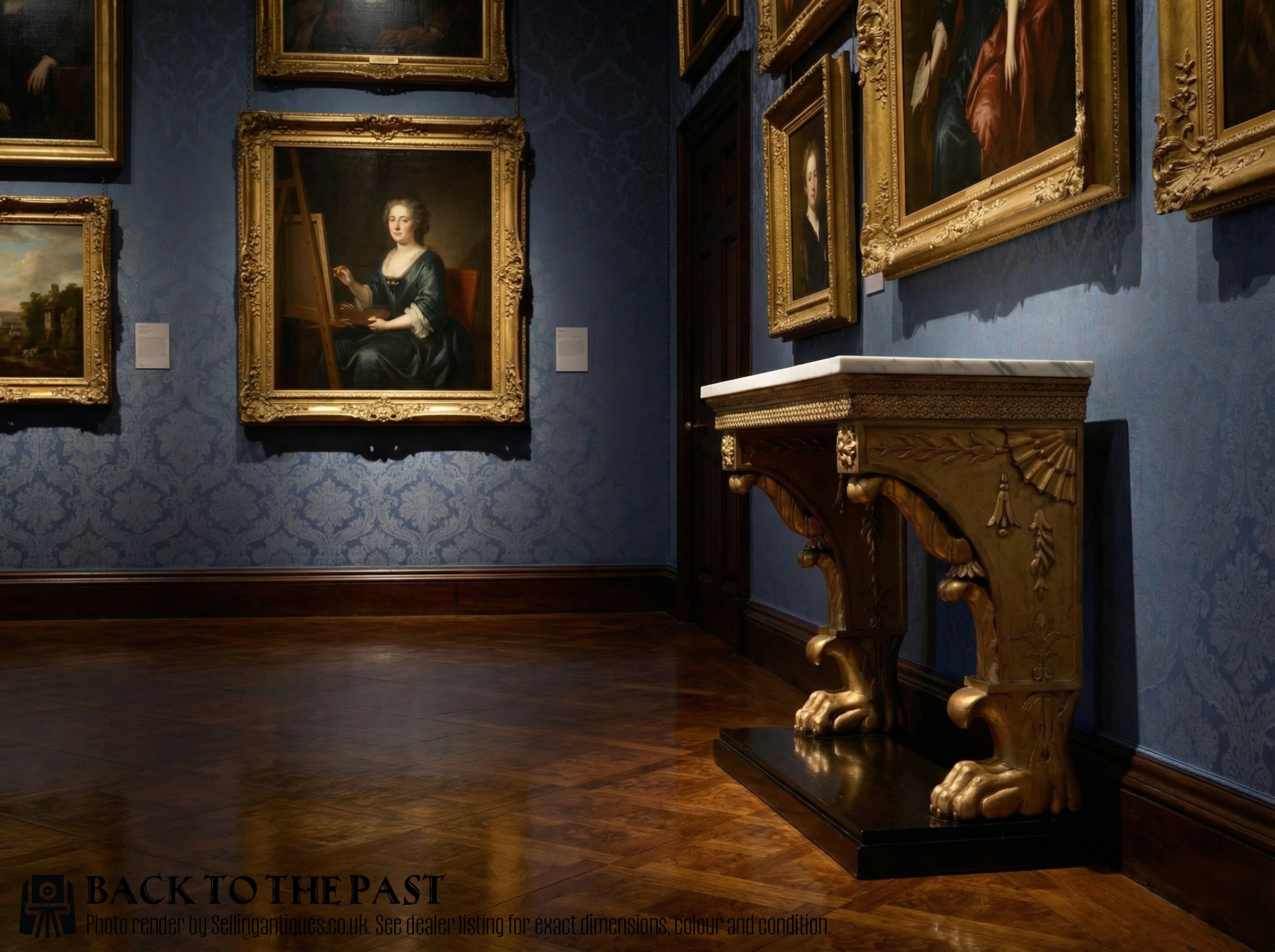
How they were made
Carpenters carved the wooden frames from timber, applying gesso to prepare surfaces for gilding. Artisans laid gold leaf over the prepared ground to achieve a bright metallic finish.
Some pieces incorporate painted wood alongside gilding. Heavy stone tops, particularly marble, rest directly upon the supporting console structures.
Retail Price Guide 2026
Typical UK retail prices for gilded wall table, calculated from the Sellingantiques database of over a million retail prices indexed since 2003. This retail price guide relies exclusively on Sellingantiques data; no external sources or auction records are used, so the figures do not describe the wider market.
Current listings feature marble tops paired with giltwood, gesso, and painted wood across eighteenth and nineteenth-century periods.
What varies in quality
Carving depth and sharpness separate standard joinery from superior craftsmanship. Crisp execution in the wooden ornaments reflects the hand of a skilled artisan.
The application of gold leaf and the preservation of the underlying gesso dictate visual richness. Integrated stone slabs show variation in veining and thickness.
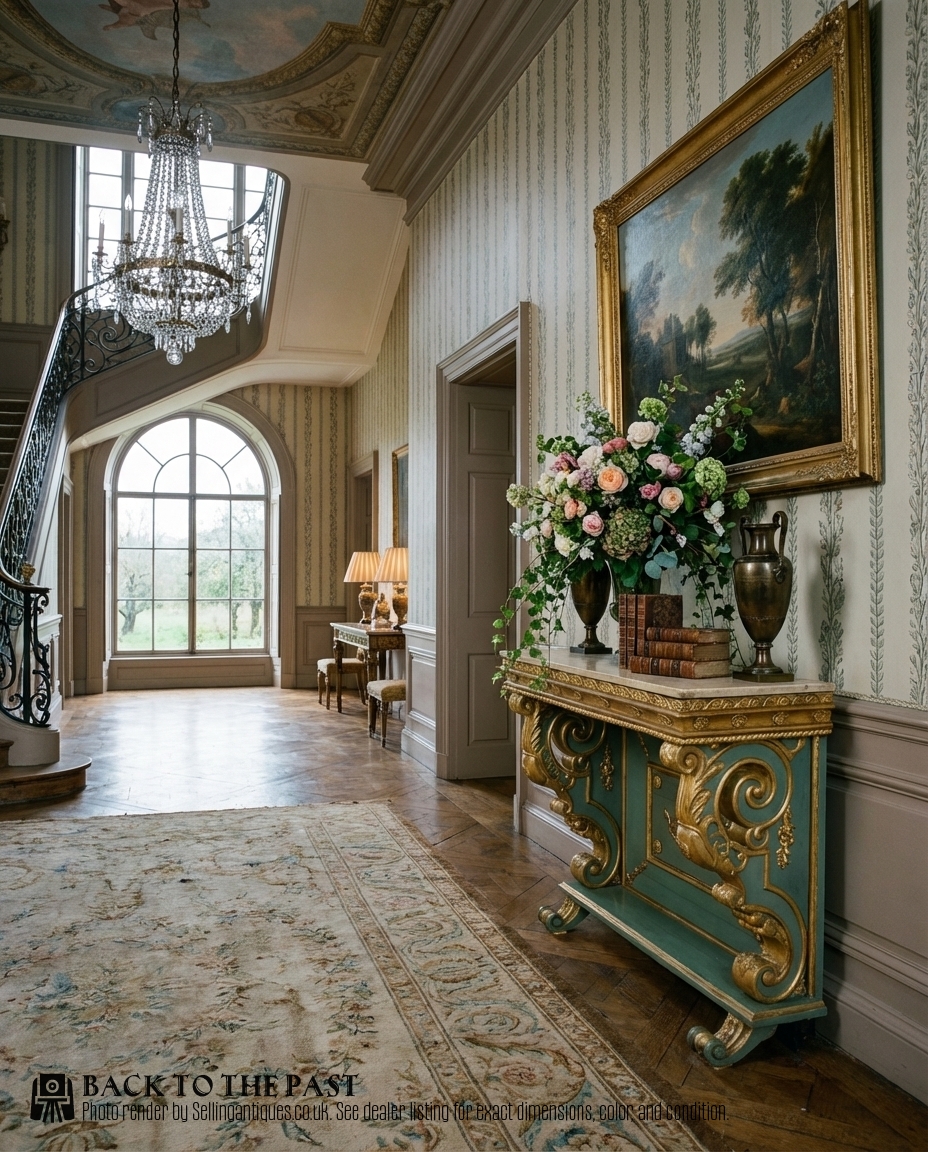
The Gilded Wall Table Glossary
- Console table
- A table supported by wall brackets or console legs rather than four independent legs. These pieces are designed to save floor space and display decorative objects.
- Giltwood
- Timber coated with gold leaf or gold paint for decorative effect. This material defines the surface appearance of many classical console tables.
- Gesso
- A plaster mixture applied to wood to create a smooth surface for gilding. It allows carvers to achieve fine detail before applying gold leaf.
- Kentian Neo-Palladian
- An architectural and furniture style associated with William Kent, featuring bold classical motifs and heavy proportions. Pieces in this manner show strong architectural influence.
Frequently Asked Questions
What is a gilded wall table used for?
These tables provide a display surface in hallways, reception rooms, and living spaces. They sit flat against a wall, often beneath a mirror or artwork.
Historically, they held decorative objects, lighting, or porcelain collections. Their slim profiles suit narrow circulation areas.
How do I identify a Louis XVI style console?
Louis XVI style pieces draw upon classical antiquity with straight lines and geometric symmetry. Details often include fluted legs and classical carving motifs.
These designs contrast with the curved asymmetry seen in earlier Rococo examples.
What materials make up these tables?
Frames consist of wood finished in giltwood, gesso, gold leaf, or paint. Tops are commonly fashioned from heavy marble.
Combination pieces feature painted wooden elements alongside areas of applied gilding.
How do I care for giltwood furniture?
Giltwood surfaces require gentle dusting with a soft, dry cloth. Avoid chemical cleaning products that can strip the delicate gold leaf.
Keep the tables away from direct heat sources and high humidity to protect the wood and gesso layers.