

Ornate Side Table
An ornate side table brings sculptural presence to a room, combining rich materials and elaborate carving from the nineteenth and twentieth centuries.
Ornate Side Table
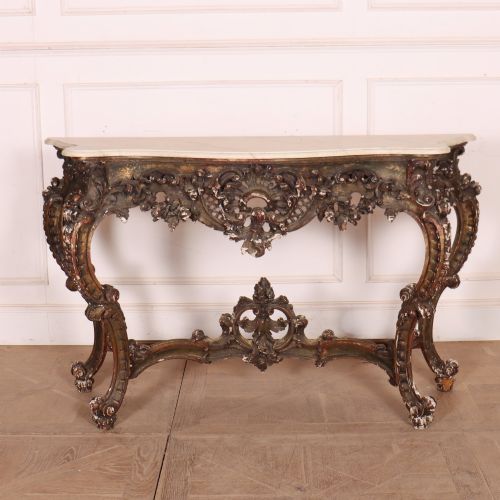
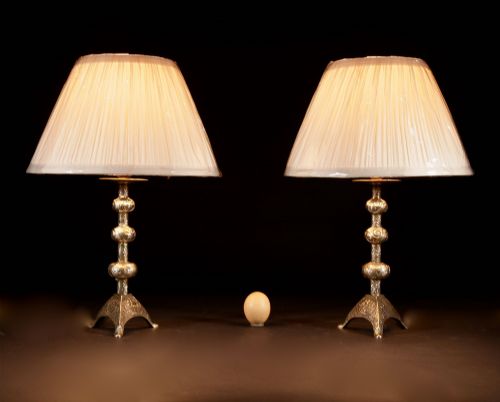
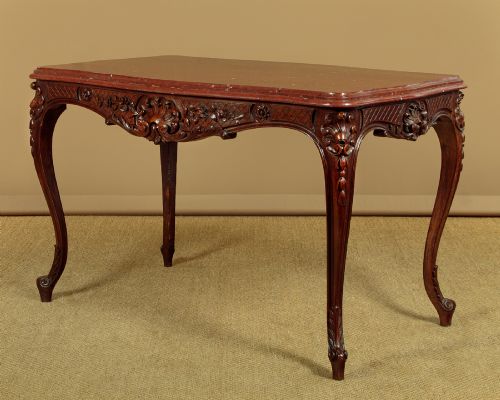
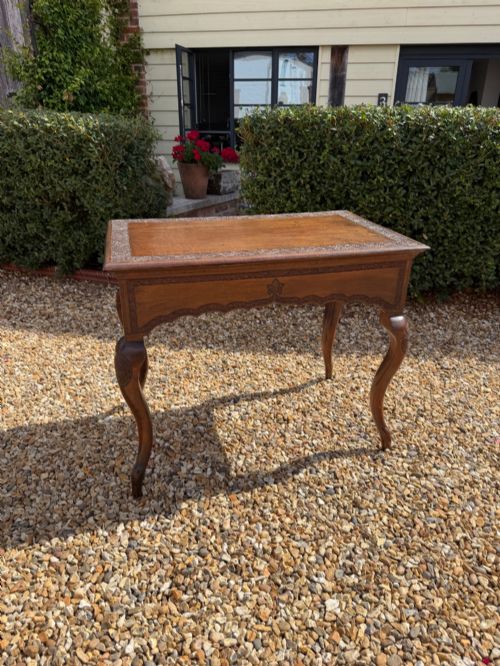
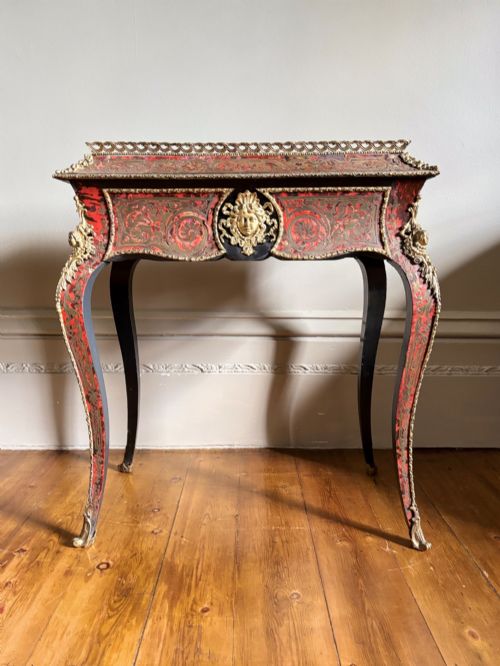
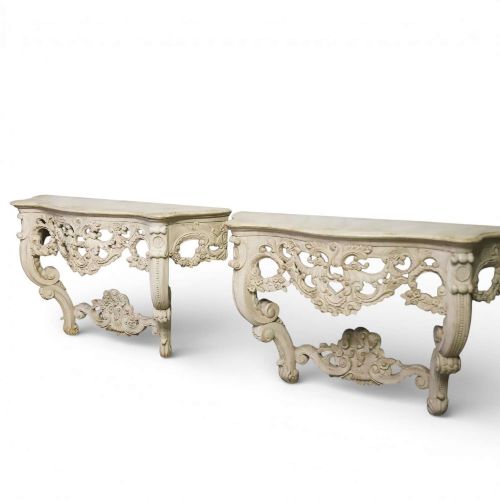
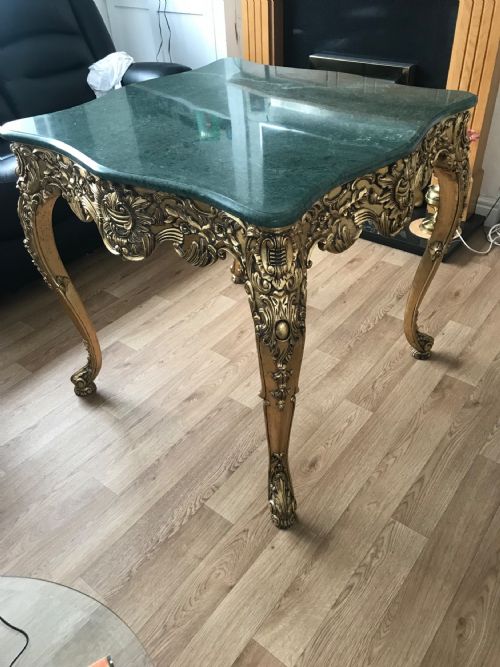
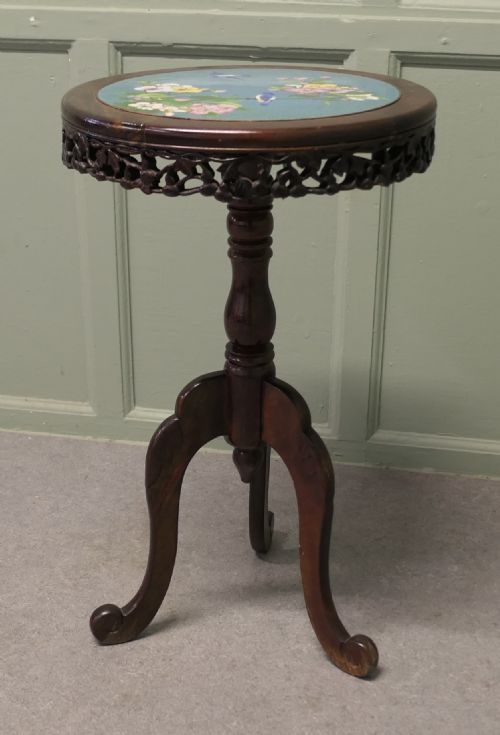
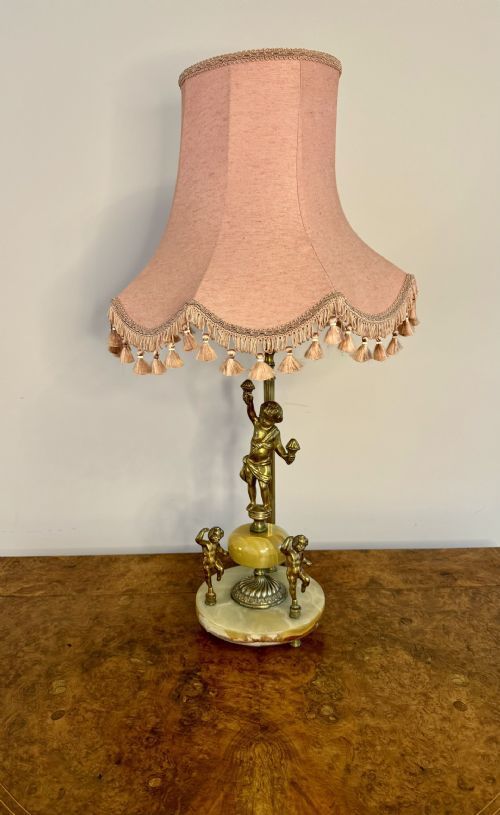
When you search for an ornate side table, you encounter console tables, lamp tables, wine tables, occasional tables, centre tables, and jardinieres originating from the eighteenth, nineteenth, and twentieth centuries. These pieces display distinct influences including French Rococo, Louis XV Revival, Neoclassical, and Anglo-Indian designs.
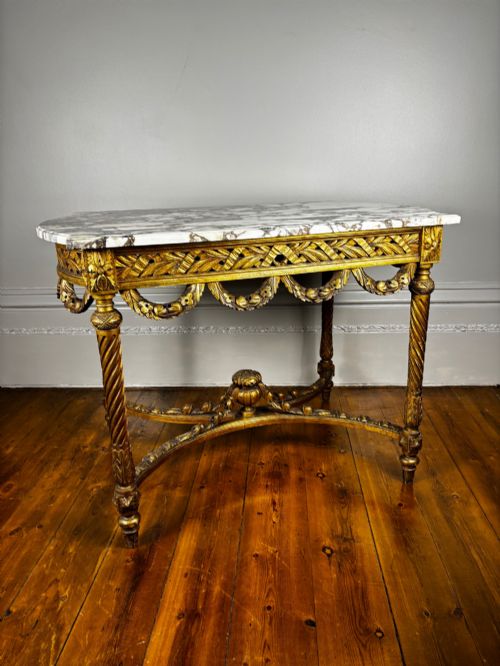
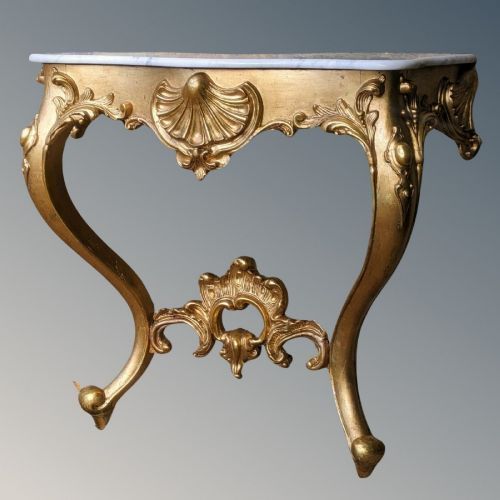
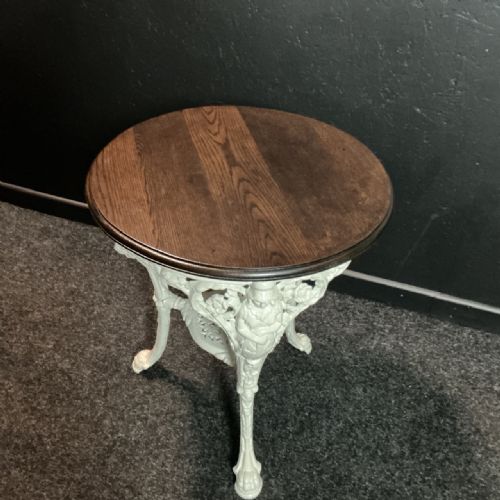
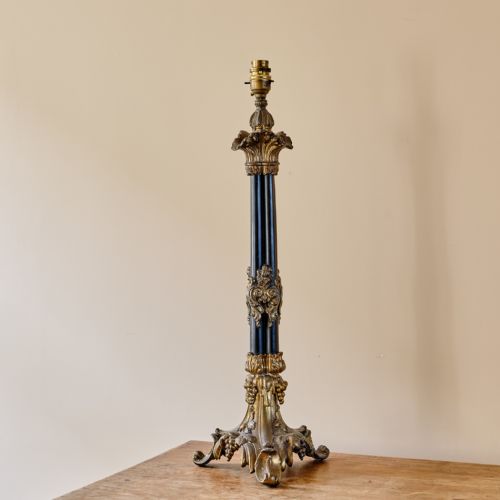
The selection frequently includes marble-topped console tables with carved giltwood or painted frames, alongside walnut and mahogany tables bearing intricate parquetry or mother of pearl inlay. Cast iron garden tables and occasional pieces in brass and gilt bronze appear alongside smaller Chinoiserie and Kashmiri wooden tables.
Materials and construction
These tables employ dense hardwoods such as walnut, mahogany, satinwood, and rosewood, often paired with polished marble surfaces including rouge, green, and Sienna varieties. Carved wooden structures frequently receive gesso layers, followed by gilding with gold leaf or painted finishes.
Metalwork forms another primary pillar of construction, utilising cast iron, brass, gilt bronze, ormolu, and chiseled brass. Artisans also incorporated specialist details like cloisonné, mother of pearl inlay, onyx panels, and Sevres porcelain plaques into the frames and tabletops.
Several tables doubling as games surfaces or liquor storage remind us that Victorian households took their indoor recreation very seriously.
Craftsmanship and distinction
Distinction in these pieces rests upon the depth and clarity of the manual carving in the wood or the precision of the casting in the bronze and brass elements. Hand-carved giltwood and detailed parquetry demonstrate higher levels of artisan labour than simpler moulded surfaces.
The integration of materials dictates the standing of a piece, such as thick, polished solid marble tops fitted securely to heavily decorated bases rather than thinner veneer substitutes. Original finishes, whether antique white paint, gilding, or polished wood, preserve the integrity of the period design.
The Ornate Side Table Glossary
- Giltwood
- Wood that has been coated with gold leaf or gold paint. This technique accentuates elaborate carvings on console and side tables.
- Ormolu
- Finely chased and gilt bronze used for decorative mounts and decorative details. It appears frequently on French tables and lamp bases.
- Console table
- A table designed to be fixed against a wall, frequently supported by ornate brackets or legs. Many examples feature matching mirror sets.
- Parquetry
- Geometric wood inlay work forming decorative patterns on tabletops. This technique showcases contrasting tones of walnut, rosewood, and other fine timbers.
- Cloisonné
- An ancient technique for decorating metalwork objects with coloured material held in place by thin metal strips. It appears on specialised wine tables.
Ornate Side Table: Frequently Asked Questions
Where should I place an ornate side table?
These tables suit hallways, drawing rooms, and reception spaces where their decorative carvings and marble tops create an immediate focal point. Console variations work well against flat walls, often paired with hanging mirrors.
Smaller occasional, wine, or lamp tables fit beside seating areas or in corners. Their distinct silhouettes complement both traditional interiors and eclectic modern rooms.
How do I care for marble-topped tables?
Marble surfaces require regular dusting with a soft, dry cloth to prevent microscopic grit from scratching the polished finish. Avoid acidic cleaners, citrus, and alcohol spills, which etch calcium-based stones like green, rouge, and Sienna marble.
Use coasters under glasses and felt pads beneath decorative objects placed on the stone. Periodic gentle wiping with a damp cloth maintains the sheen without stripping the underlying polish.
What is the difference between Rococo and Neoclassical styles?
Rococo styling, popular in French Revival pieces, relies on asymmetrical curves, C-scrolls, and exuberant natural motifs like foliage and shells. The lines are fluid and decorative.
Neoclassical design shifts towards symmetry, straight architectural lines, classical urns, and geometric restraint. Understanding these motifs helps date and attribute individual tables.
How do I identify Anglo-Indian tables?
Anglo-Indian tables typically feature dense indigenous timbers like rosewood or walnut carved with elaborate floral and animal motifs. Many examples incorporate intricate mother of pearl inlay.
These pieces reflect the cross-cultural design exchange during the nineteenth century. Their distinctive ornamentation separates them from standard European Victorian furniture.