



Low Seat Accent Chair
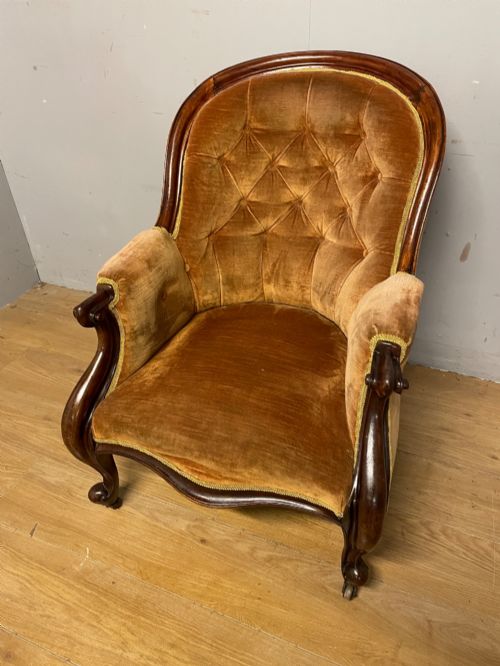
A low seat accent chair offers a remarkably comfortable, low-slung perch designed for Victorian and Edwardian sitting rooms and bedrooms.
Low Seat Accent Chair
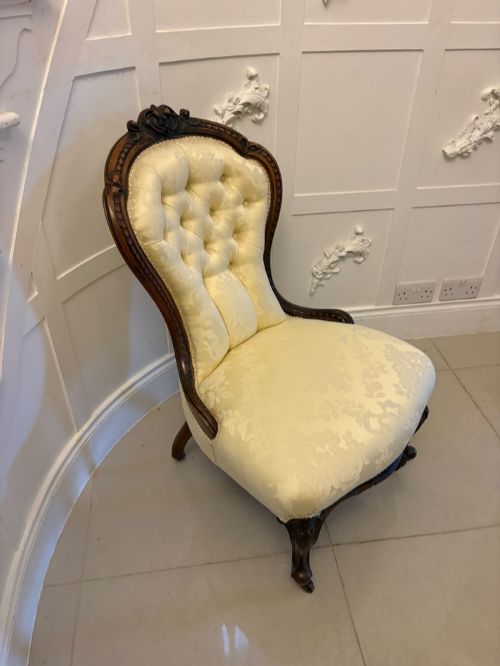
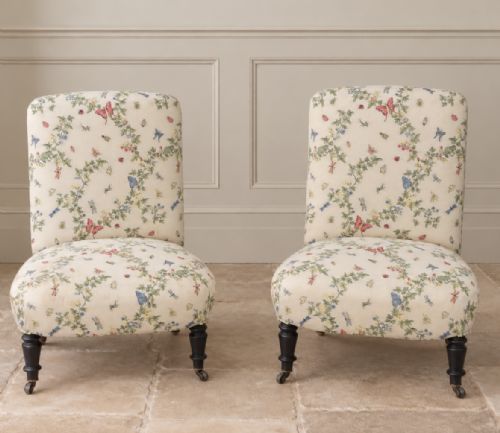
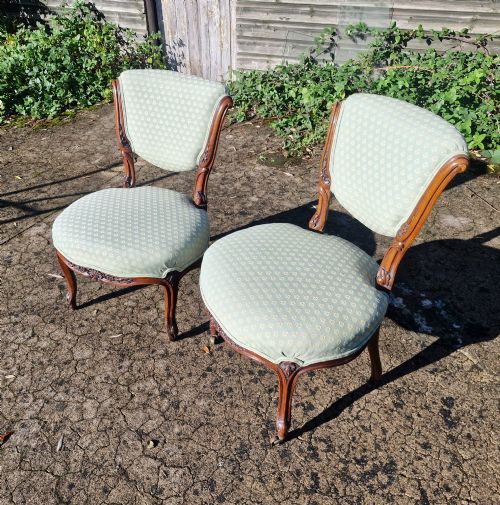
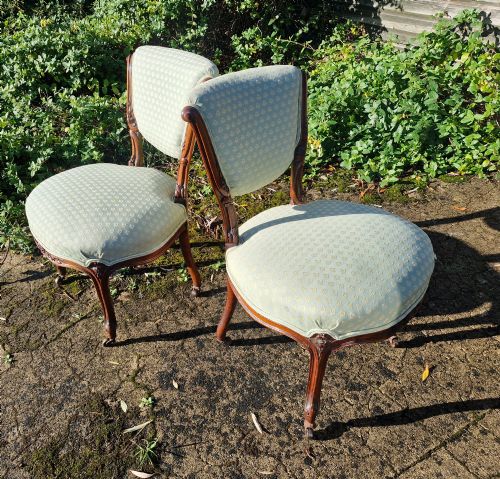
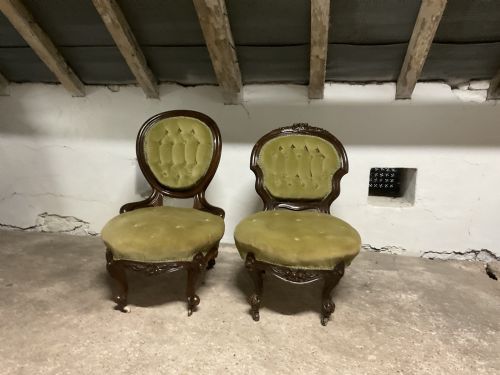
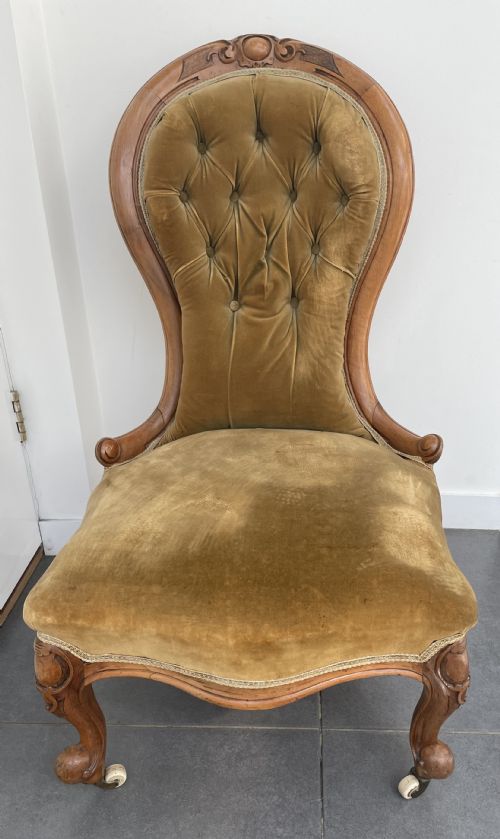
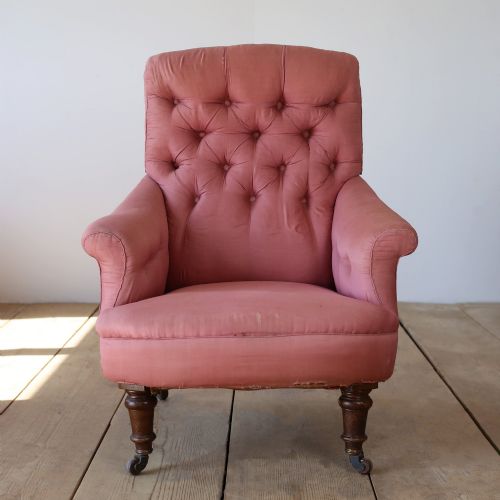
When searching for a low seat accent chair, buyers encounter a diverse selection of nineteenth-century seating forms primarily comprising nursing chairs, slipper chairs, and low salon chairs. These pieces originate predominantly from the Victorian and Edwardian eras, reflecting the domestic comfort and parlor fashions of the period.
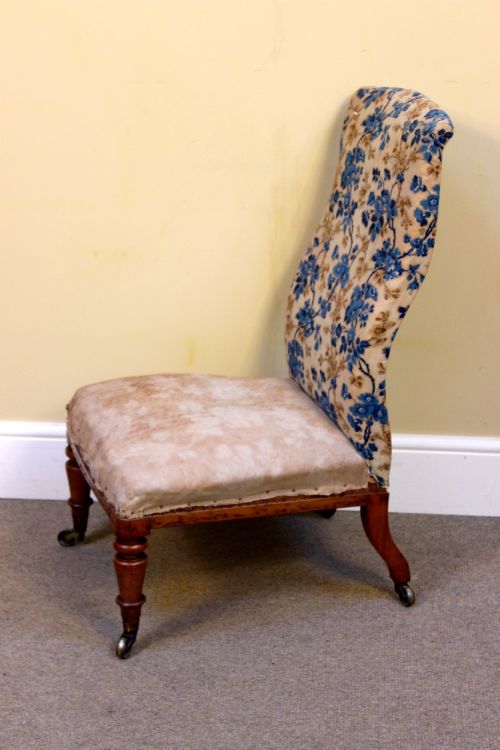
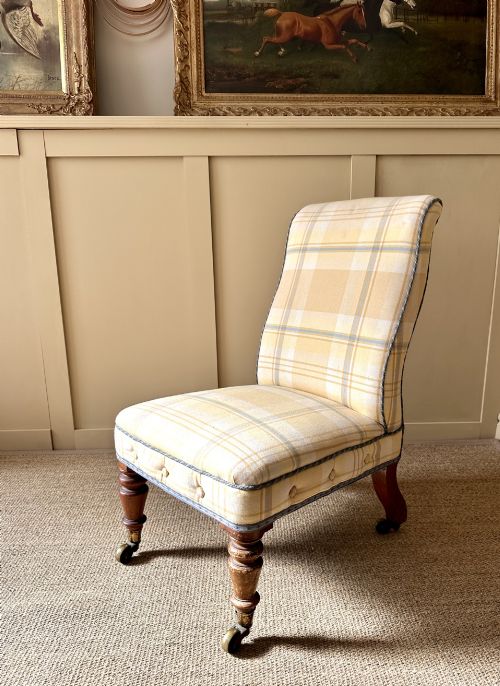
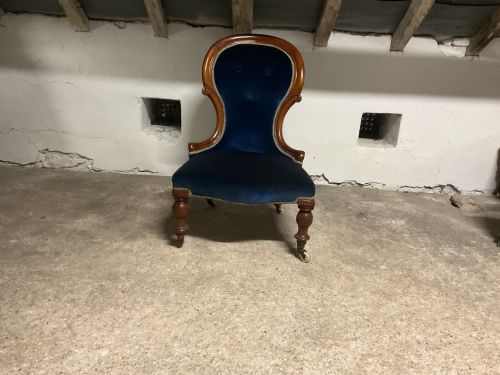
The nursing chair and the slipper chair dominate the offerings, characterised by their low profiles designed originally to accommodate women's voluminous historical dress or for tending to infants near the hearth. Walnut, mahogany, and ebonised wood frame structures frequently appear alongside varied upholstered finishes.
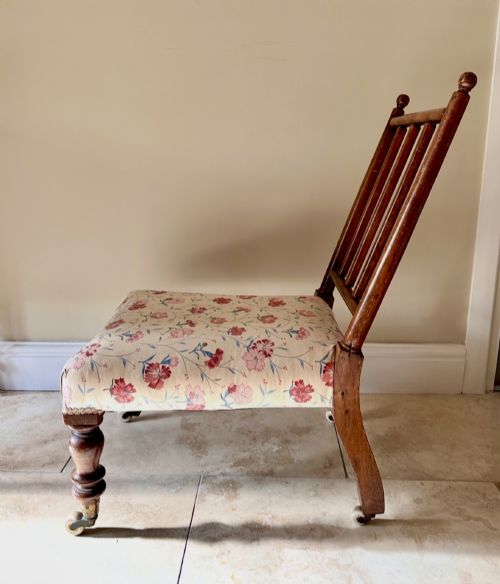
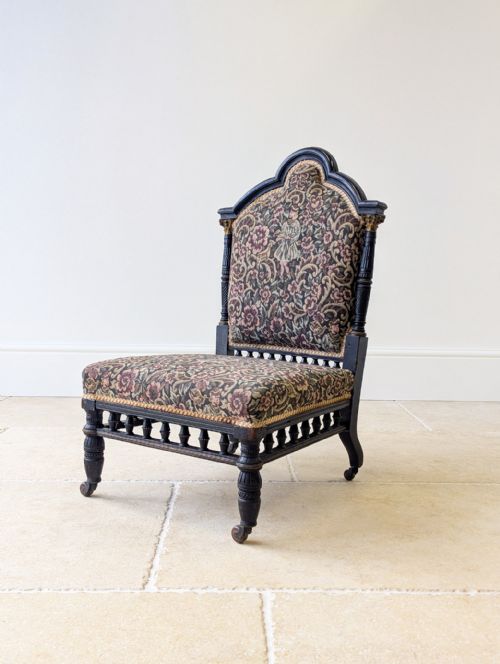
Beyond standard parlour seating, the inventory encompasses specific regional and stylistic variants such as Arts and Crafts rush-seated models, Aesthetic Movement ebonised frames, and occasional chairs with intricate carving or bobbin turnings.
Materials and construction methods
Makers constructed the foundational frames using dense hardwoods including walnut, mahogany, oak, and ash, frequently utilising ebonisation or gilt finishes to alter the appearance of the timber. Metal components like brass appear occasionally in castors or decorative hardware.
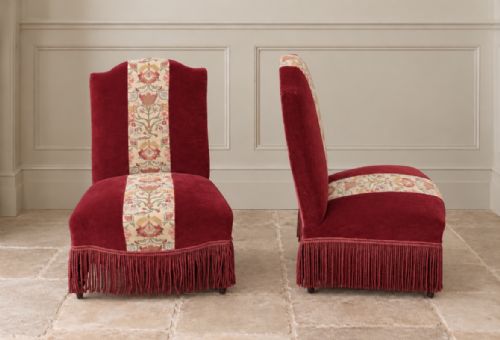
Upholstery techniques define the character of these chairs, employing button-backed padding, spring-loaded seats, and deep fabric coverings of velvet or traditional textiles finished with fringe trim.
Low Seat Accent Chair Retail Price Guide 2026
Typical asking prices for low seat accent chair among the pieces listed under this phrase on Sellingantiques today, from the lower quarter to the upper quarter. They describe what is for sale here now, not the wider market.
Listings feature nineteenth-century seating constructed from walnut, mahogany, oak, and ash, alongside metal and fabric elements.
Evaluating quality and craftsmanship
Quality in a low seat accent chair resides in the integrity of the timber frame, the crispness of hand-carved details, and the sophistication of the wood-turning on components like bobbin legs. Superior examples retain original structural rigidity without excessive play in the joints.
The refinement of the upholstery work and the selection of secondary framing timbers such as elm or oak for internal bracing separate standard production pieces from workshop creations bearing maker attribution.
Liberty Morris And Co·Howard And Sons·Hampton And Sons·Hindley And Sons·Gillows
The Low Seat Accent Chair Glossary
- Nursing chair
- A low-seated Victorian chair traditionally designed without arms to allow women in voluminous skirts to sit comfortably.
- Slipper chair
- An upholstered chair featuring very short legs, originally utilised in bedrooms for putting on shoes or garments.
- Ebonised
- Wood treated with a chemical stain or black finish to imitate expensive ebony.
- Button back
- An upholstery style where buttons are pulled deep into the padding to create a uniform diamond pattern.
- Bobbin framing
- Turned woodwork characterised by a series of rounded, spool-like shapes resembling bobbins strung together.
Low Seat Accent Chair: Frequently Asked Questions
What is a low seat accent chair used for?
These low-slung chairs function primarily as decorative occasional seating in bedrooms, dressing rooms, and drawing rooms where a compact profile suits the space.
Historically, the low height served specific domestic purposes, allowing sitters to tend to hearth fires or manage elaborate nineteenth-century garments with ease.
How do I date a Victorian accent chair?
Dating relies on identifying stylistic markers such as ebonised Aesthetic Movement frames, button-backed Victorian upholstery, or transitional Edwardian silhouettes found in the listings.
Secondary woods and framing techniques also offer clues to the manufacturing decade, moving from mid-nineteenth-century mahogany and walnut toward later oak and lighter Edwardian woods.
Are nursing chairs comfortable for modern use?
The generous padding and sprung seats of nineteenth-century upholstered examples provide a surprisingly supportive, low lounge experience for contemporary living spaces.
Buyers frequently pair them with modern interiors as accent pieces, though their low stature differs significantly from standard dining or desk chair heights.
What is the difference between a slipper chair and a nursing chair?
Slipper chairs traditionally lack arms entirely and sit very low to the ground to facilitate dressing and footwear removal in the bedroom.
Nursing chairs share the low profile but occasionally feature low side arms or distinctive spoon-backs tailored for seated tasks in Victorian parlours.