





Antique Devotional Chair
An antique devotional chair is a piece designed for private prayer, offering a low seat and a padded upper rail, combining quiet utility with rich period character.
Antique Devotional Chair
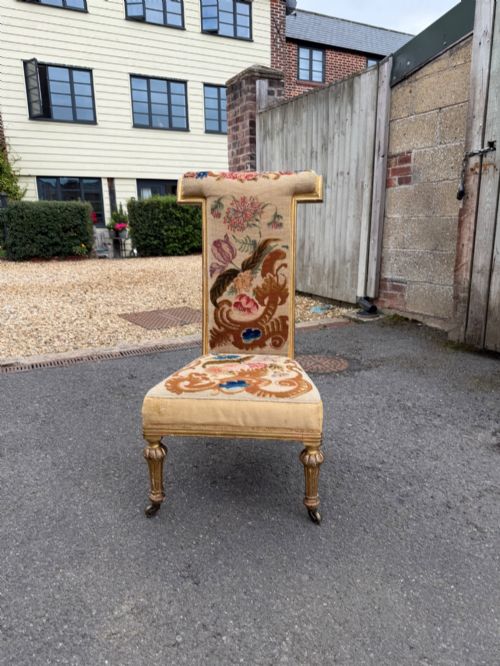
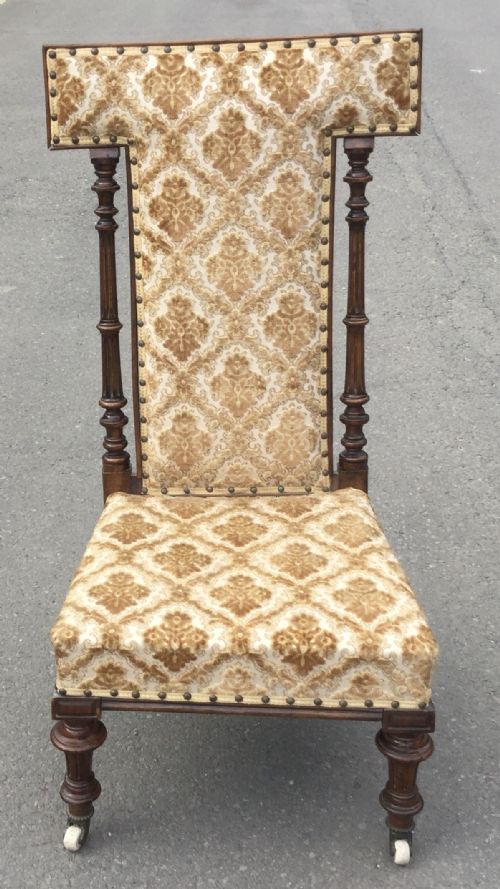
When you search for an antique devotional chair, you enter a domain defined by domestic piety and Victorian craftsmanship. These seats take several forms, most notably the prie-dieu chair with its characteristic high back and lower kneeling ledge.
The versions most commonly met on this page belong to the nineteenth century, spanning periods from early Victorian to the later decades of the eighteen-eighties. They appear in diverse styles such as Gothic Revival, Renaissance Revival, and French Rococo Revival.
Makers adapted the form for various rooms, yielding pieces classed as prayer chairs, occasional chairs, side chairs, and even carved church seating. Walnut, oak, and rosewood form the structural backbone of these domestic altars to comfort.
How they were made
Timbers like walnut, mahogany, rosewood, and oak provide the rigid framework for these chairs, often shaped through carving or ebonising. Joinery methods of the nineteenth century ensure structural integrity across frames subjected to kneeling and leaning.
Upholstery defines the softer elements, utilising textiles such as velvet, tapestry fabric, and general fabric to cover the seats and upper rests. Brass accents occasionally appear, adding metallic contrast to the dense wooden grains.
Antique Devotional Chair Retail Price Guide 2026
Typical asking prices for devotional chair among the pieces listed under this phrase on Sellingantiques today, from the lower quarter to the upper quarter. They describe what is for sale here now, not the wider market.
One Black Forest chair brings a woodland creature carved directly into the oak prayer rail.
What varies in quality
The distinction between ordinary and exceptional examples rests upon the ambition of the carving and the choice of primary timber. Dense rosewood and figured walnut command attention through rich grain patterns, whereas simpler oak or ebonised pieces rely on silhouette.
Textile selection also dictates the grade of the piece, with deep-piled velvets and intricate tapestry fabrics elevating the presence of the upholstery. The harmony between the woodwork and the fabric creates the overall visual balance.
ANGERSTEIN
The Antique Devotional Chair Glossary
- Gothic Revival
- An architectural and decorative style popular in the nineteenth century that mimics medieval forms. Pointed arches, tracery, and heavy carved woodwork are common hallmarks of this aesthetic.
- Ebonised
- Wood that has been treated to resemble ebony, usually through staining and polishing a cheaper timber black. This finish was favoured in the Victorian era for dramatic contrast.
- Tapestry Fabric
- A thick, woven textile often depicting pictorial scenes or floral motifs. It frequently appears on nineteenth-century upholstery to lend an ecclesiastical or historic air.
Antique Devotional Chair: Frequently Asked Questions
What is an antique devotional chair?
An antique devotional chair is a specialised nineteenth-century seat created for private prayer and meditation within the home.
These pieces typically combine a low seat with a distinctive upper rail or ledge designed to support the arms during kneeling.
How were prayer chairs used?
Owners knelt on the lower section or floor while resting their arms or devotional books upon the padded upper rail.
They served as personal altars of reflection, often placed in bedrooms or private parlours rather than large public spaces.
Which woods are most common?
Walnut, oak, and rosewood dominate the structural framing of these historical pieces, often shaped into revivalist styles.
Mahogany and ebonised woods also appear frequently among the nineteenth-century examples recorded in our listings.
How do I identify the style?
Look to the decorative motifs, such as pointed arches for Gothic Revival or flowing curves for French Rococo Revival.
The presence of heavy carving, twisted timbers, and rich upholstery fabrics generally points to Victorian manufacturing periods.