




Antique Prayer Chair
An antique prayer chair brings a distinct ecclesiastical elegance and low-slung comfort to a room.
What an antique prayer chair is
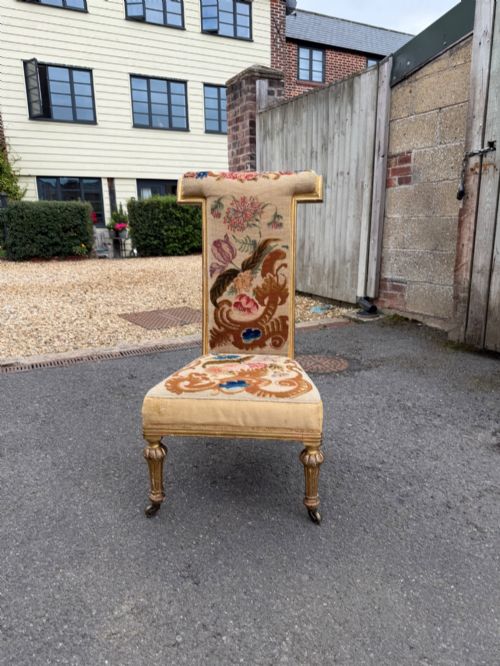
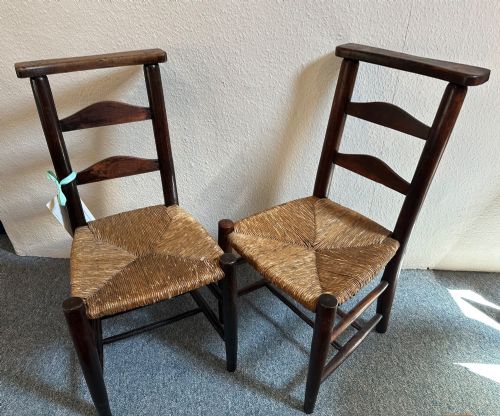
An antique prayer chair, also known as a prie-dieu, is a low-seated chair designed originally for private devotion with an upper rest for the arms or elbows. These pieces function well today as accent, occasional, or salon seating in traditional interiors. The forms seen span the Victorian and Regency periods, reflecting ecclesiastical and Gothic Revival influences.
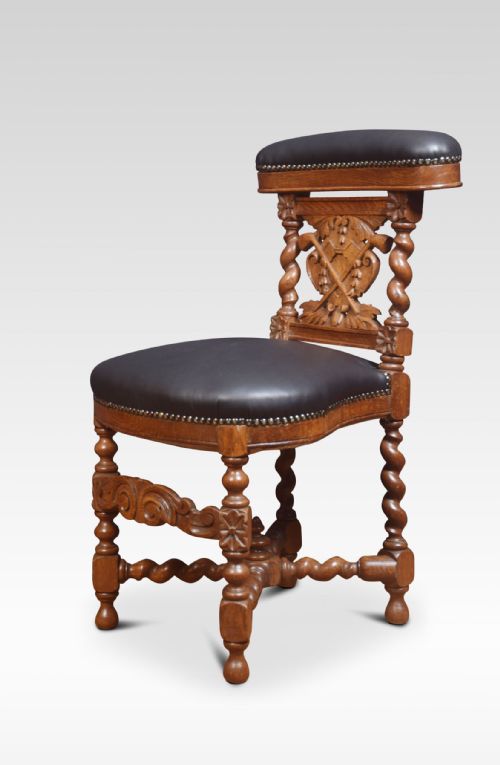
The version most commonly met on this page is the Victorian mahogany prayer chair, often featuring upholstered needlepoint, velvet, or fabric. English examples dominate the selection, alongside occasional regional pieces such as those from Edinburgh or French country workshops. Buyers also encounter variations including oak prayer benches, corner seats, and metamorphic designs.
How they were made
Makers constructed the frames of these chairs using timbers such as mahogany, walnut, oak, ebonised wood, and rosewood. Structural joinery supported low seats designed for kneeling or sitting in private chambers and halls. Workshops also incorporated brass details and casters on certain Victorian iterations.
Upholstery completed the seating, utilising materials like velvet, fabric, tapestry, and needlepoint, often finished with decorative braid. Carved ornamentation appeared on mahogany and oak frames, aligning with Gothic Revival and Victorian styles.
Retail Price Guide 2026
Typical UK retail prices for prayer chair, calculated from the Sellingantiques database of over a million retail prices indexed since 2003. This retail price guide relies exclusively on Sellingantiques data; no external sources or auction records are used, so the figures do not describe the wider market.
Some Victorian examples hide clever metamorphic mechanisms, turning quiet devotional prayer benches into small hall chairs.
What varies in quality
The distinction between standard examples and finer pieces rests in the execution of the timber carving and the sophistication of the frame's silhouette. Superior chairs exhibit crisp detailing in Gothic Revival motifs and substantial construction in dense woods like mahogany or rosewood. Named makers and documented provincial workshops elevate the standing of a piece beyond anonymous production.
The integrity of the original materials, including period upholstery trims like braid and untouched ebonised finishes, separates well-preserved items from those requiring extensive intervention. Chairs retaining their original castors and structurally sound frames represent the higher tier of surviving examples.
R Whytock of Edinburgh
The Antique Prayer Chair Glossary
- Prie-dieu
- A French term meaning pray-God, used to describe a devotional chair featuring a low seat and an elevated shelf or rest for the arms. These chairs were adapted in the nineteenth century for domestic drawing rooms and bedrooms.
- Gothic Revival
- An architectural and decorative style drawing inspiration from medieval forms, featuring pointed arches and heavy carved ornamentation. This aesthetic heavily influenced Victorian ecclesiastical furniture.
- Ebonised wood
- Timber treated with a dark stain or finish to imitate expensive ebony. This technique was popular during the Victorian era for accentuating dramatic silhouettes.
- Needlepoint
- A type of canvas work embroidery used extensively for upholstery on period seat backs and pads. It provides a tactile, decorative surface characteristic of nineteenth-century domestic textiles.
- Metamorphic chair
- A multifunctional piece of furniture designed to transform from one form into another, such as a prayer bench converting into a seat. These ingenious designs catered to compact Victorian spaces.
Frequently Asked Questions
What is a prayer chair?
A prayer chair is a low-backed, low-seated chair designed for kneeling and private devotion. They typically feature an upper rest or shelf for the elbows.
During the nineteenth century, these pieces transitioned from chapel use into domestic spaces like bedrooms and drawing rooms as occasional seating.
How do I style an antique prayer chair?
These chairs work well as accent pieces in corners, bedrooms, or hallways due to their compact footprints and low profiles. Their ecclesiastical details add historic character to modern or traditional interiors.
Because of their low seat height, they function best as decorative occasional chairs rather than primary lounge seating.
What woods were used for prayer chairs?
Cabinetmakers utilised dense hardwoods including mahogany, walnut, oak, and rosewood. Ebonised wood also appears frequently on Victorian examples.
Timber choice often aligns with the period and the prevailing Gothic Revival style of the frame.
Are prayer chairs comfortable?
Prayer chairs feature padded seats and upholstered back rests covered in velvet, tapestry, or fabric. Their low stature offers a distinct sitting posture.
While designed originally for prayer, nineteenth-century versions served comfortably as nursing or salon chairs.
How do I identify a Victorian prayer chair?
Victorian examples often display carved mahogany or ebonised frames with Gothic Revival motifs. They frequently incorporate original upholstery materials like needlepoint and decorative braid.
Dates generally range from the mid to late nineteenth century, occasionally accompanied by maker stamps or casters.