




19th Century Prie Dieu
A 19th century prie dieu brings architectural devotion and low-slung seating into the Victorian interior.
19th Century Prie Dieu
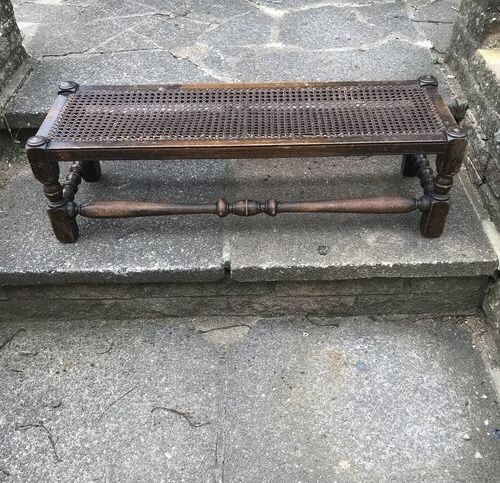
A 19th century prie dieu is a specialist devotional chair or desk designed for kneeling and prayer, characterised by its distinctive low seat and high upright back with a padded ledge. These pieces appear on this page predominantly as Victorian chairs, alongside occasional prayer desks and double prayer stools.
Originating primarily from the Victorian period, including specific manifestations in Gothic Revival and French Rococo Revival styles, these items bridge domestic seating and religious furniture. The form encompasses side chairs, bedroom chairs, and dedicated prayer chairs tailored for private contemplation in nineteenth-century homes.
The buyer meets variations ranging from simple oak doublet prayer stools with turned legs to elaborate walnut or rosewood framed armchairs and side chairs. French examples in walnut sit alongside English iterations in mahogany and ebonised wood, reflecting diverse regional tastes across the nineteenth century.
Materials and construction
Makers utilised a selection of dense hardwoods including walnut, mahogany, oak, rosewood, and ebonised wood to build the robust frames required for daily kneeling and support. Turned elements such as barley twist legs appear alongside carved mahogany and structural oak to form the sturdy structural skeleton.
Upholstery defines the upper portion of these pieces, employing rich textiles such as velvet, tapestry, and fabric fixed over padded rests. Brass details occasionally supplement the woodwork, while textile panels provide both comfort for the arms and a surface for needlework.
19th Century Prie Dieu Retail Price Guide 2026
Typical asking prices for 19th century prie dieu among the pieces listed under this phrase on Sellingantiques today, from the lower quarter to the upper quarter. They describe what is for sale here now, not the wider market.
Listings feature oak, walnut, mahogany, and rosewood frames paired with velvet, tapestry, and textile upholstery.
Judging quality in a 19th century prie dieu
The distinction between standard and superior pieces rests on the choice of timber and the ambition of the carving. Dense timbers like rosewood and richly figured walnut, combined with deep relief carving or barley twist turning, signal higher workshops.
The integrity of the original upholstery materials, from antique velvet to hand-worked tapestry, determines the preservation of the piece. Subtle details in joinery and the harmonious integration of the kneeling ledge with the upright back separate provincial joinery from finer cabinet work.
R Whytock of Edinburgh·Howard & Sons
The 19th Century Prie Dieu Glossary
- Prie-Dieu
- A devotional kneeler or prayer chair designed with a low seat and an upper shelf for resting arms during prayer. Originating in France, the form became widespread in Victorian domestic interiors.
- Barley Twist
- A turned wooden furniture leg or stretcher carved in a spiral resembling a twisted rope. This technique was popular in nineteenth-century chair framing.
- Gothic Revival
- An architectural and decorative style drawing inspiration from medieval forms, frequently applied to Victorian chairs through pointed arches and heavy timber construction.
- Ebonised Wood
- Timber treated with a dark stain or finish to imitate the appearance of ebony. It provides a stark contrast against colourful velvet upholstery on nineteenth-century seating.
- French Rococo Revival
- A nineteenth-century revival style characterised by asymmetrical flowing curves, scrollwork, and naturalistic ornamentation found on walnut frames.
19th Century Prie Dieu: Frequently Asked Questions
What is a prie dieu chair used for?
A prie dieu chair is designed for private prayer and devotional reading, featuring a low seat and a padded upper ledge. The user kneels on the floor behind the chair while resting their arms on the top shelf.
Over the course of the nineteenth century, these pieces transitioned from strict devotional furniture into decorative bedroom and nursing chairs within Victorian homes.
How do I identify a Victorian prie dieu?
Victorian examples typically combine a low seating platform with a tall, narrow backrest topped by a cushioned armrest. Look for period timbers such as walnut, mahogany, and rosewood alongside characteristic nineteenth-century turns.
Stylistic markers on this page point towards Gothic Revival influences, French Rococo curves, and robust structural turnings like barley twists.
Were these chairs meant for bedrooms?
Many nineteenth-century examples functioned as bedroom or nursing chairs due to their compact footprints and upholstered comfort. The low seat height made them versatile for private spaces within the home.
While originally intended for morning devotions, their domestic utility expanded as general side seating in Victorian chambers.
What woods were used for these chairs?
Makers constructed these devotional pieces using a range of native and imported hardwoods suited to structural turning and carving. Walnut, mahogany, and oak appear frequently across the listings.
More decorative variants utilise rosewood or ebonised wood to frame the velvet and tapestry upholstery.