
Edwardian Reading Armchair
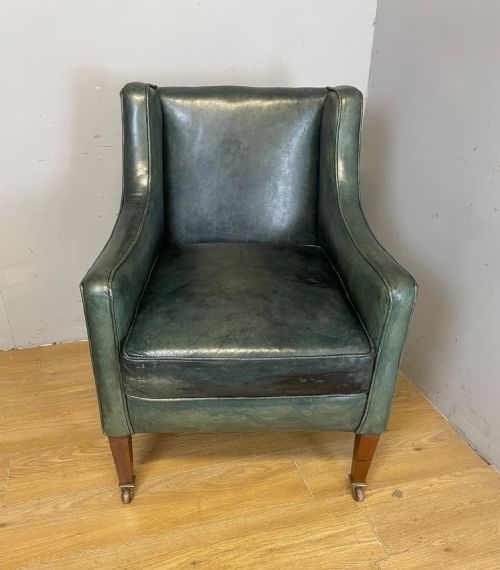
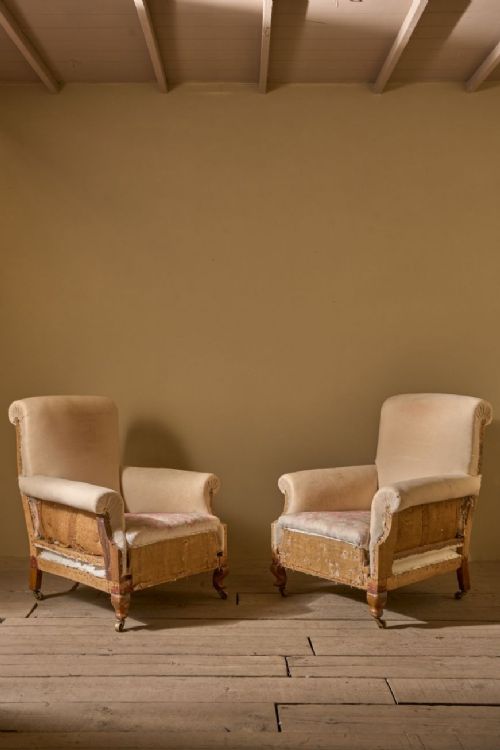
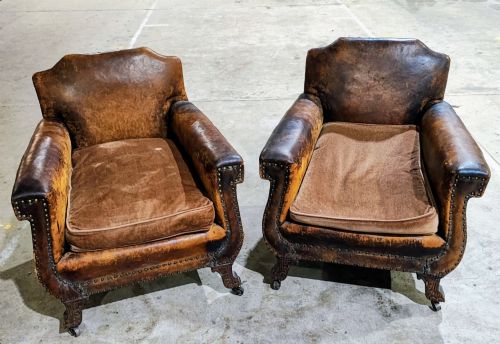
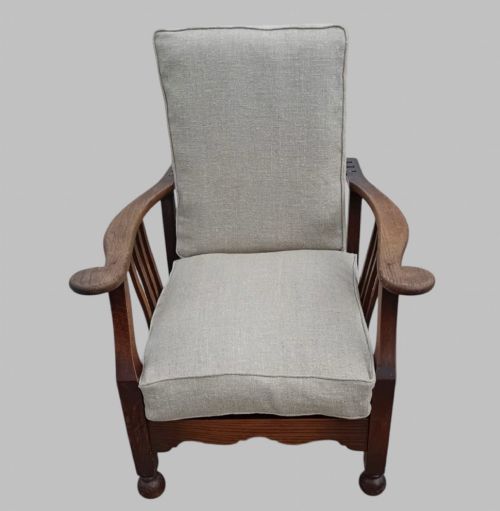
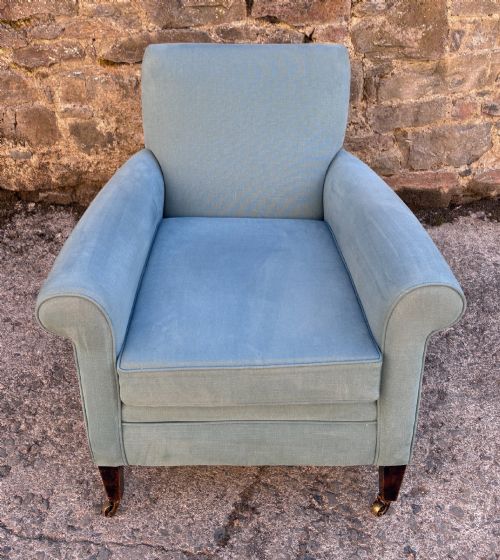
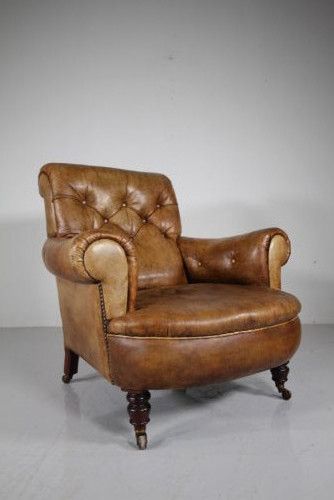
An edwardian reading armchair brings low-slung comfort and solid timber framing to the corner of a study.
Edwardian Reading Armchair
When you search for an edwardian reading armchair, you encounter low-slung seating designed for quiet study and long hours with a book. These pieces emerge from the periods spanning the late nineteenth century through the early decades of the twentieth century, embodying the solid construction of the era.
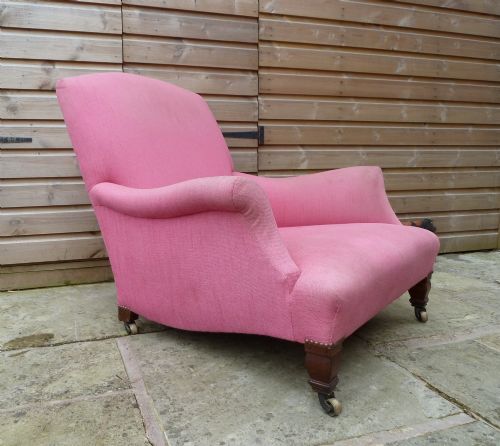
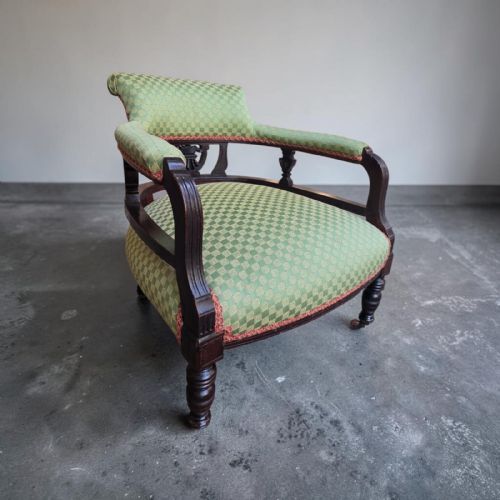
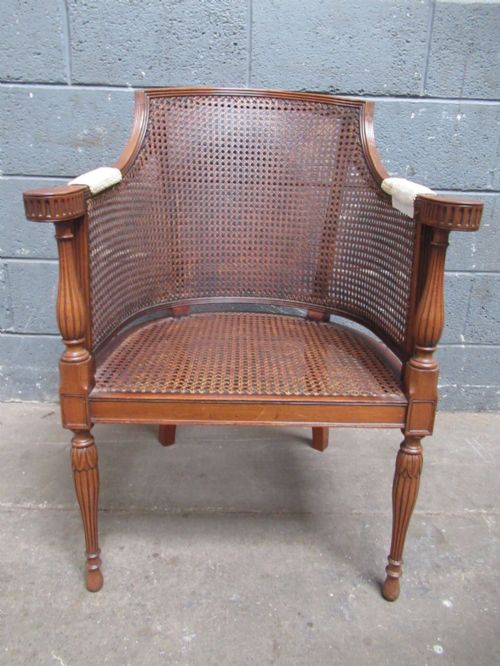
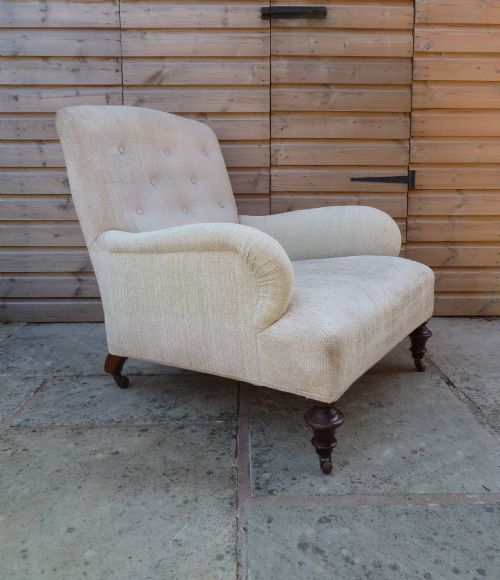
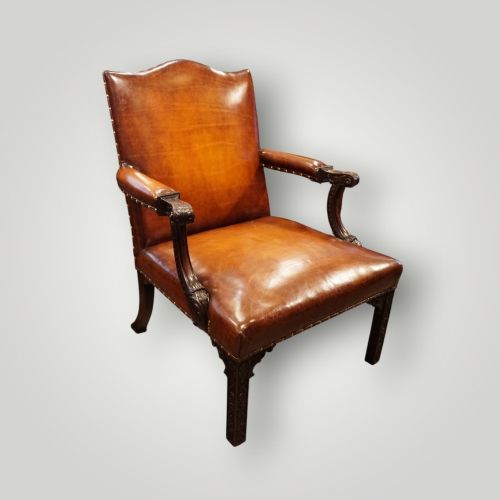
The versions most commonly met on this page range from deep-seated upholstered models and low tub shapes to mahogany frames with cane panels. Many examples draw on earlier forms like the Chippendale revival or exhibit the distinctive styling associated with workshops like Howard and Sons.
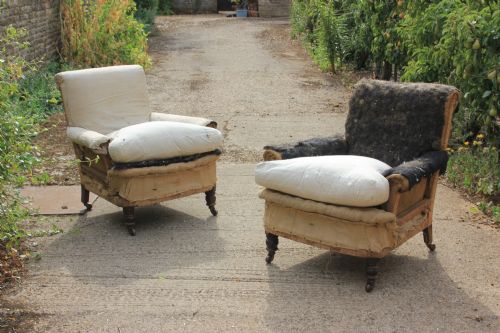
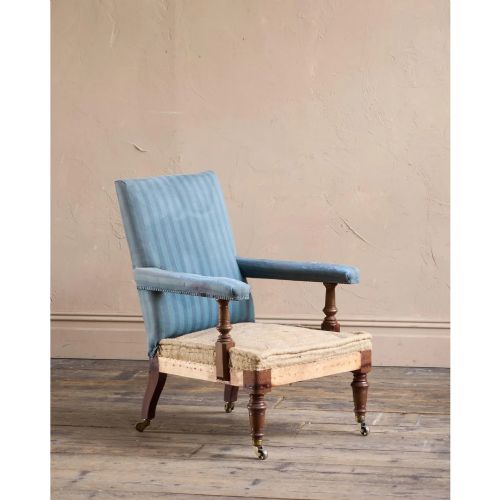
Makers utilised various timbers including mahogany, walnut, and oak to build frames intended to withstand daily use. Originating largely from British workshops and country houses, these chairs balance structural timber with comfortable cushioning.
Materials and Construction
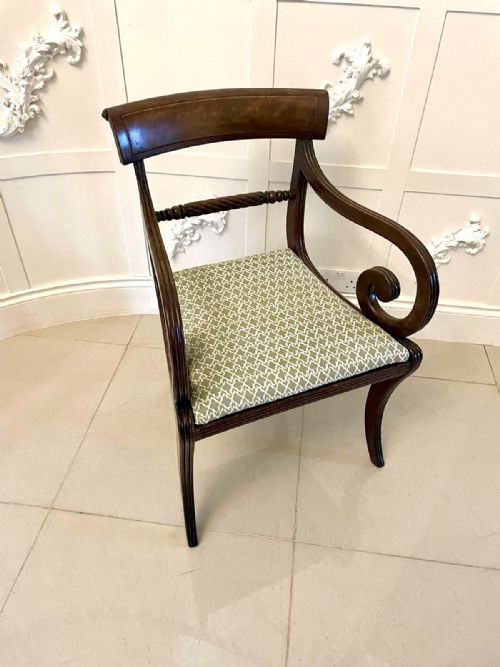
Makers constructed the frames primarily from hardwoods such as mahogany, walnut, oak, and general hardwood timber. These woods were frequently carved, inlaid, or polished to display the natural grain while providing a rigid structural skeleton for the seat.
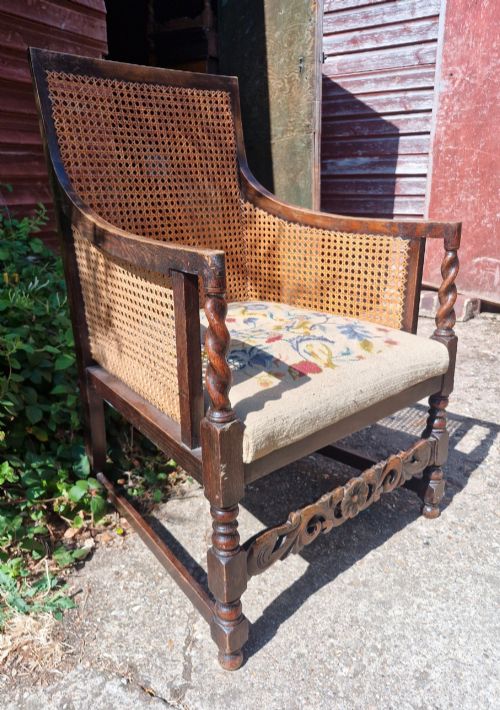
Upholstery materials include leather, velvet, fabric, and hide, often paired with internal stuffing to create deep, supportive seating. Caned panels using woven cane add texture and lightness to the sides and backs of specific tub and bergere models.
The selection includes styles spanning Victorian, Edwardian, Regency, Arts and Crafts, and French Art Deco periods.
Judging Quality
The distinction between ordinary production and superior work rests on the handling of the timber and the depth of the upholstery. Finer examples display crisp carving, careful inlay, and hand-dyed leathers that have aged with a rich patina rather than dulling flatly.
Structural integrity dictates the standing of a piece, observable in the tightness of the joinery and the resilience of the frame. Chairs bearing workshop attributions or signatures command greater attention due to the documented care in their manufacture.
Howard and Sons·Morison and Co·Holland and Sons·Hindley and Sons·Gillows·Hampton and Sons
The Edwardian Reading Armchair Glossary
- Bergere
- A type of enclosed upholstered armchair with cane work panels on the back and sides. The wooden frame is usually exposed and polished.
- Tub chair
- An armchair featuring a rounded back that curves continuously down to form the armrests. This enclosed shape creates a snug seating position.
- Wingback
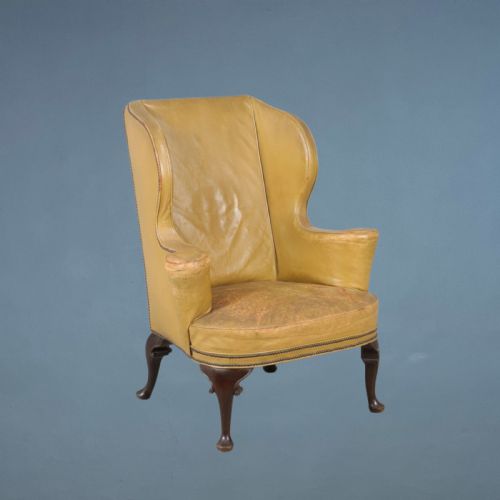
- A high-backed armchair with side panels or wings designed to shield the sitter from draughts. Early versions often incorporate deep leather upholstery.
- Caned
- Woven cane or rattan material utilised for chair backs and seats. It provides a lightweight, flexible surface that contrasts with solid wood frames.
- Marquetry
- Decorative veneer work where small pieces of different woods are fitted together to form geometric or floral patterns. It appears on the flat surfaces of Edwardian mahogany frames.
Edwardian Reading Armchair: Frequently Asked Questions
What defines an Edwardian reading chair?
An Edwardian reading chair is built for comfort during prolonged periods of sitting, typically featuring a lower profile, supportive upholstery, and sturdy timber construction.
These pieces reflect the domestic priorities of the early twentieth century, combining durable hardwood frames with practical padding and supportive backrests.
How do I identify a Howard and Sons style chair?
Chairs in this style are recognised by their exceptionally deep seating, low rolled arms, and generous proportions designed for lounging.
Original pieces or quality stylistic interpretations often feature robust internal webbing and high-grade fabric or leather upholstery.
What is a bergere armchair?
A bergere armchair is characterised by a wooden frame enclosing woven cane panels along the back and armrests. This technique lightens the visual weight of the timber.
Such chairs frequently include loose squab cushions upholstered in velvet, leather, or fabric to ensure comfort.
Where should I place a reading armchair?
These armchairs suit studies, libraries, and quiet corners where focused reading or relaxation takes place. Their compact footprints allow them to fit beside bookcases or writing desks.
Pairing them with a small occasional table or footstool creates a functional seating arrangement for daily use.
How do I care for leather upholstery?
Leather upholstery benefits from regular dusting and occasional treatment with appropriate leather conditioners to prevent drying and cracking. Avoiding direct sunlight helps preserve the natural dye and suppleness of the hide.
Hand-dyed English hide particularly rewards gentle maintenance by developing a deeper patina over time.