


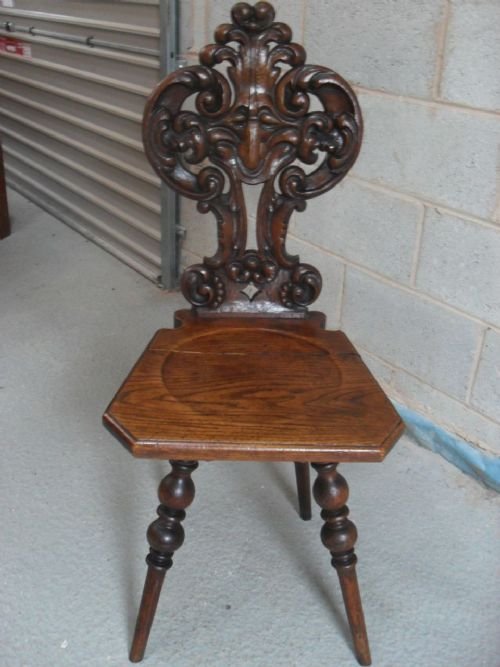


Gothic Bedroom Accent Chair
A gothic bedroom accent chair brings strong architectural lines and period character into a private room.
Gothic Bedroom Accent Chair
When you search for a gothic bedroom accent chair, you encounter seating shaped by nineteenth-century revivals, from small nursing chairs to prayer seats. The examples on this page span the Victorian era, alongside occasional pieces from later revivals up to nineteen-twenty.
Most pieces lean towards domestic comfort and devotion rather than grand ecclesiastical seating. You will frequently find low-slung prie dieu chairs and carved side chairs designed for bedroom or parlour use.
Makers drew on medieval motifs, adapting pointed arches and tracery for intimate spaces. Mahogany, rosewood, and oak provide the structural framework for these bedroom seats.
How they were made
Cabinetmakers worked predominantly in dense hardwoods such as rosewood, mahogany, and oak to achieve crisp carved detailing. These timbers allowed craftsmen to execute deep mouldings and structural fretwork without losing integrity.
Upholstery formed an integral part of the construction, utilising traditional textiles and padding to finish low prayer and nursing seats. Many frames incorporated brass elements and inlaid details to soften the severe architectural lines.
Gothic Bedroom Accent Chair Retail Price Guide 2026
Typical asking prices for gothic bedroom accent chair among the pieces listed under this phrase on Sellingantiques today, from the lower quarter to the upper quarter. They describe what is for sale here now, not the wider market.
Listings feature Victorian and Edwardian seating built from rosewood, mahogany, oak, and pitch pine.
What varies in quality
The standard of carving distinguishes standard production from exceptional workshop output. Sharp, undercut foliage and well-defined tracery reflect the hand of a skilled carver rather than mechanical repetition.
Timber selection and grain matching reveal the care taken during assembly. Dense, finely figured rosewood or mahogany elevates a chair far above utilitarian pine or lower-grade hardwoods.
Bruce J Talbert
The Gothic Bedroom Accent Chair Glossary
- Prie Dieu
- A low devotional chair featuring an elevated backrest designed for kneeling and prayer. These pieces became popular in Victorian bedrooms.
- Nursing chair
- A low-seated chair designed to allow comfortable tending to infants or sitting near a bedroom fire. They often feature generous upholstery.
- Tracery
- Architectural stonework openwork applied to woodwork as decorative patterning. Cabinetmakers borrowed this directly from medieval church windows.
- Rosewood
- A heavy, dark timber prized for its rich grain and purplish-brown coloration. It was a favoured material for high-status Victorian seating.
Gothic Bedroom Accent Chair: Frequently Asked Questions
How were prie dieu chairs used?
A prie dieu chair served as a private devotional seat in Victorian bedrooms. The high, narrow backrest provided support while kneeling on the matching platform or floor.
Over time, many of these prayer seats lost their strict religious function and simply served as decorative bedroom chairs.
Which woods appear most often?
Makers relied on dense hardwoods that could support intricate carving without splintering. Rosewood, mahogany, and oak form the bulk of the surviving frames.
You will also encounter occasional pieces constructed from pitch pine or accented with satinwood inlay.
How do I date a Victorian piece?
Dating relies on examining the timber, construction methods, and stylistic shifts within the nineteenth century. Earlier pieces often display robust rosewood frames with hand-carved Gothic tracery.
Later interpretations from the turn of the century tend to blend Gothic elements with Sheraton revival or Aesthetic Movement lightness.