

Antique Balloon Back Seat
An antique balloon back seat brings sculptural elegance to a room, defined by its characteristic curved top rail and strong nineteenth-century heritage.
Antique Balloon Back Seat
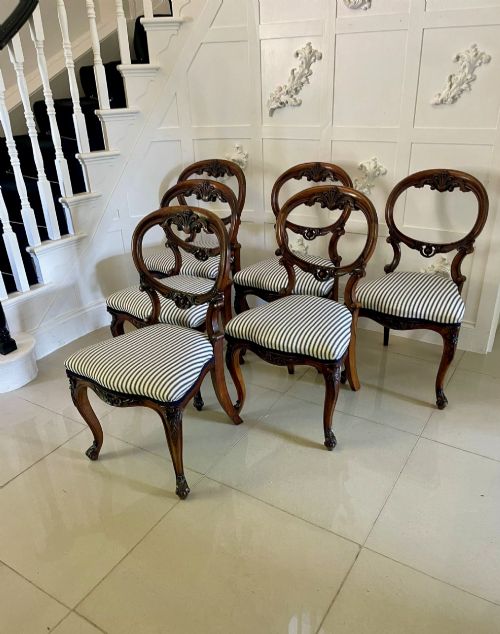
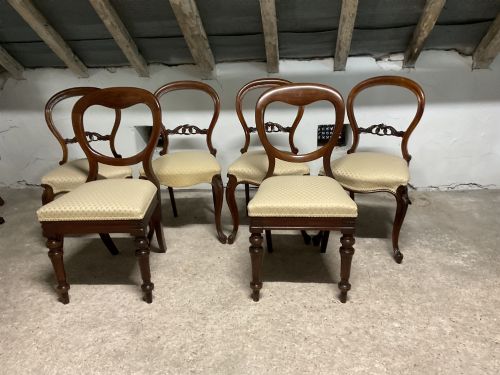
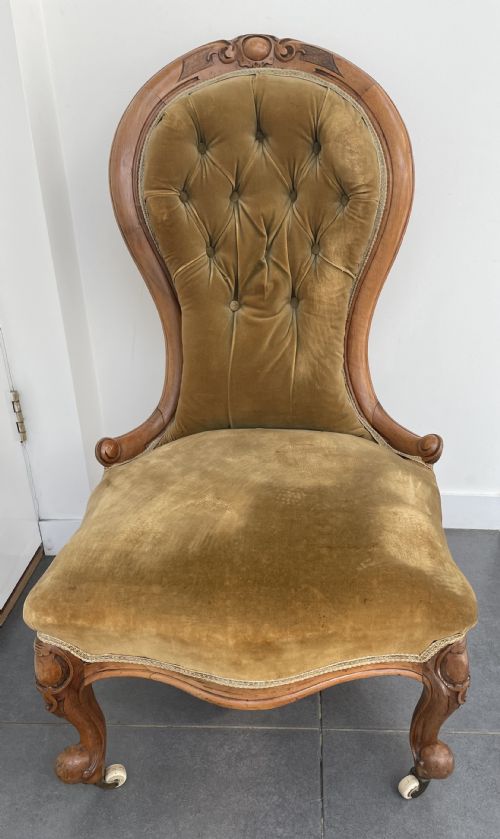
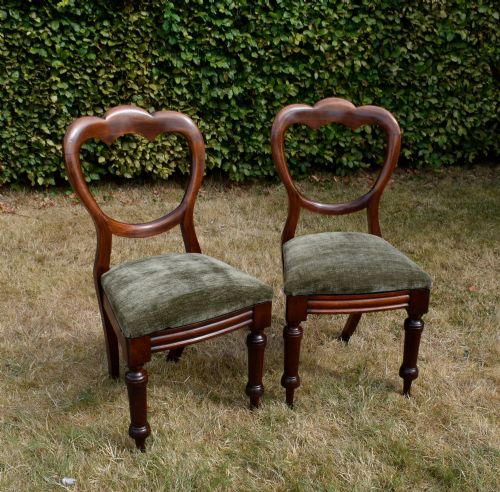
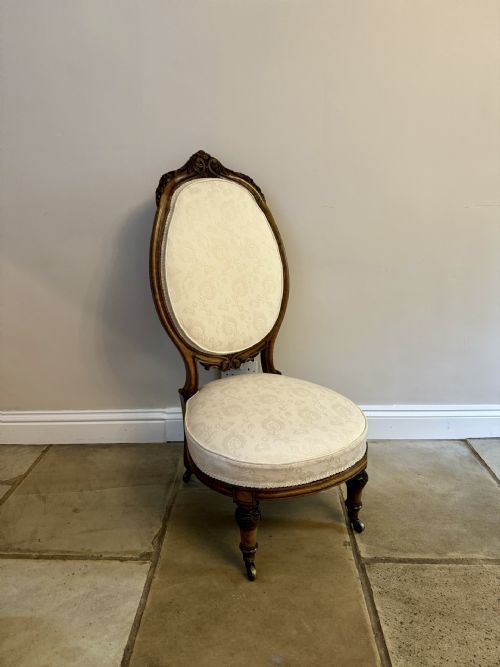
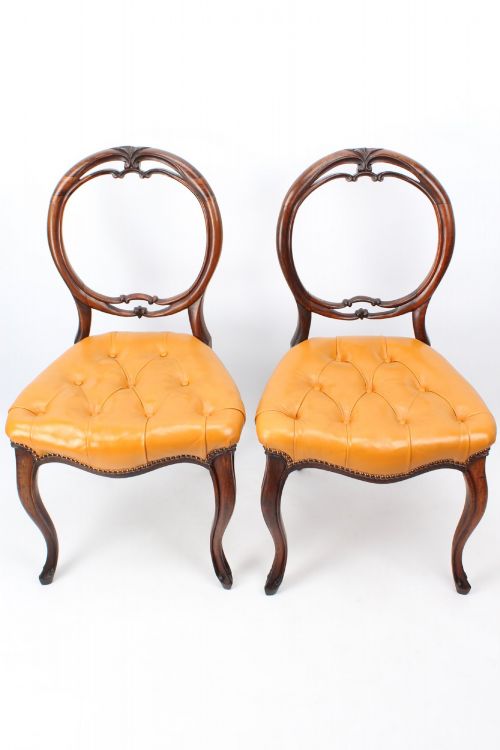
When you search for an antique balloon back seat, you encounter a refined form that dominated British seating design during the Victorian era and the broader nineteenth century. These pieces primarily function as dining chairs, occasional chairs, side chairs, and armchairs, shaped with a continuous loop top rail resembling a balloon.
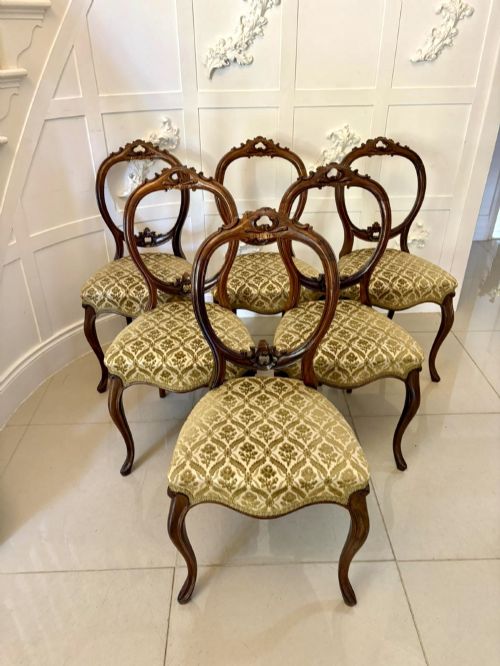
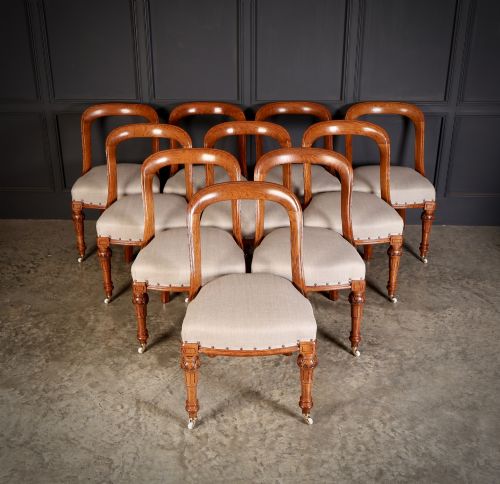
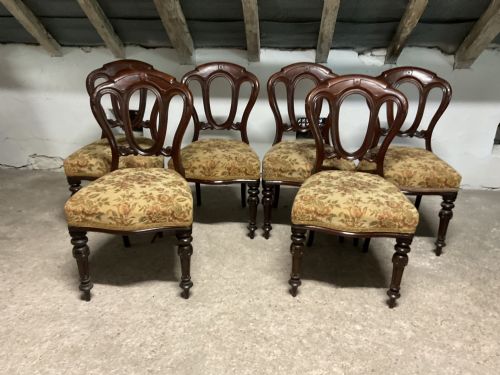
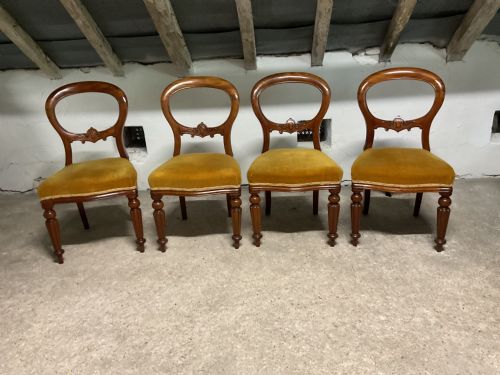
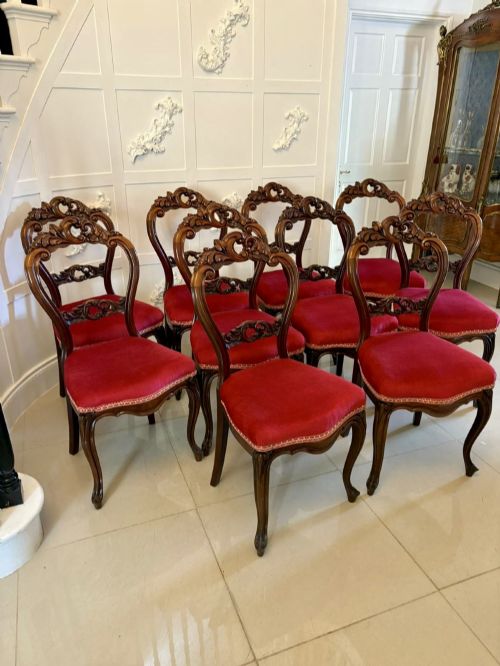
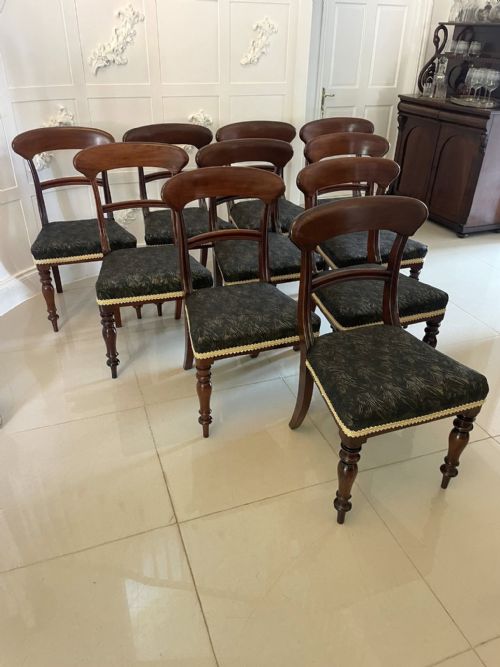
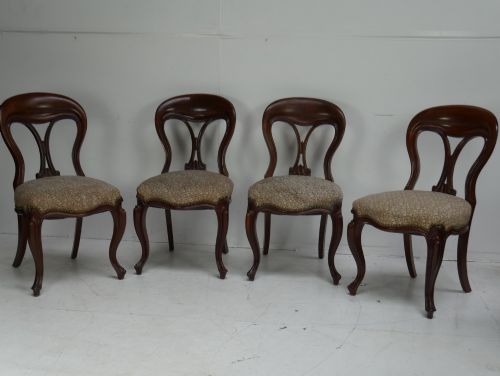
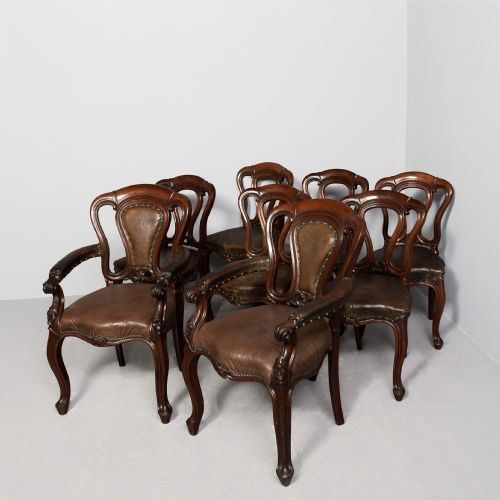
The evidence shows these seats appearing frequently in matched sets of four, six, eight, or ten, alongside individual occasional pieces and pairs. Walnut, mahogany, and rosewood form the main timber framework, often paired with upholstered pads in velvet, fabric, or needlepoint.
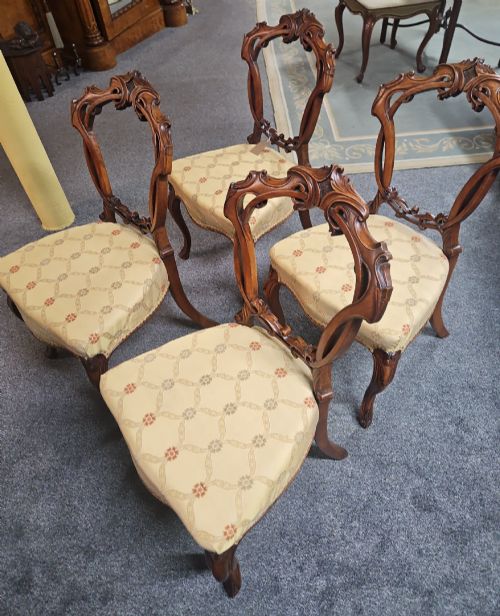
Originating largely within the Victorian period, with roots extending into Regency and William IV styles, these chairs represent the backbone of nineteenth-century domestic seating. The designs range from plain mahogany frames to heavily carved walnut and rosewood versions featuring pierced splats.
Materials and construction methods
Cabinet makers utilised dense hardwoods such as mahogany, walnut, and rosewood, steam-bending the timber or carving the distinctive loop back from solid stock to achieve the characteristic silhouette. Selected timbers display rich grain patterns enhanced by traditional polishing techniques.
Joinery relied on sturdy mortise and tenon joints to withstand daily use around the dining table. Seat frames were webbed and stuffed with traditional materials before being covered in textiles, velvet, leather, or decorative needlepoint.
Listings feature woods including mahogany, walnut, rosewood, and golden oak, alongside upholstered pads in velvet, leather, and needlepoint.
Assessing craftsmanship and distinction
Quality rests upon the crispness of the timber carving and the fluidity of the curved splat. Superior examples display deeply moulded frames and well-figured grain, whereas simpler versions rely on plain turned legs and minimal detail.
The integrity of the frame construction dictates longevity. Chairs that retain their original timber rigidity and display finely executed pierced splats sit at the higher end of the scale.
John Taylor & Son·Gillows
The Antique Balloon Back Seat Glossary
- Balloon back
- A chair back shaped in a continuous oval loop resembling an inflated balloon. This form became the defining seating silhouette of the Victorian era.
- Splati
- The central vertical slat of wood connecting the top rail to the seat base. In better pieces, this element is pierced and carved.
- Rosewood
- A dense, heavily figured exotic timber utilised in high-end nineteenth-century seating. It provides a dark, rich surface with distinct grain variation.
- Needlepoint
- A hand-stitched canvas work used for upholstery. It frequently appears on Victorian dining and parlour seats.
- Occasional chair
- A light, movable seat designed for use in various rooms rather than a fixed dining position. These often feature more decorative carving than standard dining chairs.
Antique Balloon Back Seat: Frequently Asked Questions
What periods do these seats belong to?
The listings on this page are centered primarily in the Victorian era, spanning from around 1850 to 1880, with occasional pieces stretching back into the Regency period and forward towards 1930.
Victorian examples form the bulk of the selection, showing how cabinet makers adapted the curved back design across several decades of the nineteenth century.
How were these chairs used historically?
These pieces served multiple domestic functions, most commonly gathered around a large dining table in sets ranging from four to twelve chairs.
Individual examples also functioned as desk chairs, bedroom chairs, and occasional seating in drawing rooms and parlours.
Do these chairs come in sets?
Many examples are offered as matched sets of four, six, eight, or ten dining chairs, reflecting how they were originally purchased for entertaining.
Pairs and single occasional chairs also appear frequently for use in bedrooms, halls, or studies.