

Victorian Carved Accent Chair
A victorian carved accent chair brings rich timber and ornate nineteenth-century craftsmanship into a modern interior.
Victorian Carved Accent Chair
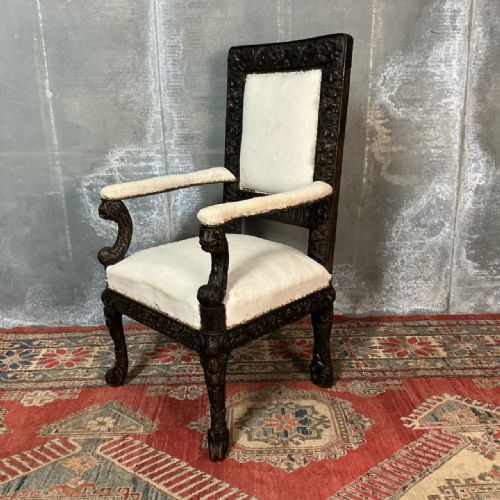
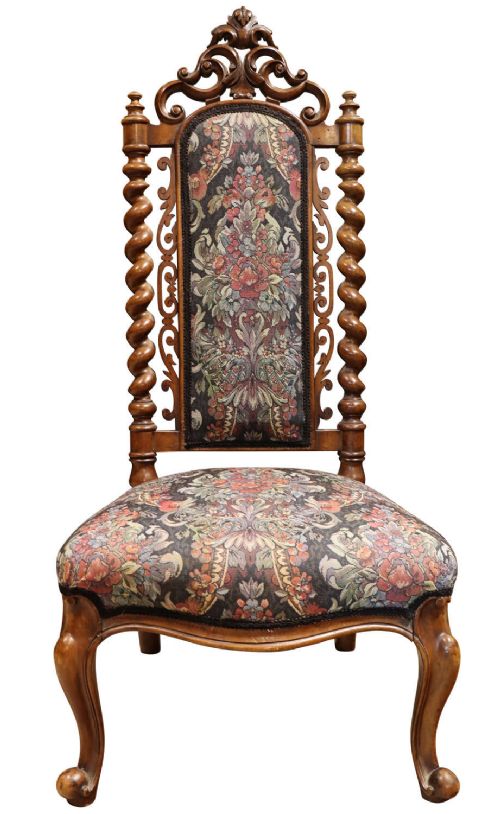
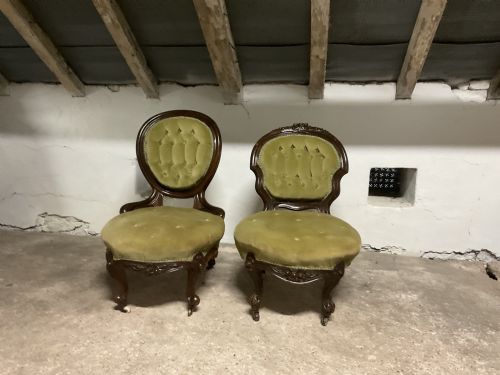
A victorian carved accent chair encompasses a variety of occasional seating designed to ornament nineteenth-century rooms, including nursing chairs, low salon seats, and parlor armchairs. These pieces often feature sculptural frames intended for display rather than heavy everyday use.
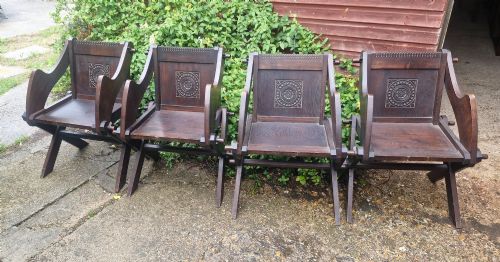
The pieces listed on this page span the broader nineteenth century alongside the Victorian period proper, with occasional examples reaching back to the Regency era. Walnut and mahogany predominate, shaped into diverse revived styles such as Rococo and Gothic.
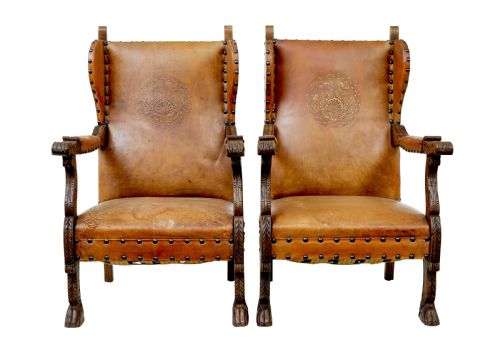
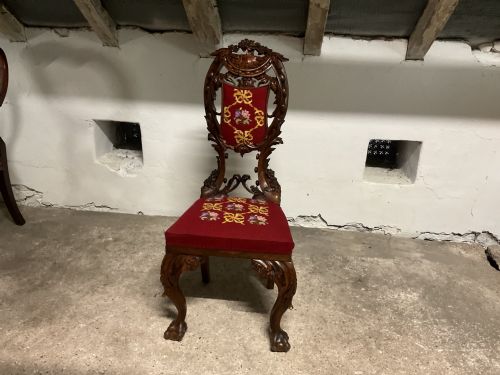
Buyers will encounter multiple seating forms, from low-slung bedroom chairs to upright reception and side chairs. Many incorporate carved wooden frames paired with period upholstery fabrics, tapestry, or leather.
Materials and Methods
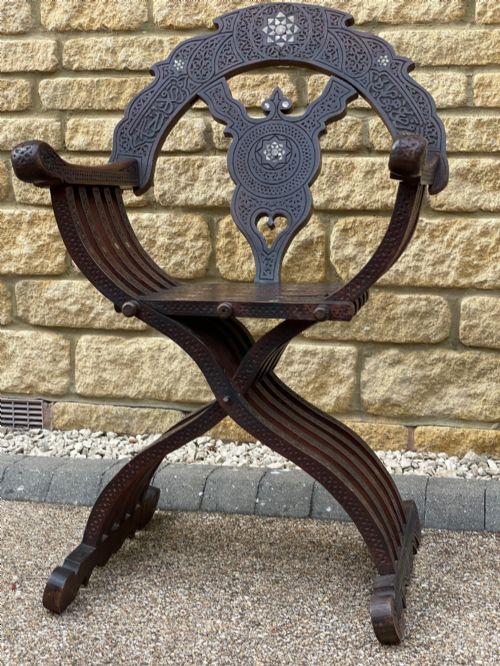
Cabinetmakers constructed these frames using dense hardwoods like walnut, mahogany, oak, and rosewood, which allowed for deep, crisp carving. Solid timber framing was frequently augmented by decorative inlays such as mother of pearl.
Joinery techniques relied on traditional mortise and tenon joints to secure the wooden skeletons, whilst structural support came from turned components and cabriole legs. Upholstered variants utilised coil springs, horsehair stuffing, and heavy textiles like velvet, tapestry, and embossed leather.
Victorian Carved Accent Chair Retail Price Guide 2026
Typical asking prices for victorian carved accent chair among the pieces listed under this phrase on Sellingantiques today, from the lower quarter to the upper quarter. They describe what is for sale here now, not the wider market.
The furniture styles range from Rococo Revival and Gothic Revival to the clean, ebonised lines of the Aesthetic Movement.
Assessing Quality
Quality rests upon the depth and precision of the timber carving, where hand-tooled details on walnut and rosewood frames display superior artisan skill compared to simpler moulded work. The crispness of scrollwork and figurative motifs dictates the tier of the piece.
The integrity of the original timber frame and the choice of primary wood significantly elevate a chair's standing. Dense, highly figured walnut and exotic rosewood command greater respect than standard pine or utilitarian hardwoods.
The Victorian Carved Accent Chair Glossary
- Cabriole leg
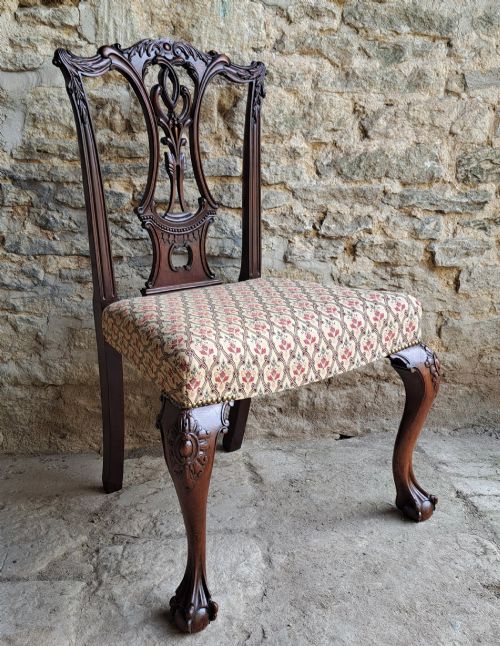
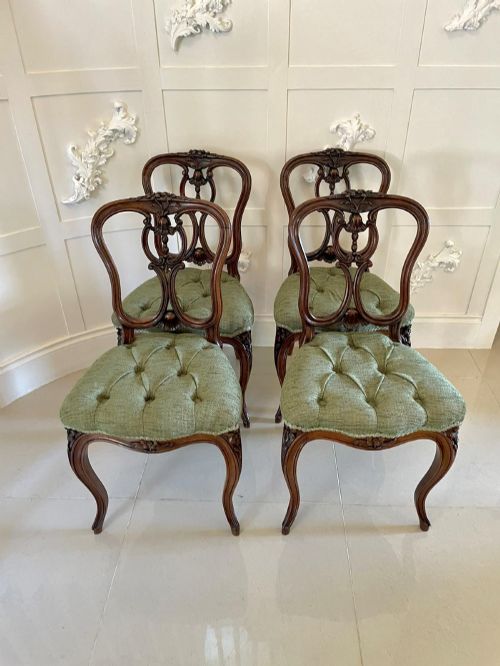
- A furniture leg that curves outward at the knee and tapers inward toward the ankle, ending in a pad or scroll foot. This shape derives from ancient animal forms and is common on revival seating.
- Nursing chair
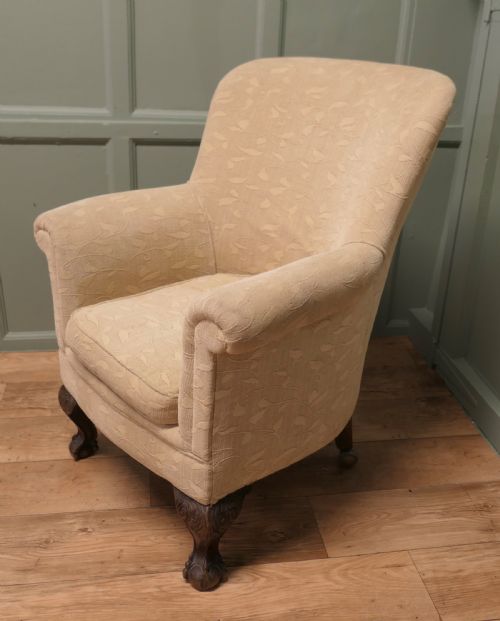
- A low-seated upholstered chair designed in the nineteenth century to allow a person to sit comfortably while tending to an infant. They often feature generous padded backs and exposed carved wooden frames.
- Sgabello
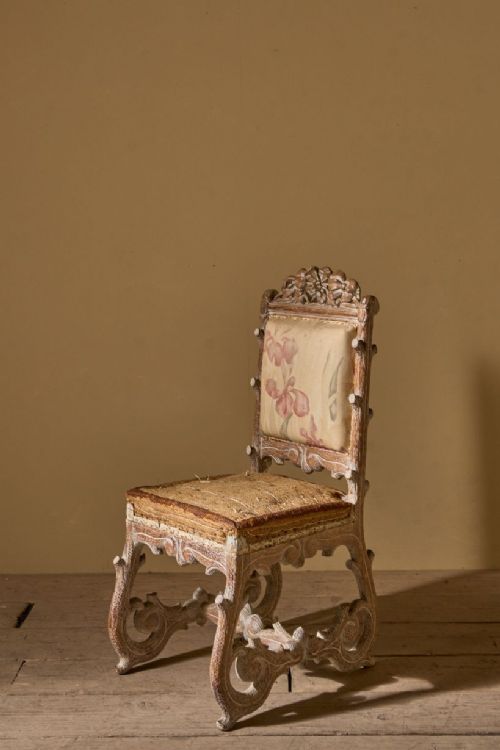
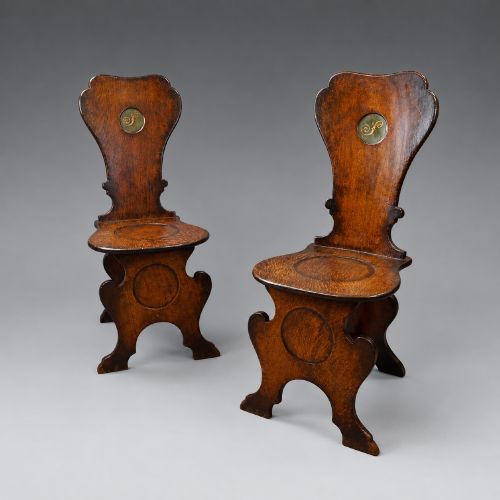
- A lightweight wooden hall chair characterised by a high, stiff back and solid trestle supports instead of standard legs. Originating during the Renaissance, these were often placed in entrance halls.
- Gothic Revival
- An architectural and decorative style drawing inspiration from medieval design, featuring pointed arches, tracery, and heavy carved oak. It reemerged prominently during the Victorian era.
- Aesthetic Movement
- A late nineteenth-century design current that rejected heavy industrial ornamentation in favour of artistic refinement, simplicity, and ebonised finishes. Pieces from this movement often highlight naturalistic motifs.
Victorian Carved Accent Chair: Frequently Asked Questions
Where should I place a Victorian accent chair?
These chairs suit low-traffic areas such as bedrooms, hallways, or quiet reading corners where their decorative carved frames can be fully appreciated. Their compact scale makes them ideal as occasional seating rather than primary lounge chairs.
Because many examples were originally built as nursing or salon chairs, they offer lower seating heights that pair well beside dressing tables or empty fireplace hearths.
How do I care for nineteenth-century upholstery?
Original textiles like tapestry, silk velvet, or embossed leather require gentle vacuuming with a soft brush attachment to remove dust. Avoid placing antique fabrics in direct sunlight to prevent fading.
If a chair requires new covering to ensure structural longevity, consult a specialist restorer who understands traditional horsehair stuffing and spring-tying techniques.
How do I distinguish walnut from mahogany pieces?
Walnut typically displays a rich, warm brown colour with pronounced grain patterns and occasional dark streaks, making it ideal for deep, sculptural carving. Mahogany tends to be darker and denser with a straighter, finer grain structure.
Both timbers were favoured during different phases of the Victorian era, with walnut dominating mid-century revival styles and mahogany appearing frequently in library and salon seating.
What is the difference between a salon chair and a hall chair?
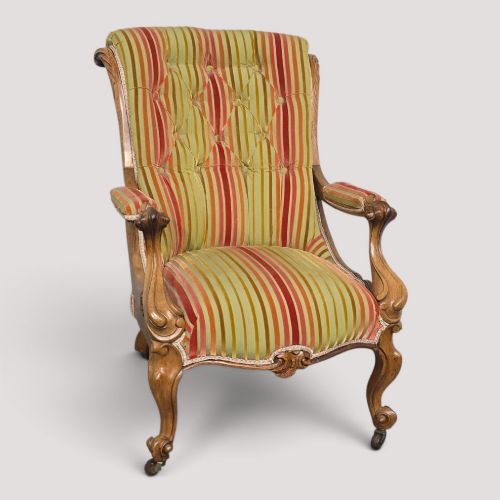
Salon chairs are designed for comfort and display in reception rooms, usually featuring upholstered seats, padded backs, and decorative frames in walnut or rosewood. They prioritize ornamental luxury for guests.
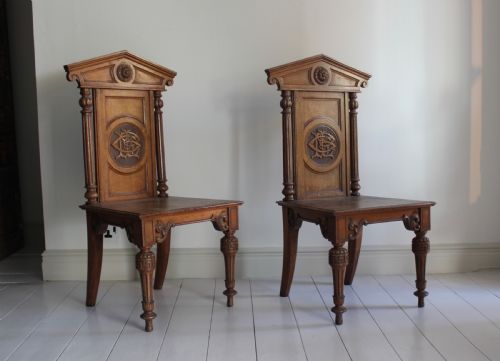
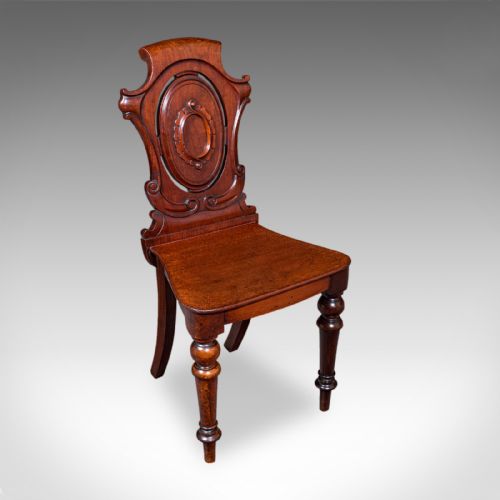
Hall chairs are almost entirely wooden with stiff, upright backs and no upholstery, built to stand rigidly in grand entrances for brief periods of waiting.