

Antique Wood Accent Chairs
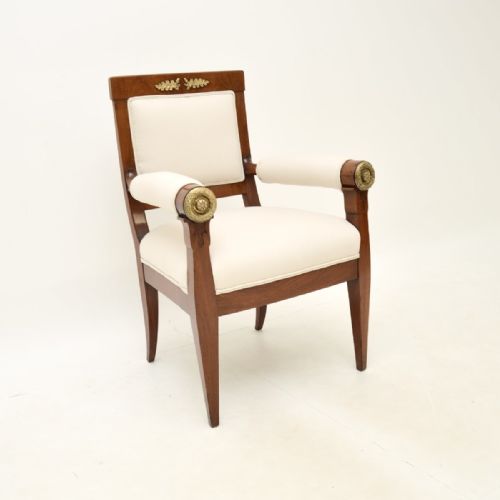
These antique wood accent chairs bring distinct historical character and varied timber grain into a room as striking occasional seating.
Antique Wood Accent Chairs
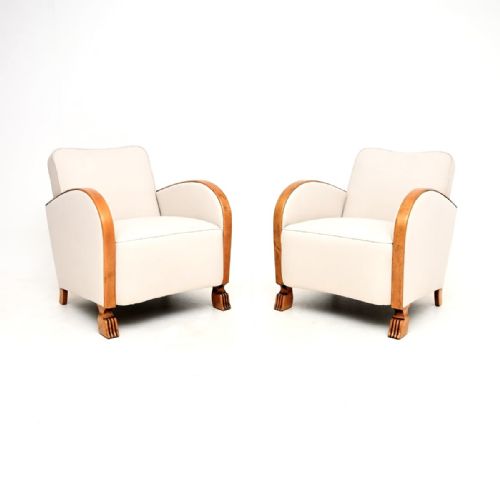
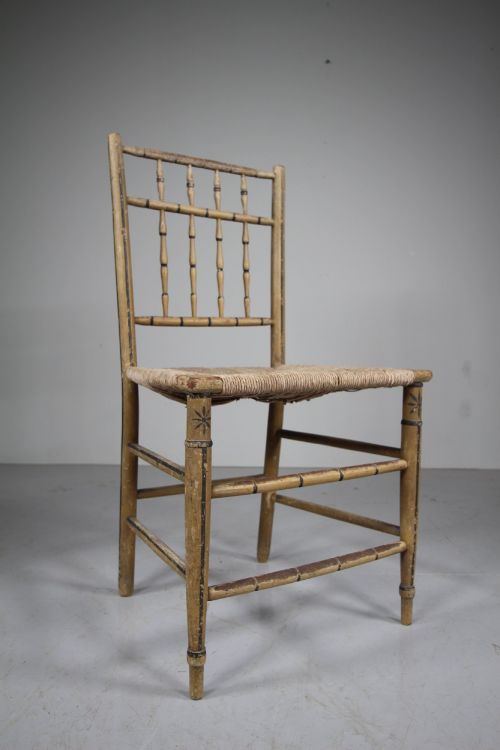
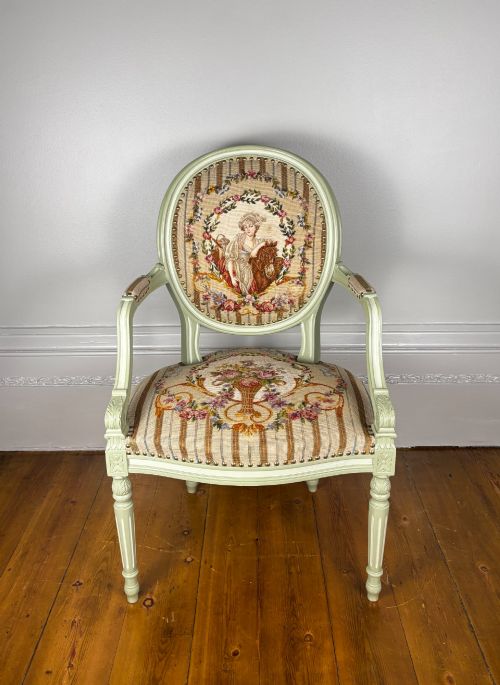
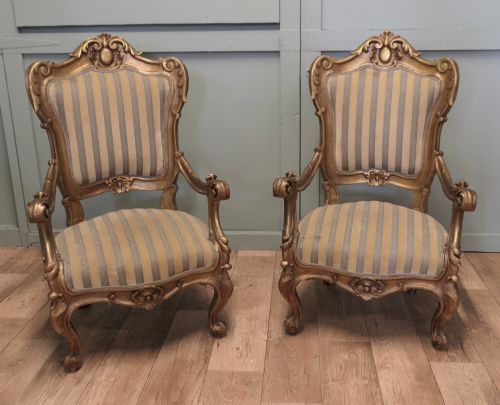
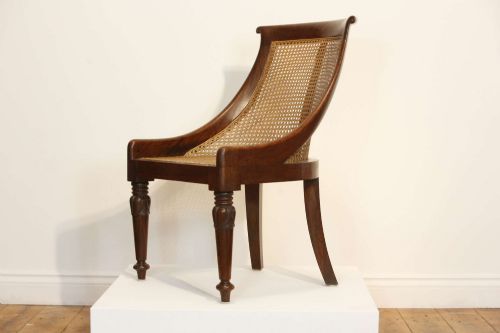
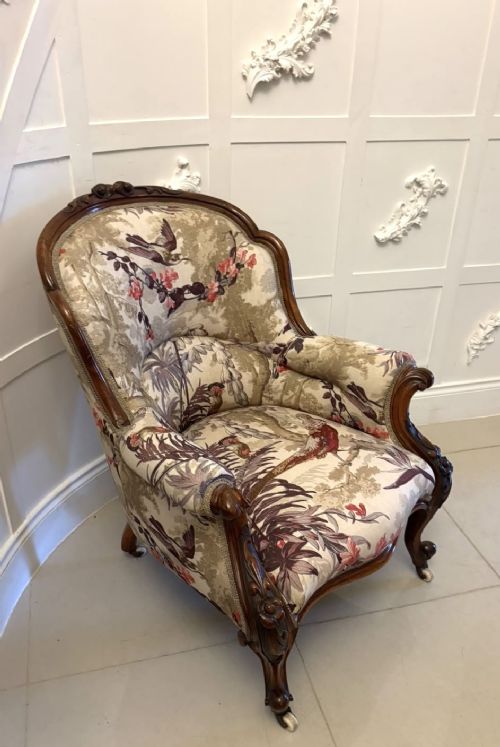
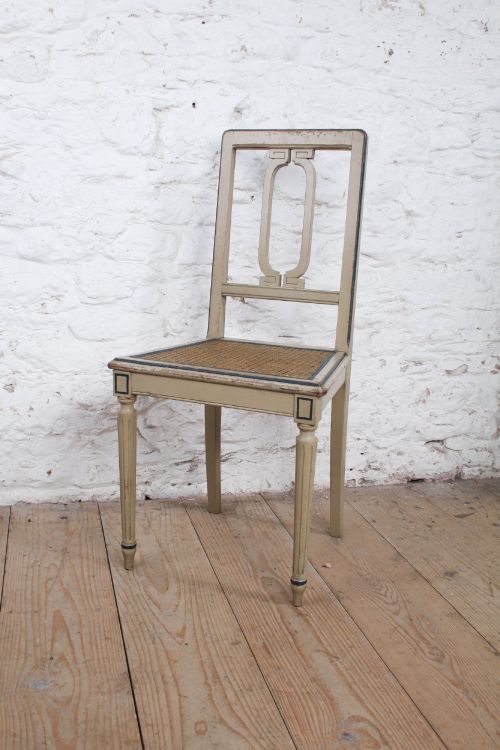
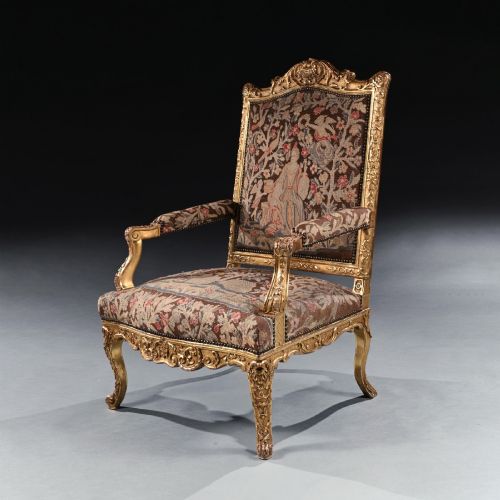
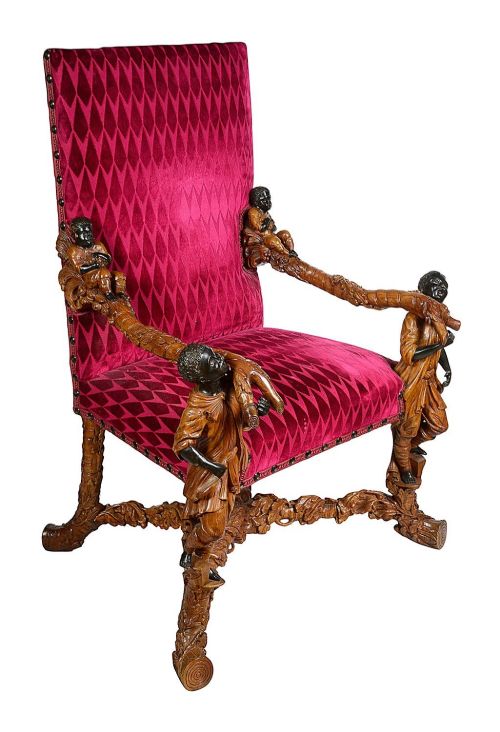
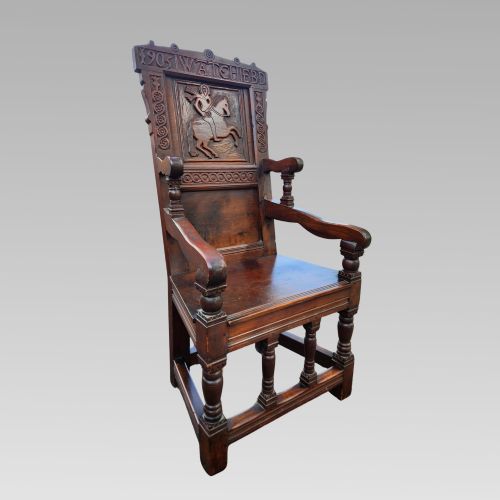
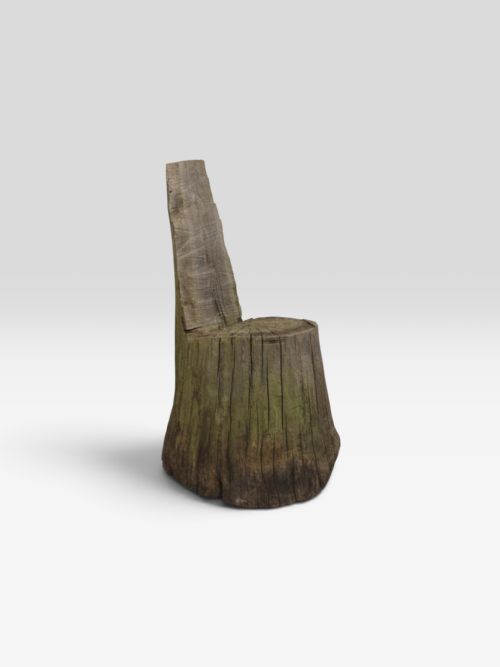
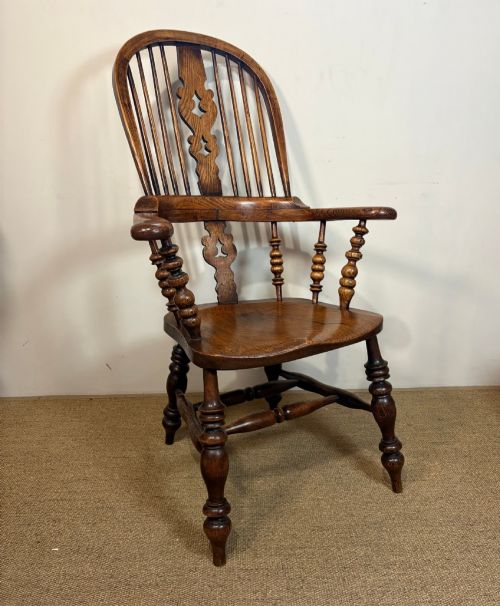
Antique wood accent chairs encompass diverse forms such as armchairs, side chairs, hall chairs, and rocking chairs spanning from the seventeenth century through the art deco period. Buyers encounter regional variations ranging from English Windsor designs in elm and yew to continental giltwood fauteuils and Scandinavian birch seating.
The selection includes specific regional seating like Orkney chairs, Burmese carved thistle chairs, and Syrian mother of pearl inlaid models alongside traditional Georgian and Victorian mahogany pieces. These versatile seats function primarily as decorative occasional pieces or reception seating in domestic interiors.
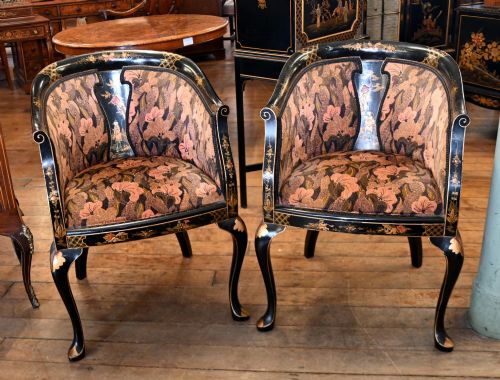
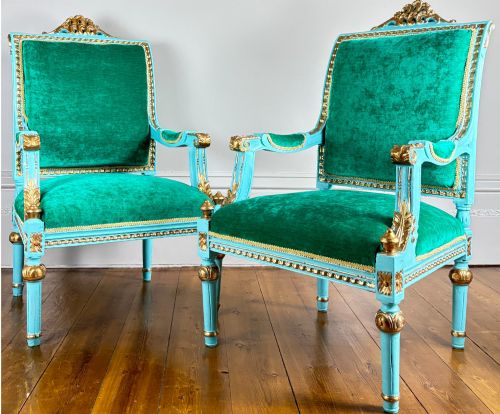
Makers and workshops from various European and international centres produced these chairs using period specific styles including Regency, Edwardian, Baroque, and Gothic Revival. Pieces often survive as individual items or matched pairs upholstered in diverse textiles, silks, and velvets.
Materials and Construction Techniques
Cabinet makers utilised dense hardwoods such as mahogany, walnut, oak, beech, and elm for structural frames, sometimes turning timber on a lathe to create bobbin-turned legs and spindles. Artisans employed traditional joinery methods including mortise and tenon joints to secure the wooden framework.
Surface decoration involved intricate hand carving, gilding, painting, and satin birch or mother of pearl inlay applied directly to the timber. Upholstered versions relied on traditional stuffing materials covered with contemporary or period textiles, velvet, and silk.
Bentwood techniques emerged in later nineteenth century pieces, steaming wood under pressure to shape sweeping curves for frames and rocking chair runners.
Antique Wood Accent Chairs Retail Price Guide 2026
Typical asking prices for wood accent chairs among the pieces listed under this phrase on Sellingantiques today, from the lower quarter to the upper quarter. They describe what is for sale here now, not the wider market.
Some nineteenth century nursing chairs sit notably low to the floor, designed specifically to assist Victorian women with long, heavy garments.
Distinctions in Quality and Craftsmanship
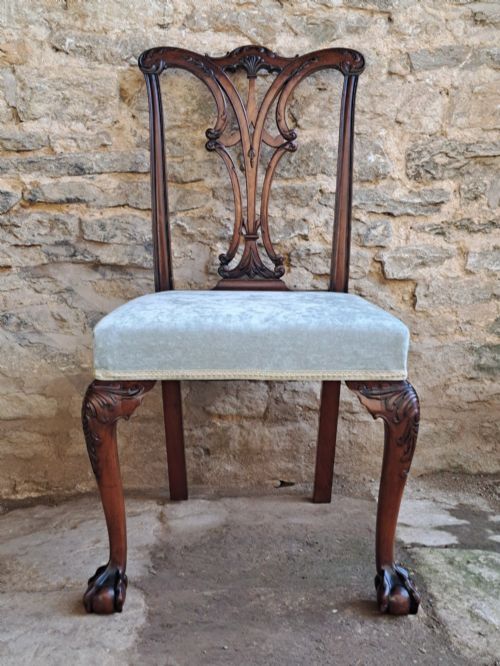
Superior examples demonstrate crisp, deep hand carving in the timber and precise execution of period styles such as Chippendale or Hepplewhite, whereas lower tiers show softer, mechanical definition. The selection of materials also dictates standing, with figured Cuban mahogany or exhibition quality carved walnut commanding greater attention than plain utility timbers.
The integrity of the original wooden frame, the retention of surface finishes like original paint or gilding, and the presence of authentic period upholstery methods separate master workshop output from standard commercial production.
Jacob and Josef Kohn·Colefax and Fowler·Jacob-Desmalter·Andrea Brustolon
The Antique Wood Accent Chairs Glossary
- Carver
- An armchair, typically designed for the head of a dining table or as an occasional seat. These feature supportive armrests integrated into the wooden frame.
- Fauteuil
- An open-arm armchair with upholstered back and seat, originating from France. The wooden arms typically feature padded elbow rests.
- Windsor
- A chair constructed with a solid wooden seat into which the legs and back spindles are separately inserted. Elm and yew are frequent timber choices for these sturdy country seats.
- Bobbin turned
- A style of furniture leg or stretcher shaped on a lathe to resemble a series of rounded wooden beads or bobbins. This decorative turning appears frequently on seventeenth and eighteenth century oak furniture.
- Giltwood
- Timber that has been coated with a thin layer of gold leaf or gold paint. This technique enhances ceremonial and formal seating from the eighteenth and nineteenth centuries.
Antique Wood Accent Chairs: Frequently Asked Questions
What defines an accent chair?
An accent chair is a standalone seating piece chosen to complement a room's primary decor through distinct timber work, upholstery, or period style.
These pieces function as decorative occasional furniture rather than standard matching dining sets.
Are these chairs suitable for daily use?
Many antique wooden chairs retain sturdy frames and comfortable proportions suited for regular placement in reception rooms or hallways.
Delicate giltwood or antique upholstered versions often require more careful placement to preserve fragile fabrics and finishes.
How do I date a wooden chair?
Dating relies on identifying characteristic period styles, construction joint methods, and the specific choice of timber grain.
Comparing turned leg profiles and carved ornamentation against documented historical examples narrows down the era of production.