


Antique Regency Seating
These antique regency seating pieces offer refined lines and rich timbers that elevate any traditional dining room.
What antique regency seating is
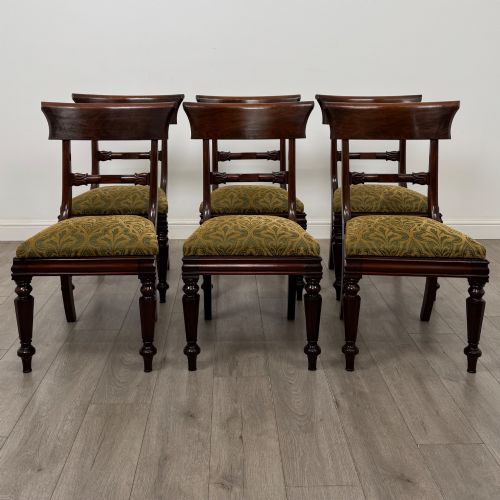
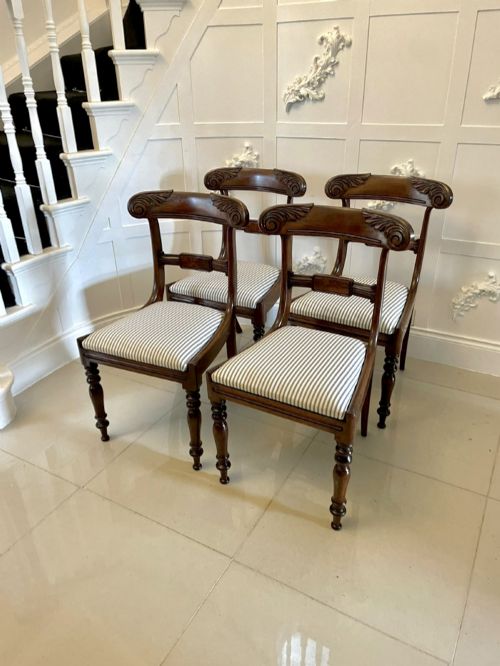
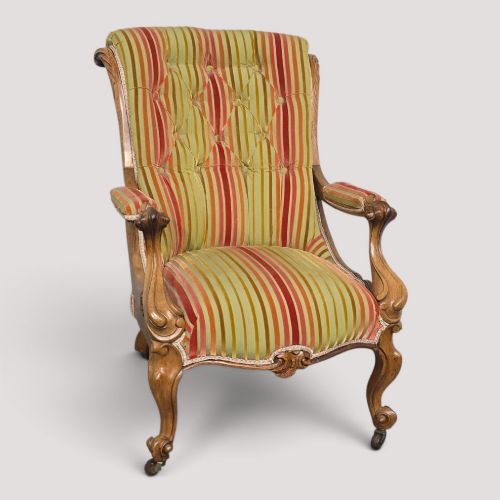
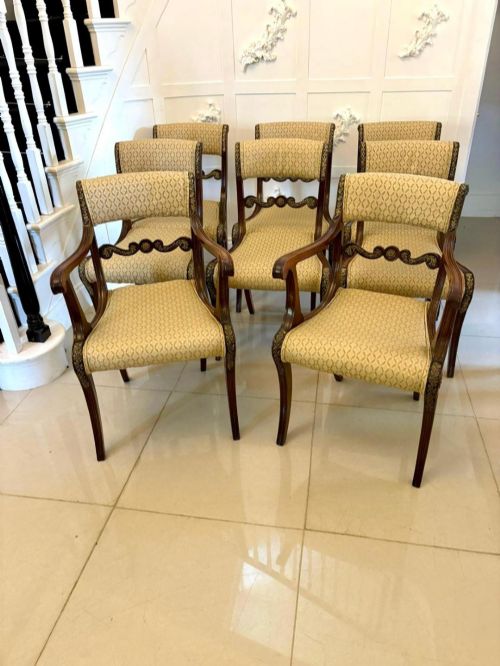
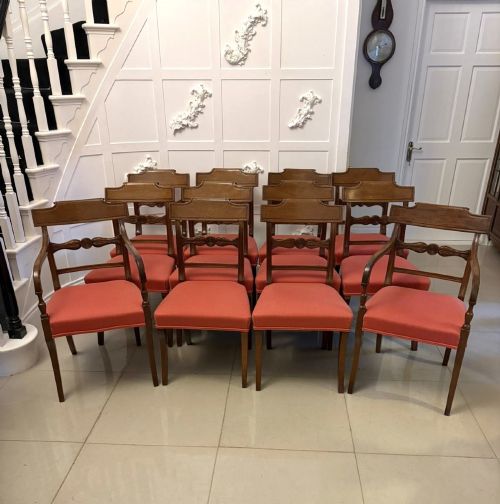
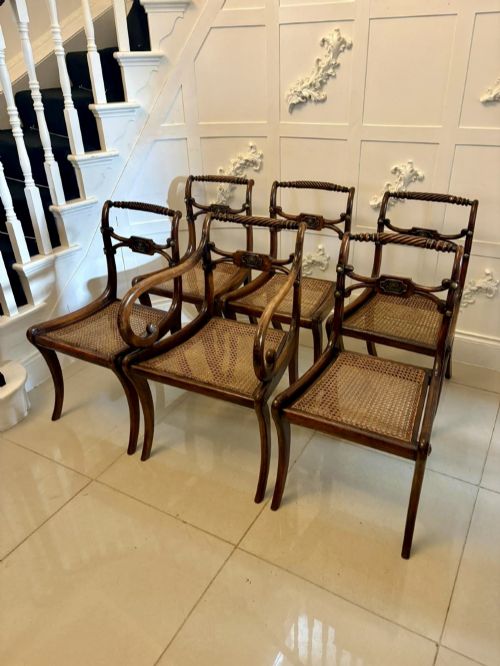
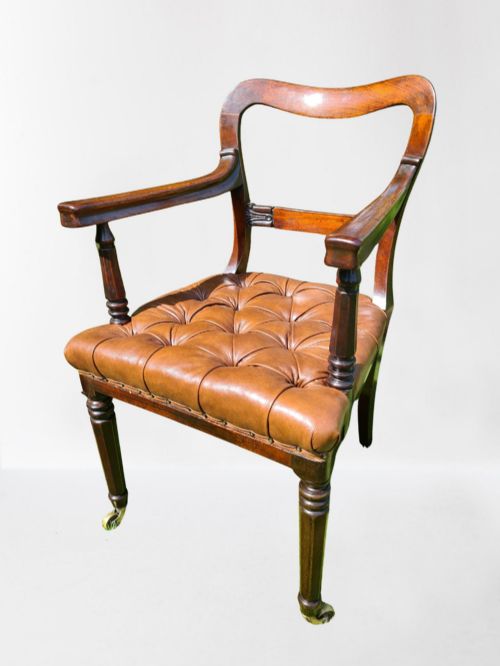
Buyers seeking antique regency seating find dining chairs, side chairs, and hall chairs dating from the early nineteenth century. These forms reflect the classical influences of the Regency and late Regency periods.
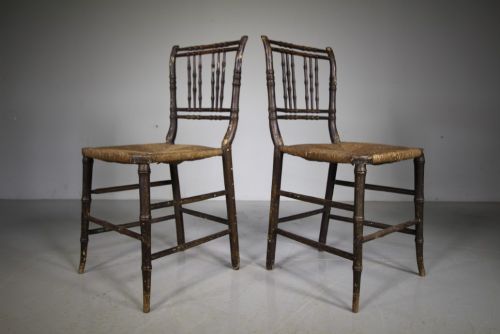
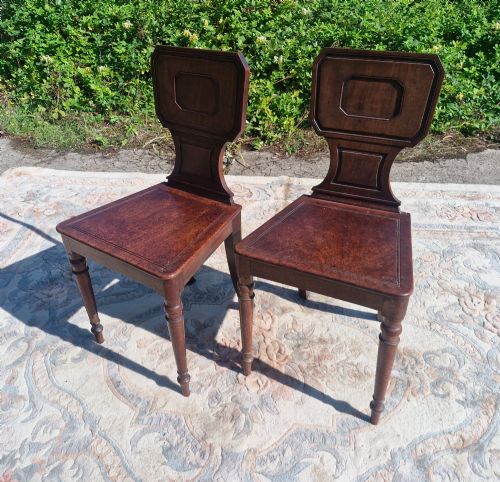
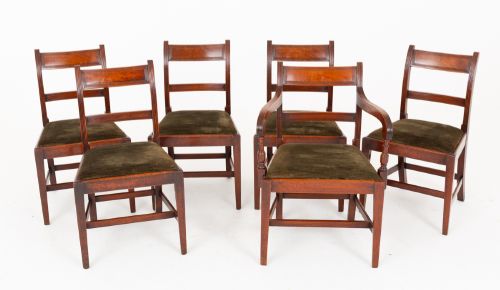
The selection on this page centres on mahogany and rosewood dining chairs, often appearing in matching sets or pairs. Side chairs and hall chairs of unusual design also feature among the items.
How they were made
Cabinet makers utilised dense imported timbers like mahogany and rosewood, frequently incorporating subtle wood inlays for visual contrast. Frames were joined with precision to support daily use in formal rooms.
Seating portions received traditional upholstery finishes, utilising durable fabric or leather over supportive inner stuffing. Brass details occasionally appeared as decorative mounts or structural accents.
Retail Price Guide 2026
Typical UK retail prices for regency seating, calculated from the Sellingantiques database of over a million retail prices indexed since 2003. This retail price guide relies exclusively on Sellingantiques data; no external sources or auction records are used, so the figures do not describe the wider market.
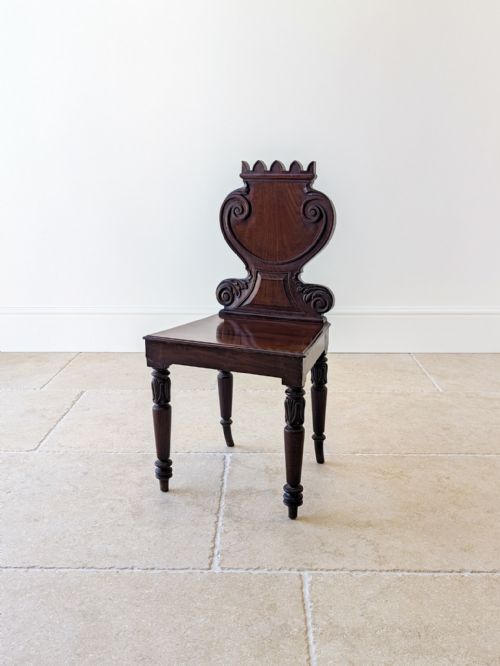
Makers occasionally indulged in remarkably eccentric back designs for hall chairs to impress visitors before they even reached the drawing room.
What varies in quality
The upper tier of antique regency seating displays superior timber selection with rich grain patterns and deeper colouration. Sets that survive complete and in original condition command greater regard from collectors.
Subtlety of carving and proportion separates standard pieces from the finest examples. Refined inlay work and robust structural integrity mark the work of superior workshops.
The Antique Regency Seating Glossary
- Regency
- A design period spanning the early nineteenth century, characterised by classical restraint and neoclassical motifs. It draws inspiration from ancient Greek and Roman aesthetics.
- Mahogany
- A durable, dark tropical timber valued for its stable grain and deep reddish-brown tone. It served as the primary material for high-end furniture of this era.
- Rosewood
- A heavily figured exotic hardwood exhibiting dark brown and purple streaks. Cabinet makers reserved this timber for luxury pieces intended for principal reception rooms.
- Side chair
- An upright chair without arms designed for dining or occasional use around the home. These pieces typically featured decorative back splats.
- Hall chair
- A stiff-backed timber chair placed in an entrance hall, often carved with family crests or unusual designs. They were rarely upholstered, prioritising sculptural timber forms.
Frequently Asked Questions
How do I spot a real regency chair?
Examine the timber species and construction methods to ensure they align with early nineteenth-century practices. Look for dense mahogany or rosewood and traditional joinery rather than modern fixings.
Check the proportions and classical motifs against established examples from the period. Genuine pieces display natural wear consistent with age rather than artificial distress.
Can I use these chairs daily?
These dining chairs remain structurally capable of normal household use provided the frames are sound. Ensure the joints remain tight before hosting regular meals.
Protect the antique timber and upholstery from direct sunlight and excessive moisture. Treat the surfaces with appropriate care to preserve the original finish.
What is the difference between dining and hall chairs?
Dining chairs prioritised seated comfort around a table, often featuring upholstered pads and supportive backs. Sets were manufactured to match the scale of formal dining rooms.
Hall chairs functioned as architectural statements in entrance spaces, constructed entirely from timber without upholstery. Their designs tended to be more sculptural and unusual.
How do I care for antique rosewood?
Maintain stable indoor humidity levels to prevent the dense hardwood from splitting or warping. Avoid placing the furniture near direct heat sources or in prolonged sunlight.
Dust the timber regularly with a soft, dry cloth to protect the polished surface. Consult a specialist restorer before applying any commercial polishes or oils.