



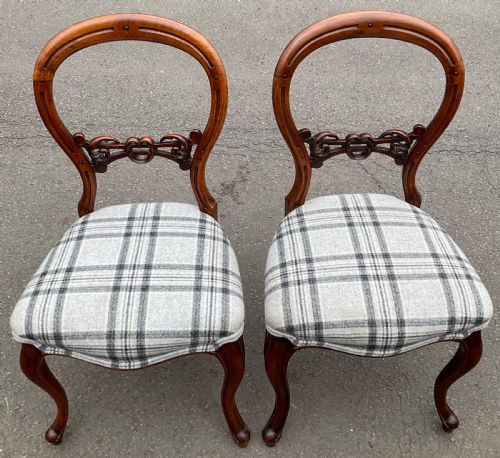


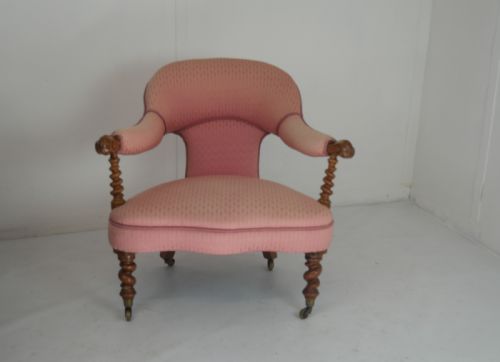

Traditional Walnut Bedroom Chair
A traditional walnut bedroom chair brings warmth and compact seating to a dressing room, bedroom or corner.
Traditional Walnut Bedroom Chair
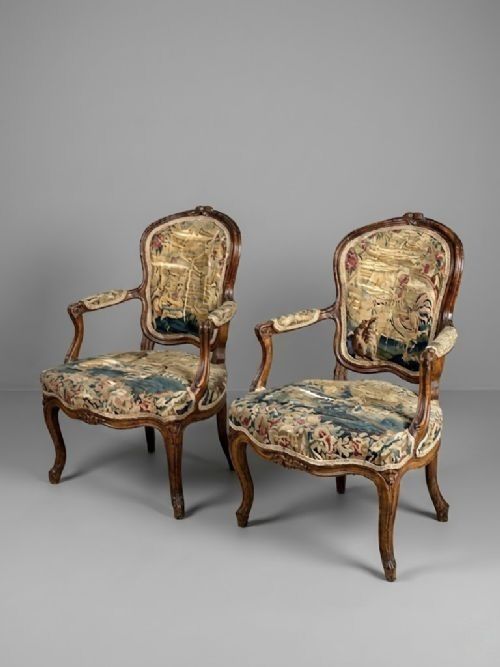
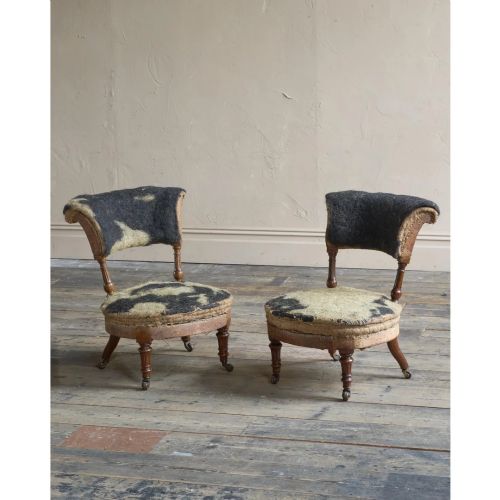
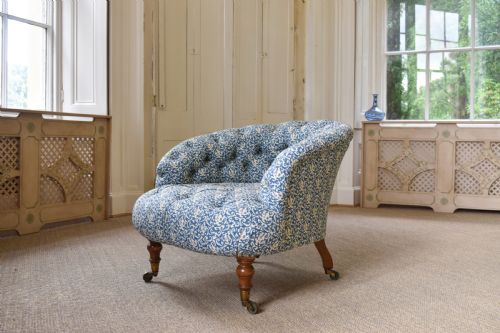
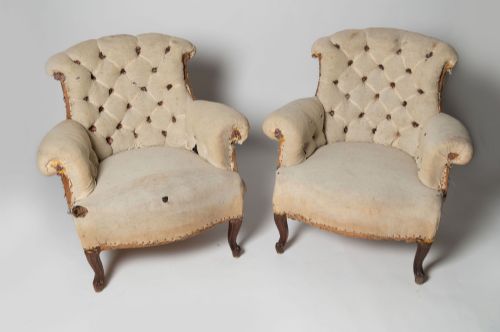
A traditional walnut bedroom chair is a compact seating piece designed for private chambers, dressing rooms and parlours across several centuries. The selection on this page ranges from side chairs and nursing chairs to tub armchairs and open armchairs. You will encounter forms spanning the eighteenth, nineteenth and early twentieth centuries in this grouping.
The styles represented include Regency, Victorian, Edwardian, Queen Anne style, French Napoleon III and Italian country. Most examples serve as lighter, smaller seats than main drawing room furniture, often featuring lower profiles suited to dressing or quiet resting.
How they were made
Walnut forms the primary structural timber across these pieces, frequently combined with secondary woods such as beech or timber framing. Frames are shaped and turned to suit the prevailing aesthetic of periods from the eighteenth century onward.
Traditional upholstery techniques utilise materials like brass tacks, cotton, linen, hessian and needlepoint fabrics. Cushioning and webbing support the seated user, finished with textile coverings suited to the original domestic setting.
Traditional Walnut Bedroom Chair Retail Price Guide 2026
Typical asking prices for traditional walnut bedroom chair among the pieces listed under this phrase on Sellingantiques today, from the lower quarter to the upper quarter. They describe what is for sale here now, not the wider market.
Low seats built for Victorian nurseries whisper tales of midnight lullabies and quiet, weary parents.
What varies in quality
The sophistication of the woodwork and the crispness of carved details dictate the standing of an individual chair. Pieces exhibiting refined turning, well-figured timber grain and balanced proportions command greater attention from those studying the craft.
The integrity of the frame construction and the fidelity of any period restoration affect the overall character of the piece. Consideration is given to how well the timber has aged and whether the upholstery retains a sympathetic relationship to the frame.
Howard & Sons
The Traditional Walnut Bedroom Chair Glossary
- Nursing chair
- A low-seated chair historically designed for feeding infants or personal grooming in a bedroom. These seats typically feature supportive backs and comfortable proportions.
- Tub armchair
- An enclosed armchair where the back curves continuously into the arms to form a sheltered enclosure. This form provides a snug seating experience.
- Needlepoint
- A form of counted thread embroidery stitched onto canvas, frequently used for historic chair upholstery. It introduces intricate patterns and textured colour to the seat or back.
- Regency
- A British design period spanning the early nineteenth century characterised by classical revival motifs and refined silhouettes. Pieces from this era often show restraint and elegance.
- French Napoleon III
- A decorative style from the mid-nineteenth century associated with eclectic revivals and luxurious French taste. These items often display decorative flourishes and rich finishes.
Traditional Walnut Bedroom Chair: Frequently Asked Questions
What is a traditional walnut bedroom chair used for?
These chairs provide practical, comfortable seating in private rooms, dressing areas and quiet corners. Their modest scale allows them to fit spaces where larger armchairs would overwhelm the room.
Historically, specific variants such as nursing chairs offered lower seats designed to assist with personal tasks or childcare. Today, they serve both functional seating roles and decorative accents within residential interiors.
How do I identify the period of a walnut chair?
Dating relies on observing the stylistic markers, structural joints and turning details characteristic of eras like the Regency or Edwardian periods. Shifts in silhouette and carving depth help place an item within a specific century.
Examining the underside and construction methods reveals how the frame was joined and whether it aligns with documented furniture-making traditions of the past.
What woods and materials appear in these chairs?
Walnut serves as the dominant visible timber, prized for its rich grain and warm tone. Secondary timbers such as beech often support internal frames.
Upholstery elements include traditional stuffings, hessian, cotton, linen and decorative textiles like needlepoint secured with brass tacks.
How do I live with antique bedroom chairs?
These pieces integrate easily into modern homes by functioning as accent seats in bedrooms, studies or hallways. Their compact proportions make them versatile additions to various room layouts.
Care involves protecting the walnut surfaces from direct heat and strong sunlight while maintaining the fabric upholstery with gentle, regular cleaning.