
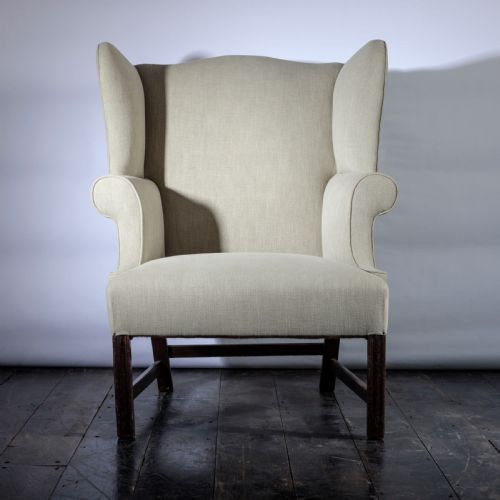
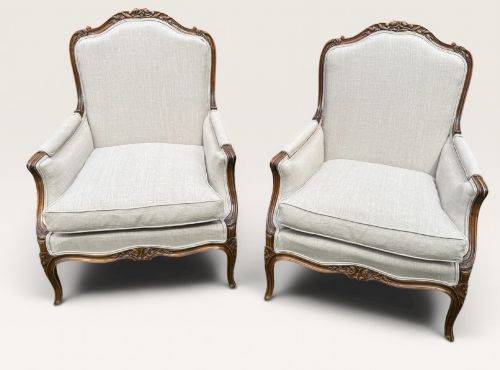
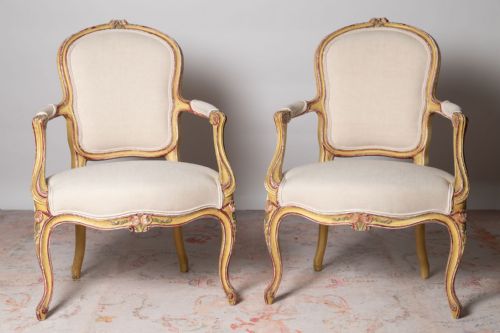
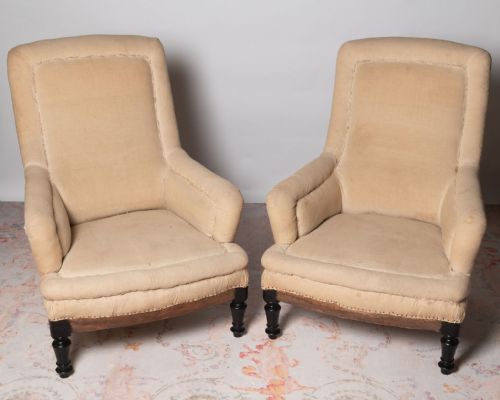
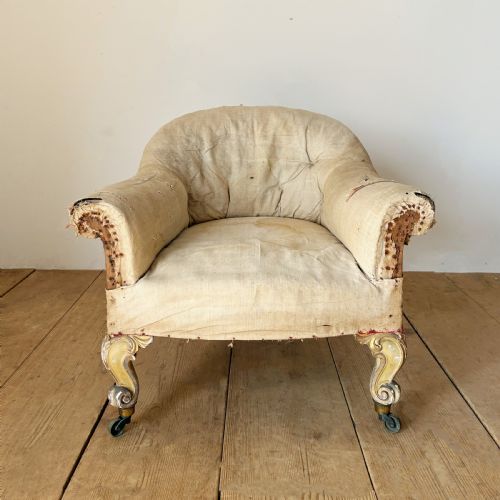
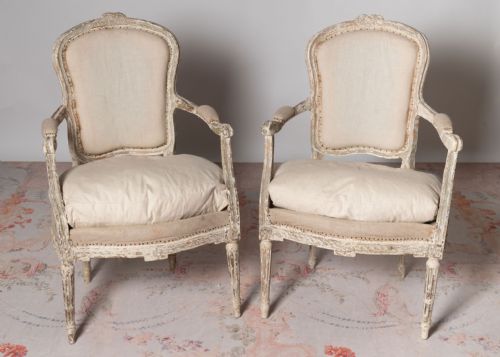
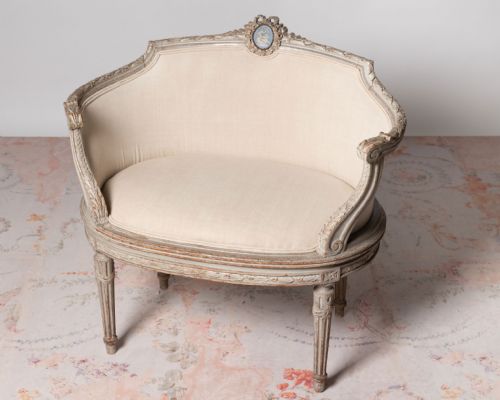
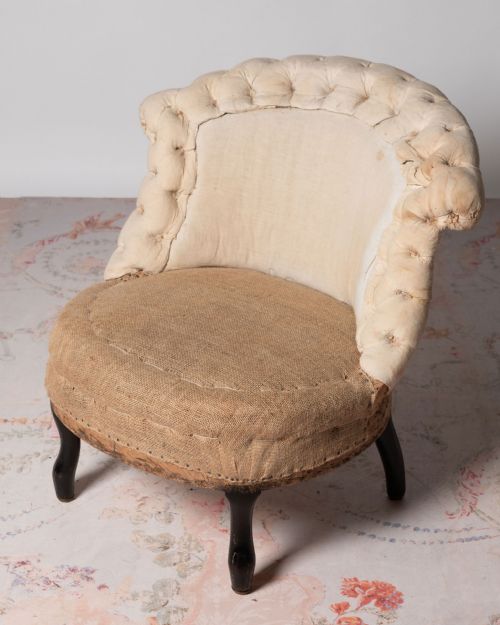
Linen Upholstered Chair
A linen upholstered chair brings texture and classic form to a room, spanning periods from the eighteenth century to the Edwardian era.
Linen Upholstered Chair
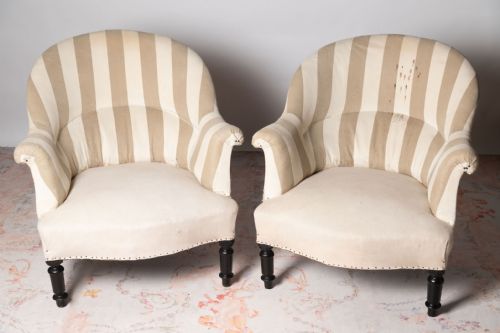
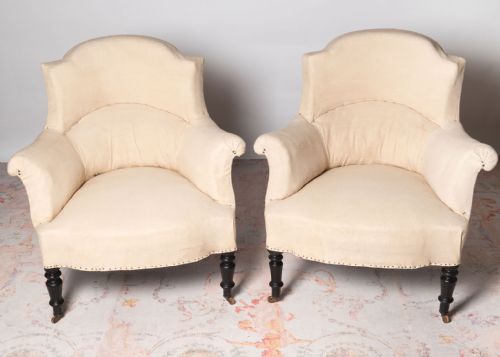
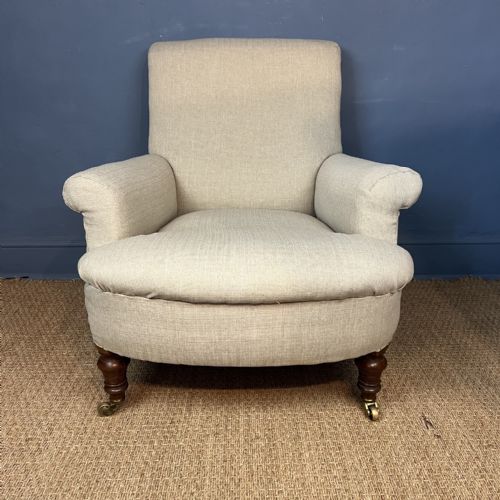
The search for a linen upholstered chair brings up armchairs, slipper chairs, dining chairs, and wingbacks spanning the eighteenth century through to the Edwardian period and the early twentieth century. Buyers encounter French forms alongside traditional British library and fireside seats, framed in woods such as mahogany, walnut, oak, and beech.
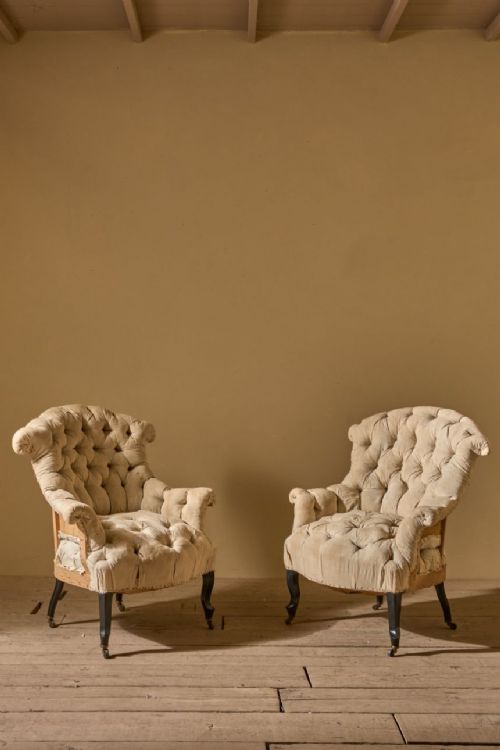
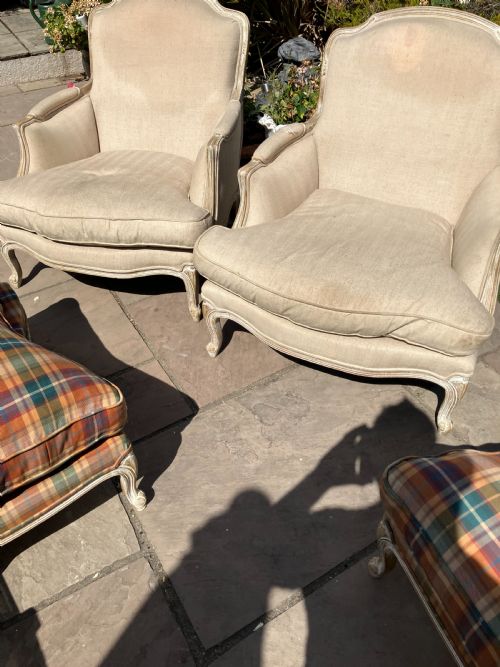
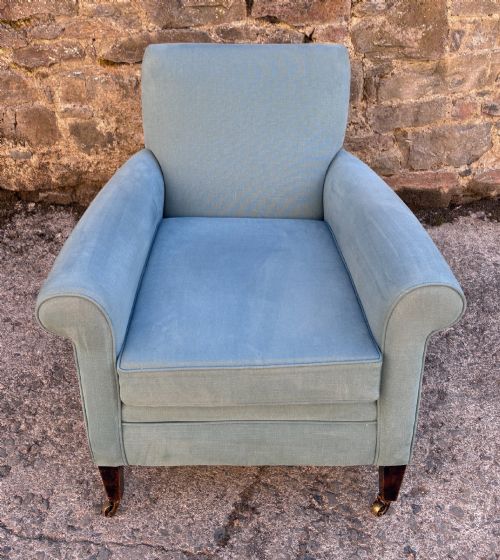
Armchairs and wing armchairs dominate the selections, often paired as sets or matching pairs. These pieces combine exposed timber frames with neutral or patterned linen textiles, offering substantial seating options for drawing rooms, bedrooms, and studies.
How They Were Made
Construction relies on solid hardwood frames of mahogany, walnut, oak, beech, and painted timber, shaped according to period styles like Louis XV, Régence, and Hepplewhite. Joinery utilises traditional techniques to support deep seats, buttoned backs, and structural wings.
Upholstery combines durable linen textile with supportive interior stuffing, brass detailing, and occasional exposed wood carving. Many pieces arrive newly recovered in French, ivory, or patterned linen, retaining their structural timber integrity while refreshing the visible fabric.
What Varies in Quality
The distinction between tiers rests upon the integrity of the underlying timber frame and the precision of the joinery. Original period frames with hand-carved details in mahogany, walnut, or giltwood command greater interest than later interpretations.
The standard of upholstery work and the weight of the chosen linen dictate the finish. Selection ranges from standard recovered seating to examples retaining period brass elements and specific regional frames like French bergères or English Gainsborough chairs.
Gillows·Howard and Sons
The Linen Upholstered Chair Glossary
- Wingback
- An armchair with side panels designed to shield the occupant from draughts. These pieces date predominantly from the eighteenth and nineteenth centuries.
- Bergere
- An enclosed upholstered armchair with wooden frames and woven cane or fabric sides. French examples often feature painted or exposed wood structures.
- Gainsborough
- A wide, open-framed armchair with padded arms originating in the mid-eighteenth century. They typically stand on mahogany legs with stretchers.
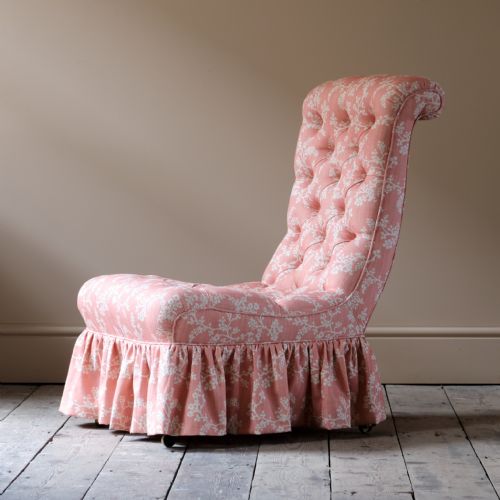
- Slipper Chair
- A low-seated bedroom chair designed without arms to assist with dressing. These items appear frequently in Victorian and Edwardian inventories.
Linen Upholstered Chair: Frequently Asked Questions
What periods do these chairs represent?
The pieces span from the eighteenth century through the Victorian and Edwardian eras up to the early twentieth century. Styles range from Georgian wingbacks to French Napoleon III designs.
Matching the frame style to the listed period helps determine the exact era of manufacture.
Are the linen covers original?
Many listings feature chairs newly upholstered in vintage, ivory, or French linen. Some retain older fabric choices such as Mulberry rococo linen.
Frames often date much earlier than the current textile covering applied by modern restorers.
How do I identify a French style chair?
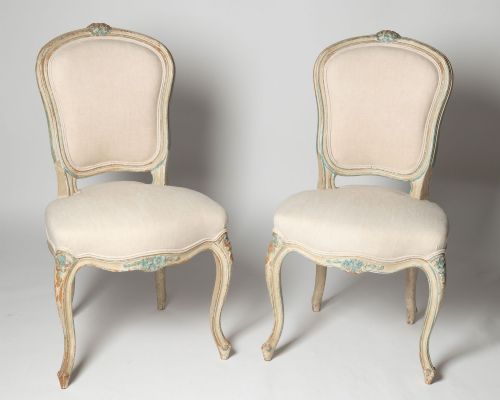
French models on display include Louis XV, Régence, and Bergere forms characterised by carved giltwood, beech, or walnut frames. They frequently feature exposed woodwork and curved cabriole legs.
English equivalents tend to utilise mahogany frames with deeper library or wingback seating profiles.
What wood types are used in the frames?
Framing materials recorded in the inventory include mahogany, walnut, oak, beech, and painted timber. Some pieces also incorporate brass elements and wicker.
The choice of timber typically aligns with the specific regional origin and date of the piece.