


Carved Mahogany Seating
These pieces of carved mahogany seating combine solid timber frames with enduring joinery, offering both practical utility and distinct period character for the home.
Carved Mahogany Seating
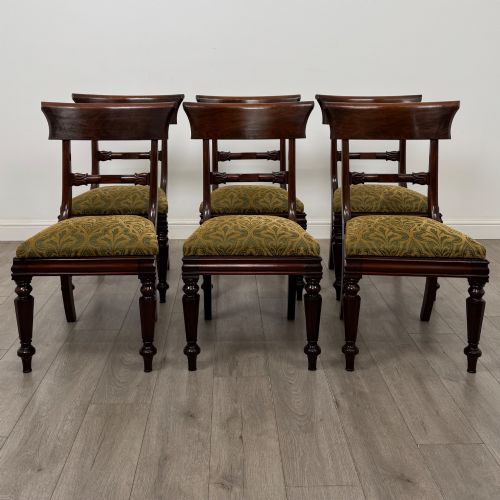
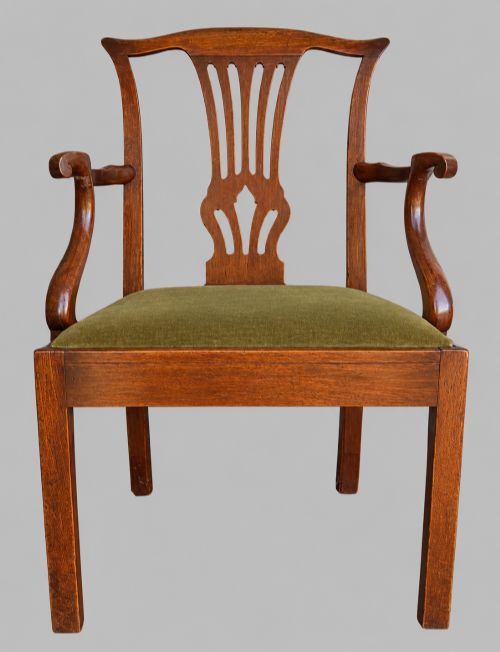
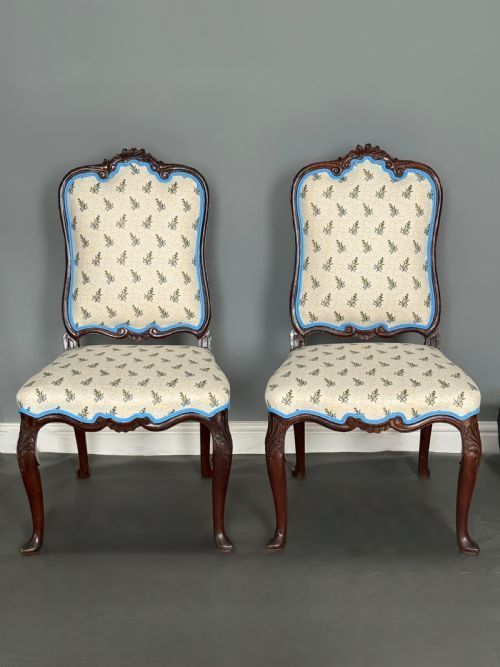
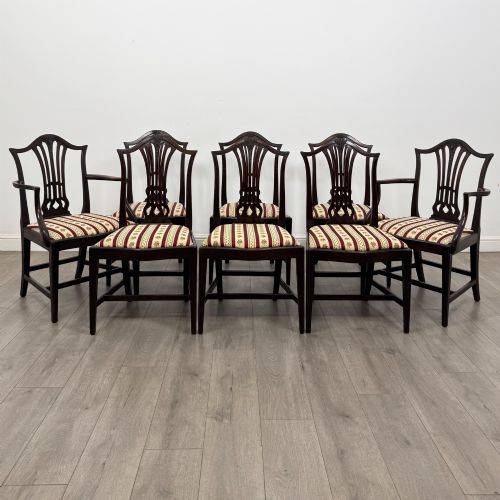
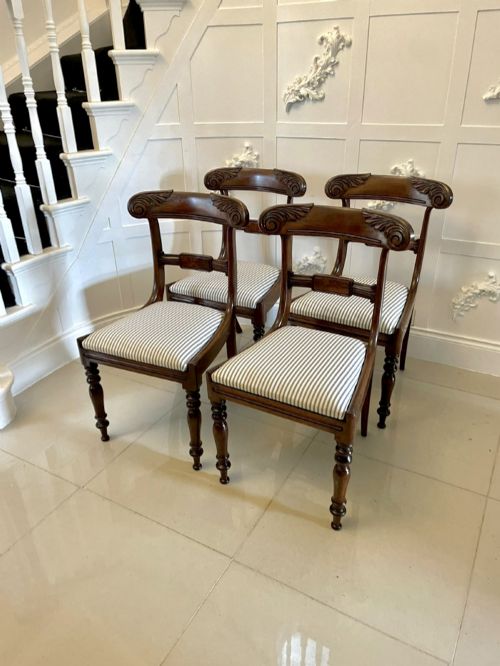
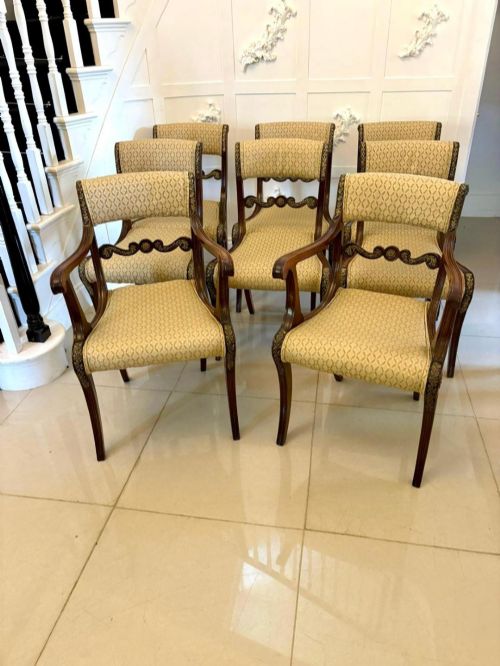
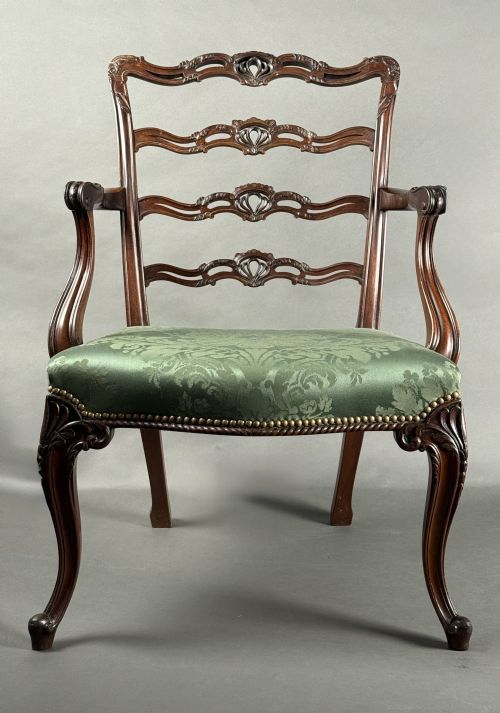
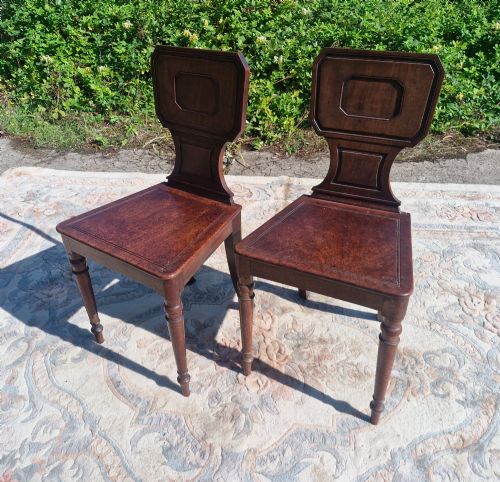
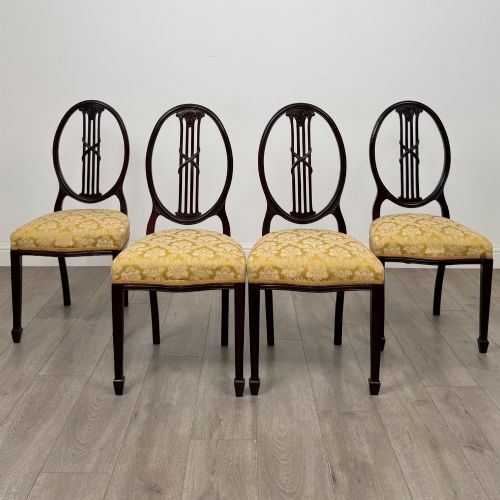
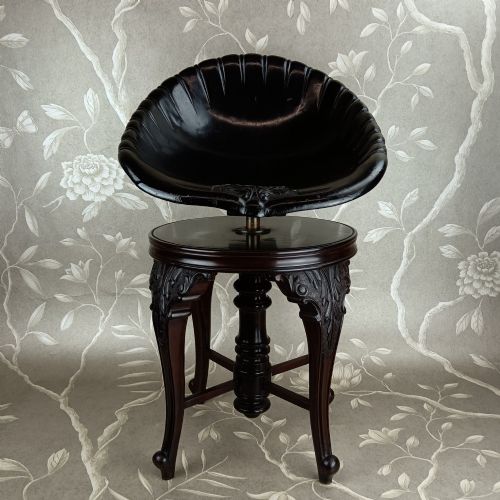
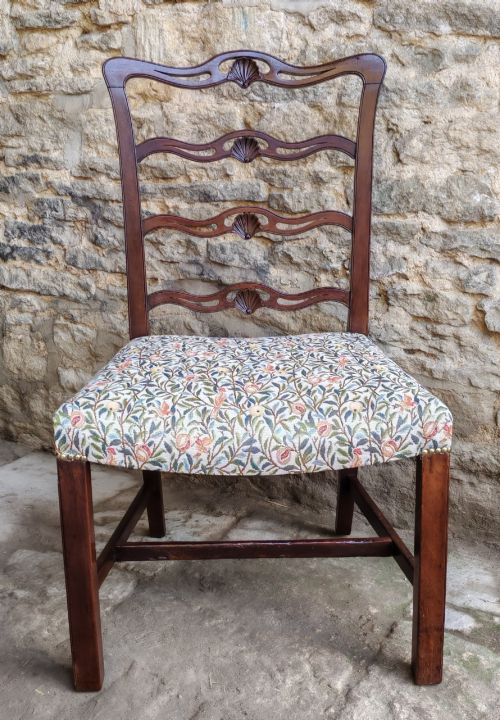
When you examine carved mahogany seating, you encounter a wide array of domestic forms spanning multiple centuries of British and European cabinet making. The selection encompasses dining chairs, armchairs, hall chairs, stools, desk chairs, side chairs, benches, and music stools.
The versions you are most likely to meet on this page hail from the eighteenth, nineteenth, and early twentieth centuries, covering Georgian, Regency, William IV, and Victorian periods. Dining chairs appear frequently, often found in matched sets of four, six, eight, or ten pieces.
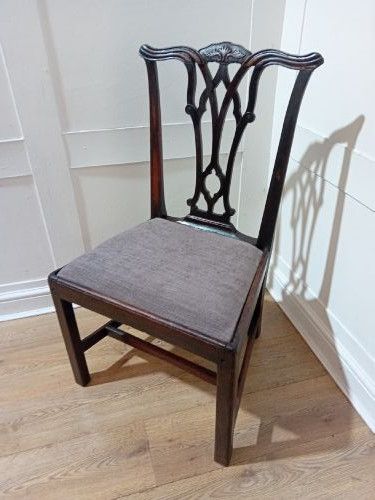
Regional variations and revival styles also emerge among the listings, including Chippendale revival pieces alongside Scottish, Irish, and Dutch examples. These items served functional roles in reception rooms, libraries, hallways, and dining spaces, adapting to the social rituals of their respective eras.
How They Were Made
Makers relied primarily on dense mahogany timber, sometimes specified as Cuban mahogany, supplemented by secondary woods for internal framing and structural stability. This hardwood provided the necessary strength for intricate hand-carving along splats, crest rails, and cabriole legs.
Upholstery techniques involved traditional stuff-over frames and drop-in seats layered with horsehair or comparable stuffing, covered in fabrics such as leather, velvet, cane, or patterned textiles. Brass inlays and brass hardware appeared on select Regency and Victorian examples to accentuate the rich grain of the timber.
Carved Mahogany Seating Retail Price Guide 2026
Typical asking prices for carved mahogany seating among the pieces listed under this phrase on Sellingantiques today, from the lower quarter to the upper quarter. They describe what is for sale here now, not the wider market.
Mahogany and fabric dominate the materials recorded across these listings, alongside brass and cane.
What Varies in Quality
The distinction between ordinary production and superior craftsmanship lies in the crispness of the hand-carved details and the proportion of the frame. Master cabinet makers achieved fluid lines and balanced proportions that lesser workshops missed.
Timber selection and joinery integrity also set examples apart, where tight mortise and tenon joints without excessive modern reinforcement indicate a higher grade of original construction. The presence of secondary materials like premium leather or fine brass inlay further elevates the standing of a piece.
Jennens and Bettridge·Warings·Maple and Co·Gillows·Whytock and Reid
The Carved Mahogany Seating Glossary
- Bar back
- A horizontal, curved splat spanning the uprights of a chair back, characteristic of the William IV period. This design provides robust lower back support.
- Balloon back
- An oval or rounded chair back profile introduced during the Victorian era, resembling the shape of a hot air balloon. It allows for steam-bent timber framing.
- Hall chair
- A rigid, wooden-seated chair placed in entrance halls, typically un-upholstered and emblazoned with a family crest or carved coat of arms. These pieces were built for durability rather than prolonged sitting.
- Elbow chair
- A term used historically for an armchair or carver, featuring low armrests designed to accommodate voluminous period garments. They often head a set of matching dining chairs.
Carved Mahogany Seating: Frequently Asked Questions
How do I spot a Regency chair?
Look for classical motifs such as reeding, sabre legs, and brass inlay reflecting the influence of the Greek revival.
Proportions during this period tended to be clean and restrained, often utilising dark Cuban mahogany timber.
Were dining chairs sold in sets originally?
Large sets were commissioned specifically for formal dining rooms, frequently comprising six to twelve side chairs accompanied by matching carvers.
Surviving sets preserved together over centuries represent significant archival value for collectors.
How should I care for mahogany?
Maintain stable indoor humidity levels and keep wooden seating away from direct heat sources to prevent timber splitting.
Apply traditional beeswax periodically to nourish the surface and preserve the natural grain of the mahogany.