


Red Wingback Chair
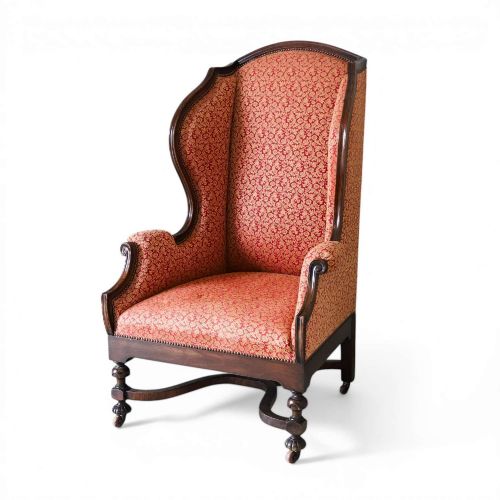
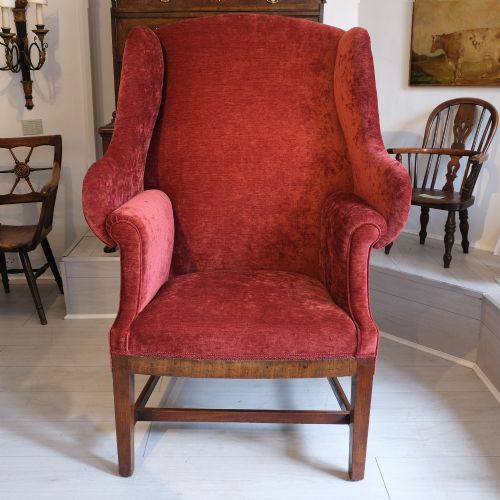
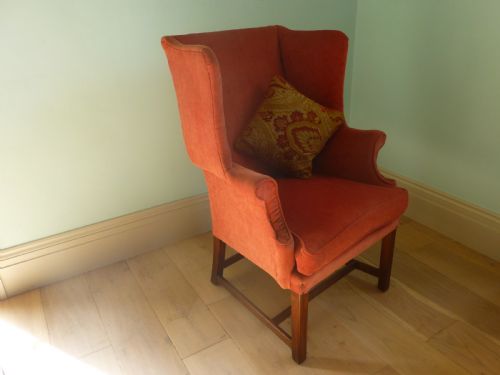
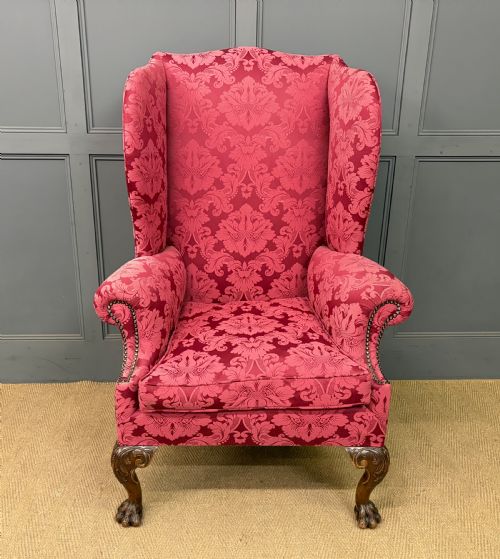
A red wingback chair brings deep colour and historic form to a room, offering high protective sides originally designed to block draughts.
Red Wingback Chair
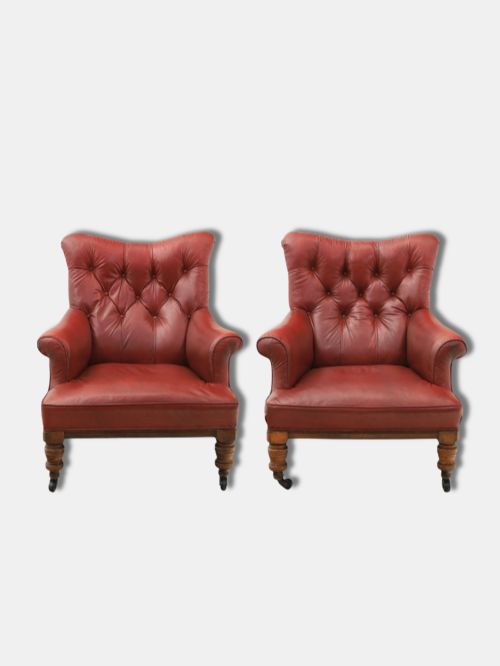
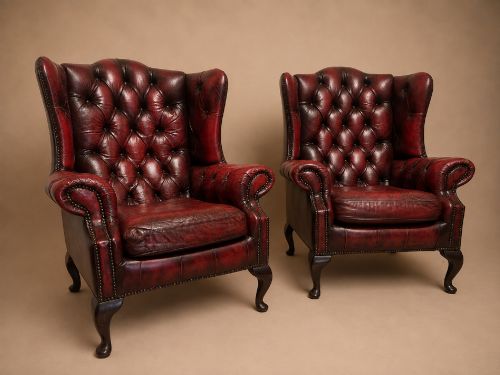
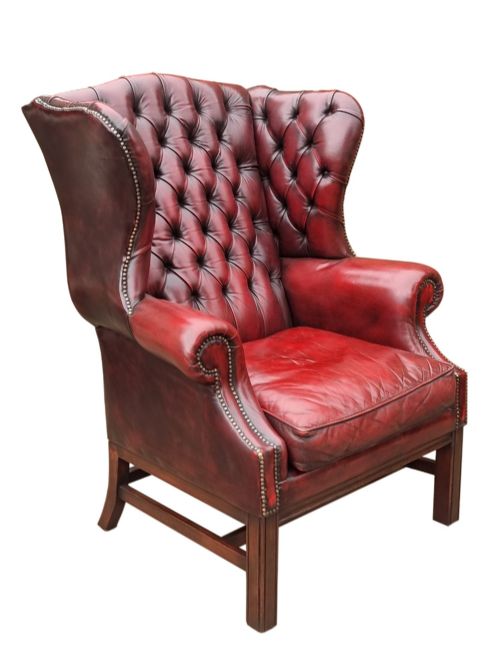
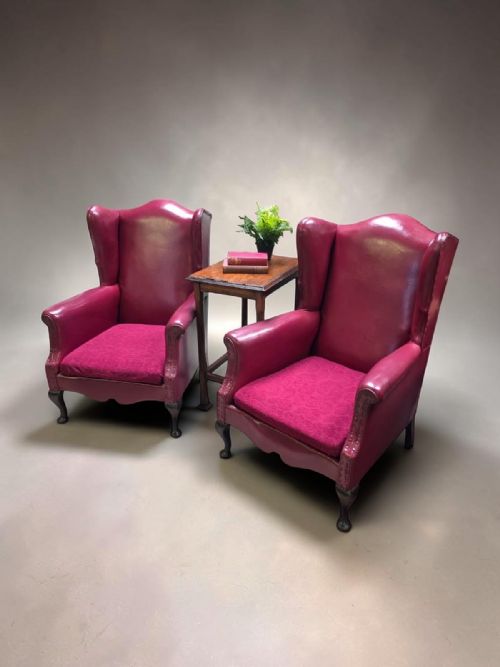
When you search for a red wingback chair, you encounter upholstered seating spanning the eighteenth century through the Edwardian period, often finished in rich crimson leather, oxblood rexine, or vibrant red damask and velvet. These pieces range from authentic Georgian and Victorian originals to later revival forms such as George III style and Queen Anne style.
The primary forms on this page include generous fireside armchairs, deep Chesterfield wing chairs, and occasional library seats. You will also find pairs and larger seating options that share the characteristic high back and enclosing wings designed to retain heat.
Origins span English workshops, French frames, and American variations, constructed using traditional timbers like mahogany, walnut, oak, and hardwood.
How they were made
Frame construction relies on solid timber skeletons of mahogany, walnut, oak, or general hardwood, joined to support deep upholstery and heavy use. Brass details frequently appear in castors or decorative studwork securing the outer coverings.
Upholstery techniques utilise traditional fabric and leather over sprung or stuffed interiors, ranging from smooth leather and rexine to textured velvet, chenille twill, damask, and linen. Frames often incorporate carved or inlaid woodwork, seen in cabriole legs, exposed walnut arms, and giltwood finishes.
Red Wingback Chair Retail Price Guide 2026
Typical asking prices for red wingback chair among the pieces listed under this phrase on Sellingantiques today, from the lower quarter to the upper quarter. They describe what is for sale here now, not the wider market.
One chair even carries the Stars and Stripes, proving that patriotic upholstery knows no historical boundary.
What varies in quality
The distinction between standard production and superior examples lies in the proportion of the wings, the integrity of the timber frame, and the harmony of the upholstery materials. Pieces retaining original period frames, specific historical provenance, or maker attribution command greater attention from collectors.
Execution of the carved woodwork and the quality of the leather or woven fabric dictate the overall visual depth. Refinements in the scrollwork of the arms and the sweep of the upholstered back distinguish simpler vernacular pieces from high-style workshop productions.
HOWARD AND SONS·John Reid And Sons
The Red Wingback Chair Glossary
- Wingback
- An armchair featuring projecting side panels designed to shield the occupant from hearth draughts. These wings merge directly into the armrests.
- Rexine
- A leathercloth material utilised as an artificial leather substitute, commonly found on mid-century and early twentieth-century office and club seating.
- Damask
- A reversible figured fabric woven on a loom, featuring rich patterns in materials like silk or heavy cotton. It provides a formal appearance on period chairs.
- Cabriole
- A furniture leg that curves outward and then tapers inward, typically ending in a pad or claw foot. This form derives from classical Chinese motifs and gained prominence in the eighteenth century.
- Giltwood
- Timber coated with a thin layer of gold leaf or gilt powder. It is frequently seen on decorative revival frames.
Red Wingback Chair: Frequently Asked Questions
What is a wingback chair used for?
These chairs were originally placed near open fires to trap heat around the sitter's head and torso while blocking cold draughts from stone walls and doorways.
Today, they serve as prominent fireside or reading chairs, providing both structured back support and a strong visual anchor within a room's layout.
How do I date a red wingback chair?
Dating relies on examining the timber frame construction, the shape of the legs, and the materials used in the under-upholstery. Georgian examples display specific proportion and hand-carved mahogany details, while Victorian and Edwardian pieces often incorporate castors and heavier frames.
Comparing the style of the wood to documented periods, such as Queen Anne or George III revival, helps narrow down the decade of manufacture.
Are these chairs comfortable for daily sitting?
Most antique versions offer deep seating and high backrests intended for extended periods of reading or resting by the hearth. The internal stuffing and sprung foundations provide a supportive yet yielding sit.
Comfort levels depend on the firmness of the historical upholstery and the depth of the specific armchair frame.
What materials are used for the upholstery?
Upholstery ranges from traditional dyed leather and oxblood rexine to woven textiles such as velvet, chenille twill, damask, and linen. Leather finishes often feature brass studwork along the borders.
Choice of material shifts across periods, with heavy leathers favoured for library and club styles, and patterned damasks or velvets selected for formal drawing-room chairs.