


Red Velvet Wing Chair
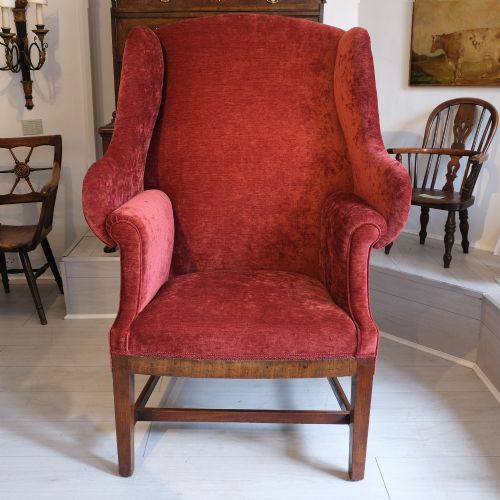
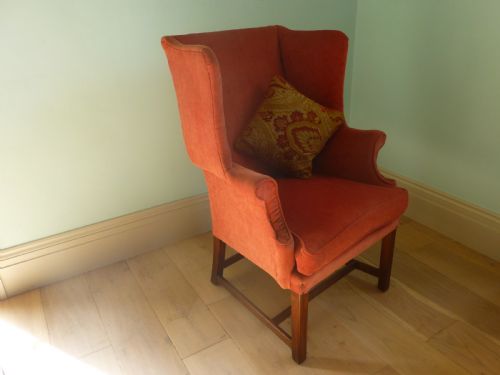
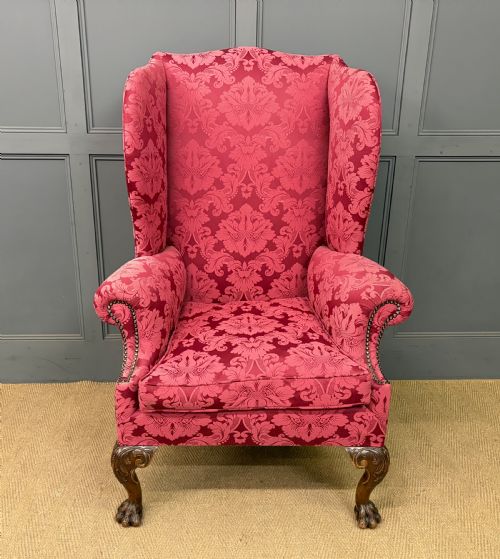
A red velvet wing chair offers deep seats and draught-excluding sides, bringing traditional comfort and rich texture to a room.
Red Velvet Wing Chair
When you search for a red velvet wing chair, you encounter large upholstered armchairs designed to protect sitters from drafts while retaining warmth from a hearth. The versions you are most likely to meet on this page hail from the nineteenth century or adopt Georgian and Victorian styles.
The evidence shows forms ranging from generous eighteenth-century Georgian examples to late nineteenth-century walnut and mahogany frames. These seating pieces typically feature high backs and characteristic side wings intended to trap heat.
Makers and workshops of the past constructed these armchairs for formal parlours and libraries, resulting in substantial proportions. Today, buyers use them as statement fireside seats or reading chairs in traditional and eclectic interiors.
How they were made
Makers built the foundational frames of these armchairs using dense timbers such as mahogany and walnut, ensuring structural longevity. Traditional joinery methods secured the high backs and projecting wings to the seat bases.
Upholsterers layered natural stuffing materials inside the frames before covering them in rich textiles like velvet, damask, chenille twill, and corduroy. Brass details occasionally appeared on castors or decorative nailing along the seams.
Early sitters relied on the padded wings to trap stray fireplace smoke and keep their ears warm during long winter evenings.
What varies in quality
The distinction between standard examples and the finest pieces lies in the proportions of the wooden frame and the crispness of the carved details. Superior chairs demonstrate balanced wing geometry and substantial timber sections that support the high back without flexing.
The integration of the upholstery also dictates the standing of a piece, as master upholsterers achieved smooth curves and taut fabric tension that maintained its shape over decades of use.
HOWARD AND SONS
The Red Velvet Wing Chair Glossary
- Wingback armchair
- A large seat featuring extended side panels designed to shield the sitter from draughts. These panels also served to trap heat from an open fireplace.
- Chenille twill
- A textured woven fabric with a distinctive diagonal rib, often utilised for durable nineteenth-century upholstery. It provides a tactile surface alternative to plain pile velvet.
- Gainsborough chair
- An eighteenth-century style of open-sided armchair with a padded back and seat, often associated with reading desks or parlour use. The evidence includes imposing examples styled on this form.
- Damask
- A reversible figured fabric traditionally woven on a jacquard loom with patterns visible in the sheen. It offers a formal decorative finish distinct from plain velvet piles.
Red Velvet Wing Chair: Frequently Asked Questions
What is a wing chair?
A wing chair is a high-backed armchair featuring side panels designed to protect the occupant from draughts. These pieces have formed a staple of domestic seating since the eighteenth century.
Historically placed beside fireplaces, the wings caught ambient heat and sheltered the head and shoulders. Today, they remain popular reading and fireside chairs.
How old are these chairs?
The listings encompass items spanning from the Georgian period through the nineteenth century and into the early twentieth century. Many reflect traditional styles originating in earlier eras.
Construction details, timber types, and upholstery methods help distinguish genuine period pieces from later revivals. Examining the frame underneath often reveals the age of the woodwork.
Where should I put one?
These large armchairs suit living rooms, libraries, or studies where their substantial proportions and rich upholstery can anchor the room. They function well as standalone reading seats.
Because of their high backs and wings, they require adequate floor space and look best when not crowded by smaller furniture. Pair them with a matching footstool for traditional comfort.
How do I care for velvet?
Velvet upholstery requires regular gentle brushing with the grain to maintain the pile and prevent flattening. Professional cleaning is recommended for deep maintenance.
Keep these chairs away from direct sunlight to prevent the rich red dyes from fading over time. Promptly blot any spills with a clean, dry cloth rather than rubbing.