
Deep Seated Lounge Chair
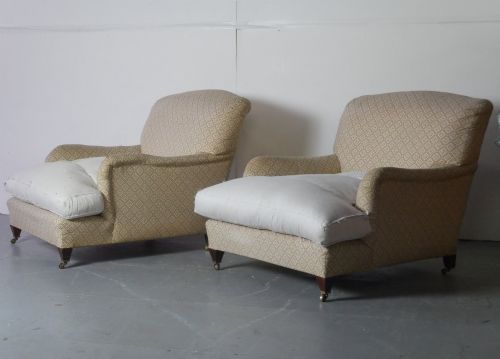
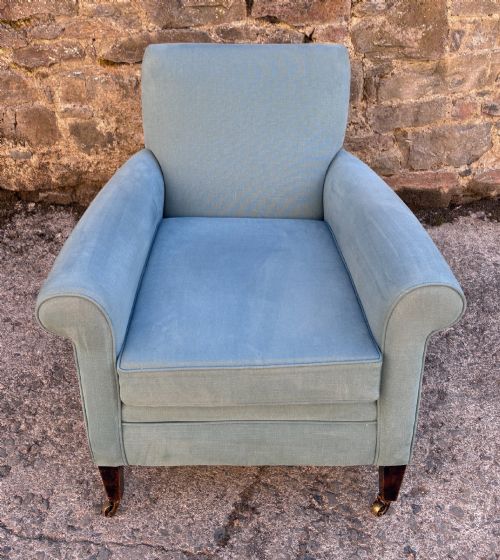
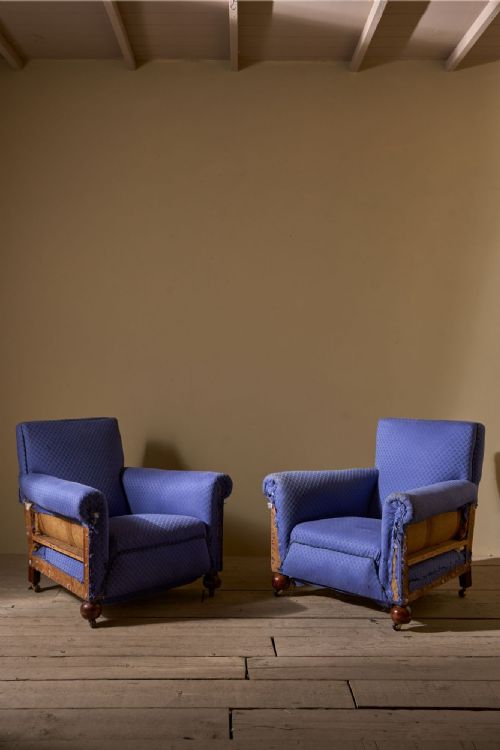
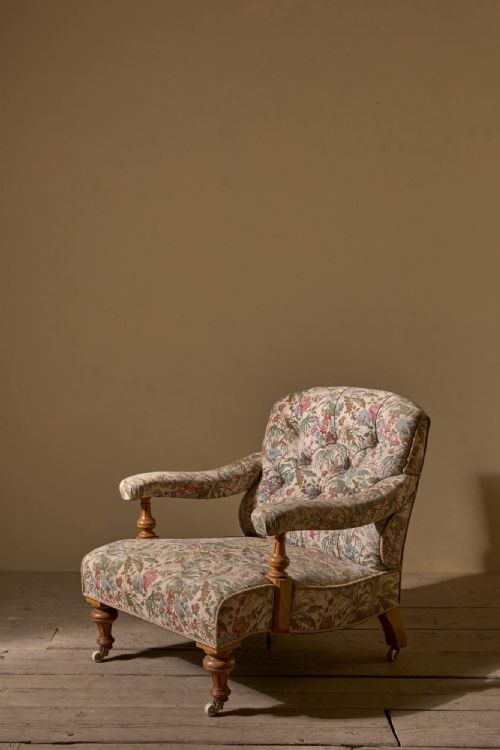
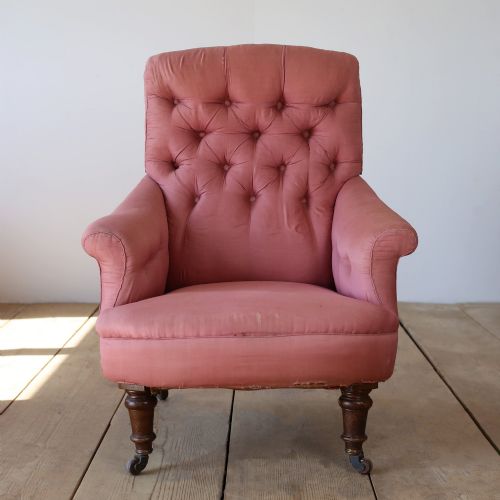
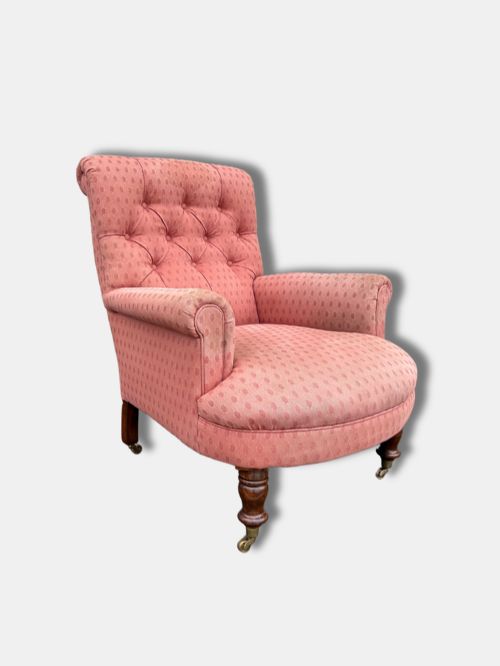
A deep seated lounge chair invites long hours of reading, offering low proportions and generous upholstery shaped for relaxation.
Deep Seated Lounge Chair
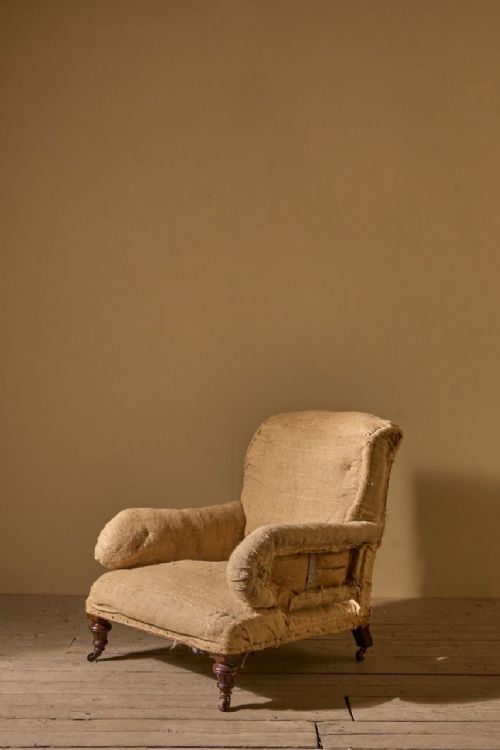
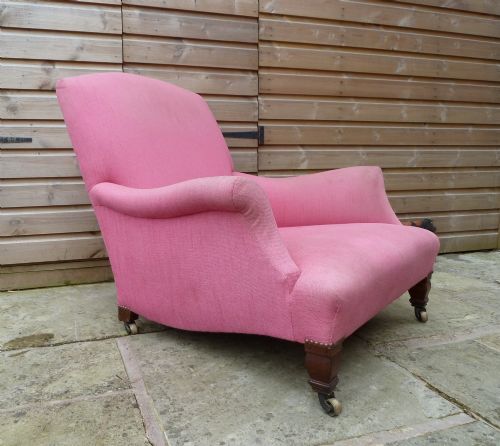
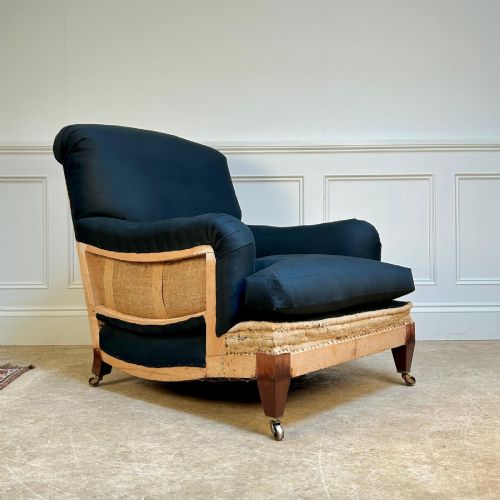
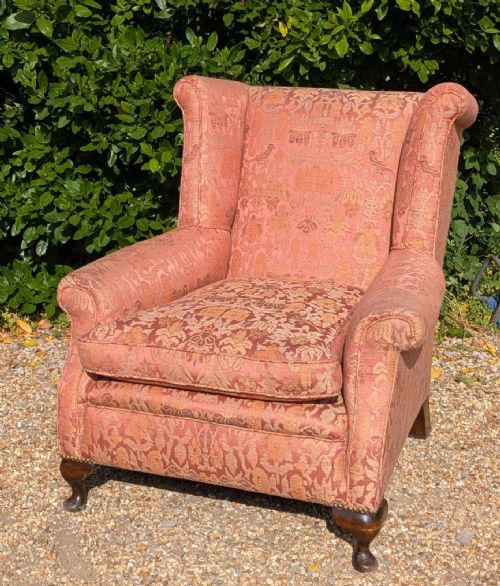
A deep seated lounge chair provides an expansive seat designed specifically for comfort, appearing across nineteenth-century and early twentieth-century traditions. These seating forms range from substantial library chairs and low country house models to tailored club chairs.
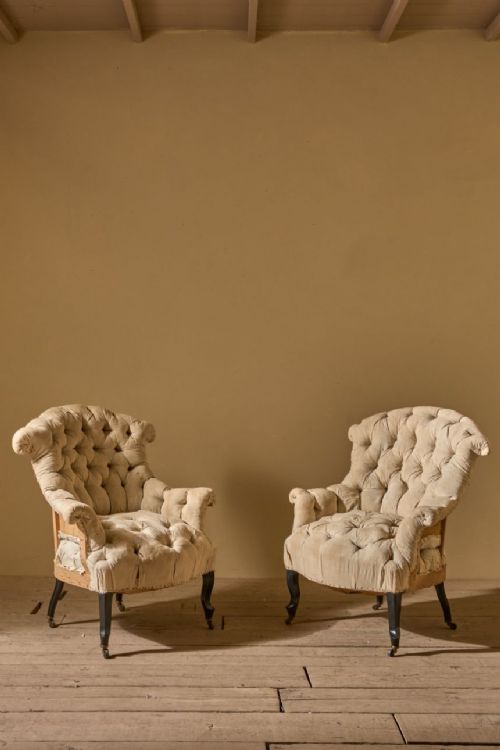
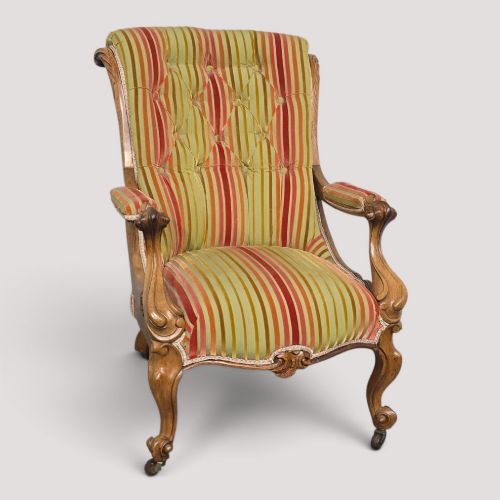
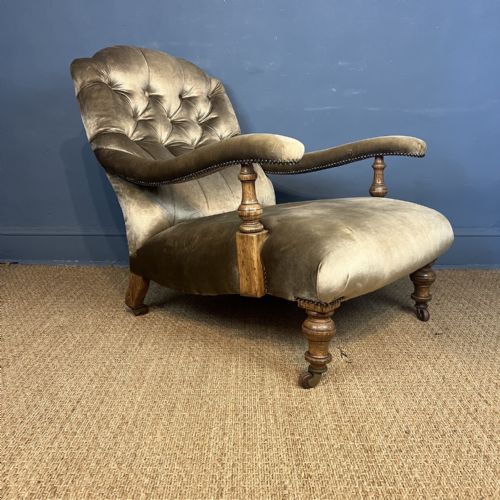
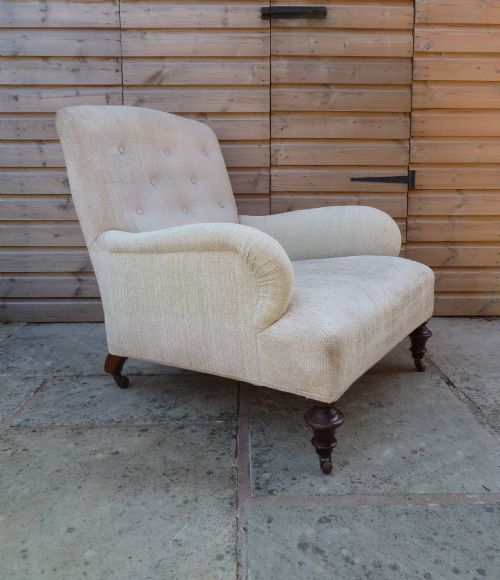
Victorian and Edwardian examples dominate the selection, often taking the shape of low armchairs, spoon backs, or generous buttoned designs. Makers constructed these pieces for English country houses, drawing rooms, and studies where prolonged sitting demanded supportive padding.
The category also encompasses French Napoleon III armchairs and streamlined Art Deco club chairs upholstered in leather or fabric. Buyers encounter diverse regional interpretations, from Scottish country house open armchairs to Swedish leather club seating.
Materials and construction methods
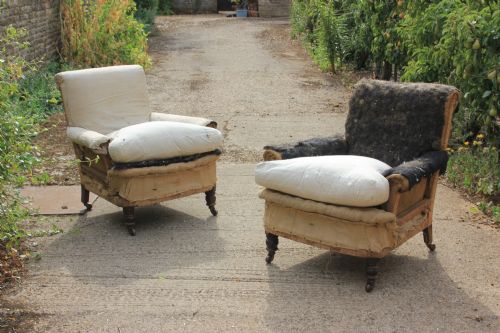
Frames rely on sturdy timbers such as mahogany, walnut, oak, rosewood, and general hardwood to support heavy internal webbing and springs. Cabinet makers and upholsterers built robust carcases designed to withstand decades of heavy daily use.
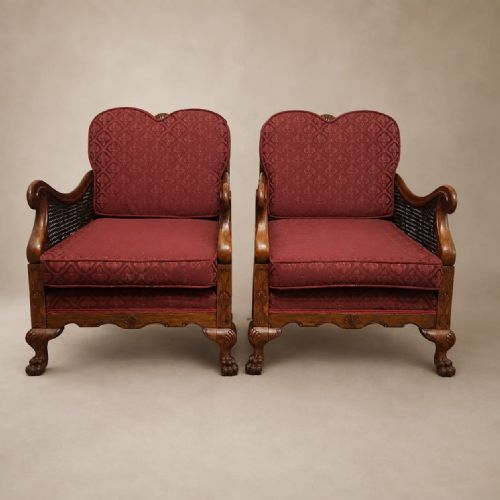
Traditional stuffing incorporates feather filling alongside buttoned back upholstery, covered in fabrics like velvet, calico, ticking, and supple leather. Split cane panels appear on specific bergere frames, combining woven plant materials with polished wood structures.
Listings feature nineteenth and twentieth-century seating, spanning Victorian, Edwardian, and Art Deco periods across wood, leather, and fabric.
Factors of distinction
The integrity of the internal frame and the resilience of the traditional upholstery build dictate the structural caliber of each piece. Superior examples retain original timber integrity alongside deep, supportive feather filling that maintains its shape over time.
Refinement shows in the proportion of the arms, the precise curve of the back, and the harmony between exposed woodwork and the textile covering. Chairs bearing distinct stylistic traits from notable makers or specific regional workshops command particular attention from collectors.
Howard and Sons·Gillows
The Deep Seated Lounge Chair Glossary
- Bergere
- An enclosed armchair with woven cane panels on the back and sides. This French-derived form relies on a visible wooden frame.
- Button back
- An upholstery technique where indentations are pulled tight with twine and secured with fabric buttons. This method creates a distinctive diamond pattern across the backrest.
- Library chair
- A substantial armchair designed for reading rooms, often featuring deep proportions and upholstered arms. These pieces prioritise ergonomic support for extended periods of study.
- Ticking
- A tightly woven cotton or linen fabric traditionally used to cover mattress springs and furniture stuffing. It appears frequently on country house seating.
- Club chair
- A heavy, deep-seated armchair traditionally upholstered in leather. The style originated in French and English clubs during the early twentieth century.
Deep Seated Lounge Chair: Frequently Asked Questions
How do I identify a Howard style armchair?
Look for low, generous proportions combined with deep feather-filled cushions and turned wooden legs fitted with brass castors. These chairs often feature specific maker stamps on the castors or ticking lining.
The upholstery traditionally employs high-grade webbing and supportive springs designed for maximum comfort in country house settings.
What is the difference between Victorian and Art Deco lounge chairs?
Victorian examples generally feature buttoned backs, carved wooden frames, and traditional fabric upholstery like velvet or ticking. They emphasise ornate detail and tailored curves.
Art Deco club chairs from the 1930s present streamlined, rounded silhouettes upholstered in smooth leather. Their design prioritises mass and simplicity over applied ornamentation.
Are these chairs suitable for daily use?
Most antique lounge chairs were built with robust hardwood frames and resilient internal springs intended for heavy residential use. Their deep seats make them practical for modern living rooms and studies.
Buyers should assess the internal webbing and filling to ensure the seat retains adequate support for regular sitting.
What materials are typical for French lounge chairs?
French pieces from the nineteenth century frequently utilise walnut or exotic hardwoods paired with buttoned silk, velvet, or patterned textiles. Models from the Napoleon III period often incorporate fishtail shapes and elaborate upholstery.
Frames balance decorative carved elements with sturdy internal joinery to support the expansive seating area.