


Edwardian Vanity Stool
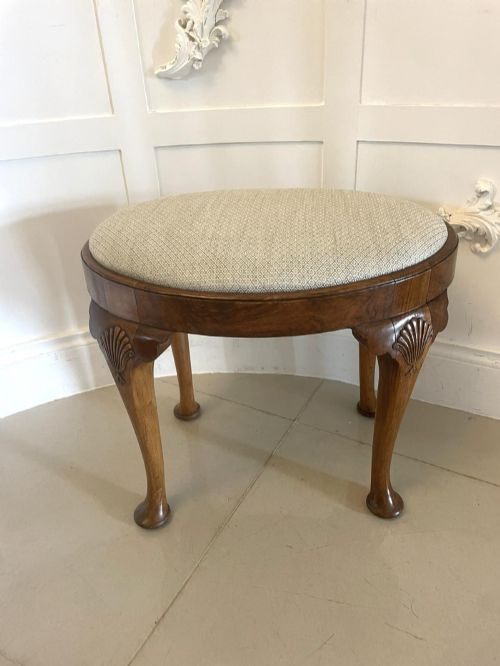
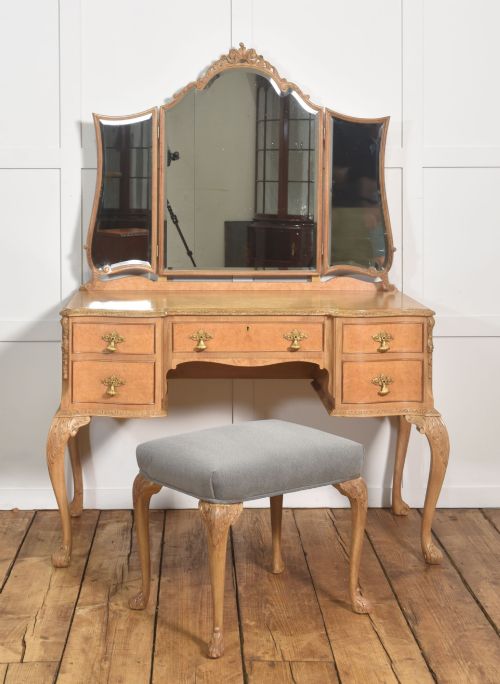
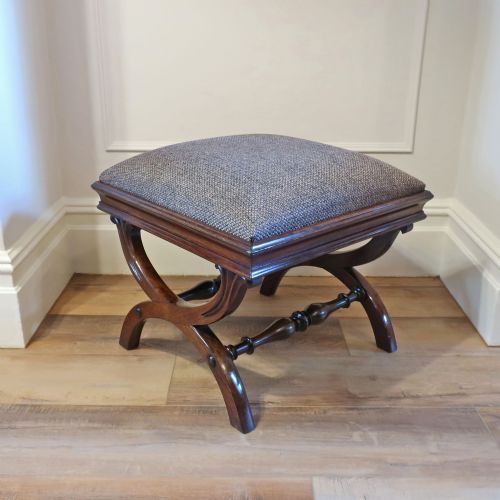
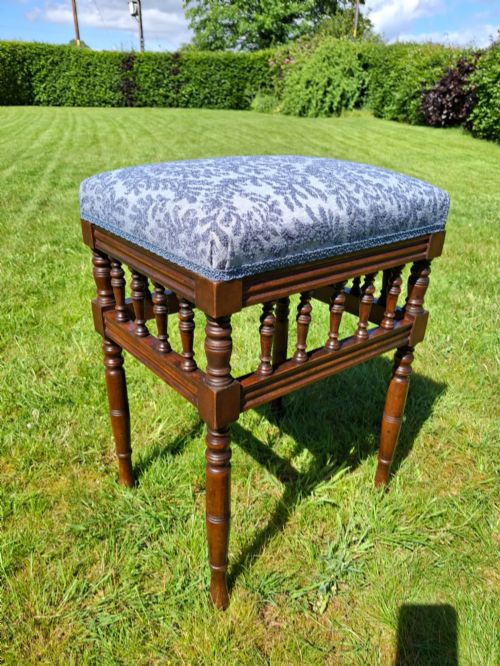
These Edwardian vanity stool examples combine practical dressing table seating with period craftsmanship.
What They Are
When searching for an edwardian vanity stool, buyers encounter low seating designed for dressing tables and piano playing. These pieces serve functional roles in bedrooms and music rooms alike.
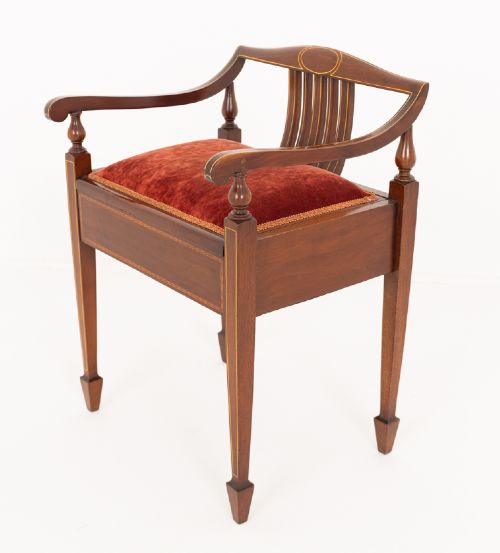
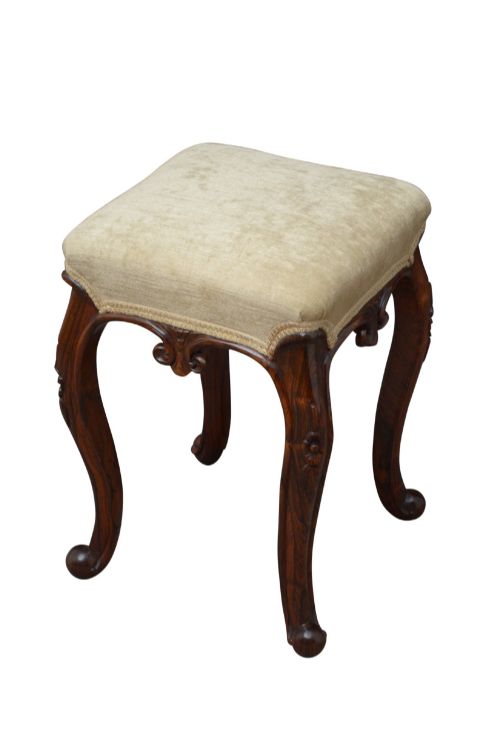
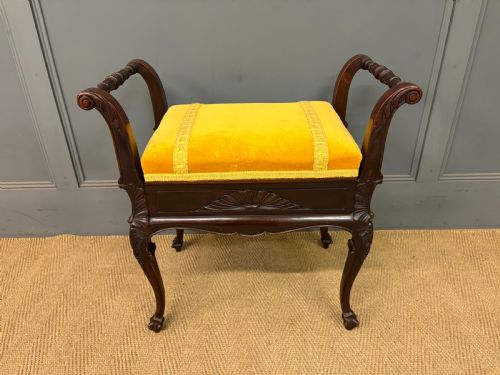
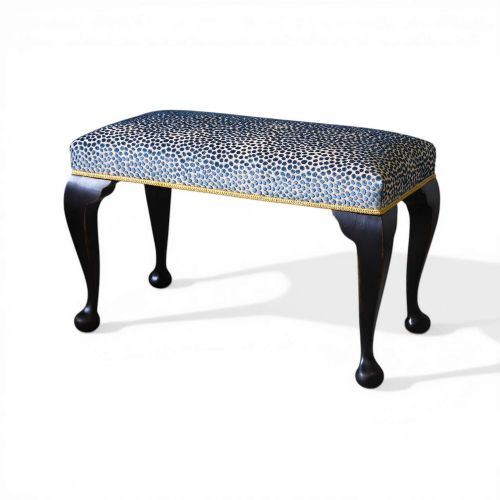
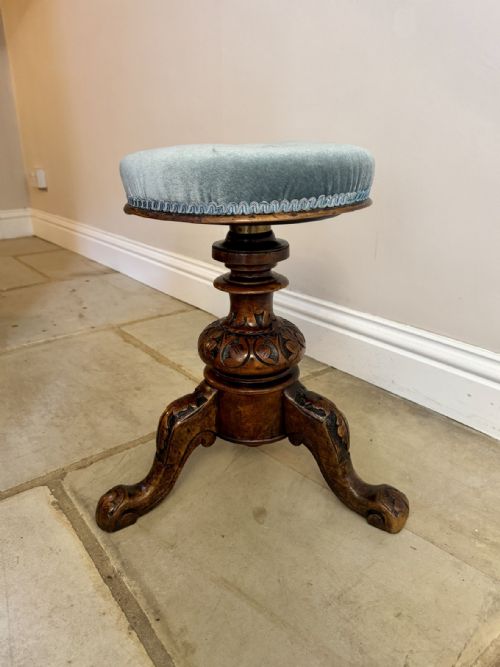
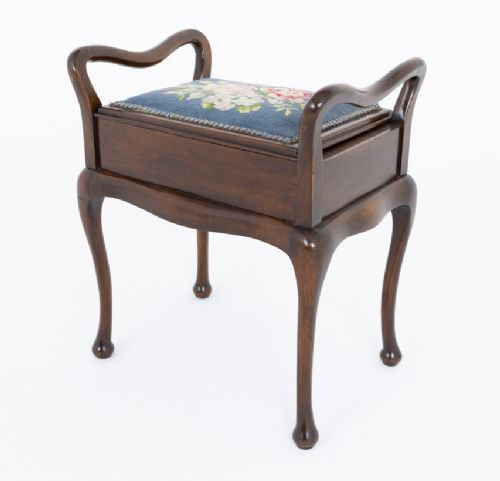
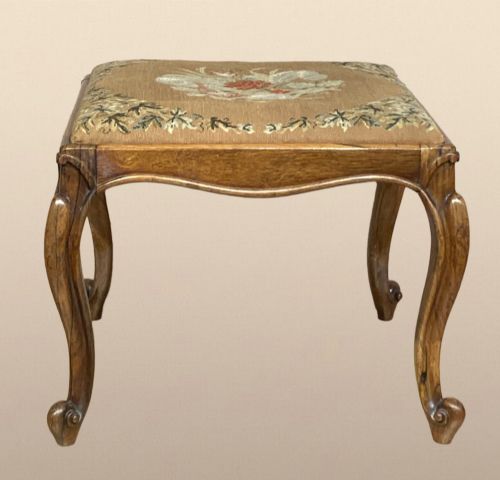
The selections on this page span the Edwardian period alongside Victorian and Arts and Crafts examples. Forms include piano stools, footstools, and dedicated dressing table seats.
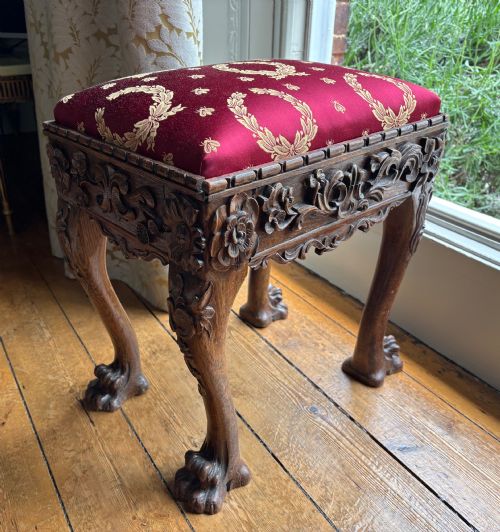
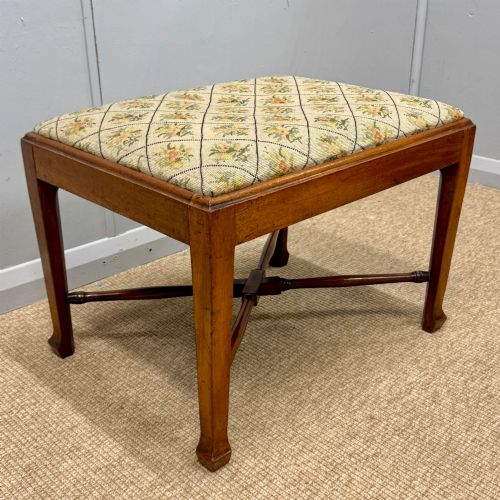
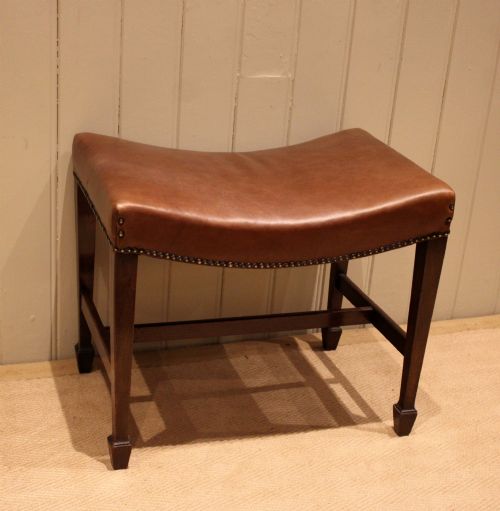
Mahogany and mixed wood structures appear frequently across the inventory. Upholstery materials range from leather and tapestry to damask and fabric.
How They Were Made
Maker construction relies on traditional timber framing using mahogany and general wood. These sturdy frames support daily seating requirements.
Surface details incorporate brass fittings alongside upholstered elements. Textile choices include buttoned upholstery, tapestry, damask, and tan leather.
Retail Price Guide 2026
Typical UK retail prices for edwardian vanity stool, calculated from the Sellingantiques database of over a million retail prices indexed since 2003. This retail price guide relies exclusively on Sellingantiques data; no external sources or auction records are used, so the figures do not describe the wider market.
Listings feature mahogany, wood, and brass alongside leather, tapestry, damask, and fabric upholstery.
What Varies in Quality
Quality differences emerge through the choice of primary timber and the execution of the frame. Solid mahogany construction distinguishes finer examples from simpler wooden builds.
The grade of upholstery material dictates the refinement of the piece. Fine leather and intricate tapestry reflect higher workshop standards than standard fabric coverings.
Jas Shoolbred
The Edwardian Vanity Stool Glossary
- Edwardian
- Dating from the reign of King Edward VII, this period favoured lighter furniture designs and neoclassical influences. It follows the Victorian era.
- Arts and Crafts
- A design movement prioritising traditional craftsmanship and honest materials. Pieces from this style often display simpler, unpretentious forms.
- Mahogany
- A durable hardwood prized for its rich reddish-brown tone and fine grain. It serves as the primary structural material for many period stools.
- Tapestry Upholstery
- Woven decorative textile used for seat coverings. This material provides both colour and texture to the top of the stool.
Frequently Asked Questions
What is an edwardian vanity stool used for?
These low seats function primarily as dressing table companions and piano seating. Their compact dimensions allow them to tuck neatly beneath furniture when not in use.
They also serve as occasional footstools in period living spaces.
How do I identify an Edwardian piece?
Edwardian furniture typically displays lighter proportions and borrows classical motifs from earlier centuries. The era spans the first decade of the twentieth century.
Construction methods during this time relied on kiln-dried hardwoods and factory-assisted cabinet making.
What materials were used for upholstery?
Original seating surfaces feature a variety of textiles including tan leather, buttoned fabric, and woven tapestry. Damask also appears on select decorative examples.
Underneath the fabric, traditional stuffing materials provide firm support for daily sitting.
Are piano stools the same as dressing table stools?
Piano stools share a similar low profile with vanity seating and often feature adjustable heights or built-in storage. Both forms belong to the broader category of small domestic stools.
Their interchangeable use depends entirely on the height of the accompanying table or instrument.