



Carved Cresting Oak Chair
A carved cresting oak chair brings solid timber and centuries of craftsmanship straight into a room.
What they are
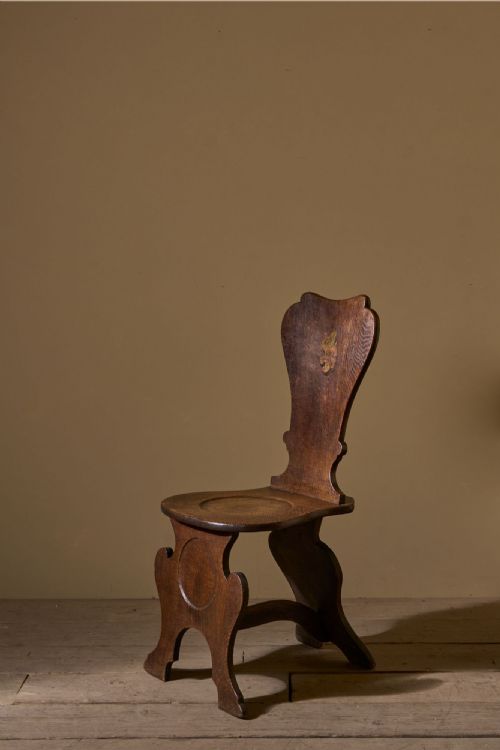
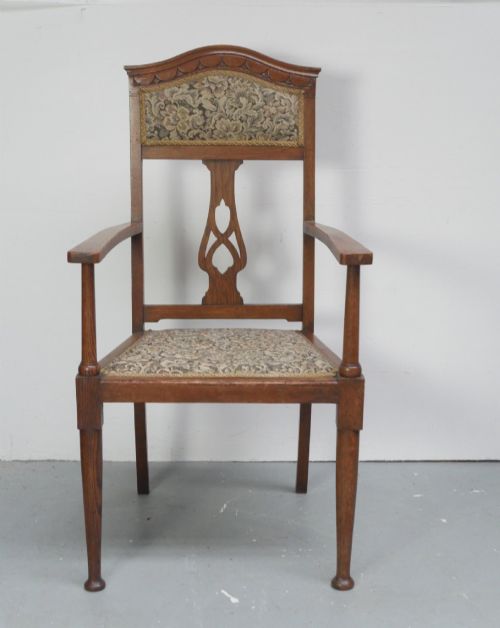
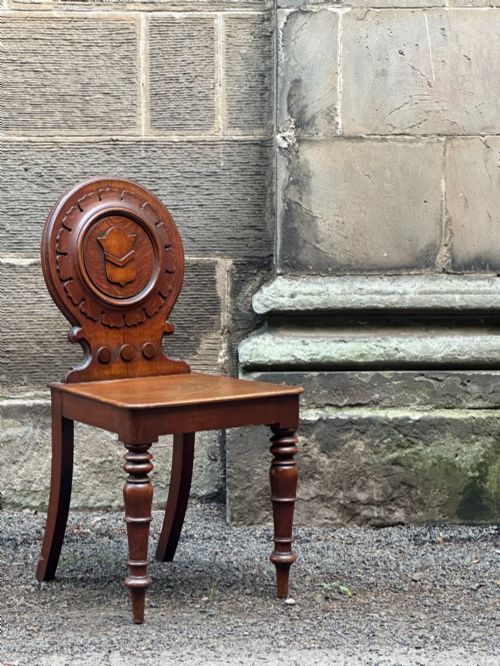
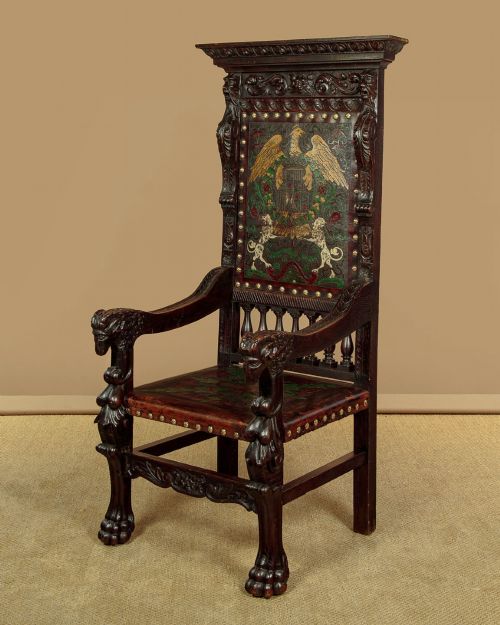
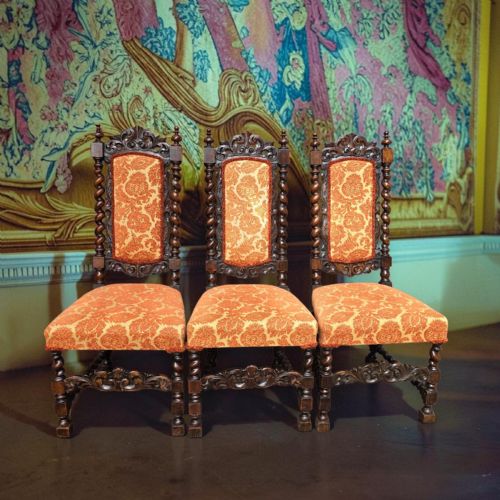
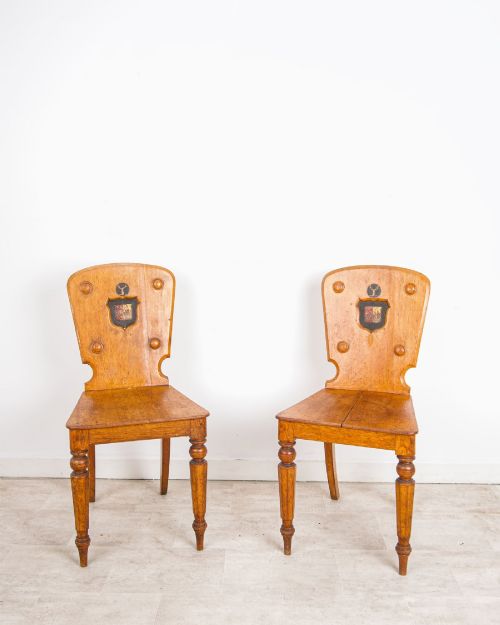
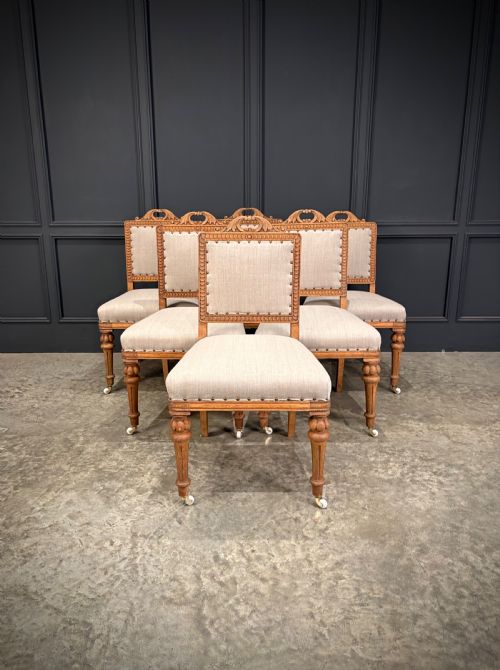
When you search for a carved cresting oak chair, you find robust wooden seating originating from the 17th century as well as the 1920 revival period. These pieces encompass sturdy armchairs, side chairs, and backstools featuring distinctive shaped top rails.
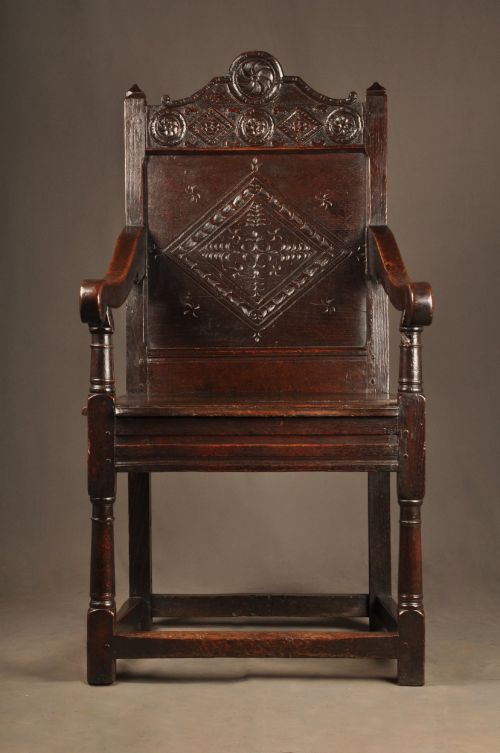
The most common examples you meet on this page date from the 17th century, specifically taking the form of Lancashire wainscot chairs. They offer high wooden backs and generous seats built for heavy daily use.
How they were made
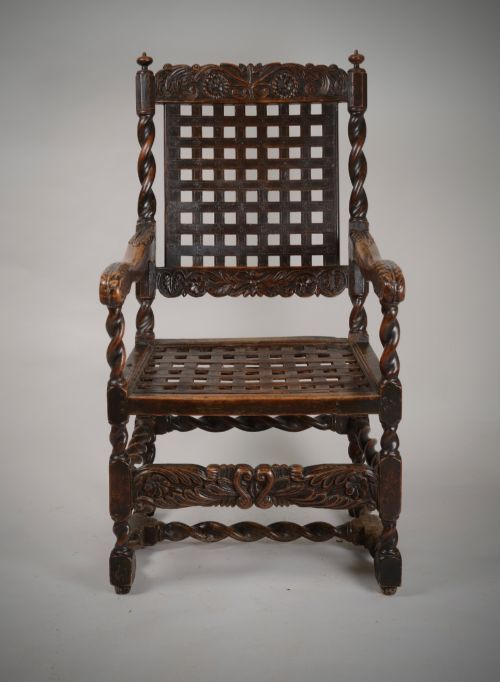
Maker's hands shaped these items entirely from solid oak, utilising traditional joinery methods to lock frames together without modern adhesives. Craftsmen turned structural supports on a lathe to create spiral barley twist components alongside straight uprights.
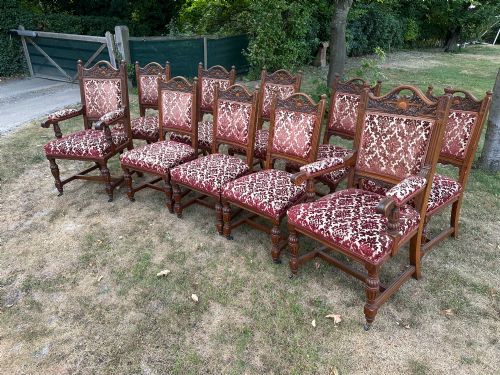
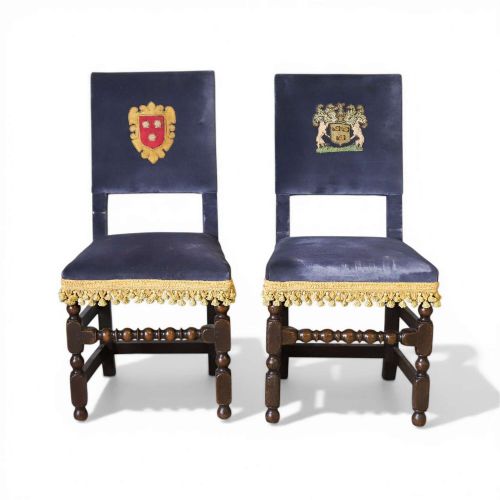
Carvers applied hand chisels directly to the timber, cutting arched cresting rails and figurative motifs such as dodo birds into the wood surface. Some examples incorporate upholstered elements finished in velvet.
Retail Price Guide 2026
Typical UK retail prices for carved cresting oak chair, calculated from the Sellingantiques database of over a million retail prices indexed since 2003. This retail price guide relies exclusively on Sellingantiques data; no external sources or auction records are used, so the figures do not describe the wider market.
What varies in quality
The refinement of the hand carving separates standard seating from exceptional examples, particularly in the depth and detail found along the cresting rail. Crisply executed motifs and balanced proportions indicate superior workshop standards.
Originality of timber and surface patination dictate the standing of a piece, as centuries of handling build a distinct warmth upon the oak. Altered frames or replaced components alter the integrity of the chair.
The Carved Cresting Oak Chair Glossary
- Cresting rail
- The top horizontal member of a chair back, frequently carved with arches or figures. It serves as the primary visual focus when viewed from the front.
- Wainscot chair
- A heavy wooden armchair with a panelled back, popular during the 17th century. This form denotes a high status piece constructed by joiners rather than basic village turners.
- Backstool
- An early term for a chair without arms, essentially a padded or wooden seat designed for dining. They often match larger armchairs in a set.
- Barley twist
- A decorative turning style resembling a twisted rope, carved into the legs or stretchers of later revival furniture. It adds dynamic movement to heavy oak frames.
- Lancashire
- A regional English attribution for furniture possessing specific stylistic traits characteristic of that northern county. Chairs from this area often display distinctive carved cresting.
Frequently Asked Questions
Are these chairs comfortable to sit on daily?
Seventeenth-century wooden chairs were built with upright postures and rigid timber backs suited to the formal habits of the period. Cushions are frequently added to soften the wooden seat.
Later revival pieces offer similar proportions, prioritising sturdy construction over modern ergonomic padding.
How do I spot a revival piece?
Revival chairs from the 1920 period often incorporate machine assistance in their turning and standardised joinery methods. The timber colour and tool marks differ noticeably from authentic seventeenth-century work.
Examining the underside and peg construction helps clarify the true age of the oak frame.
What is a wainscot chair?
A wainscot chair is a heavy wooden seat constructed using panelled oak boards for the backrest and solid armrests. They represent important domestic seating from the 17th century.
These pieces were traditionally positioned near the hearth or used by the head of the household.
Why do some chairs feature animal carvings?
Country carvers occasionally personalised cresting rails with local fauna, such as birds or mythical creatures, alongside standard foliage patterns. These whimsical touches reflect the individual maker's hand.
Such details make each wainscot chair entirely distinct from standard production work.