

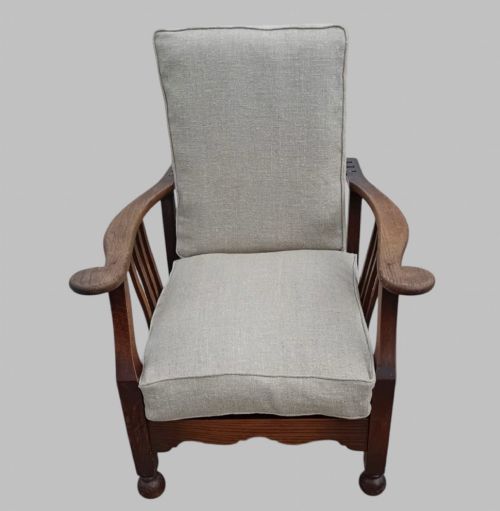
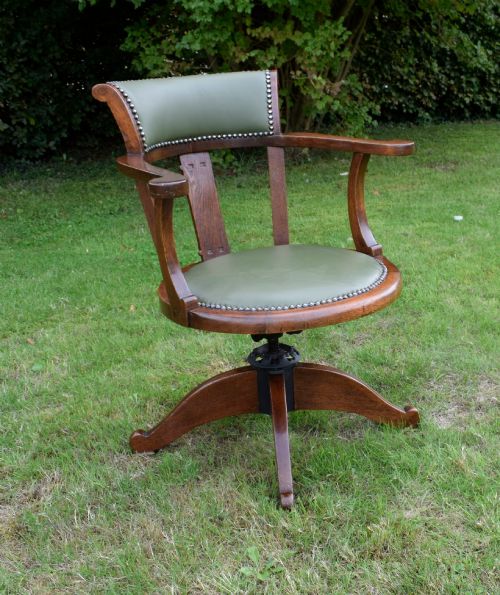
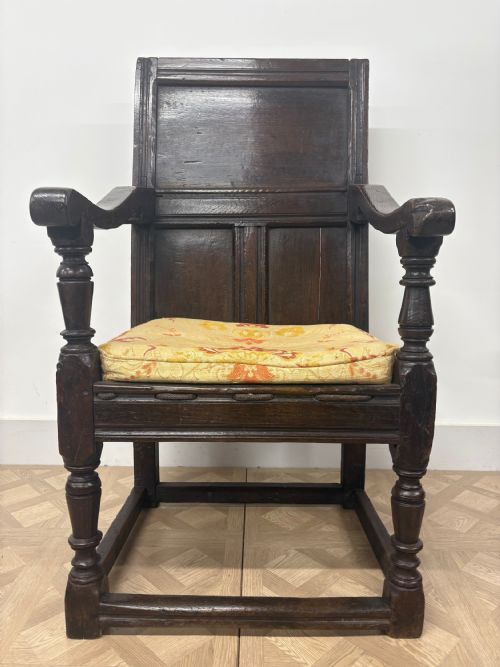
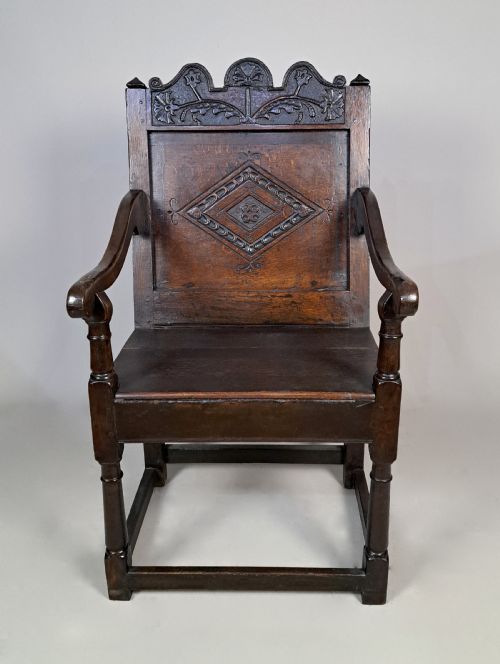

Early Oak Armchair
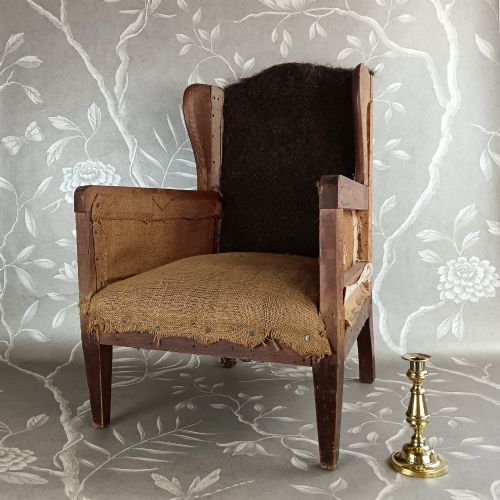
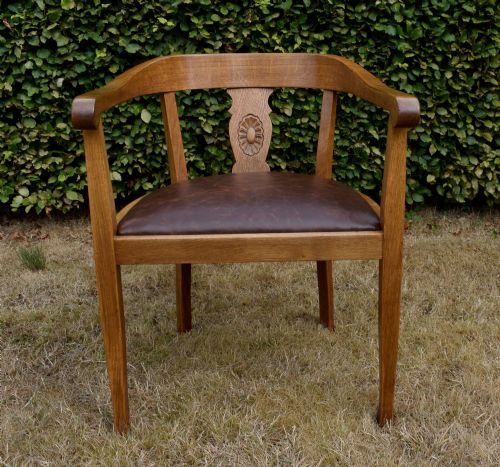
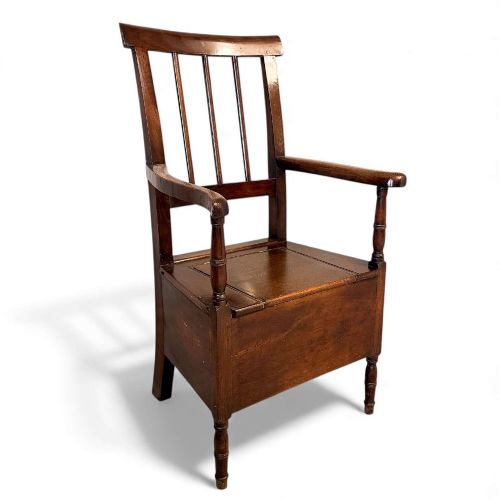
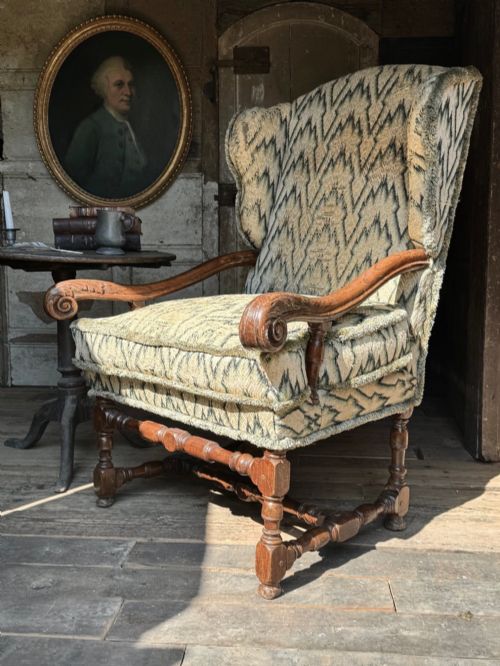
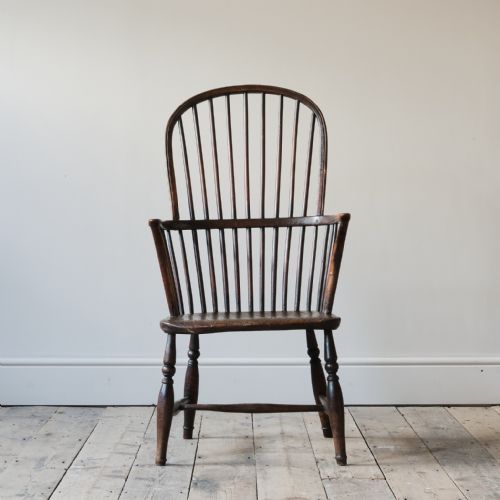
An early oak armchair anchors a room with solid timber architecture, heavy joinery and deep historical presence.
Identifying an early oak armchair
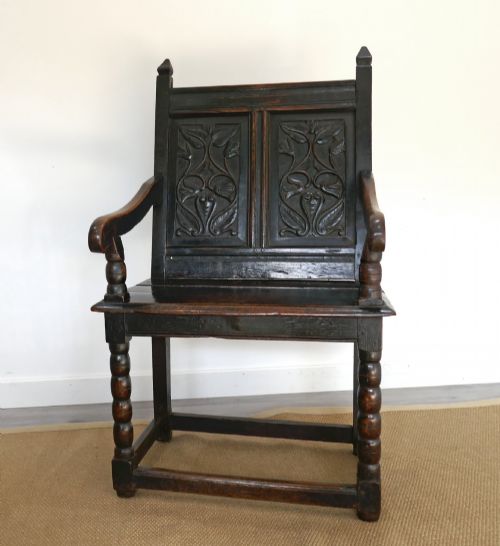
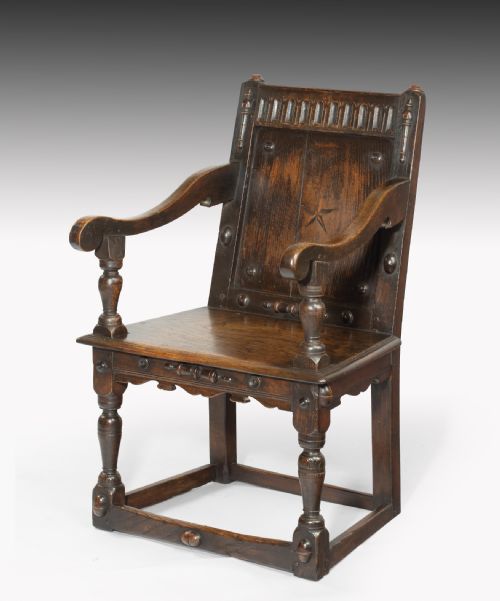
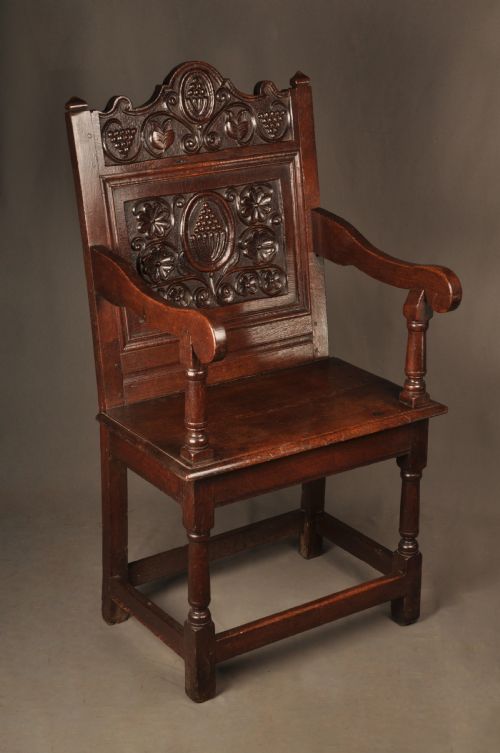
An early oak armchair represents heavy timber furniture produced primarily across the seventeenth century and into the eighteenth century, encompassing wainscot forms and chair-tables. These sturdy seats originate from English, Scottish, and Welsh workshops, establishing a formidable presence through solid framing and upright proportions.
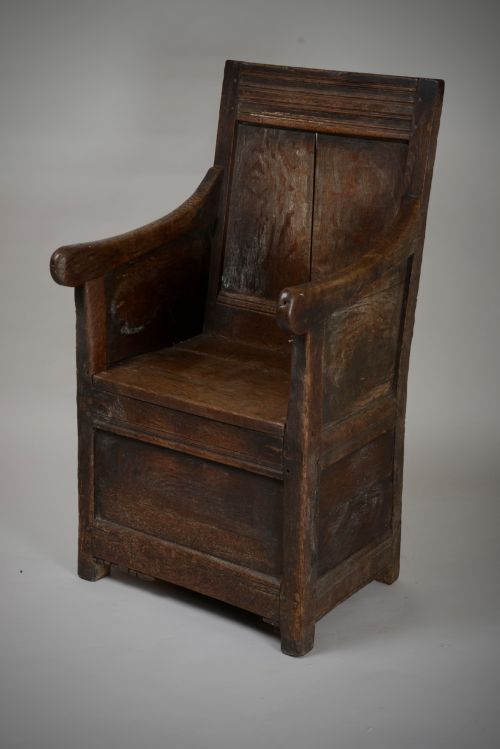
The most common examples encountered in this selection belong to the wainscot chair type, constructed with panelled backs and solid wooden seats. Variations stretch from regional Welsh armchairs to joined seventeenth-century formats bearing carved details and occasional wood inlay.
Makers built these pieces for domestic utility and status, utilising durable local hardwoods that survive centuries of daily use. Collectors encounter both rigorous vernacular pieces and grander masters armchairs reflecting specific regional styles.

Materials and construction methods
Joiners built every early oak armchair using solid timber joined by mortise and tenon framing secured with wooden pegs. Workshops sourced durable oak alongside supplementary wood inlay and iron structural reinforcements.
Panels were bevelled to fit closely within grooved framing members, allowing the timber to expand and contract naturally with seasonal humidity changes. Surfaces received hand-planing and scraping, leaving tool marks that reveal the manual labour of the early joiner's bench.
Retail Price Guide 2026
Typical UK retail prices for early oak armchair, calculated from the Sellingantiques database of over a million retail prices indexed since 2003. This retail price guide relies exclusively on Sellingantiques data; no external sources or auction records are used, so the figures do not describe the wider market.
One stubborn box armchair bears the literal carved initials KE and the exact year 1738, leaving its maker's permanent stamp in the wood.
Assessing quality in early seating
Quality rests in the integrity of the original joinery, the thickness of the timber panels, and the depth of hand-carved ornament. Pieces retaining their original unreduced height and untrimmed feet hold greater integrity than those altered over generations of domestic use.
The sophistication of regional design separates standard vernacular seating from exceptional master pieces. Refined proportions, crisp moulding profiles, and intact period hardware distinguish the superior examples in any collection.
Ercol
The Early Oak Armchair Glossary
- Wainscot
- A heavy wooden armchair constructed with panelled backboards and solid timber seats, typical of seventeenth-century domestic interiors. This term originally described fine wood panelling before being applied to these substantial chairs.
- Joined
- A method of furniture construction using tight mortise and tenon joints locked with wooden pins rather than metal nails. This technique provides immense structural rigidity for heavy hardwood furniture.
- Jacobean
- The stylistic period spanning the reign of James I, characterised by sturdy proportions, straight lines, and geometric strapwork carving. Furniture from this era displays architectural influences derived from stone buildings.
- Chair-table
- A convertible form featuring a hinged back that tilts forward over the arms to create a flat table surface. This dual-purpose item maximised floor space in early vernacular homes.
Frequently Asked Questions
How old is an early oak armchair?
Most pieces classified as early date from the seventeenth century through to the early eighteenth century, with specific examples carrying dates like seventeen thirty-eight. Construction methods and stylistic markers help establish these broad chronological brackets.
Later revival pieces also exist, mimicking seventeenth-century styles during the Victorian and Edwardian eras. Examining the timber shrinkage and joinery wear clarifies the true age of the object.
What is a wainscot armchair?
A wainscot armchair is a heavy wooden seat built with a panelled back, solid arms, and a box or framed base. They served as primary seating for the head of the household in early domestic settings.
These chairs rely on joined timber construction rather than upholstery, showcasing the natural grain and colour of the oak. Their formal presence reflected the social standing of the owner.
Where were these armchairs made?
Surviving examples originate across England, Scotland, and Wales, reflecting distinct regional cabinet-making traditions. Welsh and Scottish pieces often display local vernacular traits that differentiate them from metropolitan English workshops.
Regional joiners utilised locally felled timber, which influences the colour and density of the oak board used in construction. This geographic diversity gives each chair a unique regional identity.
How do I care for early oak furniture?
Keep early oak armchairs away from direct heat sources and dramatic humidity fluctuations to prevent the solid timber from splitting. Apply traditional beeswax sparingly to nourish the dry wood surface without building up greasy residue.
Avoid chemical polishes that strip the historic patina accumulated over centuries of handling. Gentle dusting with a soft, dry cloth preserves the finish.