




Antique Monks Chair
An antique monks chair brings heavy timber and convertible purpose into a room, shifting instantly from a high-backed seat to a flat table.
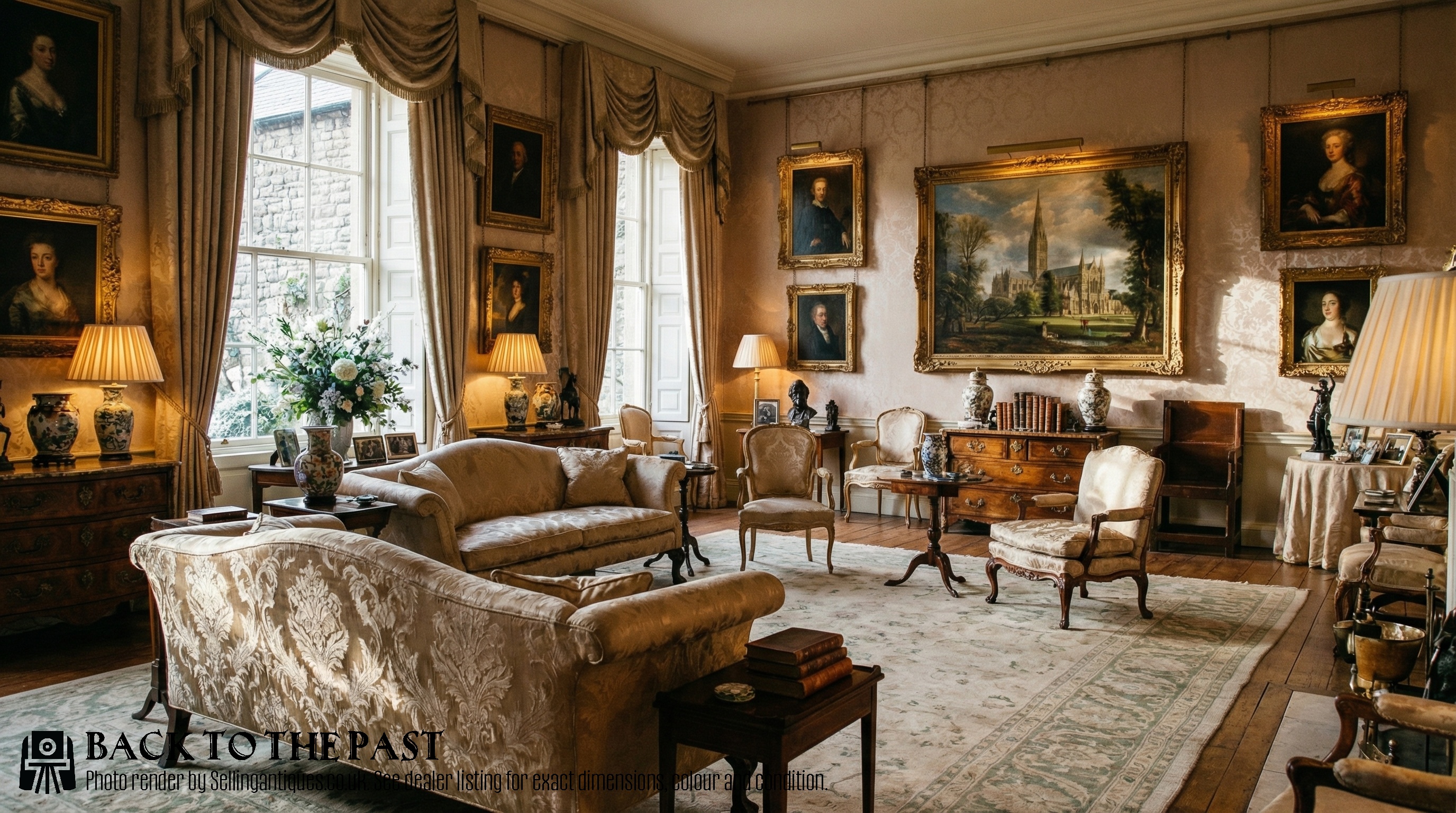
Antique Monks Chair
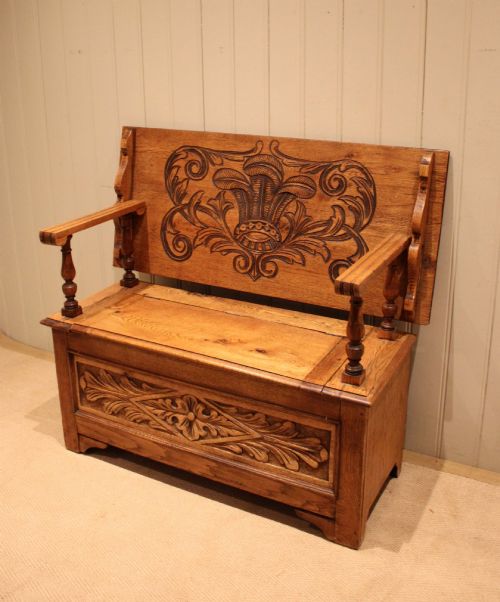
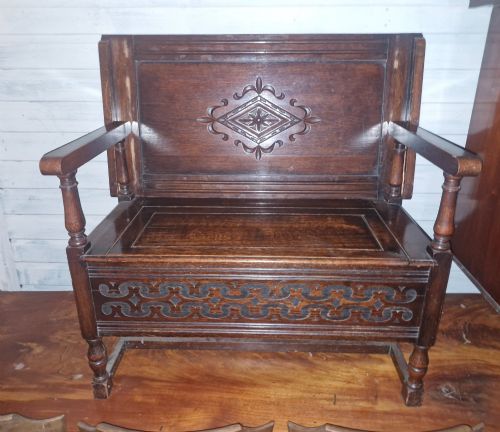
An antique monks chair, often encountered as a monks bench or chair table, serves dual purposes through a clever pivoting back that folds down flat over the arms.
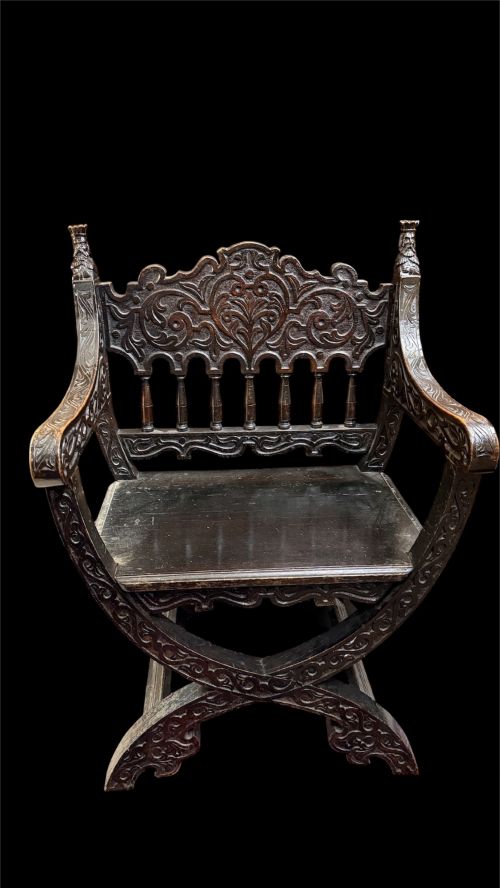
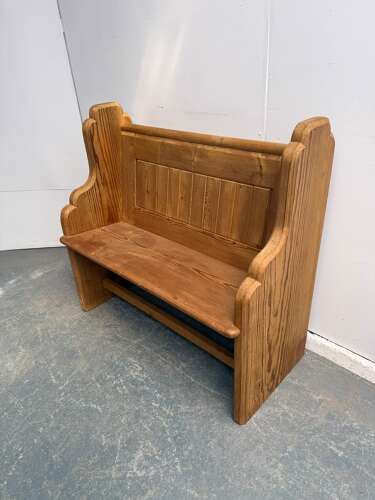
The versions appearing here range from late seventeenth-century oak examples to robust Victorian and early twentieth-century revivals, alongside pine country variants.
These multi-functional pieces typically double as hall seats, storage settles with lift-up boxes, or low coffee tables depending on their proportions.
Materials and construction
Solid oak provides the primary structural timber across most periods, often supplemented by elm, pine, and occasional iron fixings for hinges and pivots.
Joinery relies on traditional pegged panels, carved box frames, and hinged lids that conceal storage compartments within the seat base.
Antique Monks Chair Retail Price Guide 2026
Typical asking prices for monks chair among the pieces listed under this phrase on Sellingantiques today, from the lower quarter to the upper quarter. They describe what is for sale here now, not the wider market.
Some Hungarian country variants arrive painted in soft grey or original colour, proving that not every old oak surface stayed brown.
Judging quality in a monks chair
Quality reveals itself in the weight of the timber and the precision of the pivot mechanism that allows the back to transform smoothly into a tabletop.
Early seventeenth-century pieces display crisp hand-carving and deep patination, whereas later revivals vary from heavy carved oak to simpler vernacular pine constructions.
The Antique Monks Chair Glossary
- Chair table
- A convertible piece featuring a large wooden back that tilts horizontally to form a table surface.
- Settle
- A high-backed wooden bench with solid arms and an enclosed lower box for storage.
- Jacobean Revival
- A nineteenth-century style imitating the dark, heavily carved oak furniture of the early seventeenth century.
- Vernacular
- Everyday regional furniture built by local craftsmen using accessible local materials rather than following formal metropolitan designs.
Antique Monks Chair: Frequently Asked Questions
How does the table top work?
The upper back section of the chair pivots on wooden pegs or iron pins set into the arms. Lifting and tilting this back forward rests it flat across the armrests to create a functional surface.
This ingenious mechanism allowed smaller homes to combine seating and dining into a single compact footprint without wasting precious floor space.
Where were these chairs used?
Historically, these convertible seats stood in entrance halls, farmhouses, and modest parlours where multi-use furniture was essential for daily life. Their sturdy construction made them ideal for high-traffic areas near doorways.
In modern rooms, they work well in hallways as a practical spot to sit while putting on shoes, or positioned against a wall as a feature seat.
How do I spot a seventeenth-century piece?
Seventeenth-century examples display deep patination on solid oak, hand-cut peg joints, and often feature primitive panelled backs with subtle geometric carving. The wood grain shows the natural wear of centuries of use.
Later Victorian revivals tend to have much heavier, machine-finished carving and a distinct dark stain applied to the oak.
Do they all have storage?
Many variants incorporate a box seat with a lift-up lid, providing a hidden compartment beneath the cushion for blankets or household items. Some lighter table-chair formats omit the box entirely to keep the frame open and low.
Checking the interior of the base reveals whether the piece was built primarily as a storage settle or a convertible chair.