
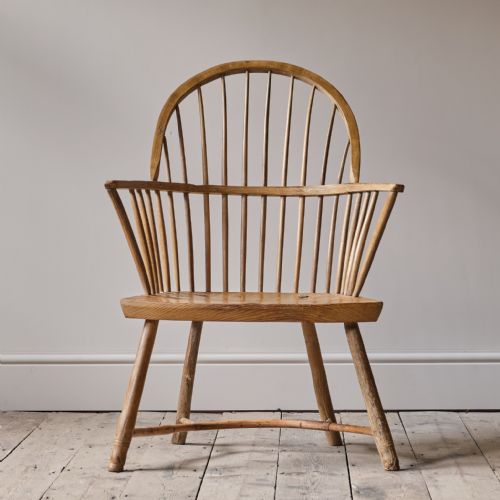
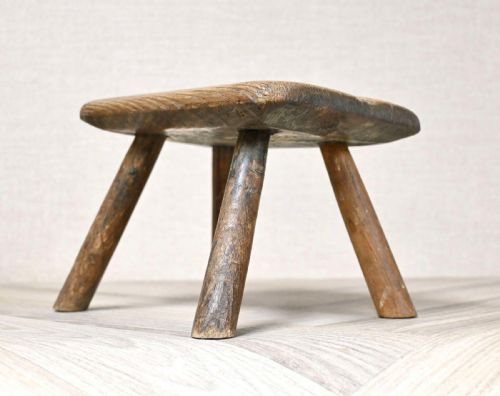
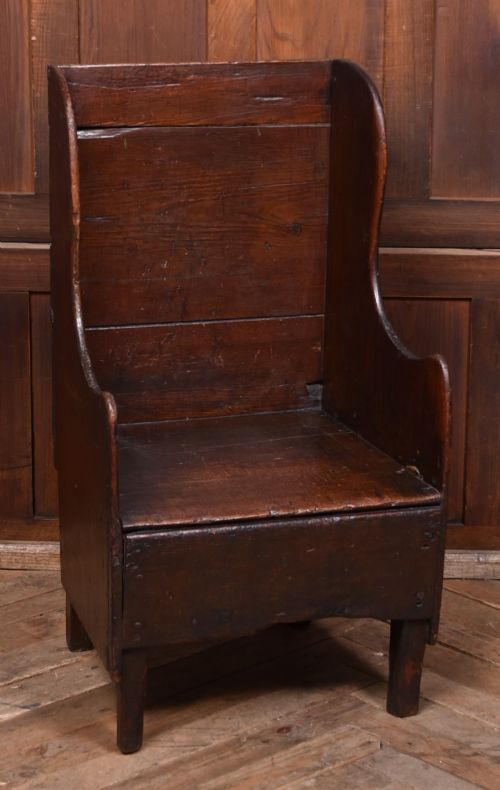
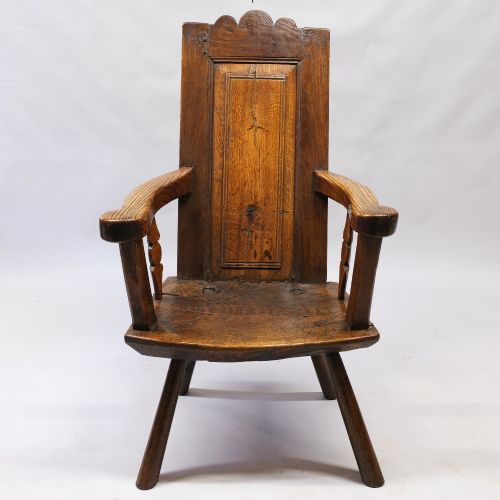
Vernacular Oak Seating
Vernacular oak seating encompasses rustic chairs, settles and stools rooted in local tradition, offering honest craftsmanship and rich grain that anchor a rural interior.
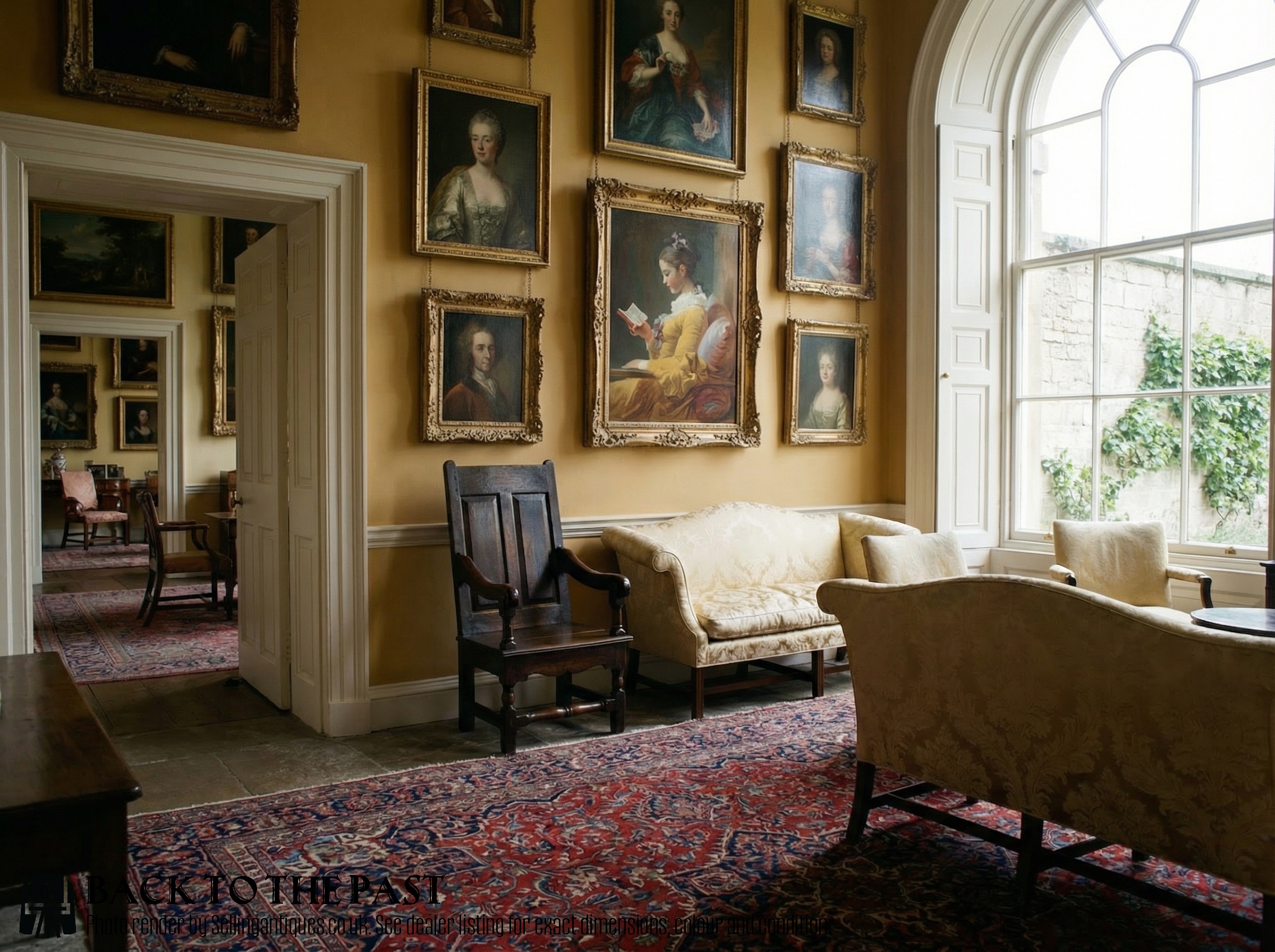
Identifying vernacular oak seating
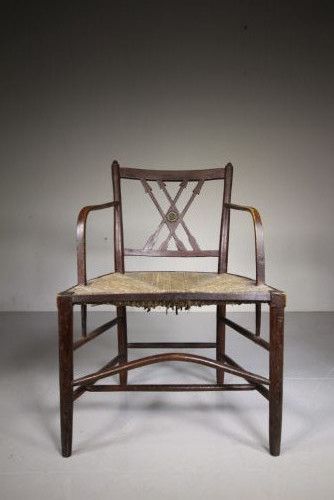
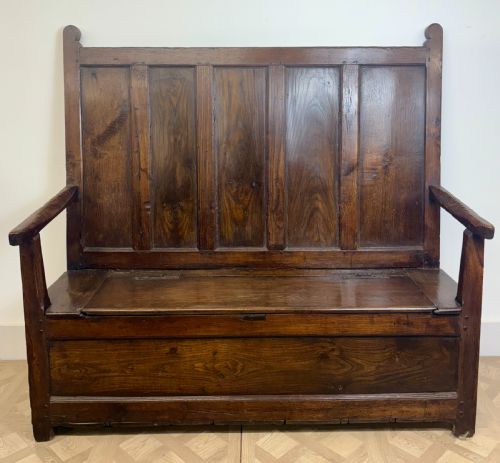
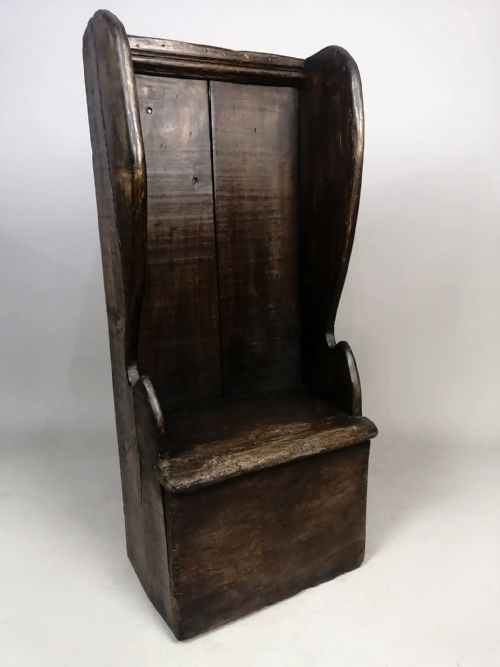
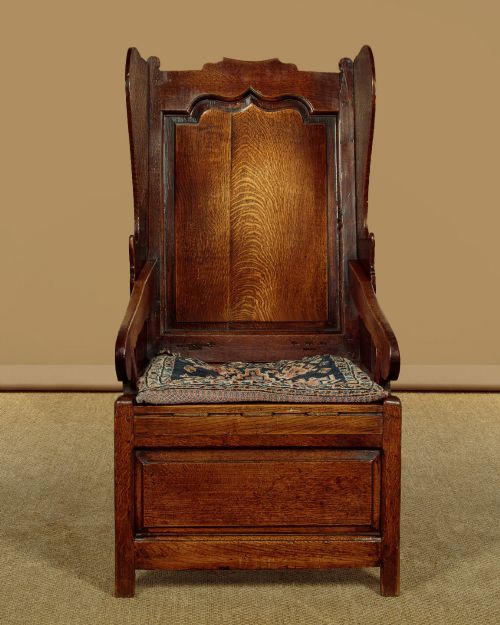
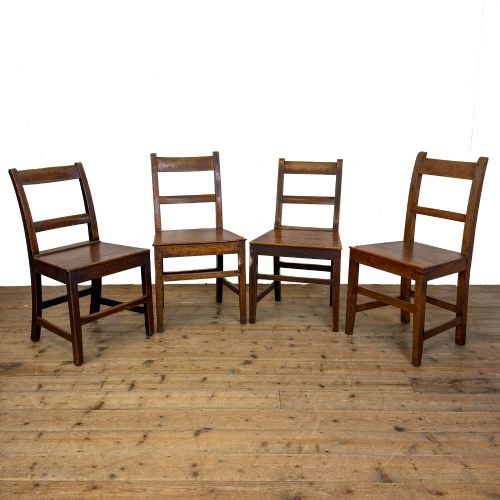
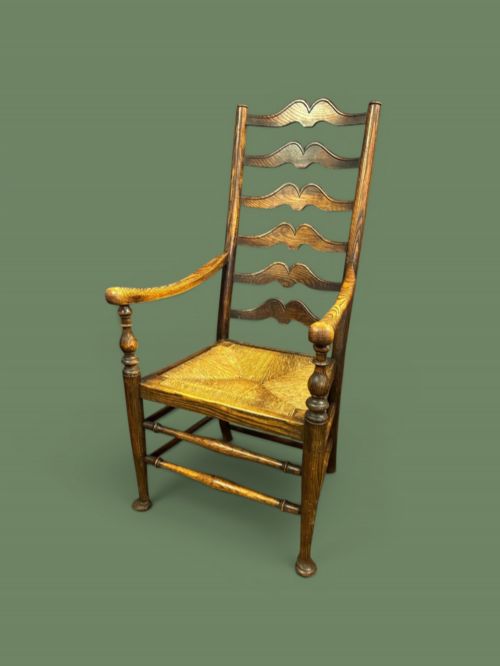
Vernacular oak seating comprises utilitarian furniture fashioned by local joiners and country craftsmen rather than urban cabinetmakers. These pieces include dining chairs, armchairs, stools and settles produced to meet the everyday demands of domestic life.
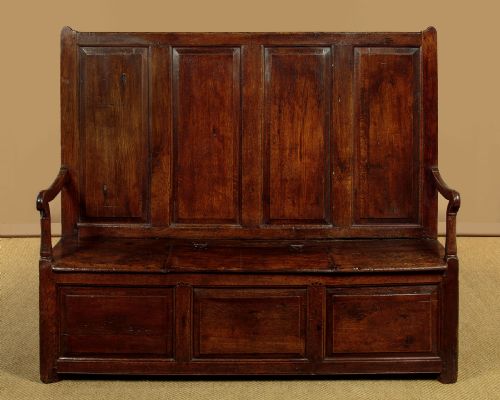
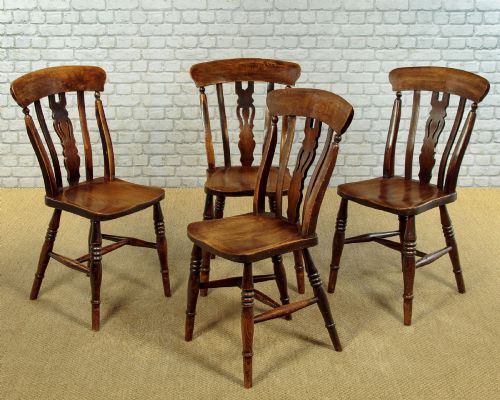
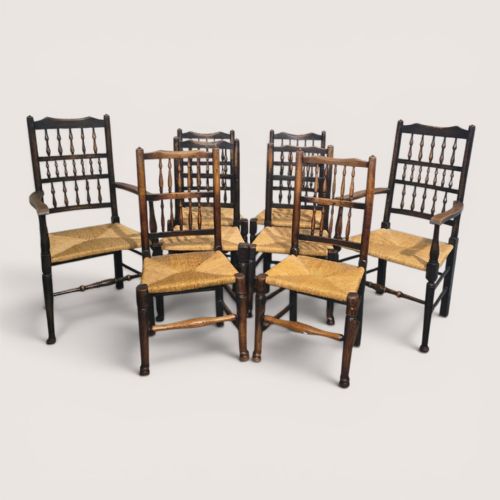
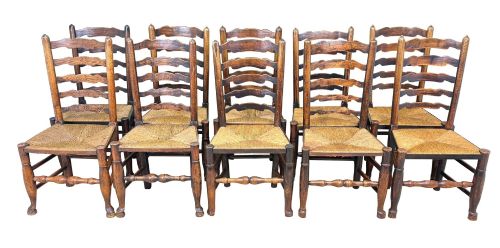
The evidence spans the seventeenth, eighteenth and nineteenth centuries, with regional interpretations like Welsh country and rustic folk art shaping the forms. Buyers encounter harlequin sets, high-back settles and singular milking stools reflecting these traditions.
Primary timbers are supplemented by ash, elm and yew, creating varied surface textures across the different objects. Pieces range from simple one-leg stools to substantial armchairs featuring yew-wood panels.
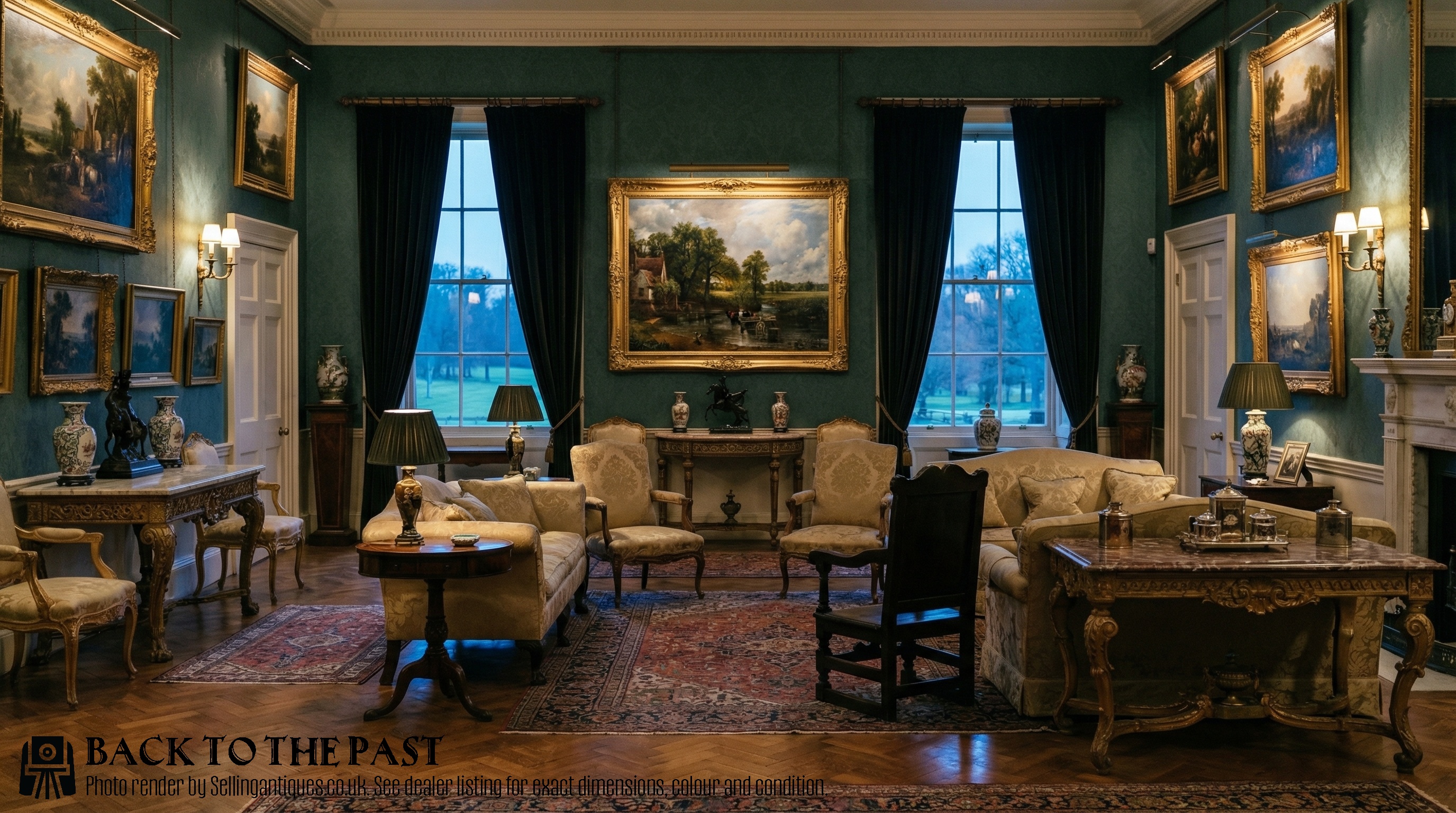
Materials and construction
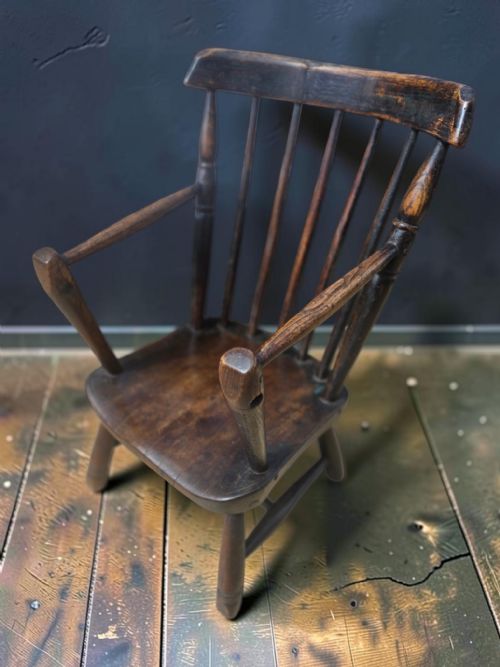
Makers utilised solid oak alongside supporting timbers such as ash, elm and yew, selecting woods for local availability and functional strength. Joinery methods relied on pegged mortise and tenon joints, spindle turnings and braced legs suited to heavy daily use.
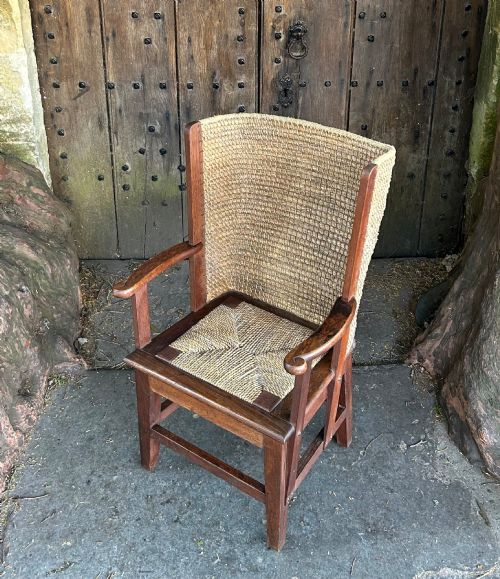
Secondary materials like hemp rope and iron appear in structural or supportive capacities within the various stool and chair designs. Natural seasoning and hand-working left tool marks and surface irregularities visible across the timber.
Retail Price Guide 2026
Typical UK retail prices for vernacular oak seating, calculated from the Sellingantiques database of over a million retail prices indexed since 2003. This retail price guide relies exclusively on Sellingantiques data; no external sources or auction records are used, so the figures do not describe the wider market.
A solitary one-leg milking stool required the milker to strap the seat directly to their body while tending the cow.
Judging quality in country furniture
Quality rests in the integrity of the timber selection and the retention of original surface patination accrued through centuries of handling. Finer examples display thoughtful integration of contrasting woods, such as yew panels set within oak frames, demonstrating deliberate artistry by rural makers.
Proportion and structural balance separate superior seating from basic utility work, as seen in the sweeping lines of high-back settles and well-matched sets. Pieces that preserve their early framing without excessive timber replacement hold greater authority.
The Vernacular Oak Seating Glossary
- Vernacular
- Furniture made by regional craftsmen for local use, following traditional patterns rather than metropolitan fashions. This approach prioritises utility and local materials over court styles.
- Settle
- A wooden bench with a high back, solid arms and often a box base, designed to keep draughts away from the sitter. These seats formed the social centre of the pre-industrial farmhouse kitchen.
- Harlequin set
- A group of chairs that match in general style or period but vary in minor details, having been gathered together over time rather than purchased as an original suite. They offer a collected look common in country settings.
- Milking stool
- A low, often three-legged stool used by agricultural workers for milking livestock by hand. Their simple construction reflects purely functional demands.
- Parnian
- An alternative term sometimes applied to country seating timbers, though oak and elm remain the dominant woods in this tradition. Understanding the specific wood species aids in dating and regional attribution.
Frequently Asked Questions
How do I date vernacular oak seating?
Dating relies on examining construction techniques, tool marks and timber shrinkage alongside stylistic traits recorded in seventeenth, eighteenth and nineteenth-century examples. Peg placement and joint wear offer reliable clues to the age of a piece.
Changes in regional form and the integration of secondary woods like yew or ash further help place an item within its historical period.
Were these seats used in ordinary homes?
These pieces were made for everyday domestic and agricultural life in farmhouses, cottages and rural workshops. Their robust construction was intended to withstand heavy daily use by working families.
Over generations, settling in farmhouse kitchens and dairies imparted the characteristic surface wear and patination valued today.
How should I care for antique oak furniture?
Maintain stable indoor humidity and temperature to prevent the timber from splitting or warping over time. Avoid placing pieces near direct heat sources or in strong sunlight.
Apply traditional beeswax occasionally and buff gently with a soft cloth to nourish the grain without building up artificial glosses.
What is a harlequin set of chairs?
A harlequin set consists of individual chairs sharing a similar period, region or design vocabulary that are grouped together as a dining set. This practice reflects how country furniture was historically acquired piecemeal rather than in uniform batches.
Subtle variations in turnings and proportions give these sets a lively character distinct from matched factory production.