
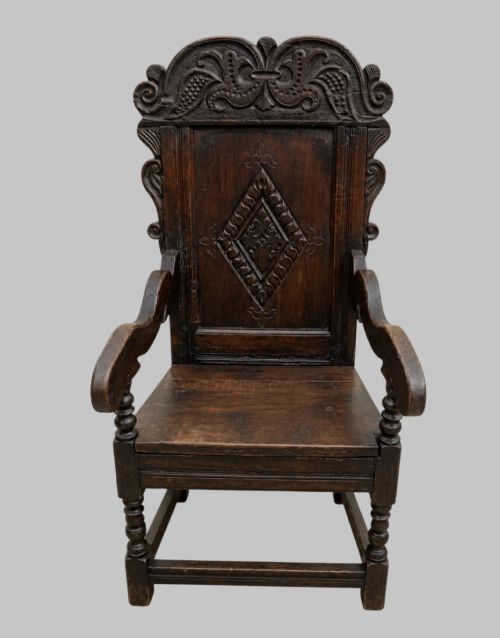


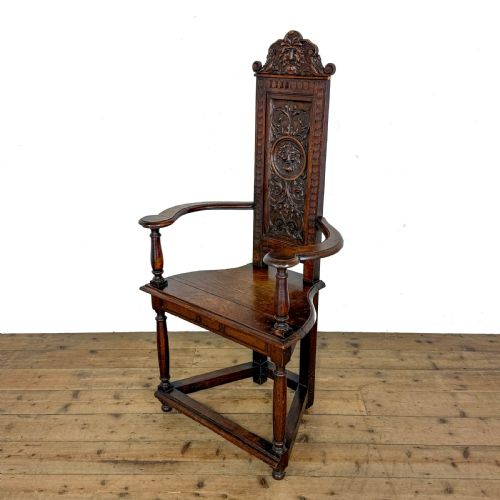
Brown Oak Panel Chair
A brown oak panel chair brings solid timber construction and regional character from centuries past directly into a modern interior.
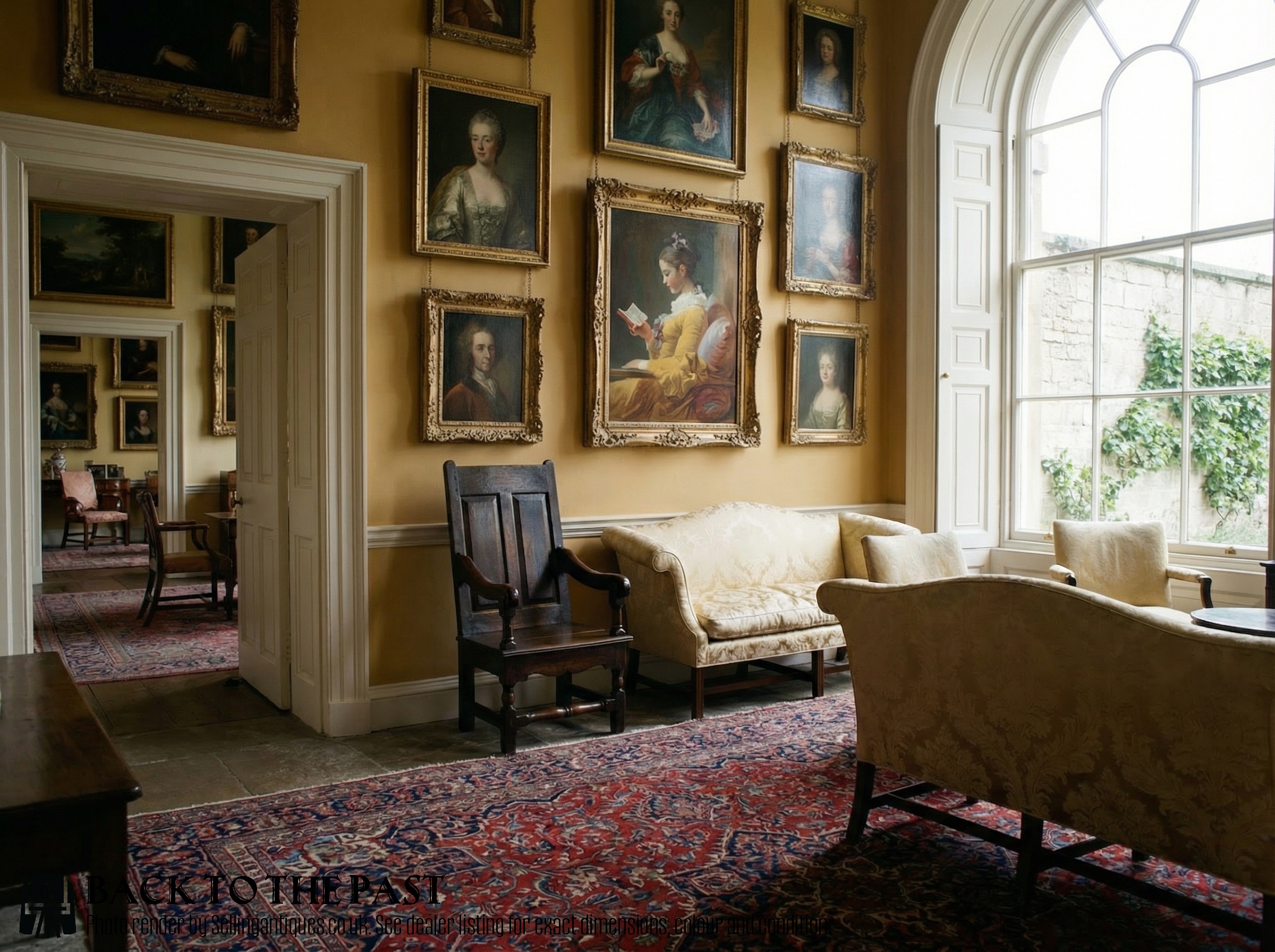
Brown Oak Panel Chair
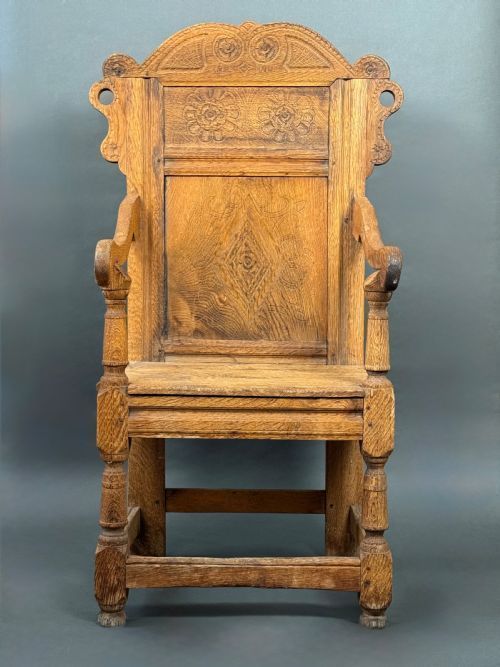
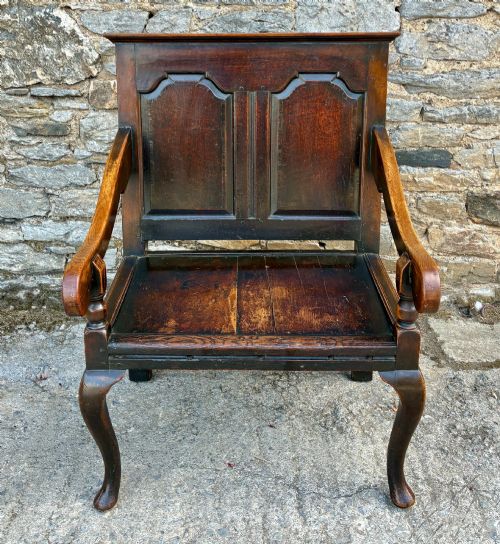
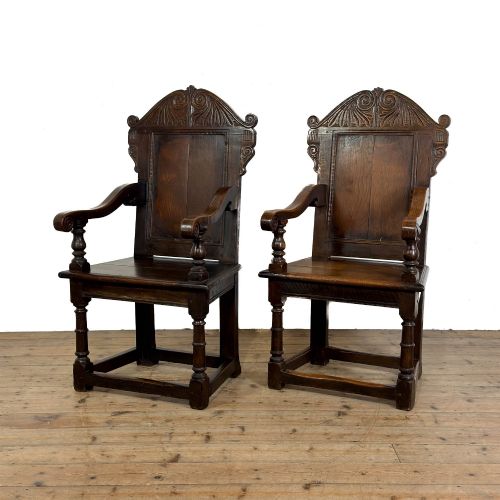
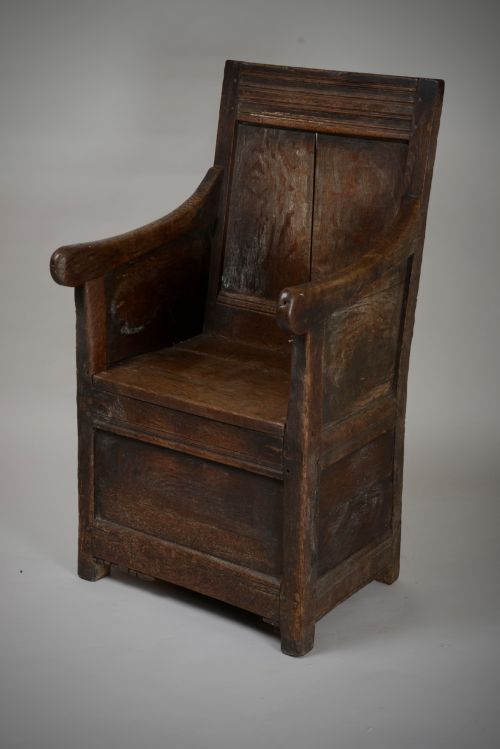
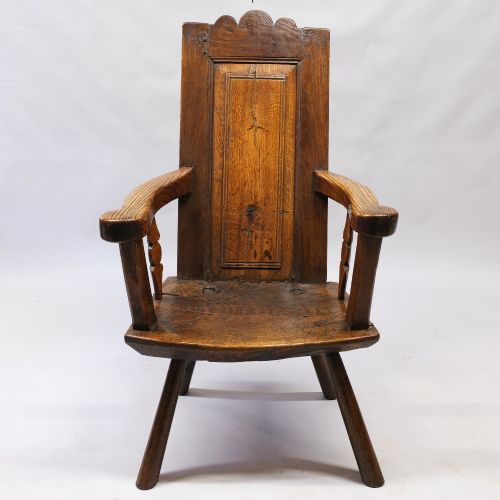
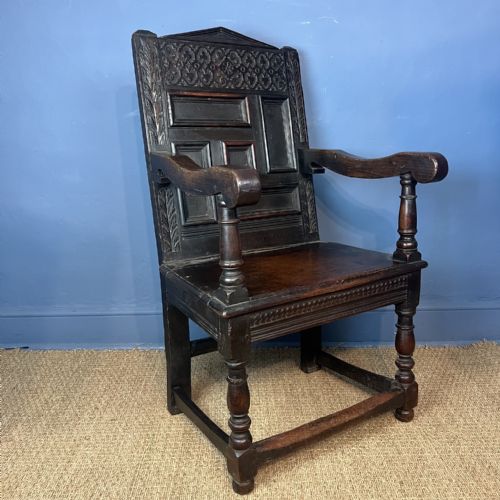
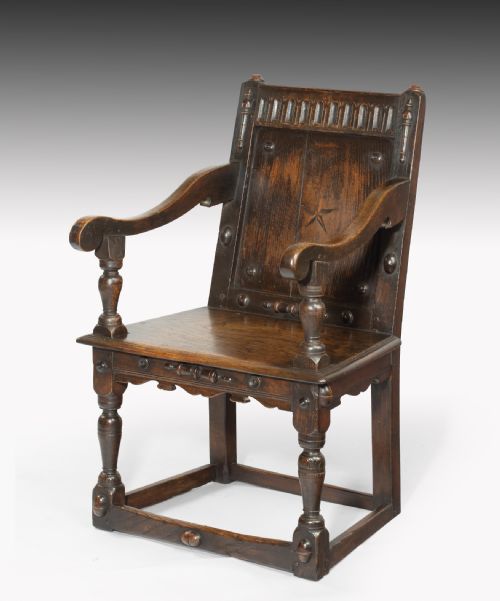
When you search for a brown oak panel chair, you encounter sturdy seating built with solid timber panels, often referred to as wainscot or panel backed forms. These pieces originate primarily from the sixteenth, seventeenth, and eighteenth centuries, with later revivals appearing in nineteenth and twentieth century listings.
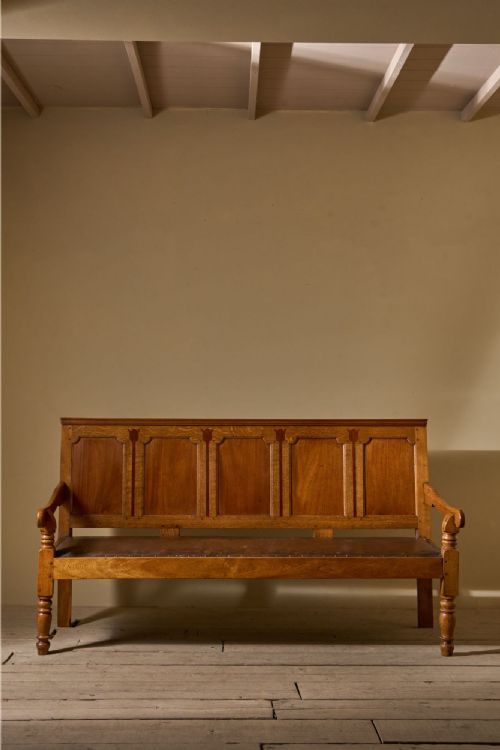
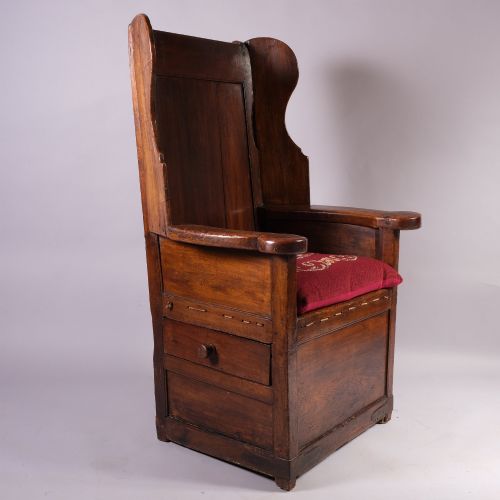
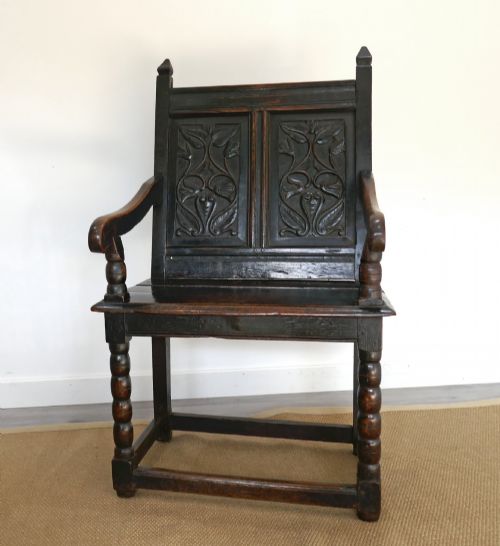
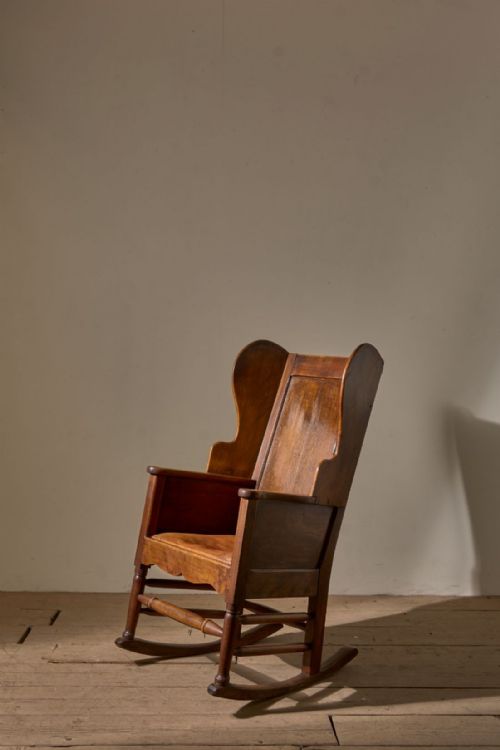
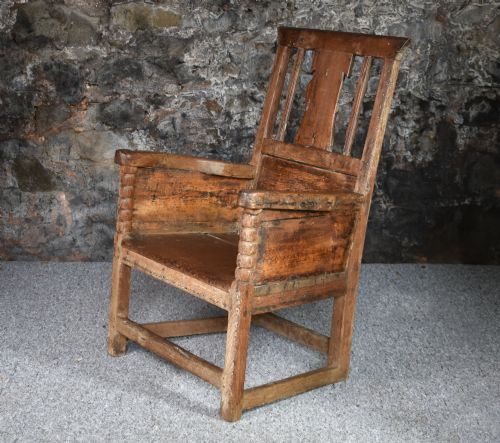
The selections span various regional British and continental types, including armchairs, side chairs, settles, and lambing chairs. Wainscot armchairs and panel backed examples dominate the offerings, showing carved details and heavy wooden frames.
How they were made
Constructed predominantly from native oak, these chairs utilise traditional joinery methods like mortise and tenon frames to secure the heavy wooden panels. Additional materials such as elm, pine, brass, leather, and fabric appear across specific seating forms and later restorations.
Makers shaped the timber using hand tools, frequently incorporating wood inlay, tooling leather, and intricate surface carving such as tulip decoration or geometric patterns.
Brown Oak Panel Chair Retail Price Guide 2026
Typical asking prices for brown oak panel chair among the pieces listed under this phrase on Sellingantiques today, from the lower quarter to the upper quarter. They describe what is for sale here now, not the wider market.
Early makers occasionally incorporated tulip carvings into oak panels to brighten up a gloomy parlour.
What varies in quality
The standard of a panel chair rests on the crispness of the original timber carving and the integrity of the structural joinery. Pieces retaining their early surface patination and unreplaced structural members command greater appreciation among collectors.
Proportion and regional distinctiveness also set examples apart, as chairs demonstrating specific local carver traits or vernacular forms show higher levels of historic craftsmanship.
The Brown Oak Panel Chair Glossary
- Wainscot chair
- A heavy wooden armchair featuring a panelled back and solid wooden seat, common in the seventeenth century.
- Backstool
- An early form of side chair without arms, constructed with a panelled or jointed back.
- Settle
- A wooden bench with a high panelled back, solid arms, and often an enclosed base for storage or draught exclusion.
- Caquetoire
- A light sixteenth or seventeenth century conversation chair featuring a high panelled back and a trapezoidal seat.
- Joint stool
- A low wooden seating form utilising tight mortise and tenon joints held together with wooden pegs.
Brown Oak Panel Chair: Frequently Asked Questions
What is a wainscot chair?
A wainscot chair is a heavy wooden armchair characterised by a panelled back and solid timber construction.
These pieces were typically reserved for the head of a household or important figures in early domestic settings.
How do I identify a 17th century oak chair?
Seventeenth century examples display pegged mortise and tenon joinery, heavy oak frames, and hand-carved ornamentation.
Regional variations and patination built over centuries further help distinguish authentic early periods from later revivals.
Where were panel chairs used?
These chairs served primary seating roles in great halls, farmhouses, and regional households across Britain and the continent.
Their solid wooden construction provided protection against draughts near open hearths.
Are panel chairs comfortable to sit in?
Original panel chairs feature rigid wooden seats and straight backs designed for upright posture rather than lounging.
Many owners add loose cushions or pads to soften the wooden surface for daily use.