
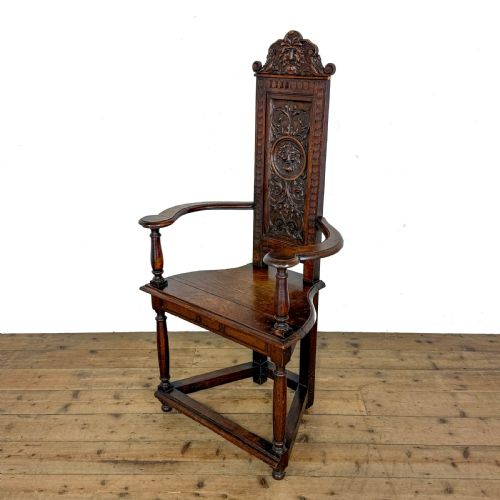


Traditional Oak Throne Chair
A traditional oak throne chair anchors a room with panelled authority, offering heavy timber construction and high-backed presence.
Traditional Oak Throne Chair
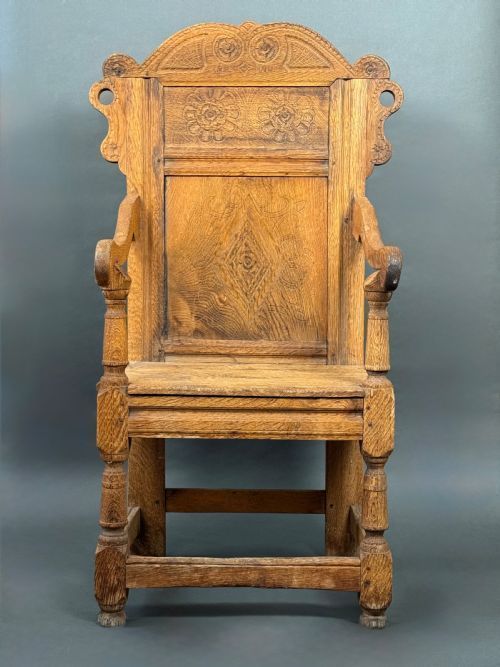
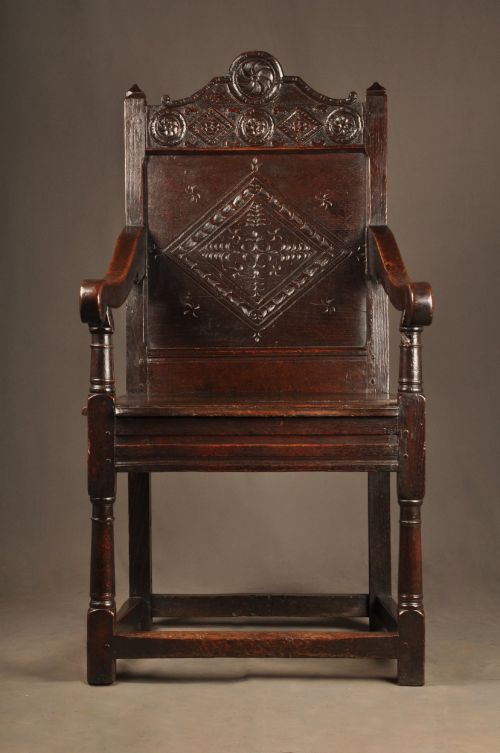
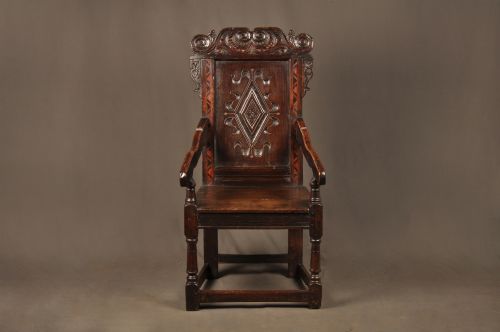
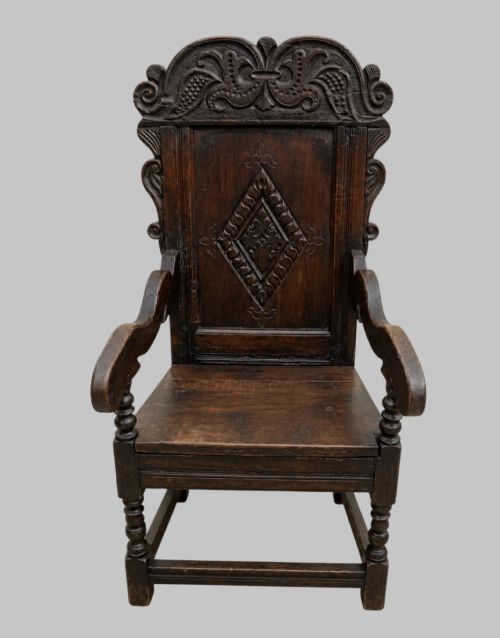
When you search for a traditional oak throne chair, you are looking at substantial armchairs built with panelled backs, often referred to as wainscot chairs or elbow chairs. These seating forms draw heavily on seventeenth century idioms, featuring high wooden backs and solid armrests designed to command a space.
The examples most commonly met on this page span the seventeenth, eighteenth, and nineteenth centuries, alongside revival pieces produced in the Victorian era and the nineteen thirties. Regional variations from Lancashire, Yorkshire, Scotland, and Wales appear frequently alongside English country interpretations.
Makers historically constructed these pieces for status and utility, utilising heavy framing and mortise and tenon joints. While the core remains stout oak, later nineteenth century revivals and related forms sometimes incorporate beech or additions of fabric and velvet upholstery.
Materials and construction methods
Solid oak serves as the primary material, chosen for its durability and dense grain, frequently joined using traditional pegged mortise and tenon construction. Cabinet makers relied on quarter-sawn timber to expose the attractive medullary rays across the flat panels of the backrest.
Carving and turning form the decorative vocabulary, with artisans chiselling strapwork, floral motifs, or scrolling into the solid wood. Subsidiary timbers such as beech occasionally support turned structural components like legs and arm supports.
Historic inventories show that heavy panelled chairs were sometimes bolted to the floor to prevent theft.
Judging the standard of execution
The depth and crispness of the carved ornamentation separate standard regional pieces from exceptional examples. Skilled carvers achieved sharp relief on the crest rails and panel faces, whereas lesser pieces display shallow, rushed tooling.
Proportion and structural integrity dictate the grade of an armchair. Pieces that retain their original timber components without excessive timber replacement or clumsy re-pegging demonstrate superior survival through the centuries.
The Traditional Oak Throne Chair Glossary
- Wainscot chair
- A heavy wooden armchair with a panelled back, originally constructed from oak panels similar to wall wainscoting. This form represents the primary ancestor of the traditional oak throne chair.
- Elbow chair
- An older term for an armchair, distinguishing seats with armrests from standard single chairs. These items provided a place of authority at the head of a communal table.
- Jacobean revival
- A nineteenth century stylistic movement that copied or reinterpreted seventeenth century decorative arts. Makers utilised heavy turned members and deep geometric carving during this period.
- Mortise and tenon
- A joint wherein a protruding tenon fits snugly into a mortise hole, secured by wooden pegs. This technique held heavy seventeenth century frames together without modern adhesives.
Traditional Oak Throne Chair: Frequently Asked Questions
What is a wainscot chair?
A wainscot chair is an early form of wooden armchair constructed with panelled backs and solid wooden seats. They derived their name from fine imported oak boards known as wainscot.
These heavy chairs were principal pieces of furniture in seventeenth century households, usually reserved for the head of the house or important guests.
How old is my oak armchair?
Dating requires looking at the construction joints, tool marks, and timber shrinkage patterns. Seventeenth century originals display hand-split oak and peg construction, while Victorian revivals often show machine sawn elements.
Stylistic cues like crest rail design and regional carving motifs also help narrow down the century of manufacture.
How do I care for solid oak?
Solid oak benefits from stable indoor humidity and occasional application of traditional beeswax to nourish the timber. Avoid placing heavy antique seating near direct heat sources that cause wood to split.
Gentle dusting with a soft cloth preserves the historic patina without stripping the surface finish.
Were these chairs used at dining tables?
Historically, only the master of the household sat in an armchair at the dining table while other occupants used benches or simple joint stools. Their imposing backs helped keep out cold drafts in draughty historic halls.
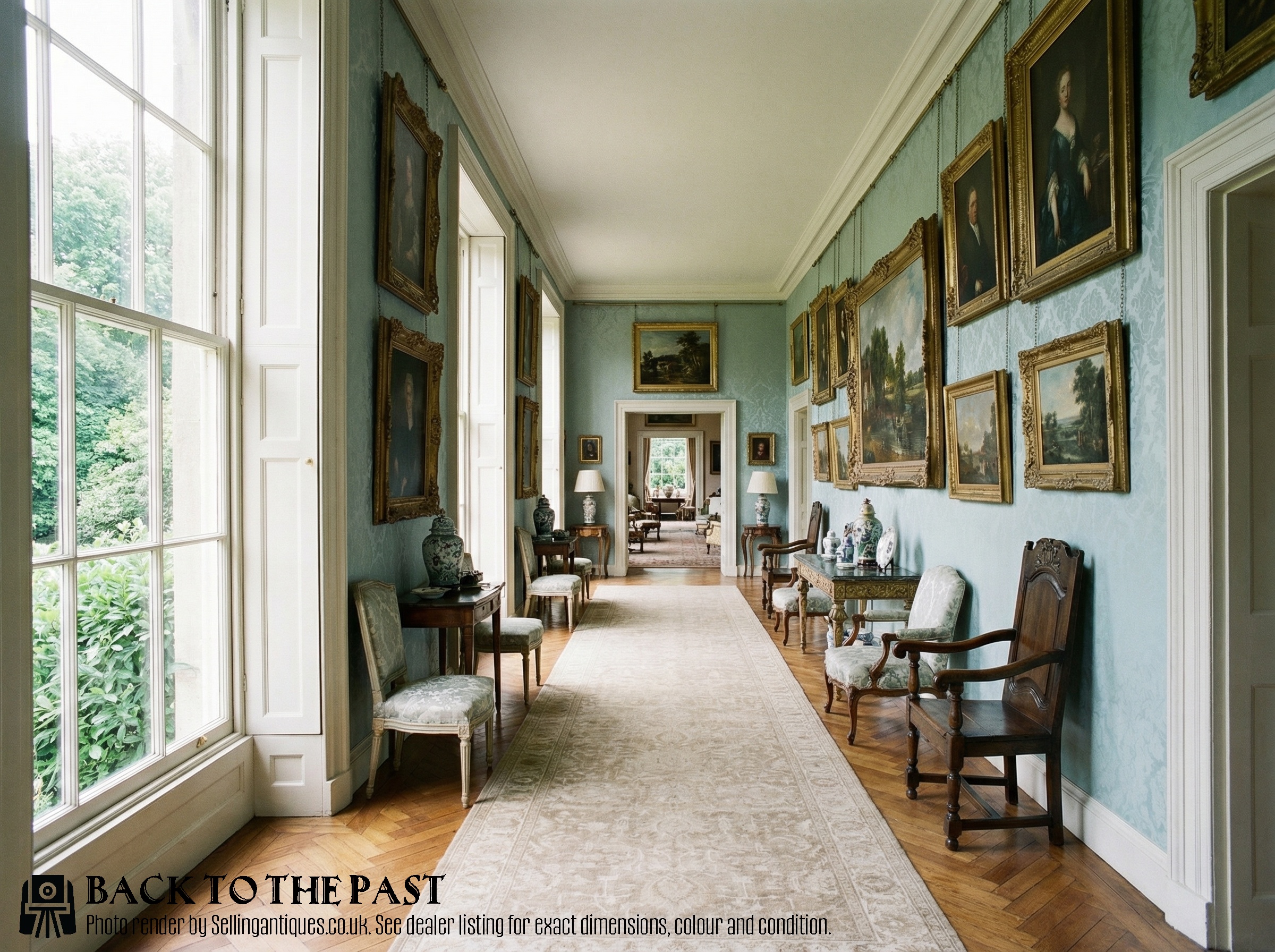
Today they function effectively as statement accent pieces in studies, hallways, or living rooms.