

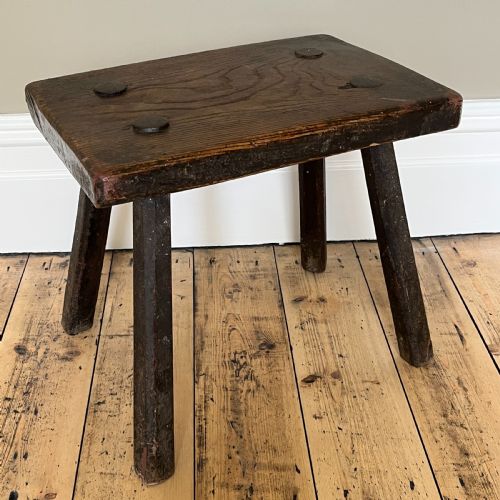


Rustic Oak Side Stool
A rustic oak side stool brings honest, solid timber and centuries of utilitarian craft directly into a modern interior.
Rustic Oak Side Stool
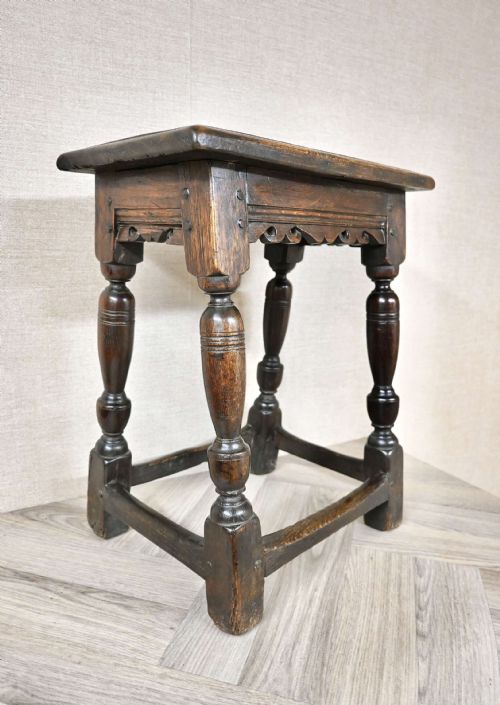
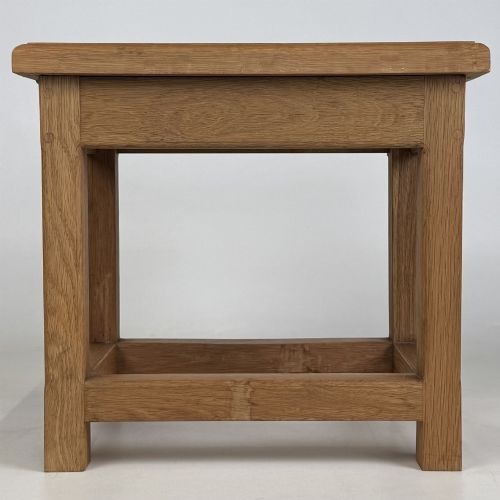
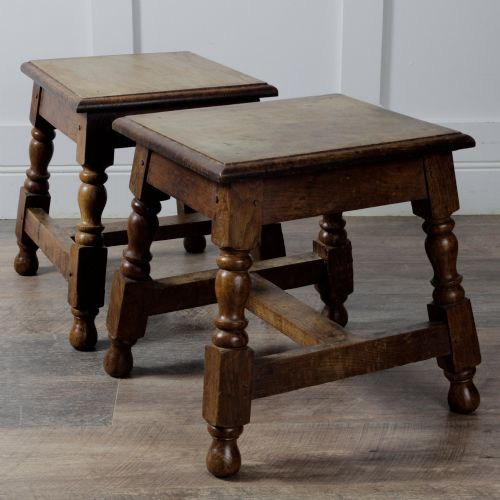
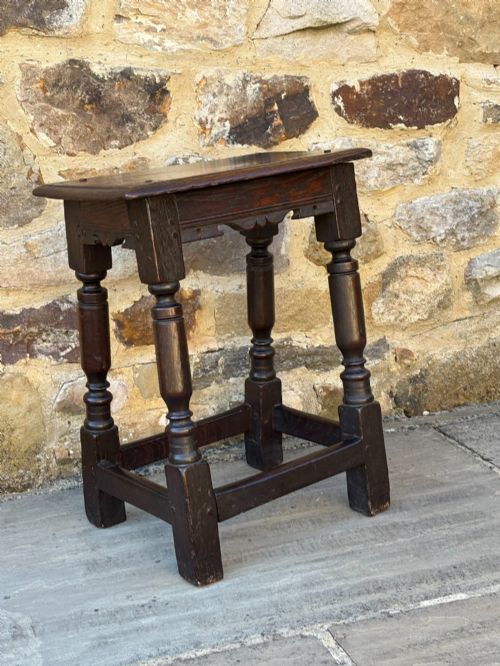
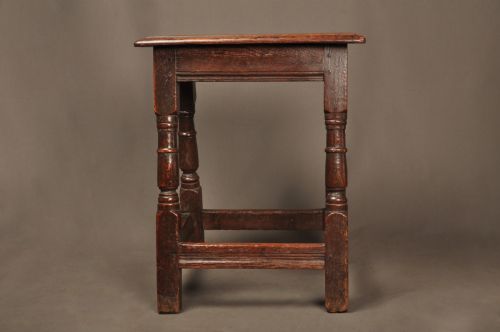
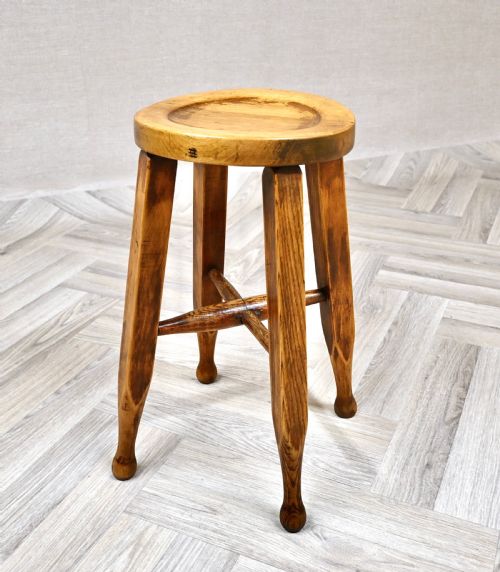
A rustic oak side stool is a compact, sturdy seat built primarily for utility in domestic and rural spaces. Buyers seeking this phrase encounter low stools, joint stools, and country seating designed for simple everyday use.
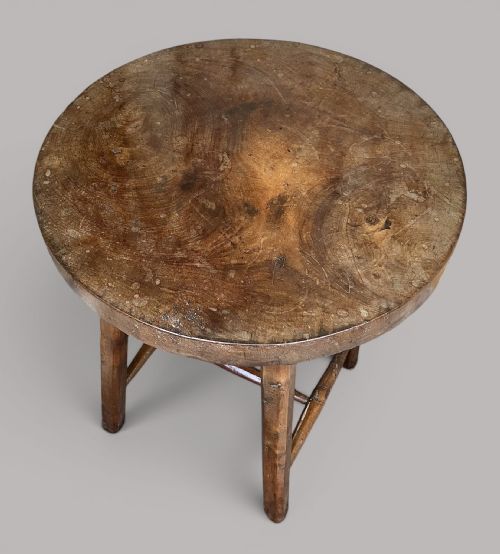
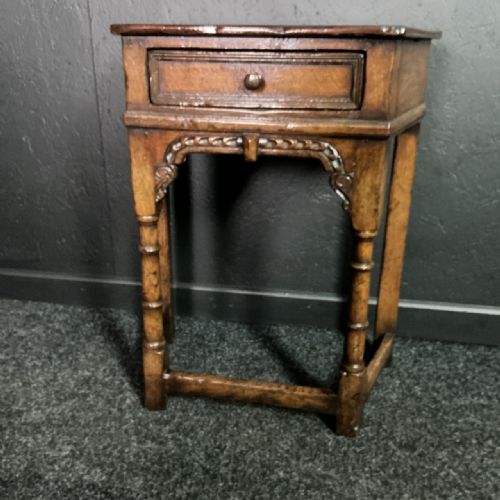
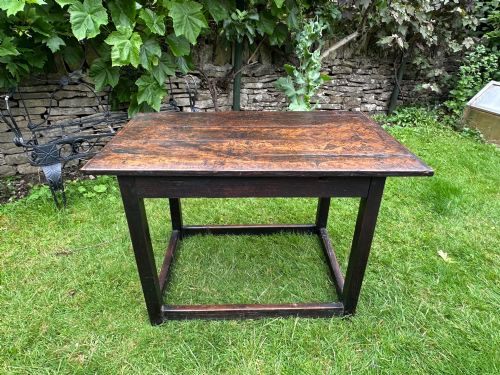
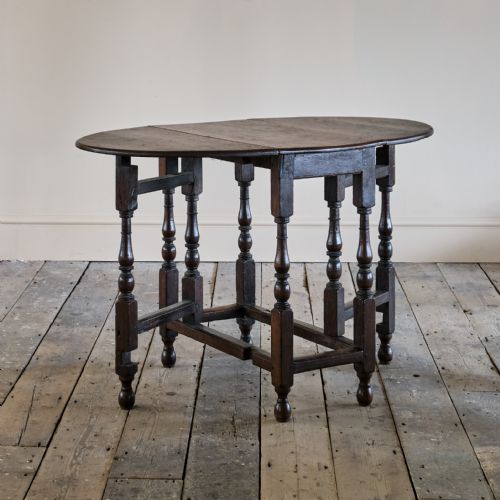
The listings span centuries of vernacular woodworking, from seventeenth-century joint stools to nineteenth-century country pieces. While tables and chopping blocks appear among the items, low seating remains the core of the selection.
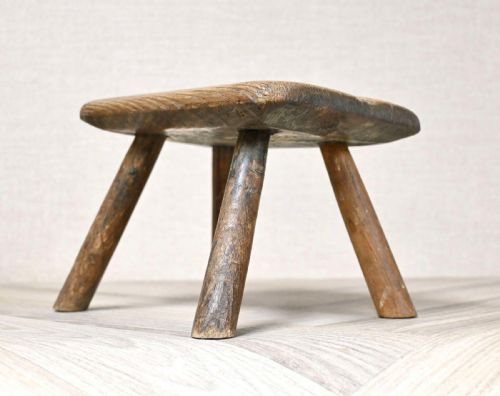
Materials extend beyond standard oak to encompass elm, ash, and occasional hardwood additions like walnut. Forms range from three-legged milking stools to pegged five-plank variants and carved joint designs.
How they were made
Makers utilised solid English oak, elm, and ash, selecting timber for strength and straight grain. Pegged construction and traditional joints allowed these stools to withstand heavy daily wear without metal fixings.
Surface preparation involved simple hand-tool work, leaving adze marks, saw traces, and natural grain variations visible. Seats were fashioned from single planks or rush, supported by turned or straight legs secured with wedges.
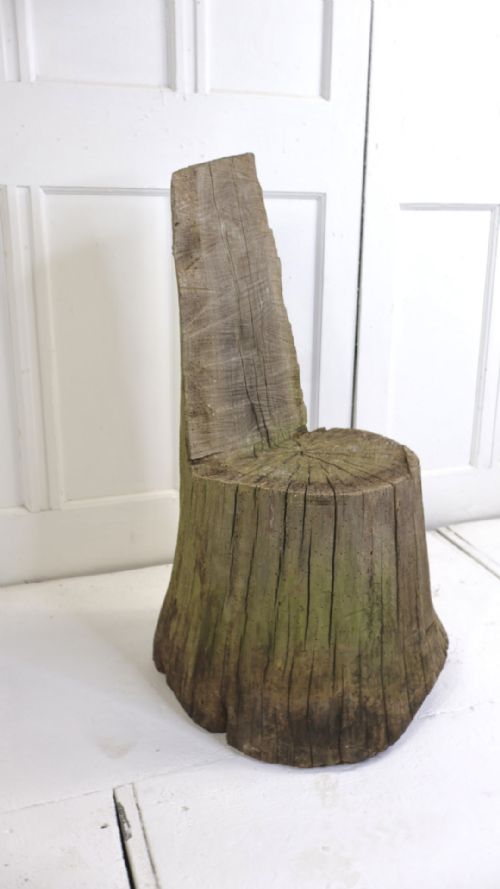
Some nineteenth-century French examples served strictly as game blocks for field preparation rather than indoor seating.
What varies in quality
Quality rests in the integrity of the timber and the honesty of the construction rather than applied decoration. Early joint stools rely on precise joinery and original pegged frames, while country examples depend on the balance of turned legs and solid plank seats.
Wear shows the history of use, distinguishing pieces shaped by centuries of domestic service from later revival items. The crispness of hand-cut joints and the retention of original surface timber define the upper tier of the range.
Jack Grimble
The Rustic Oak Side Stool Glossary
- Joint stool
- An early form of wooden stool constructed with mortise and tenon joints secured by wooden pegs. These pieces typically feature rectangular tops and four joined legs.
- Plank top
- A seat or table surface constructed from solid boards joined edge-to-edge. This method showcases the natural grain and growth rings of the timber.
- Pegged construction
- A method of joining wooden components using handmade wooden pins instead of metal nails or screws. This technique accommodates seasonal wood movement.
- Rush seat
- A seating surface woven from dried marsh grasses around a wooden frame. This traditional method provides a resilient and slightly flexible top.
Rustic Oak Side Stool: Frequently Asked Questions
What is a rustic oak side stool used for?
These pieces serve primarily as low seating or small auxiliary surfaces beside chairs and beds. Their sturdy build makes them practical for everyday placement in hallways and living spaces.
Historically, sturdy stools doubled as small tables or steps when household furniture was scarce. Today, they function as compact side tables for books or lamps.
Are these stools made entirely of oak?
While oak is dominant, many country stools incorporate secondary timbers such as elm, ash, and pollard oak. Makers used whatever strong local hardwoods were available in the workshop.
Seats and legs frequently combine different woods depending on whether the maker needed bending flexibility or structural rigidity.
How should I care for an antique wooden stool?
Keep wooden stools away from direct heat sources and dramatic humidity shifts to prevent timber splitting. Regular dusting with a dry cloth maintains the surface without stripping natural wax accumulation.
Occasional application of traditional beeswax helps nourish dry antique timber and preserves the historical surface finish.