
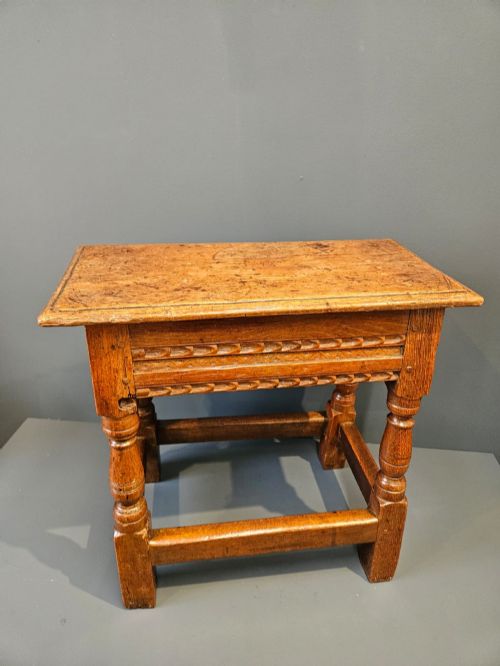


Jacobean Wooden Stool
A jacobean wooden stool is a sturdy seat rooted in early domestic life, valued for its honest timber construction and enduring utility.
Jacobean Wooden Stool
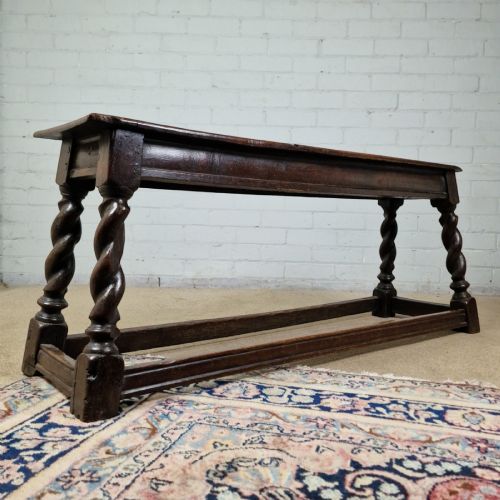
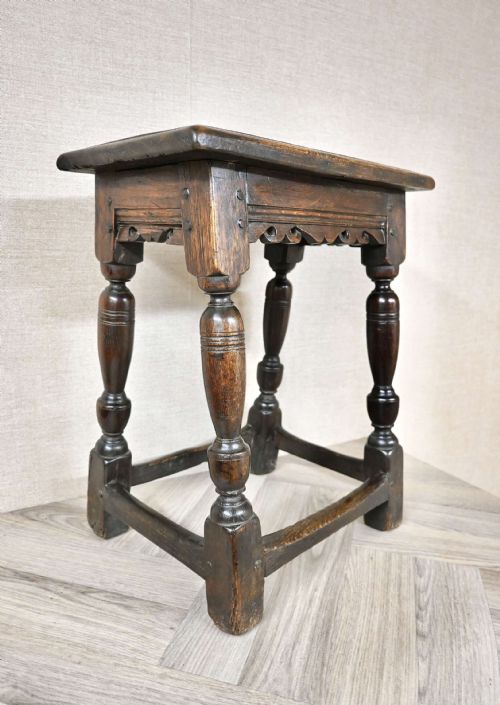
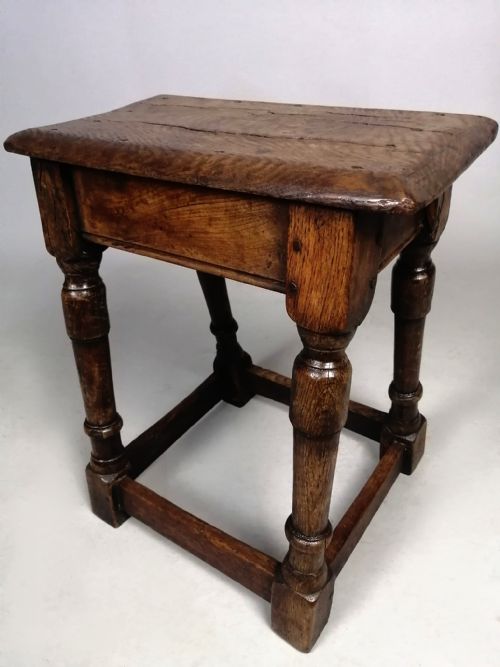
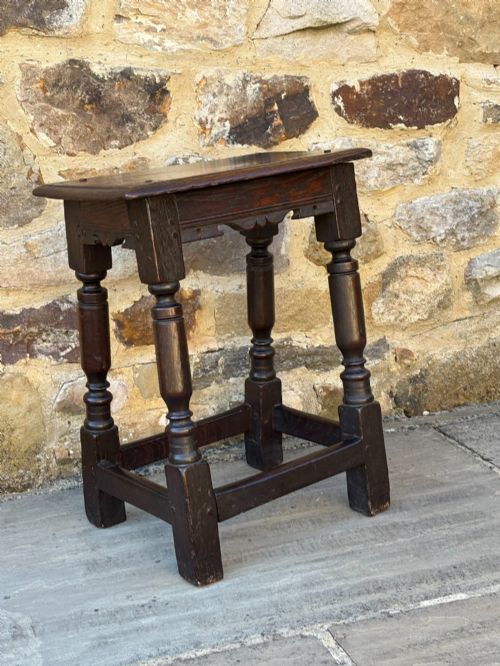
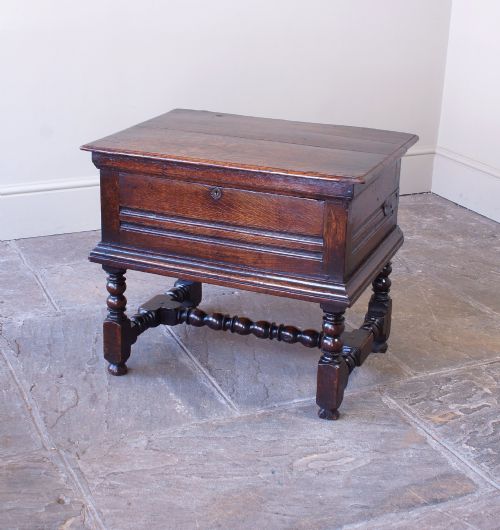
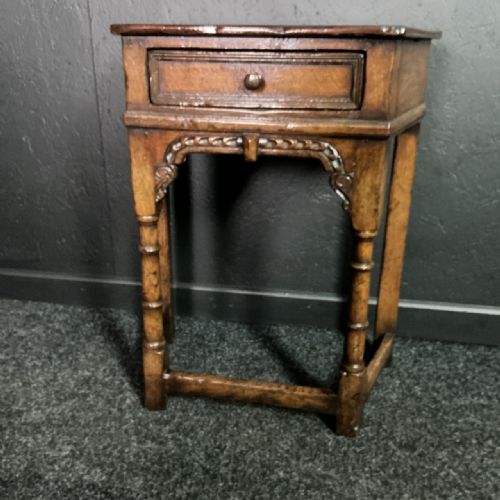
A jacobean wooden stool typically takes the form of a joint stool or box stool, constructed for daily utility in early domestic interiors. Buyers examining this page will encounter authentic seventeenth-century examples alongside later revival pieces produced through the nineteenth and twentieth centuries.
The selection ranges from low footstools and long benches to specialised forms such as close stools and upholstered centre stools. Oak serves as the primary structural medium across these various centuries and revival movements.
Character and Craft
Quality rests in the integrity of the timber and the honesty of the construction, where tighter joints and deeper patination distinguish superior examples. Pieces retain varying degrees of original surface wear and structural replacement from centuries of domestic use.
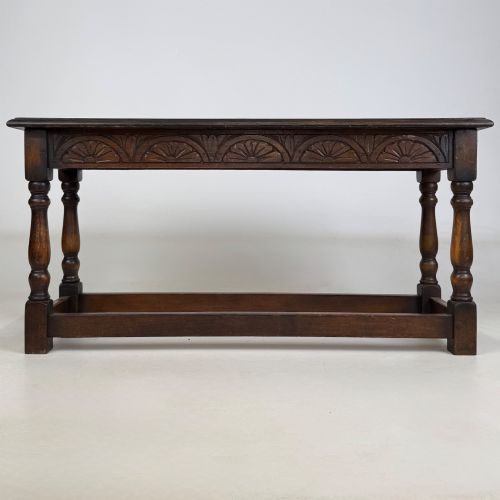
The depth of carved detail and the proportion of the frame separate standard utility pieces from more ambitious commissions. Originality of surface finish and timber selection ultimately dictate the distinction between everyday seating and notable survivals.
Miniature apprentice pieces and doll-sized joint stools appear alongside full-sized seating, showing that early woodworkers practiced their trade on a tiny scale.
The Jacobean Wooden Stool Glossary
- Joint Stool
- A sturdy wooden seat constructed using mortise and tenon joints pegged together. These items served multiple household purposes in early rooms.
- Box Stool
- A seating form incorporating a lidded compartment beneath the top board for storage. Also known historically as a close stool.
- Jacobean Revival
- A nineteenth or twentieth-century design movement replicating the heavy oak forms of the early seventeenth century. Workshops utilised period motifs on later timber frames.
- Bobbin Turned
- A method of lathe work producing a series of rounded spheres resembling spools along the legs or stretchers. This decorative turning appears frequently on seventeenth-century and revival pieces.
- Joined Oak
- Timber framing bound together by tight wooden joints rather than nails or screws. This technique provides the core structural strength seen across early stools.
Jacobean Wooden Stool: Frequently Asked Questions
How do I identify a genuine seventeenth-century stool?
Examine the timber for traditional pegged joinery, hand tool marks, and natural surface patination accumulated over centuries of use.
Revival pieces from later centuries often display machine tooling or different timber shrinkage patterns that distinguish them from period originals.
What was a close stool used for?
A close stool served as a chamber commode, featuring an internal box or cavity housed beneath a hinged wooden lid.
These utilitarian pieces formed a standard part of early domestic bedroom furniture before modern plumbing was established.
Are these stools suitable for daily seating?
Solid oak construction makes these items exceptionally sturdy and robust for everyday placement around a modern dining table or living space.
Care should be taken with fragile cane or antique upholstery variants to preserve their historical materials during regular use.
Why do some stools have turned legs while others are straight?
Turned legs reflect specific stylistic preferences and workshop traditions popular during the seventeenth century and later revival periods.
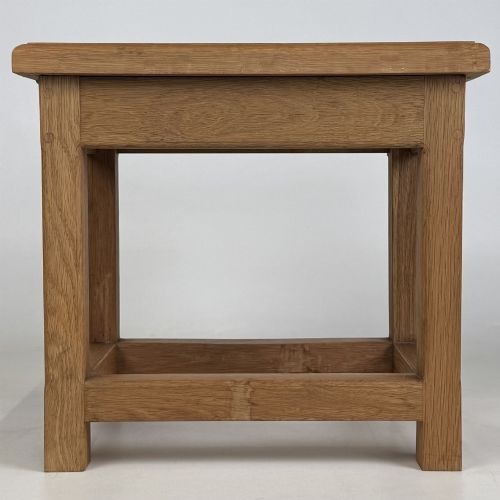
Straight chamfered legs typically indicate utilitarian economy, whereas bobbin or columnar turnings suggest more decorative ambition.