




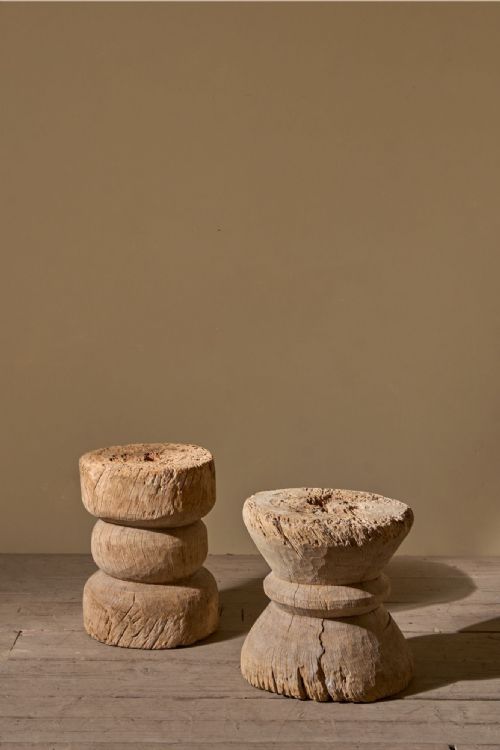
Antique Accent Stool
An antique accent stool brings historic character and solid timber craft into a room, doubling as an occasional seat or small display surface.
Antique Accent Stool
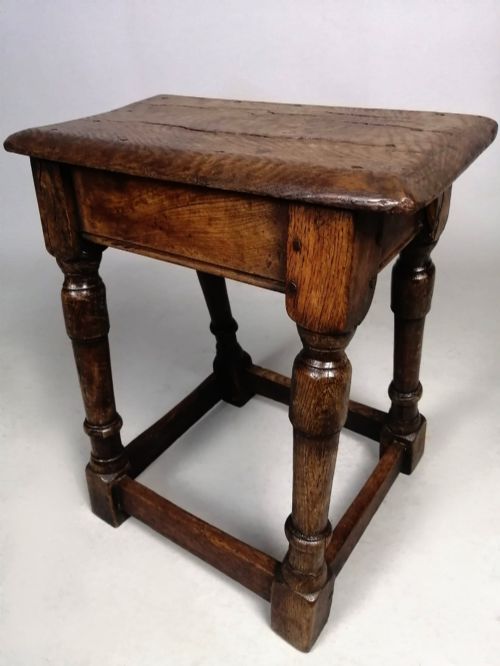
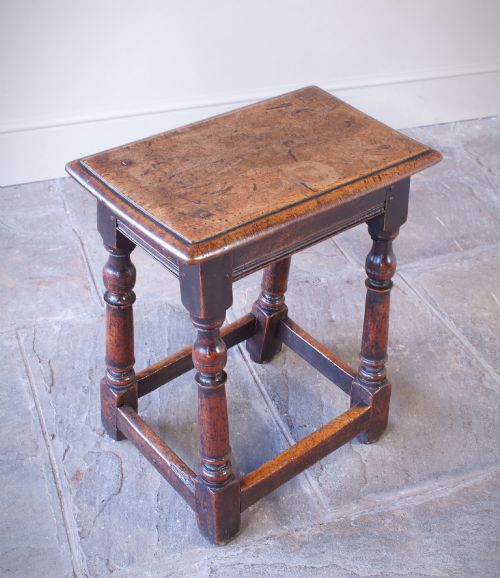
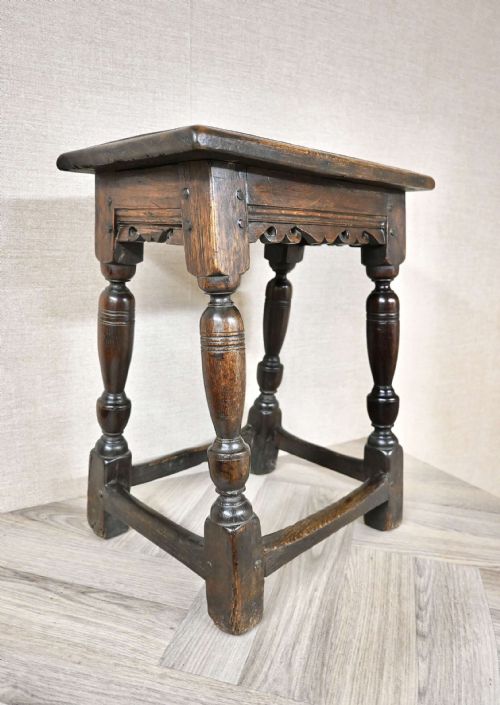
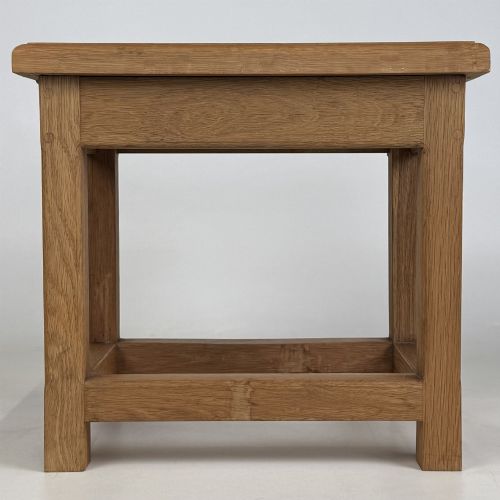
When you search for an antique accent stool, you find low seating designed to punctuate a corner or sit beside a chair. The earliest examples on this page are seventeenth-century joint stools in solid oak, constructed with pegged mortise and tenon joints.
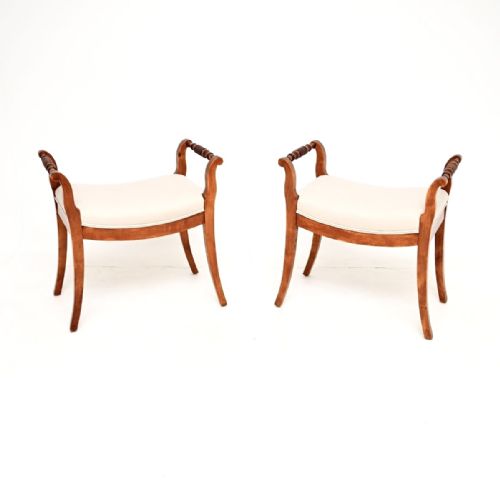
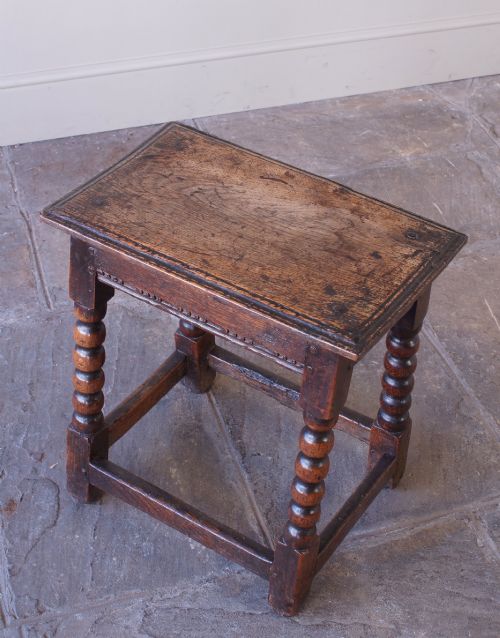
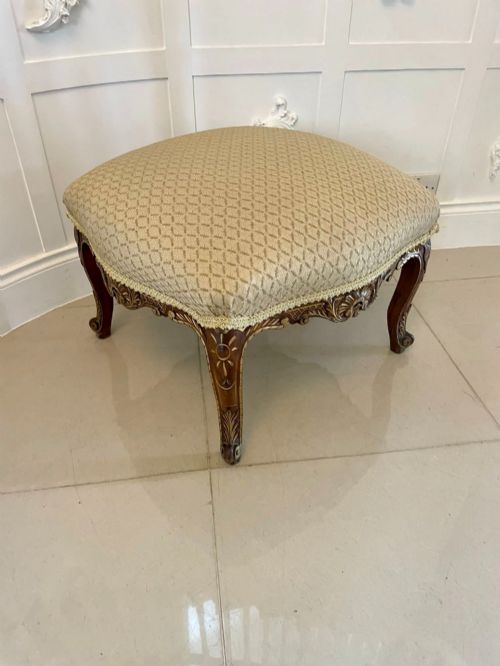
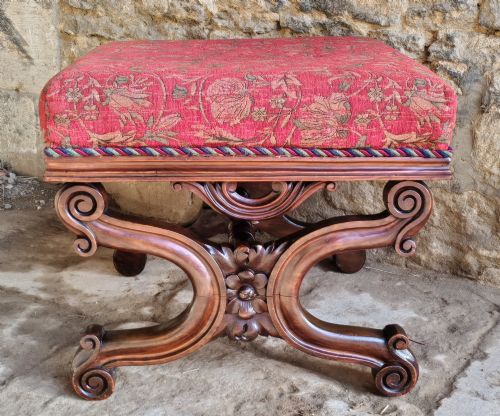
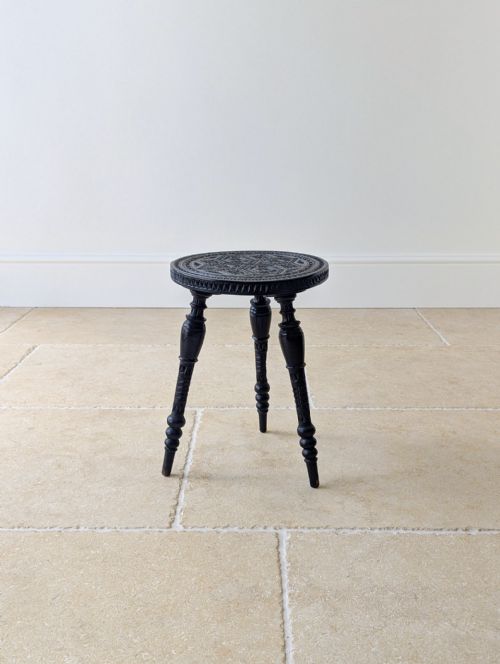
Alongside seventeenth-century forms, the selection includes nineteenth-century walnut and mahogany x-frame stools, Victorian upholstered dressing table stools, and bobbin-leg variants. These pieces serve practical needs while displaying regional British and European cabinetmaking traditions.
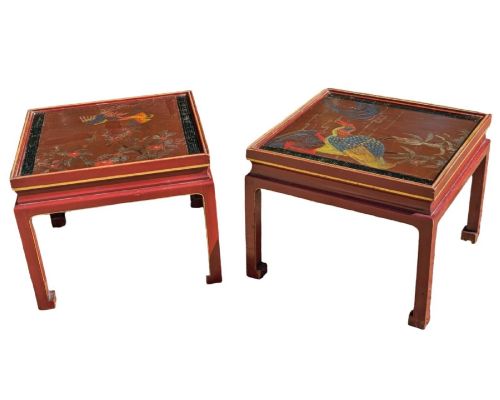
The category also embraces international variations, including Chinese lacquer and hardwood low tables and occasional pieces functioning as low seats or stands. Buyers encounter everything from provincial English country oak to sophisticated Victorian gilt and carved walnut.
Materials and construction
Makers relied heavily on native hardwoods, primarily oak, walnut, and elm, building sturdy frames designed to withstand heavy daily use. Turnings, such as bobbin legs or twisted rope details, required skilled lathe work by local joiners.
Surface finishes range from natural wax over rich timber grain to dark ebonising, elaborate chip-carving, and oriental lacquer. Many stools retain or receive new fabric upholstery, matching period styles with fresh textiles.
Antique Accent Stool Retail Price Guide 2026
Typical asking prices for accent stool among the pieces listed under this phrase on Sellingantiques today, from the lower quarter to the upper quarter. They describe what is for sale here now, not the wider market.
An anonymous seventeenth-century joiner once left a stool so tightly pegged that modern gravity merely nods in quiet respect.
Judging the work
Quality rests in the integrity of the timber joints and the depth of the natural patina developed over centuries of handling. Hand-carved details, whether crisp chip-carving or fluid cabriole legs, separate utilitarian workshop output from finer commission pieces.
Proportion and wood selection dictate the visual weight of the stool, with Pollard oak and figured walnut marking the upper tier of material choice.
The Antique Accent Stool Glossary
- Joint stool
- A solid timber stool constructed with pegged mortise and tenon joints rather than traditional chair framing. These sturdy pieces date primarily from the seventeenth and eighteenth centuries.
- Bobbin leg
- A turned furniture leg shaped on a lathe to resemble a series of bobbins or spools strung together. This decorative turning appears frequently on seventeenth and nineteenth-century seating.
- X-frame
- A structural furniture base formed by intersecting diagonal timbers creating an X shape from profile view. This form provides lateral strength and dates back to classical antiquity.
- Chip-carving
- A decorative technique where small chips are removed from the surface of wood to create geometric patterns. It appears on regional European tables and stools.
- Lacquer
- A durable varnish applied in multiple layers to wood and polished to a smooth finish. Asian examples often incorporate hand-painted or inlaid decoration.
Antique Accent Stool: Frequently Asked Questions
How do I use an accent stool?
These small pieces fit easily into corners, serve as impromptu seating near a fireplace, or act as low stands for lamps and books.
Their compact footprint allows them to move between rooms depending on daily requirements.
What is a joint stool?
A joint stool is an early form of wooden seating joined by tight wooden pegs rather than glue or metal nails. They were built to endure heavy domestic service.
Cabinetmakers constructed them primarily in oak during the seventeenth century.
How do I date an oak stool?
Dating relies on observing construction marks, timber shrinkage, and the style of hand-tooling on the wood surface. Peg construction and turned leg profiles offer clues to the period.
Early pieces show genuine wear patterns and tool marks left by seventeenth-century joiners.
Are these stools comfortable for sitting?
Unupholstered timber stools provide firm, upright seating intended for brief periods rather than long lounging. Upholstered Victorian and Edwardian examples offer cushioned top surfaces designed for dressing tables.
Adding a small loose cushion can increase comfort on wooden seats.