



Dark Walnut Stool
These dark walnut stool pieces bring rich timber tone and period form to any room, offering versatile seating or footrests.
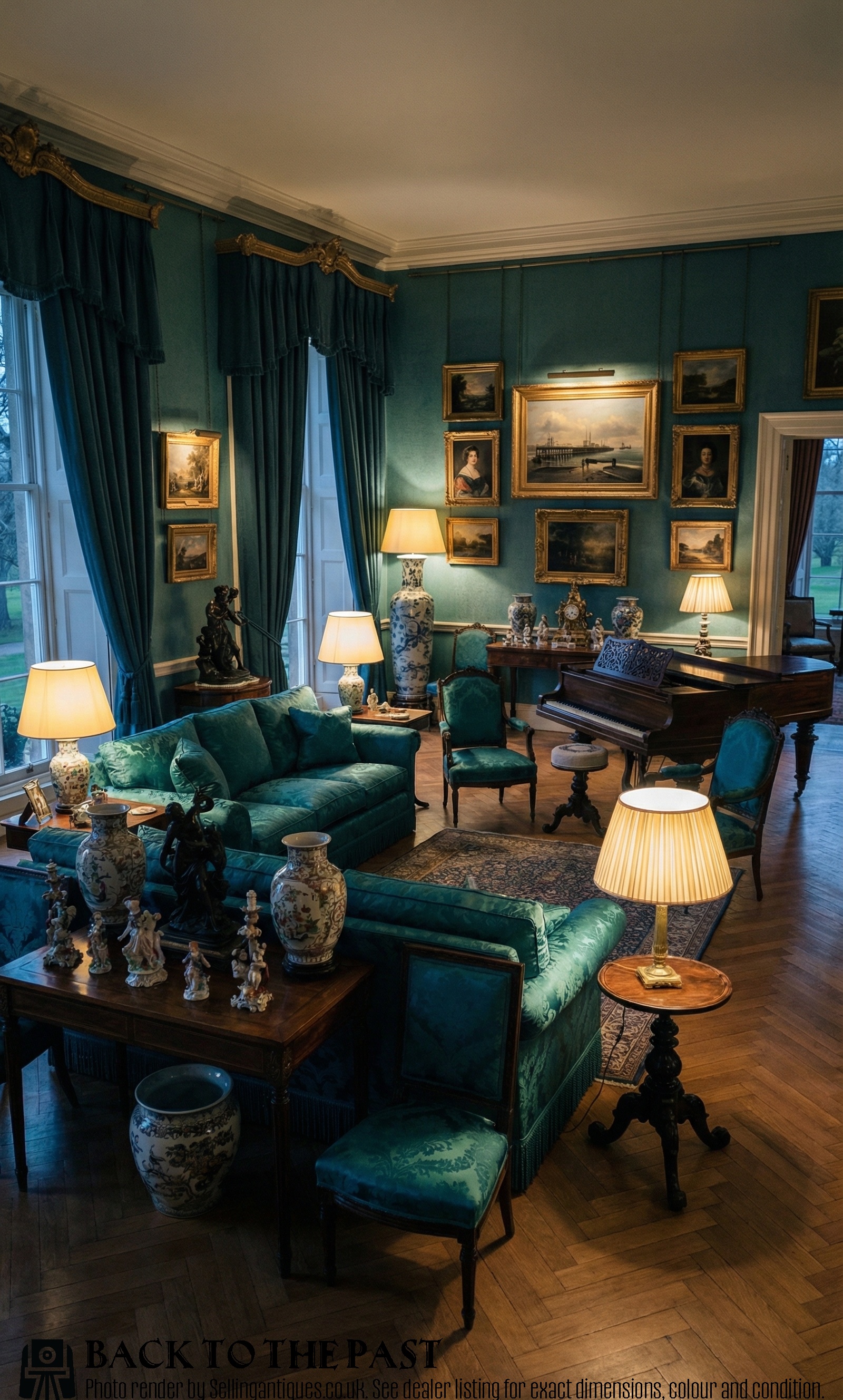
What a dark walnut stool is
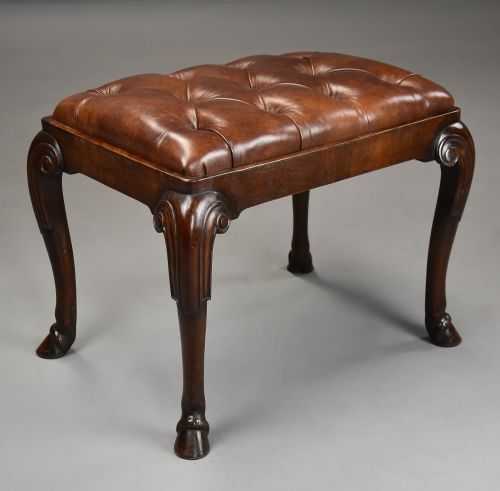
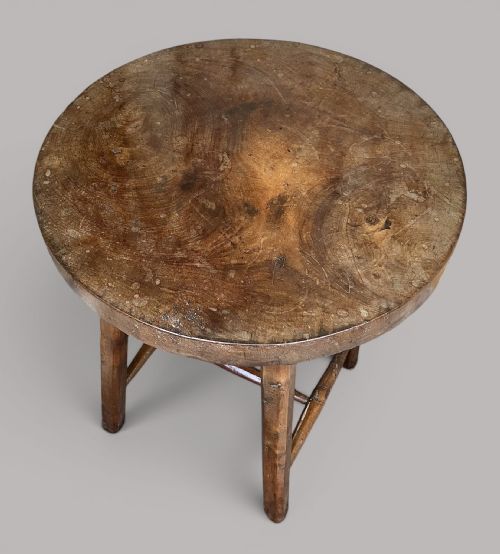
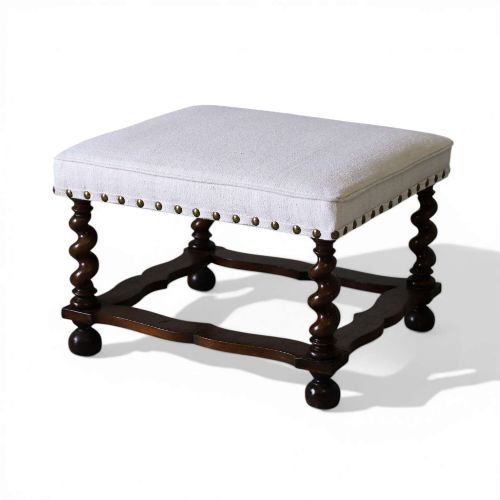
A dark walnut stool brings solid timber construction and rich grain to interior spaces, functioning variously as a seat or rest. Buyers find items ranging from early baroque forms to Victorian music seats and Edwardian revival pieces.
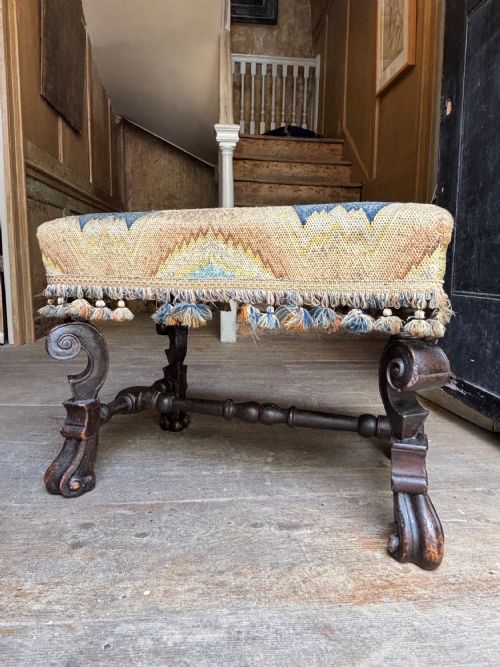
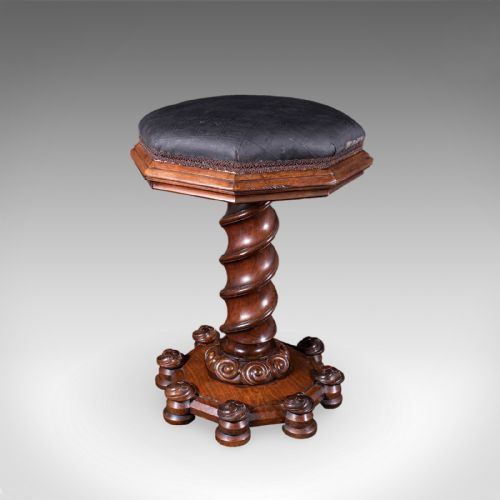
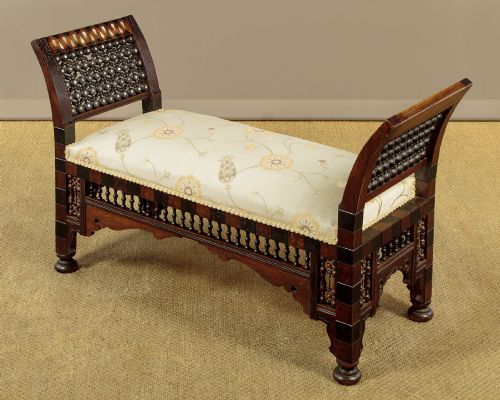
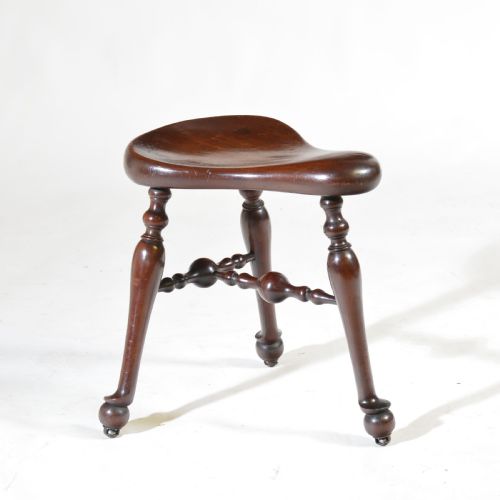
The selection here includes piano stools, dressing table stools and traditional footstools spanning the seventeenth century through to the Edwardian era. Piano stools frequently feature adjustable mechanisms or revolving tops designed for keyboard players.
How they were made
Craftsmen built these pieces using walnut timber, shaping structural elements with carved detail and turning techniques. Metal components like brass appear in adjustable hardware, while iron supports certain mechanical designs.
Upholstery elements incorporate materials such as tapestry, leather, velvet, textile and linen to form padded seats. Carved woodwork defines specific styles, notably baroque forms and pedestal or tripod configurations.
Retail Price Guide 2026
Typical UK retail prices for dark walnut stool, calculated from the Sellingantiques database of over a million retail prices indexed since 2003. This retail price guide relies exclusively on Sellingantiques data; no external sources or auction records are used, so the figures do not describe the wider market.
Listings span the seventeenth century, Victorian era, and Edwardian period, utilising walnut alongside brass, iron, velvet, and tapestry.
What varies in quality
Quality differentiates through the execution of carved ornament and the precision of mechanical actions found in revolving or adjustable examples. Earlier pieces display exuberant baroque detailing, whilst later examples rely on period revival motifs.
The choice of upholstery material, from fine tapestry and velvet to simple linen, contributes to the overall character and finish of each piece. Timber selection and structural joinery separate standard items from finer vernacular and revival works.
The Dark Walnut Stool Glossary
- Carolean
- A seventeenth-century style associated with the reign of Charles II, known for exuberant baroque forms and rich carving. Pieces from this era display dynamic silhouettes.
- Walnut
- A dense, dark timber utilised extensively for furniture framing and decorative veneers. Its rich grain accepts carving and polishing exceptionally well.
- Revolving
- A mechanical property allowing the seat top to turn around a central vertical screw or spindle. This mechanism suits piano stools and music seats.
- Tripod
- A three-legged support structure commonly utilised on Victorian piano stools for stability on uneven floors. This formation often incorporates turned woodwork.
Frequently Asked Questions
How do I use a piano stool?
These seating pieces function primarily at keyboard instruments, offering adjustable heights or revolving tops for player comfort.
Many examples suit dressing tables or serve as decorative accent seats in traditional living spaces.
What periods do these pieces span?
The selection covers seventeenth-century examples alongside nineteenth-century Victorian pieces and Edwardian revivals.
Stylistic influences range from Carolean baroque to George II revival designs.
What materials make up the upholstery?
Padded tops utilise textiles, tapestry, velvet, leather and linen depending on the period and function of the piece.
Underpinning these covers are sturdy walnut frames supplemented by brass or iron mechanical hardware.
How do adjustable mechanisms work?
Screw threads and revolving pivots permit the seat height to alter for the user.
Victorian piano stools frequently employ these practical engineering solutions.