

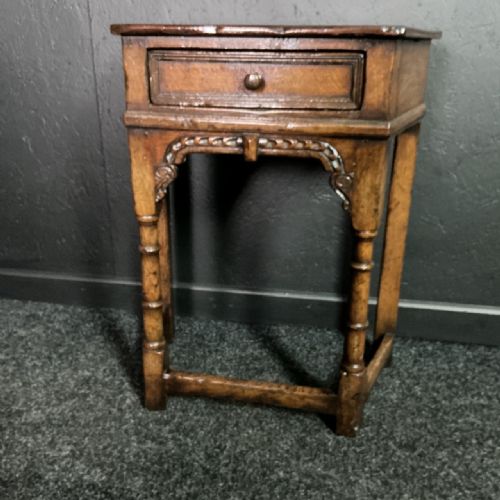
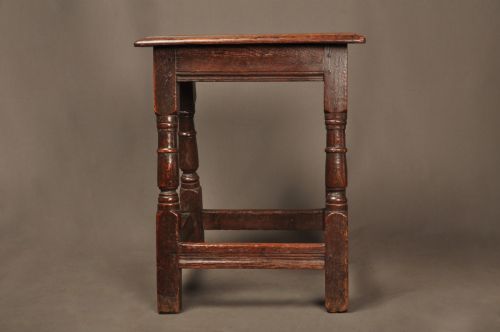
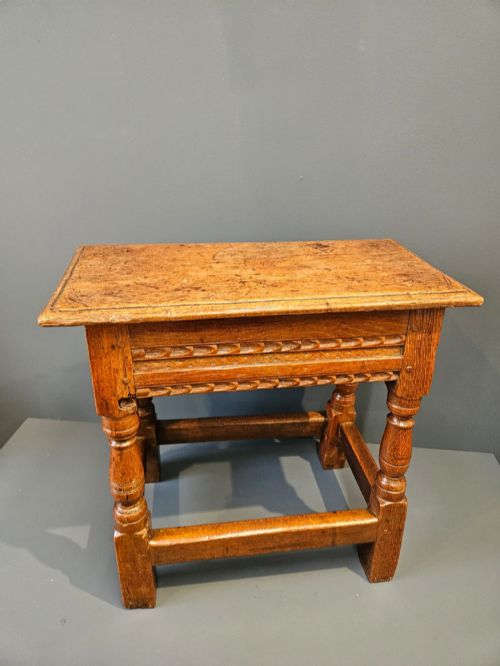
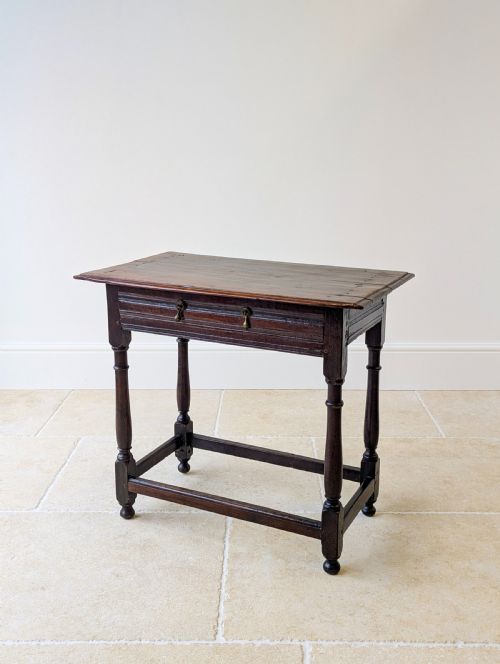


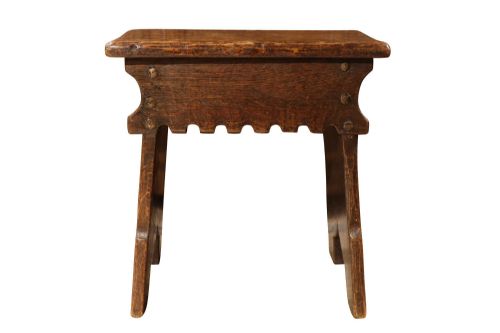


Brown Oak Joint Stool
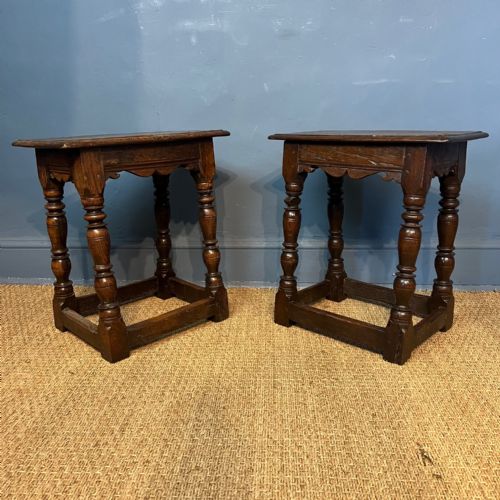
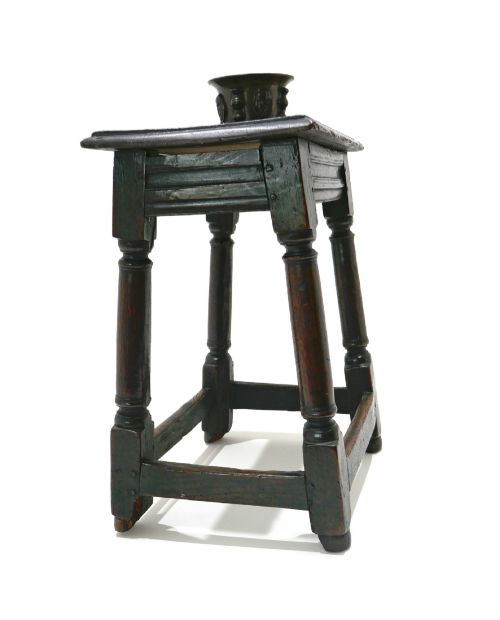
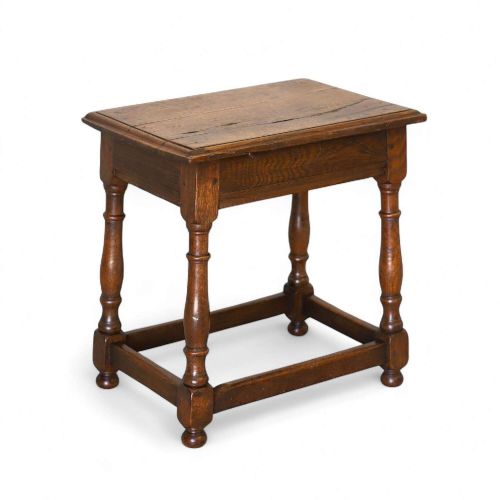
A brown oak joint stool is a rigid timber seat built with pegged mortise and tenon joints, prized for sturdy utility and rich grain.
Brown Oak Joint Stool
When searching for a brown oak joint stool, buyers examine low wooden seating forms constructed primarily from solid English oak, alongside occasional variants in elm or yew wood. The listings encompass authentic 17th-century survivals, provincial 18th-century Georgian pieces, and later revival interpretations from the 19th and early 20th centuries.
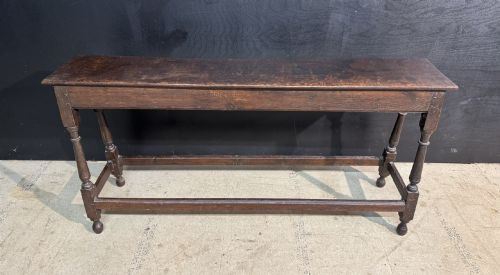
The dominant version met on this page is the rectangular joint stool, alongside related forms such as box stools, low side tables, and occasional tables. These pieces display styles ranging from austere Jacobean and Gothic Revival to rustic country vernacular and later Jacobean revivals.
How they were made
Makers utilised solid English oak, frequently augmented with secondary timbers like elm or yew wood, shaped manually using traditional hand woodworking techniques. Construction relies heavily on pegged mortise and tenon joinery, creating a rigid skeletal frame without reliance on modern metal fasteners.
Surfaces exhibit hand-planed finishes and occasional carved details, showing the tool marks of provincial carpentry. Pegs secure the structural joints firmly, while natural timber grain develops a deep patination over centuries of handling.
Brown Oak Joint Stool Retail Price Guide 2026
Typical asking prices for brown oak joint stool among the pieces listed under this phrase on Sellingantiques today, from the lower quarter to the upper quarter. They describe what is for sale here now, not the wider market.
Miniature apprentice pieces and doll-sized joint stools demonstrate that tiny woodworking was once serious practice.
What varies in quality
The standard of a brown oak joint stool depends upon the integrity of its pegged frame and the depth of natural patination on the timber surfaces. Pieces retaining original surface finishes and early structural members stand apart from later reproductions or heavily restored examples.
Proportion and execution of carved elements distinguish provincial craftsmanship from mass-produced revival items. Grain configuration in the oak and the retention of original pegging mark the divergence between basic utility items and finer regional cabinet work.
The Brown Oak Joint Stool Glossary
- Joint stool
- A sturdy wooden seat constructed using pegged mortise and tenon joints rather than traditional turned joinery. The term derives from the joiner trade.
- Oak
- A hard, durable timber native to Britain, utilised extensively for centuries in heavy framing and furniture making. It displays prominent medullary rays when quarter-sawn.
- Mortise and tenon
- A primary woodworking joint where a protruding tongue fits tightly into a corresponding cavity, secured with wooden pegs. This method ensures lasting structural rigidity.
- Patina
- The surface sheen and colour acquired by timber through age, handling, and exposure to light over many generations. It forms a key indicator of historical depth.
Brown Oak Joint Stool: Frequently Asked Questions
What is a joint stool?
A joint stool is a rigid timber seat built by a joiner using pegged mortise and tenon construction. These low items served versatile domestic functions in early households.
Unlike chairs, which were scarce and reserved for heads of households, joint stools provided portable seating and served as small tables or stands for household goods.
How old are these stools?
The pieces span multiple eras, including authentic 17th-century examples alongside 18th-century Georgian items and later 19th and early 20th-century revival interpretations.
Revival pieces from the Victorian and Edwardian periods deliberately copied the earlier styles, utilising traditional oak and pegged construction methods.
How were they used historically?
These items functioned primarily as seating around the dining table, but their flat tops made them suitable as temporary side tables or stands.
Some specialised variants, such as box stools or close stools, incorporated enclosed storage compartments beneath the seat for domestic utility.
What woods besides oak appear?
While English oak dominates the selections, makers also utilised alternative native timbers such as elm, yew wood, and general hardwood.
These secondary woods appear in provincial pieces and occasional tables, offering variations in grain pattern and colour.