


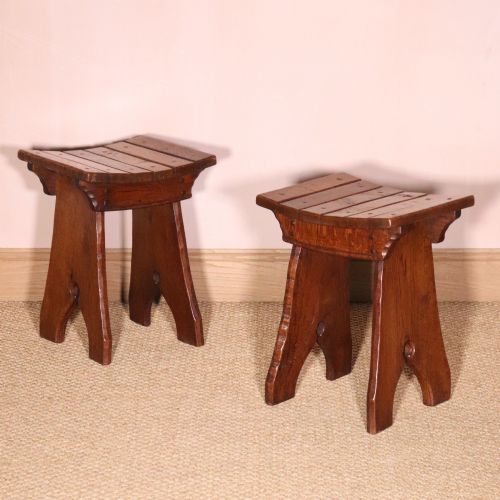


Solid Oak Wooden Stool
A solid oak wooden stool brings sturdy utility and centuries of carpentry traditions straight into a room.
Solid Oak Wooden Stool
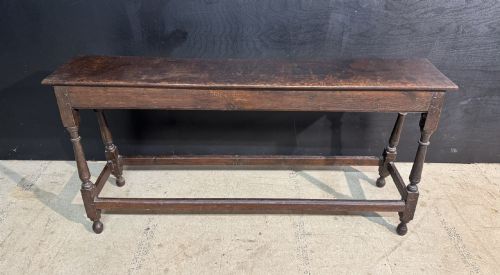
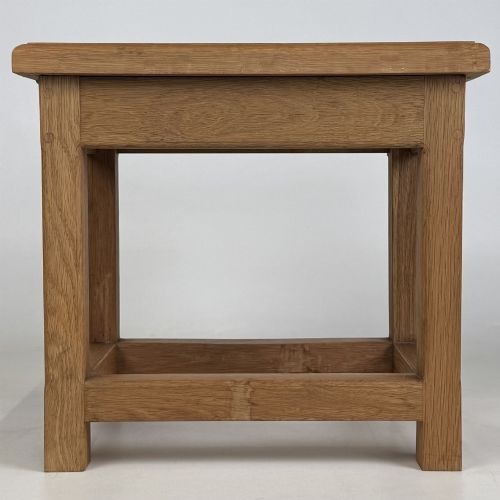
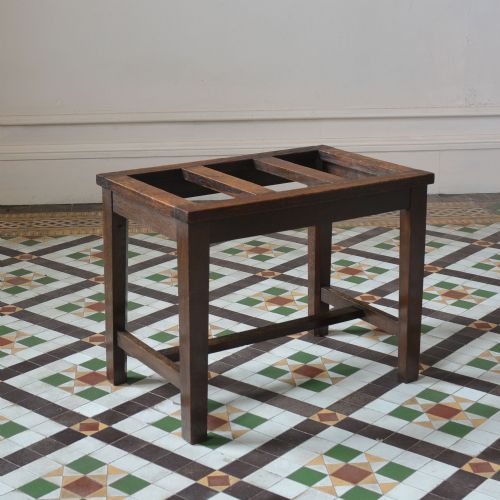
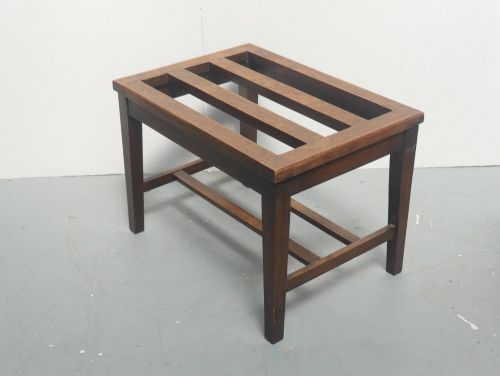
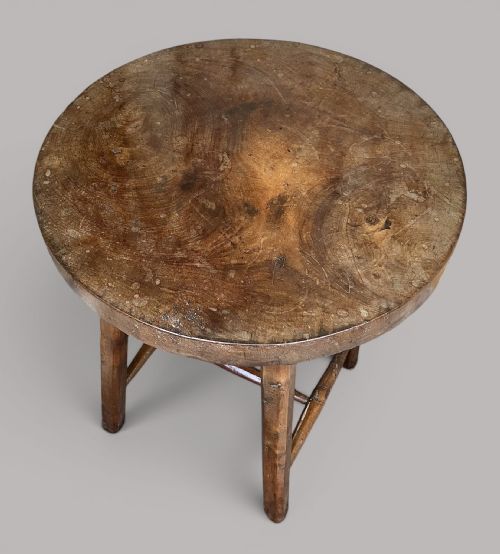
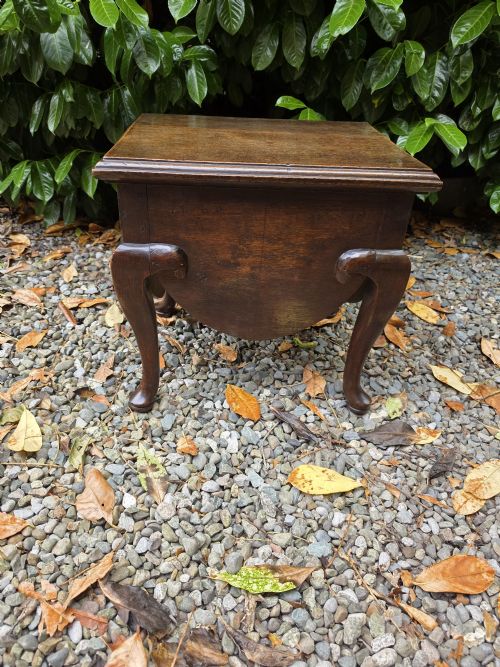
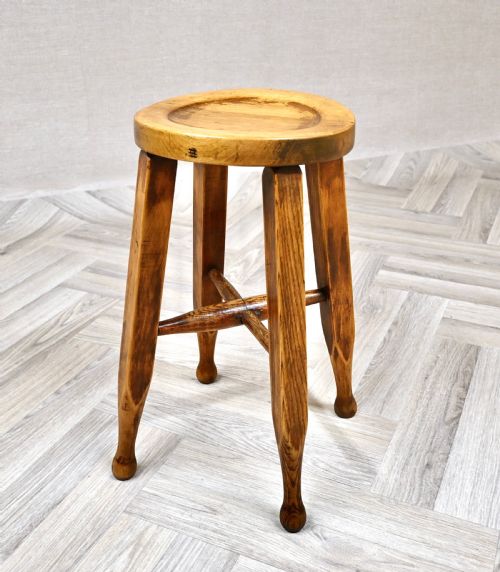
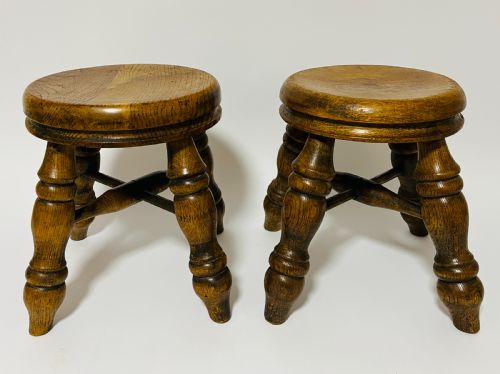
When searching for a solid oak wooden stool, buyers encounter diverse forms ranging from seventeenth-century joint stools to twentieth-century Arts and Crafts seating.
The selections span distinct historical periods, including Georgian, Edwardian, and nineteenth-century examples alongside vernacular library steps and luggage racks.
Joint stools dominate the offerings, built with pegged mortise and tenon joints that reflect early domestic seating requirements.
Materials and construction methods
Carpenters utilised solid oak alongside supporting timbers like elm and ash, relying on traditional jointing techniques rather than metal fixings.
Surface finishes developed through centuries of wax application and natural handling, preserving the dense grain of the hardwood.
Current listings include pieces spanning from the mid seventeenth century through the Edwardian period and the Arts and Crafts movement.
Judging quality and craftsmanship
Superior examples demonstrate crisp execution in pegged joints and well-balanced proportions that survive centuries of heavy domestic use.
Purer interpretations of historical styles retain original timber patination, whereas altered pieces show replaced stretchers or modern hardware.
Jack Grimble
The Solid Oak Wooden Stool Glossary
- Joint stool
- A traditional wooden stool constructed using pegged mortise and tenon joints rather than turned legs glued into seats. These pieces provided stable seating in early households.
- Mortise and tenon
- A joint connecting two pieces of wood where a protruding tongue fits tightly into a square hole. This method forms the structural backbone of early oak furniture.
- Vernacular
- Furniture made by local craftsmen for everyday regional use rather than high-style urban workshops. These items prioritise sturdy utility over decorative ornamentation.
- Patina
- The surface sheen and colour developed by timber over decades through exposure to light, air, and human touch. Original patination indicates a surface untouched by modern stripping.
Solid Oak Wooden Stool: Frequently Asked Questions
How do I date an oak joint stool?
Examination of the timber peg placement, tool marks left by hand saws, and the overall wear pattern on the feet reveals the approximate period of manufacture.
Early seventeenth-century versions display distinct peg construction and heavier framing compared to later revival pieces.
Were these stools used for seating?
Most joint stools functioned primarily as flexible household seating around dining tables or beside fireplaces.
Their robust timber construction also allowed them to serve as small side tables or platforms when needed.
How should I clean a historic oak surface?
Maintenance requires only a soft cloth and occasional application of traditional beeswax to nourish the dry hardwood.
Harsh chemical cleaners strip away the historical patination and damage the timber fibres.
What is the difference between a joint stool and a footstool?
Joint stools stand taller with rigid vertical framing designed specifically for sitting or temporary surface use.
Footstools feature lower profiles, often associated with Arts and Crafts or Edwardian domestic comfort.